🇲🇽
Mexico
Mayan Ruins, Cenotes & the World's Best Tacos
Duration
14 days
Best Time
Nov–Apr
Daily Budget
$60–130
Difficulty
Easy
Mexico is a country of such scale and variety that it resists being described as a single destination. The ancient Maya cities of the Yucatán, the cosmopolitan energy of Mexico City, the colonial baroque grandeur of Oaxaca and San Cristóbal, the Pacific surf towns of Sayulita and Puerto Escondido, the Caribbean waters of Cozumel and Bacalar — these are not different versions of the same country but genuinely different worlds, united by one of the great food cultures on Earth and a warmth of hospitality that is not performance but genuine.
Mexico City has undergone a remarkable reinvention over the past decade and is now one of the most exciting cities in the Western Hemisphere. The Roma and Condesa neighbourhoods have a density of excellent restaurants, independent bookshops, and neighbourhood mezcal bars that rivals any city in the world. The Frida Kahlo Museum in Coyoacán, the ancient pyramids of Teotihuacán one hour north, the murals of Diego Rivera in the Palacio Nacional, and the food market of La Merced — CDMX has enough to justify a month and rewards repeat visitors differently every time.
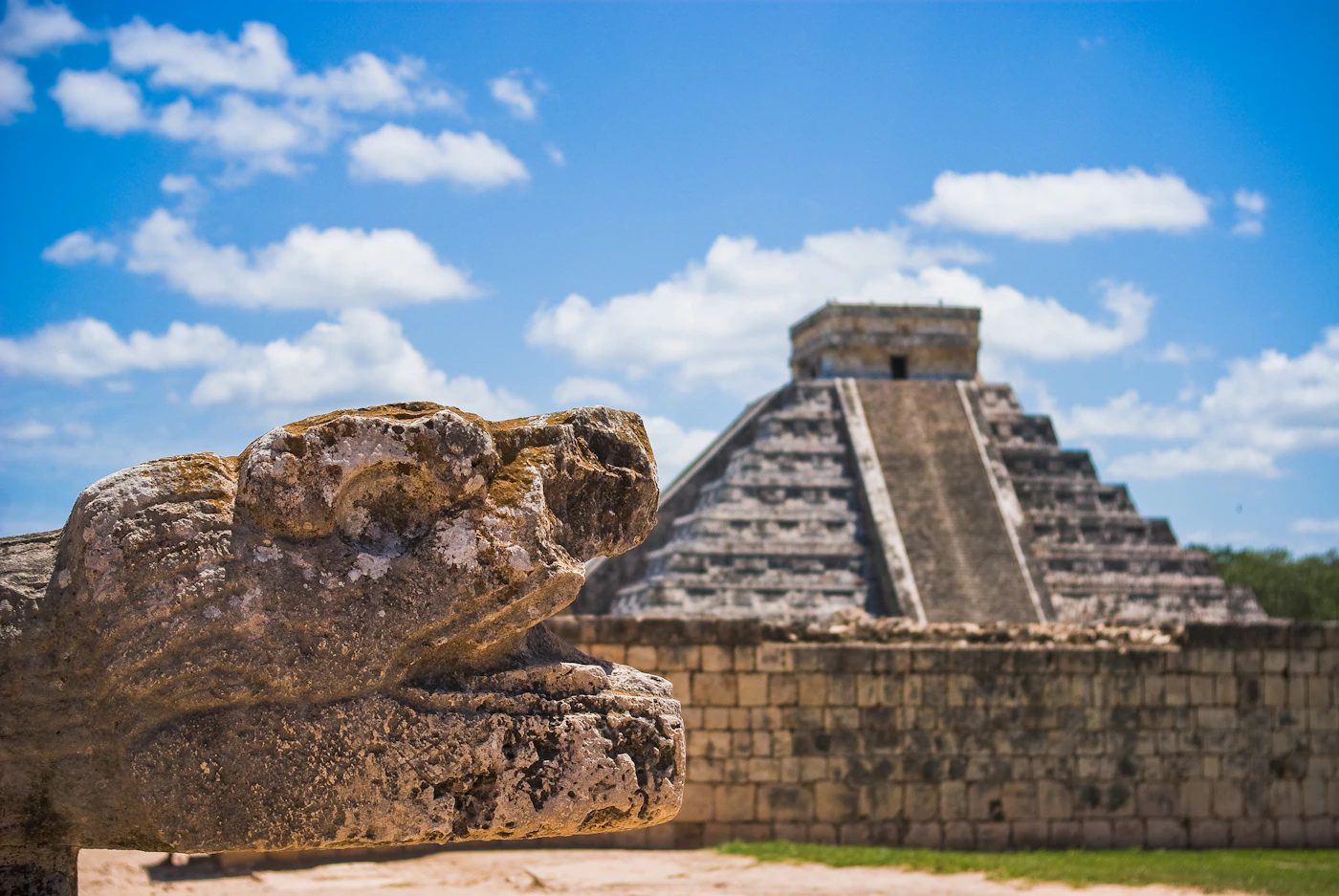
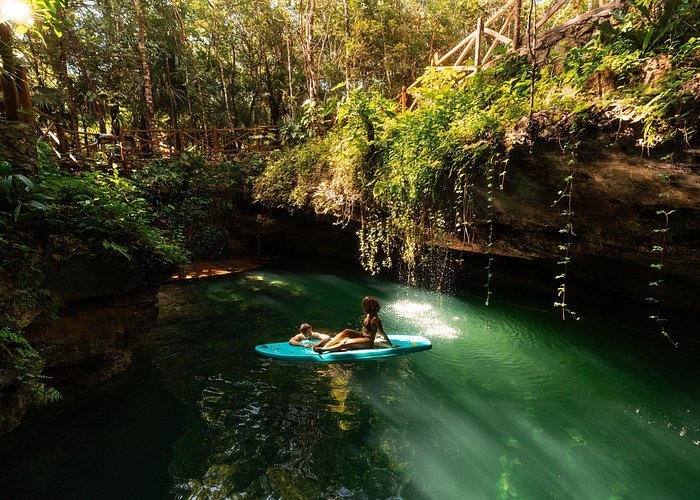
The Yucatán Peninsula is the country's most visited region and justifies the attention. Chichen Itza at sunrise — before the tour buses arrive from Cancún — is one of the most powerful archaeological sites in the Americas, the great pyramid of El Castillo casting its serpent shadow on the equinox. The cenotes are one of Mexico's great natural gifts: thousands of freshwater sinkholes with turquoise water and crystalline light, many still unknown to most tourists and accessible by rental car. Oaxaca, in the south, is Mexico's spiritual and culinary heart — mole negro, mezcal, the ruins of Monte Albán, and Day of the Dead celebrations that are among the most extraordinary cultural events in the world.
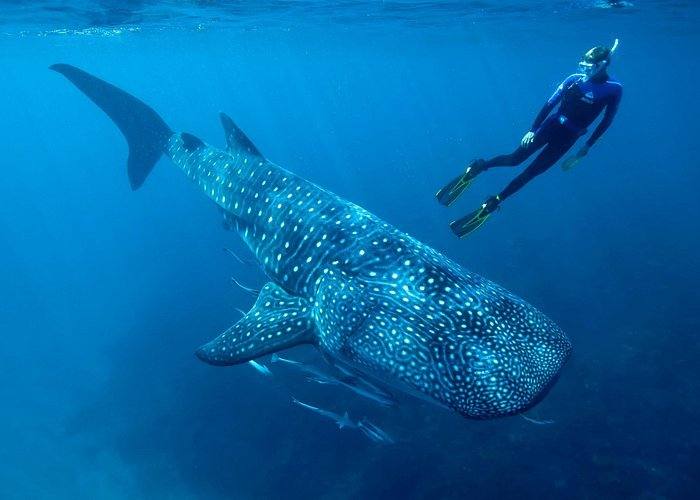
Mexico's Pacific coast offers a completely different experience: Sayulita's cobblestone streets and consistent surf, Puerto Vallarta's LGBTQ+-friendly beach scene, Huatulco's quiet bays and world-class snorkelling, and Puerto Escondido's legendary Zicatela beach — home to the Mexican Pipeline, one of the heaviest beach breaks on the planet. Between June and September, whale sharks gather in the waters off Isla Mujeres in the Caribbean in the largest aggregation in the world, where you can snorkel alongside them.




Best time to visit: November through April is dry season across most of Mexico — ideal for the Yucatán, Oaxaca, and Mexico City. December through February is peak season with higher prices. The Yucatán's hurricane season runs June through November, peaking in September. Late October through early November brings Day of the Dead celebrations — spectacular in Oaxaca and Mérida. Whale shark season off Isla Mujeres runs June through September. Pacific surf is most consistent May through November.
Getting around: Renting a car is ideal for the Yucatán Peninsula — it opens up remote cenotes, smaller ruins, and coastal villages that buses miss. ADO buses are comfortable and affordable between all major cities. Uber operates reliably in Mexico City, Cancún, Mérida, and most large cities — always safer than street taxis. Mexico City's Metro is efficient and very cheap. Drink bottled water throughout Mexico and avoid ice in non-tourist establishments.
Don't miss: Chichen Itza at 8am before tour buses arrive, a secret cenote near Valladolid with no other visitors, a long Saturday lunch in Mexico City's Roma neighbourhood, the mezcal bars and mole restaurants of Oaxaca's Zócalo, Monte Albán at sunset, and if your timing allows — Day of the Dead in Oaxaca, which is genuinely one of the most beautiful and moving experiences available to any traveller anywhere in the world.