Germany
The Ultimate Germany Itinerary — Berlin, Munich & the Black Forest
The logical route through Germany starts in Berlin — fly in, spend three nights in the most historically compelling city in Europe, then take the ICE high-speed train south to Munich for three nights covering Oktoberfest, Neuschwanstein, and Bavarian beer culture. From Munich, drive or train west into the Black Forest for three nights of hiking, Black Forest cake, and the dark pine valleys that inspired the Brothers Grimm. The trip ends easily with a flight from Stuttgart or Frankfurt, both within easy reach of the Black Forest.
This order makes geographic sense — Berlin in the northeast, Munich in the southeast, Black Forest in the southwest — and saves the most dramatic scenery for last. It also means you hit the cities before the countryside, which is the right way around when you're building up to something.
Berlin
🎫 Berlin Experiences
The Berlin Wall & East Side Gallery — Europe's Most Important Open-Air Museum
🏛️ History · Can't Miss
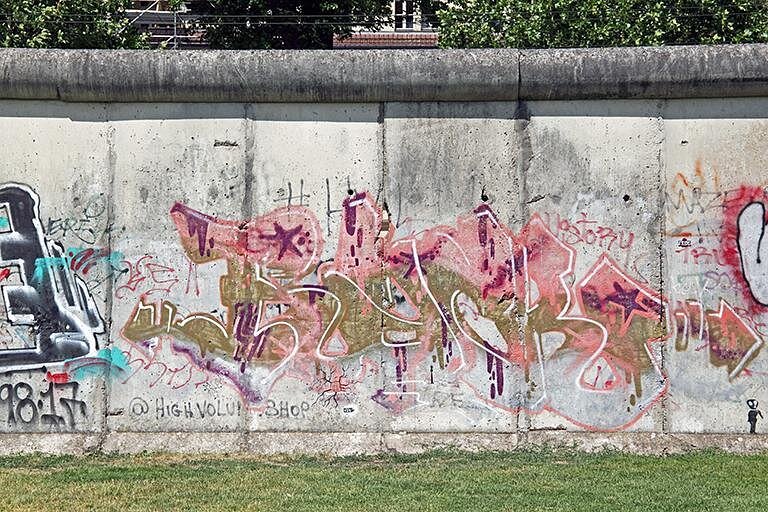
The Berlin Wall stood for 28 years — from 1961 to 1989 — dividing a city, a country, and in many ways an entire world. Walking the sites where it stood is the most historically powerful experience available in Europe. The East Side Gallery is the longest remaining section: 1.3km of original Wall panels covered in murals by artists from 21 countries, painted in 1990 immediately after the Wall fell. The most famous image — the Socialist Fraternal Kiss between Brezhnev and Honecker — is here, along with works that range from deeply political to ecstatically joyful.
Checkpoint Charlie, the most famous crossing point between East and West, is now a tourist attraction surrounded by souvenir stands — but the Checkpoint Charlie Museum directly adjacent is genuinely extraordinary, documenting the extraordinary lengths people took to escape East Germany: cars with hidden compartments, hot air balloons, tunnels dug over months. The Berlin Wall Memorial on Bernauer Strasse preserves an actual section of the border strip — the death strip, the signal fence, the watchtower — and explains what the Wall actually looked like in a way that the East Side Gallery, for all its power, does not.
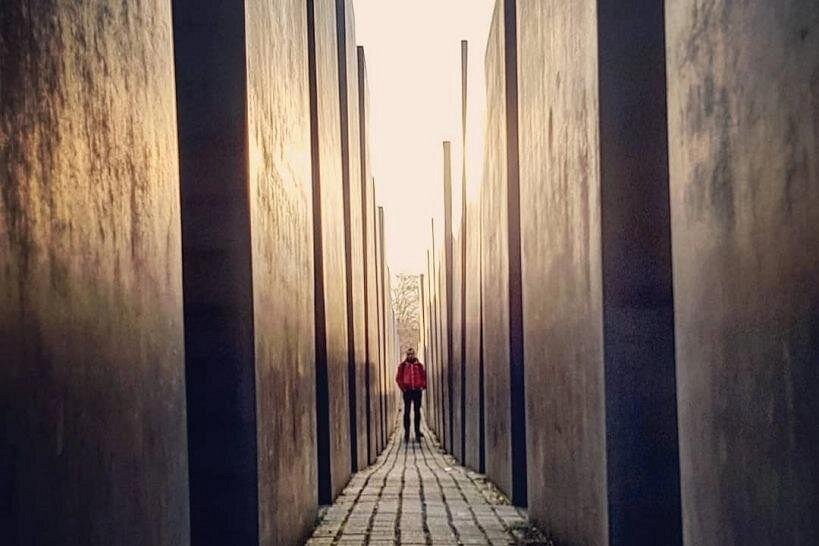
Holocaust Memorial & the Reichstag — Berlin's Two Greatest Monuments
🕍 History & Architecture · Essential Berlin
The Memorial to the Murdered Jews of Europe — 2,711 concrete stelae of varying heights arranged in a grid on undulating ground just south of the Brandenburg Gate — is one of the most powerful pieces of public architecture anywhere in the world. Walking into it from the outside, the stelae are at knee height and the effect is mild. As you move deeper into the grid, they rise to two and three metres, the ground drops away beneath you, and you become disoriented — isolated between slabs of grey concrete, the city noise gone, the sky a narrow strip above. The design produces a specific, vertiginous feeling of displacement that is genuinely unlike anything else. Architect Peter Eisenman said he wanted visitors to feel lost — he achieved it completely.
The Reichstag dome — the glass cupola added to the restored German parliament by Norman Foster in 1999 — is one of Berlin's great architectural experiences. A spiral ramp winds up the inside of the dome to the top, with views over the Bundestag chamber below and the city stretching in every direction. The dome is free but requires advance registration on the Bundestag website — book at least 2–3 weeks ahead. Go at dusk when the light over Berlin is extraordinary.
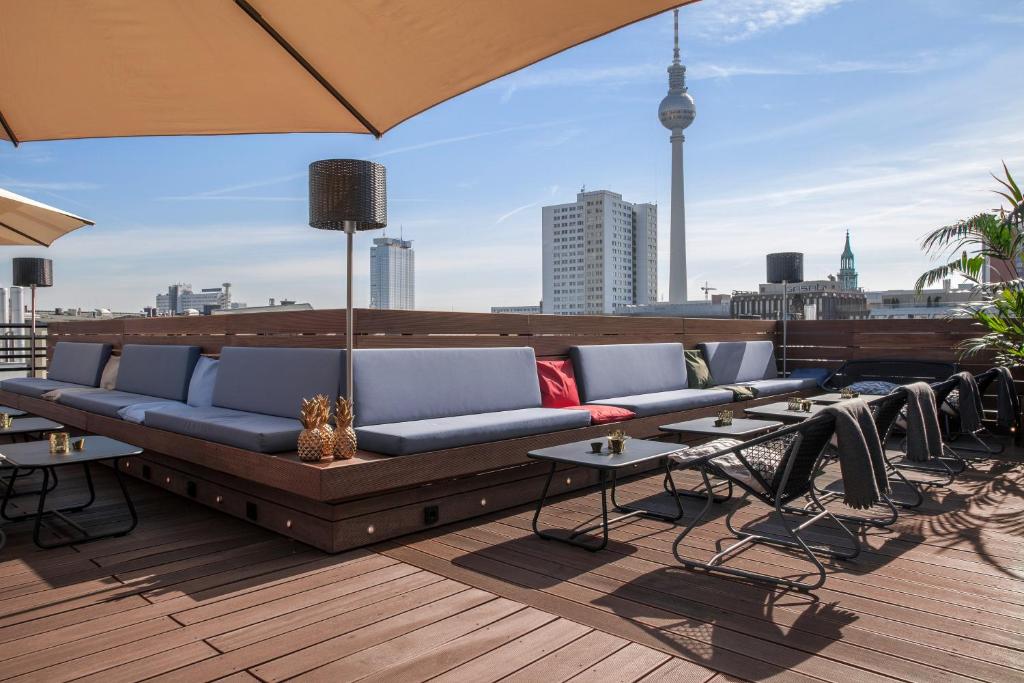
🏨 Where to Stay — Berlin
Munich & Oktoberfest
🎫 Munich Experiences
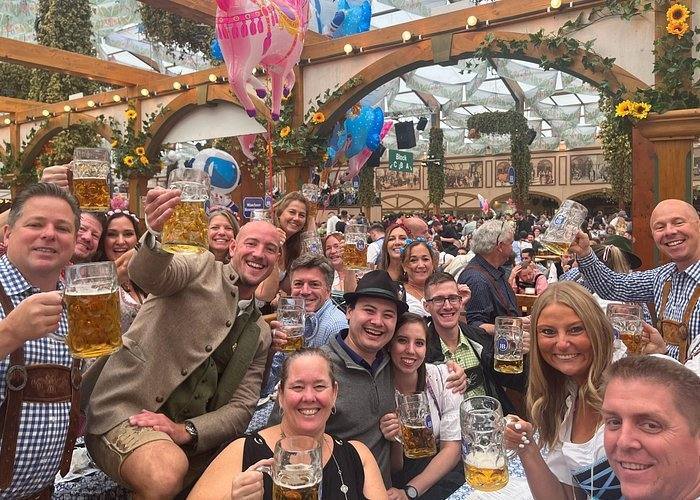
Oktoberfest — The World's Greatest Beer Festival
🍺 Festival · One of Europe's Greatest Experiences
Oktoberfest is not a beer festival that happens to be in Munich — it is a cultural institution that has been running since 1810 and defines the city for 16–18 days every late September and early October. The Theresienwiese fairground is transformed into a city of 14 massive beer tents, each sponsored by one of Munich's traditional breweries, each capable of holding several thousand people at communal wooden tables. A Masskrug holds exactly one litre. The beer served is a special Oktoberfest Märzen — a rich amber lager brewed specifically for the festival that is slightly stronger than standard Helles. A brass oompah band plays from a raised stage above the crowd. The noise level is extraordinary. The sense of communal celebration — strangers singing, swaying, and raising litres of beer together — is unlike anything else in Europe.
The most important thing to know: the main tents sell out. Tables in the large traditional tents (Hofbräu, Augustiner, Schottenhamel, Löwenbräu) must be reserved months in advance — the reservation systems open in January for that year's festival. Without a reservation, you can still get in but must arrive before 9am to find a standing spot and hope to take a table as one becomes free. A guided tour with a reserved table is the easiest solution and removes all uncertainty. Oktoberfest runs from the third Saturday of September to the first Sunday of October.
Neuschwanstein Castle — The Original Disney Castle
🏰 Day Trip · Germany's Most Iconic Sight
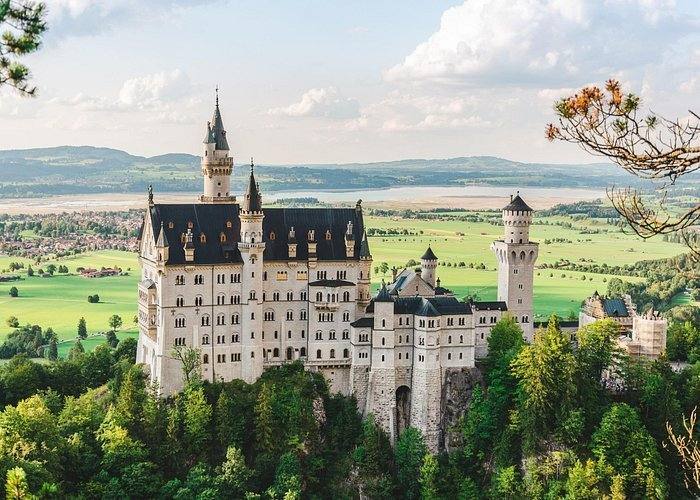
Neuschwanstein Castle — two hours south of Munich by car or train — is one of the most recognisable buildings in the world, and one of the most extraordinary in person. King Ludwig II commissioned it in 1869 using a stage designer rather than an architect, intending it as a personal retreat and tribute to Richard Wagner's operas. He lived in it for just 172 days before being deposed and dying in mysterious circumstances three days later. Walt Disney visited in 1935 and it became the direct inspiration for Sleeping Beauty Castle and Cinderella's Castle. The castle that invented the idea of a fairy-tale castle is not itself a fairy tale — it is a real building, completed just enough to be extraordinary, perched above a gorge in the Bavarian Alps with views that stop you cold.
The key is timing: arrive before the tour coaches. The first guided tour of the day is at 9am — book timed tickets online in advance (they sell out in summer) and hike up to Marienbrücke (Mary's Bridge) before the tour to see the castle from across the gorge in the morning light. This is the famous view. From the bridge, the castle appears through pine trees above a waterfall, the Alps rising behind it. It looks exactly like a dream because someone designed it to.
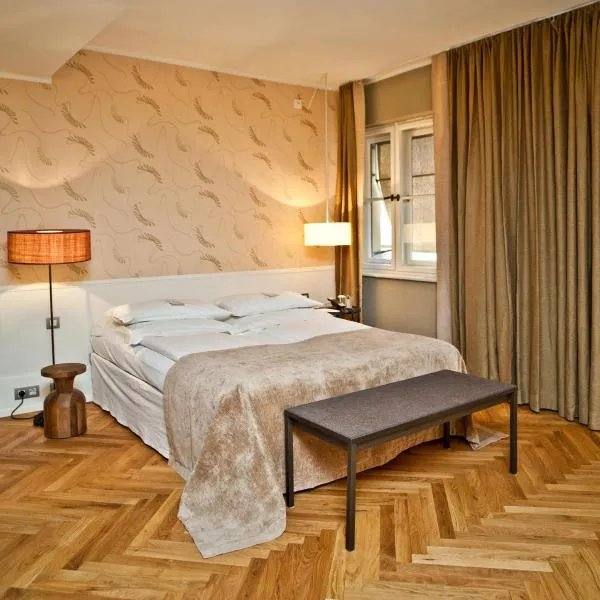
🏨 Where to Stay — Munich
The Black Forest
🎫 Black Forest Experiences
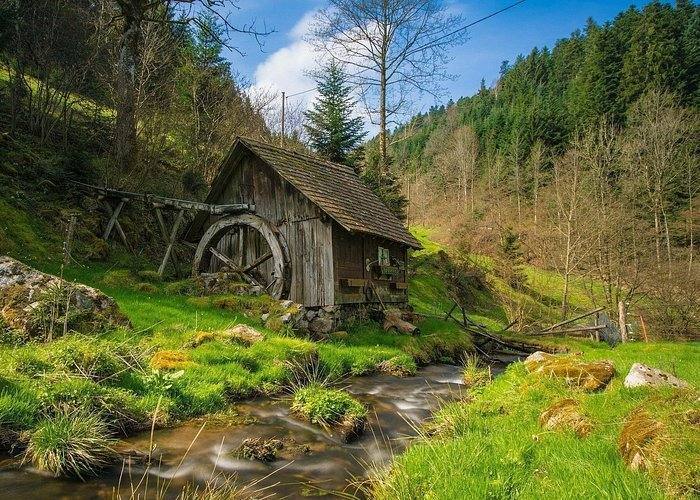
Hiking the Schwarzwald — Dark Valleys & Alpine Panoramas
🥾 Hiking · Germany's Most Atmospheric Landscape
The Black Forest — Schwarzwald in German — is a landscape that genuinely looks like the fairy tale it inspired. Dense pine forest covers the hills of Baden-Württemberg in southwest Germany, dark enough that sunlight barely reaches the valley floors in places, intersected by meadow clearings, rushing streams, and half-timbered farmhouses that look unchanged since the 18th century. The Brothers Grimm collected their stories here, and walking the trails, the connection between the landscape and the tales is completely obvious.
The Schwarzwald-Hochstrasse — the high ridge road running along the crest of the northern Black Forest — has trails that give views west to the Vosges mountains in France and east across the Rhine valley. The Feldberg (1,493m), the highest peak in the Black Forest, can be hiked from the car park at the summit lift in 2–3 hours on a circular route that gives 360-degree views on clear days. Triberg, in the central Black Forest, has Germany's highest waterfalls (163 metres in total drop) reached by a 1.5km trail through pine forest — the waterfalls are busiest on weekends; go on a weekday morning for near-solitude. The Wutachschlucht gorge in the southern Black Forest is the most spectacular hiking terrain: a 2.5km slot canyon carved through red sandstone, reached by a riverside trail that requires some scrambling.
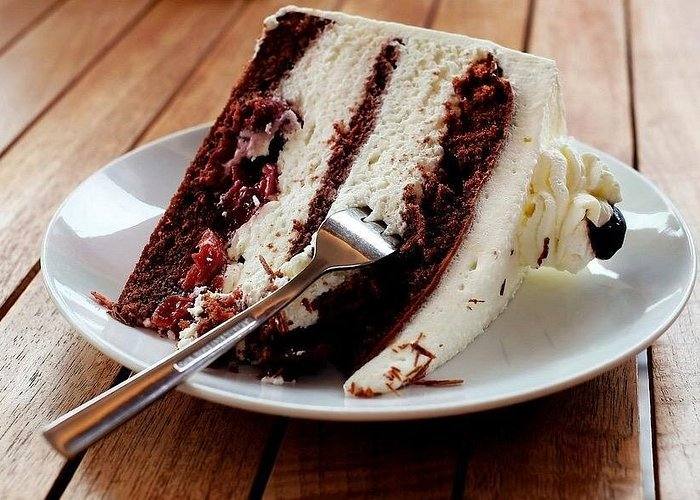
Schwarzwälder Kirschtorte — Black Forest Cake in the Black Forest
🍰 Food · Eat It Where It Was Invented
Black Forest cake — Schwarzwälder Kirschtorte — is one of Germany's most famous exports, but what most of the world calls Black Forest cake bears almost no resemblance to what a good Konditorei in Baden-Württemberg produces. The genuine article is chocolate sponge layered with real Schlagsahne (freshly whipped cream), Morello cherries soaked in Kirschwasser (cherry schnapps made in the Black Forest), and dark chocolate shavings — assembled fresh that day, refrigerated overnight, and eaten within 24 hours. It is not overly sweet. The Kirschwasser gives it an adult sharpness. The cream is restrained, not the sugary fluff of tourist imitations.
Café Schäfer in Triberg has been making Kirschtorte to Josef Keller's original 1915 recipe for three generations and is the most authentic destination. Konditorei Café Rathausglöckle in the town of Gengenbach and Café Breitnauer near Freiburg are equally serious about the original recipe. Order a slice with a Milchkaffee (filter coffee with hot milk) and eat it at the café table rather than taking it away — this is the correct way. It tastes completely different here than anywhere else. The cherries are from the region, the Kirschwasser is local, and the cream is made the same morning.
🏨 Where to Stay — Black Forest
Germany Trip FAQs
What is the best Germany itinerary for first-time visitors?
The best 9-night Germany itinerary goes Berlin (Days 1–3) for the East Side Gallery, Holocaust Memorial, and Reichstag; Munich (Days 4–6) for Oktoberfest or a traditional beer hall, plus a Neuschwanstein Castle day trip; and the Black Forest (Days 7–9) for hiking and Schwarzwälder Kirschtorte. Fly home from Stuttgart or Frankfurt.
When is Oktoberfest 2026?
Oktoberfest runs for 16–18 days starting the third Saturday of September and ending the first Sunday of October. In 2026 this means approximately 19 September – 4 October. Table reservations in the main tents open in January and sell out within days — book the moment they open. Without a reservation, arrive before 9am. Book Munich accommodation at least 6–12 months ahead during Oktoberfest — prices triple.
How do you get from Berlin to Munich?
The ICE high-speed train from Berlin Hauptbahnhof to München Hauptbahnhof takes approximately 4 hours and runs hourly. Book via bahn.de 4–6 weeks ahead for Sparpreis fares as low as €29. Flying takes 1 hour but loses the time advantage when you add airports — the train is usually more convenient.
What is the best time to visit the Black Forest?
May through October is the best window for hiking — trails are clear, the forest is at its lushest, and the ridge roads are fully open. Autumn (September–October) is particularly beautiful when the deciduous trees among the pines turn gold. Winter brings snow to the higher elevations and a completely different, more atmospheric quality to the dark valleys — but some higher trails are inaccessible.
Oktoberfest reservations: Main tent reservations open in January and sell out within days. Set a calendar reminder. Without a reservation, arrive by 9am and be prepared to wait — it's still possible to get a table, just not guaranteed.
Neuschwanstein: Book timed tickets online before you go — they sell out in summer. Hike to Marienbrücke before your tour time for the famous view across the gorge.
Trains: Germany's ICE rail network is excellent. Book via bahn.de. Sparpreis advance fares are significantly cheaper than walk-up prices.
Tipping: Not percentage-based in Germany — round up to the nearest euro or add a euro or two. 10% is generous and genuinely appreciated. Never tip by entering a number on a card reader — hand it to the server and say "stimmt so" (keep the change).
Weisswurst: In Bavaria, Weisswurst (white veal sausage) is traditionally eaten before midday. Order it at breakfast in Munich with sweet mustard and a Weissbier. This is not a tourist gimmick — it is a legitimate Bavarian breakfast and it is excellent.