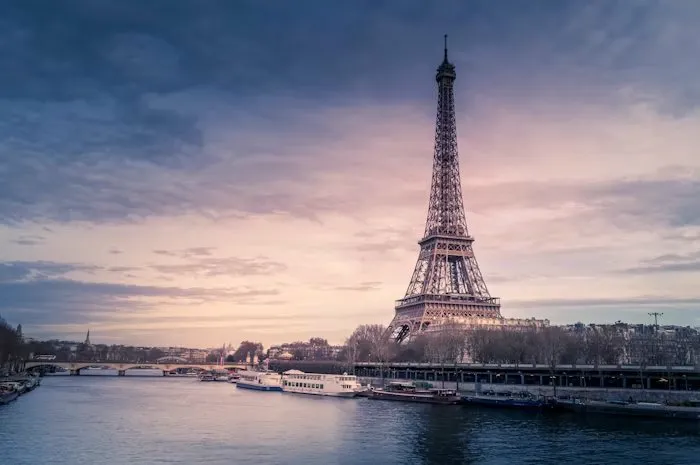
France
The Ultimate France Itinerary — Paris, French Alps & the French Riviera
This is the best France itinerary for first-time visitors who want to see the country's greatest contrasts in one trip — three nights in Paris for the Louvre, Montmartre, and a croissant at a zinc bar; three nights in the French Alps (Chamonix) for the Aiguille du Midi, electric mountain biking above the valley, and mountain village evenings; and three nights on the French Riviera (Nice as your base) for the Promenade des Anglais, Èze, and a day trip to Cannes. It's the itinerary that shows you why France is the most visited country on Earth.
All three stops are connected by domestic trains — Paris to Chamonix takes about 5.5 hours on the TGV + regional connection, and Chamonix to Nice takes about 5 hours via Geneva or Lyon. No flights required, no airports, and the scenery through the Alps is extraordinary.
Paris
🎫 Paris Experiences
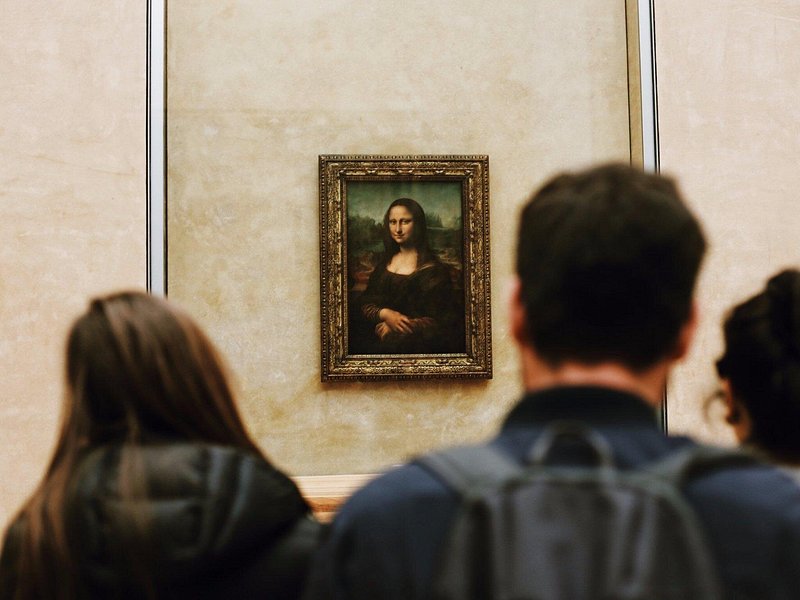
The Louvre — The World's Greatest Museum
🎨 Art & Culture · Can't Miss
The Louvre contains 35,000 works across 72,735 square metres of galleries — more than any human being can absorb in a single visit, or a dozen. The key is to arrive with a strategy rather than an ambition. The Denon Wing's Italian paintings (Raphael, Caravaggio, Da Vinci's Mona Lisa and Virgin of the Rocks) and the Richelieu Wing's Dutch and Flemish masters are the highlights that justify the crowd. The Winged Victory of Samothrace at the top of the Daru staircase is the single most dramatic object in the building — a 2nd century BC Greek sculpture that still looks like it just landed.
Arrive at opening (9am) on a Wednesday or Friday when the museum stays open until 9:45pm — the late evening is the calmest and most atmospheric time to be there. Book tickets online in advance; the queue at the pyramid without pre-booking is significant. A skip-the-line guided tour for the highlights takes about 2 hours and covers the Mona Lisa, Venus de Milo, and Winged Victory in a logical sequence that makes the scale of the place navigable.
Give yourself at least half a day. A full day is better. The Café Richelieu on the first floor of the Richelieu Wing has excellent food, reasonable prices, and a view over the Cour Napoléon that is genuinely beautiful at midday.
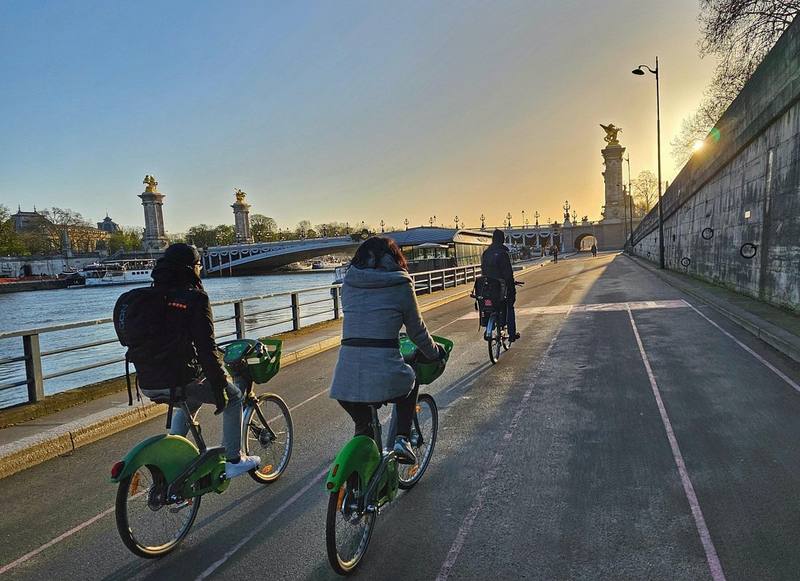
Paris by Bike at Dawn — The City Before the Crowds
🚴 Iconic · Best Way to See Paris
Paris at 6am is a different city from Paris at 10am — emptier, quieter, more beautiful, and entirely your own. The light on the Seine in early morning is extraordinary; the monuments appear without their usual frame of tourist crowds; the bridges belong to you and a few runners. A guided dawn cycling tour (departing around 6:30am) is the single best way to experience Paris for the first time — the Seine, Notre-Dame, the Marais, Place des Vosges, and the Eiffel Tower all appear in the space of three unhurried hours.
The route typically covers the Île de la Cité and Notre-Dame (still under final restoration, visible up close from the river), the Marais's medieval streets and Place des Vosges (the oldest planned square in Paris, from 1612), the right bank quays along the Seine, and the Trocadéro for the Eiffel Tower view. Most tours end at a bakery for croissants and coffee, which is exactly the right way to finish.
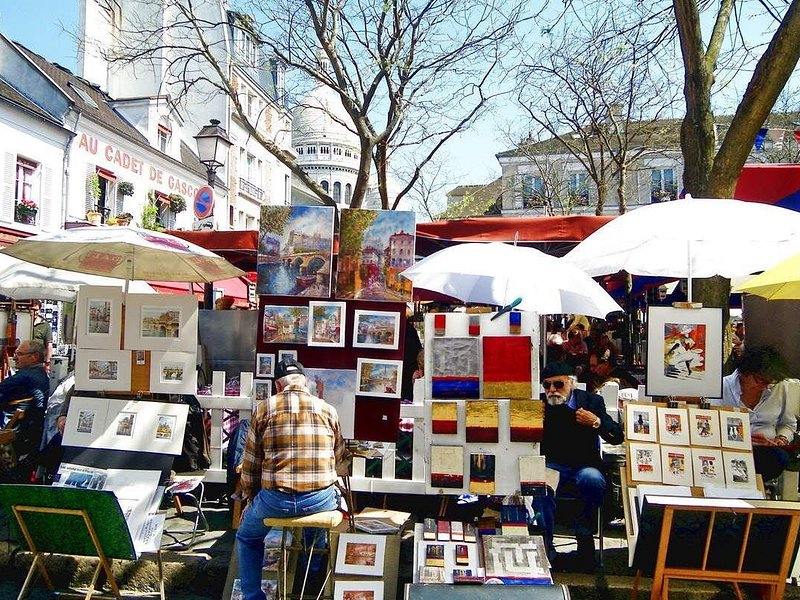
Montmartre & Sacré-Cœur — Paris from the Hilltop
⛪ Neighbourhood · Best Views in Paris
Montmartre sits on the highest hill in Paris and feels like a village — cobblestone streets, ivy-covered walls, a vineyard in the middle of the city, and the white-domed Sacré-Cœur basilica visible from almost everywhere below. The neighbourhood was the centre of Parisian bohemian life in the late 19th and early 20th centuries — Picasso, Modigliani, Toulouse-Lautrec, and Renoir all lived and worked here, drawn by the cheap rents and the light. The Musée de Montmartre (housed in one of the buildings where Renoir had his studio) captures that era better than almost anywhere in Paris.
The view from the steps of Sacré-Cœur at dusk is one of Paris's great sights — the city spread below in every direction, the Eiffel Tower visible to the southwest, the evening light turning the rooftops gold. Avoid the tourist trap cafes on Place du Tertre immediately behind the basilica and instead walk five minutes into the smaller streets — Rue Lepic, Rue des Abbesses — where the neighbourhood reasserts itself as genuinely Parisian.
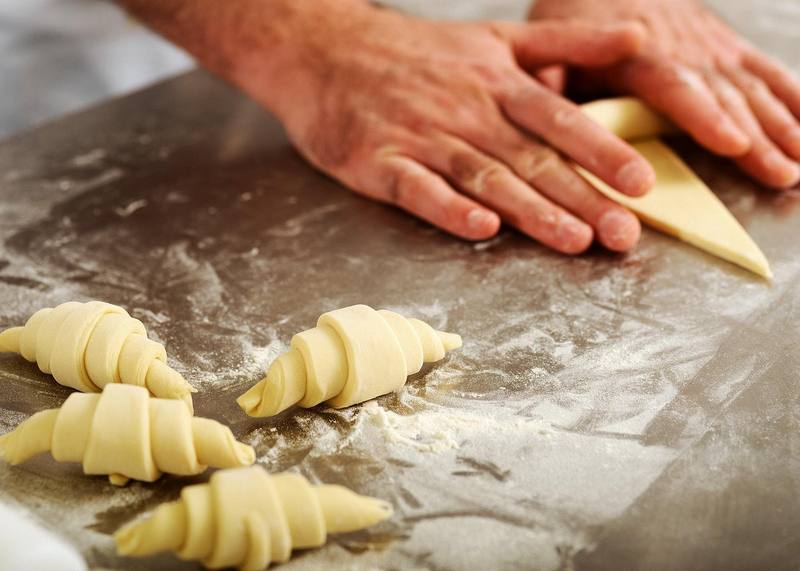
French Pastry Class — Make Croissants with a Parisian Chef
🥐 Food · Hands-On Paris
A croissant made properly — laminated butter dough folded 27 times, proofed overnight, baked to the precise moment where the exterior shatters and the interior is steam-hot and yielding — is one of the finest things produced by French culinary culture. Learning to make one with a professional pastry chef in a Parisian kitchen is simultaneously humbling (the technique is harder than it looks), delicious (you eat everything you make), and one of the most enjoyable morning activities available in the city.
Most pastry classes in Paris run for 2–3 hours and cover 2–3 items — typically croissants, pain au chocolat, and one other viennoiserie or a tarte. The best ones are small groups (under 10), taught in working kitchens rather than demonstration rooms, and include the wine and cheese that inevitably appears in French cooking classes regardless of what the menu says.
🏨 Where to Stay — Paris
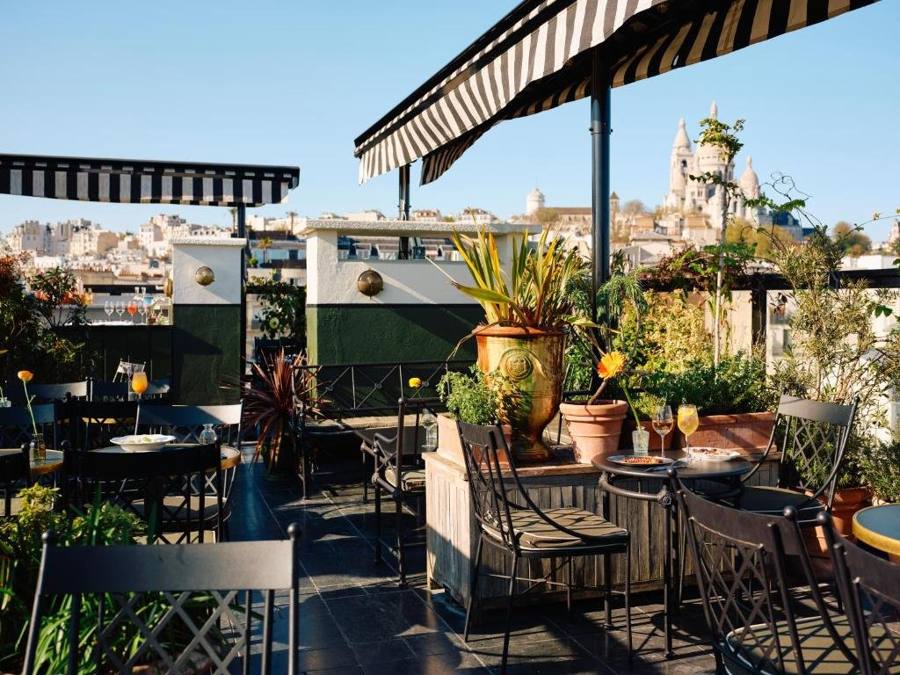
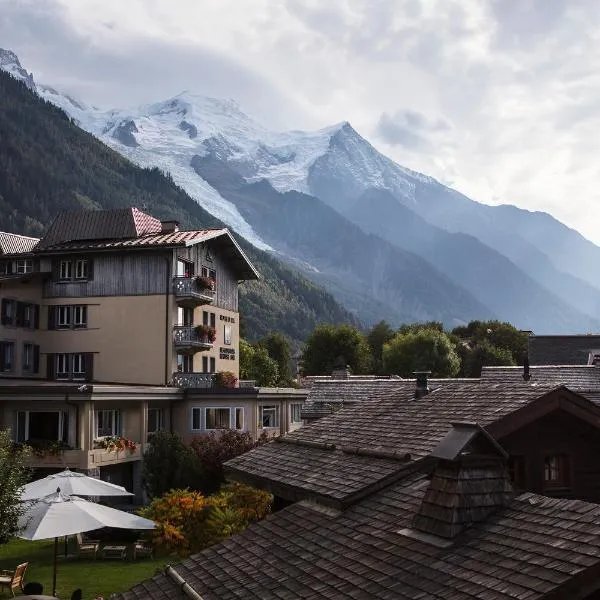
Chamonix & the French Alps
🎫 French Alps Experiences
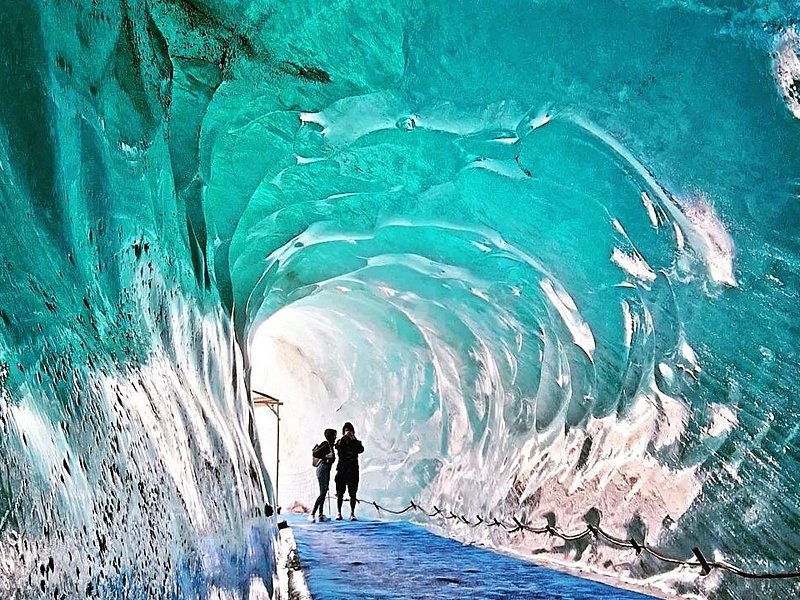
Aiguille du Midi — Standing Eye-to-Eye with Mont Blanc
🏔️ Mountains · Most Dramatic View in the Alps
The Aiguille du Midi cable car ascends from Chamonix at 1,035m to the summit terrace at 3,842m in 20 minutes — a vertical rise of nearly 2,800 metres, the largest continuous vertical gain of any cable car in the world. At the top, you step out onto a steel walkway bolted to a granite needle above the snowfields and glaciers of the Mont Blanc massif, with the summit of Mont Blanc (4,808m, the highest point in Western Europe) close enough that you can see individual serac formations in the ice. On a clear day, you can see across to the Matterhorn in Switzerland and the Dolomites in Italy.
The experience is genuinely vertiginous — there are glass-floored platforms that extend over the void, and the wind at that altitude has a weight and coldness that clarifies the mind immediately. Take warm layers regardless of valley temperature. The Vallée Blanche departure point is at the top of this cable car — in winter, the glacier ski descent begins just beyond the summit terrace.
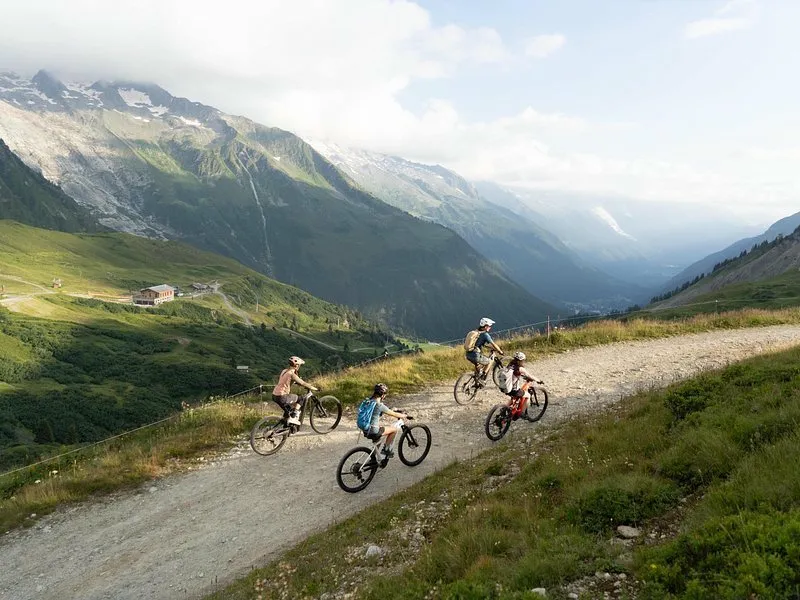
Electric Mountain Bike Rental — Chamonix Mont-Blanc
🚵 Adventure · Best Way to Explore the Alps
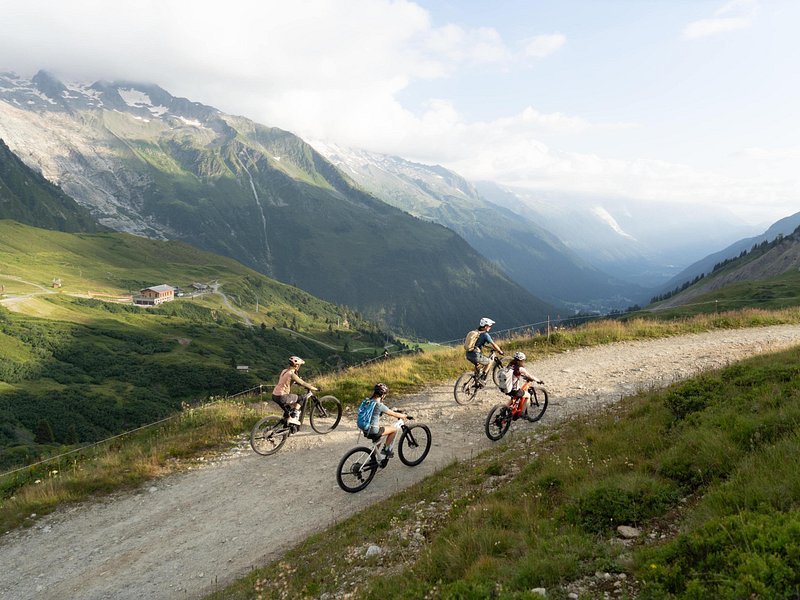
An electric mountain bike (e-MTB) transforms the French Alps from a landscape you admire from cable cars into one you move through under your own power — without the fitness requirement of a traditional mountain bike. The electric assist handles the brutal elevation gain that defines Alpine terrain, leaving you free to focus on the extraordinary scenery: glaciated peaks rising above green valley floors, the Mer de Glace visible in the distance, Mont Blanc overhead. The trails above Chamonix that would take a fit cyclist hours to climb become accessible to almost anyone within the first morning.
The Col de Montets loop is the classic e-MTB day from Chamonix — climbing through pine forest and alpine meadows above the valley, crossing the col at 1,461m with views back towards Mont Blanc, then descending through the Vallorcine valley on purpose-built singletrack before returning via the Chamonix valley floor. The full loop takes 4–5 hours at a relaxed pace. Higher routes from the Flégère or Les Grands Montets lifts (which allow bikes in summer) extend the options into serious alpine terrain — above the tree line, on wide gravel tracks with the kind of views that belong in adventure films.
Several operators in Chamonix rent e-MTBs by the half-day, full day, or multi-day, with maps, helmet, and trail recommendations included. Guided options pair you with a local guide who knows which trails are open, which sections to avoid after rain, and where to stop for the best views of the massif.
Grand Balcon Nord — Chamonix's Most Spectacular Hike
🥾 Hiking · Best Views in the Alps
The Grand Balcon Nord is consistently rated the most spectacular day hike accessible from Chamonix — a high-altitude trail that runs along the north side of the Chamonix Valley with continuous views of the Mont Blanc massif, the Mer de Glace glacier, and the jagged rock spires of the Aiguilles de Chamonix. At this elevation the landscape is distinctly alpine: open meadows above the treeline, craggy granite peaks on both sides, and a silence and clarity of air that is completely different from the valley floor below.
The smartest way to do it is the one-way modified route: take the Aiguille du Midi cable car to Plan de l'Aiguille (the mid-station at 2,317m), then hike the Grand Balcon Nord trail across to the Montenvers station, finishing with the cog railway back down to Chamonix. This turns the route into a mostly downhill walk with only 198m of elevation gain and 366m of loss — making it accessible to most fitness levels while delivering the full dramatic scenery. The views along this section, especially in early morning when the sun breaks through the mist onto the Mer de Glace, are genuinely otherworldly.
🏨 Where to Stay — Chamonix
Nice & the French Riviera
🎫 French Riviera Experiences
Nice — Vieux-Nice, the Promenade & the Cours Saleya Market
🌊 Riviera · Best Base on the Côte d'Azur
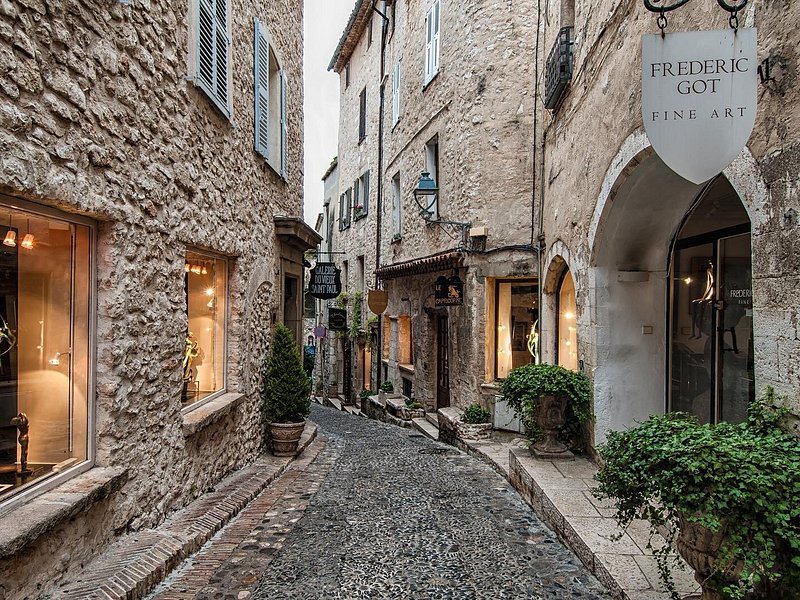
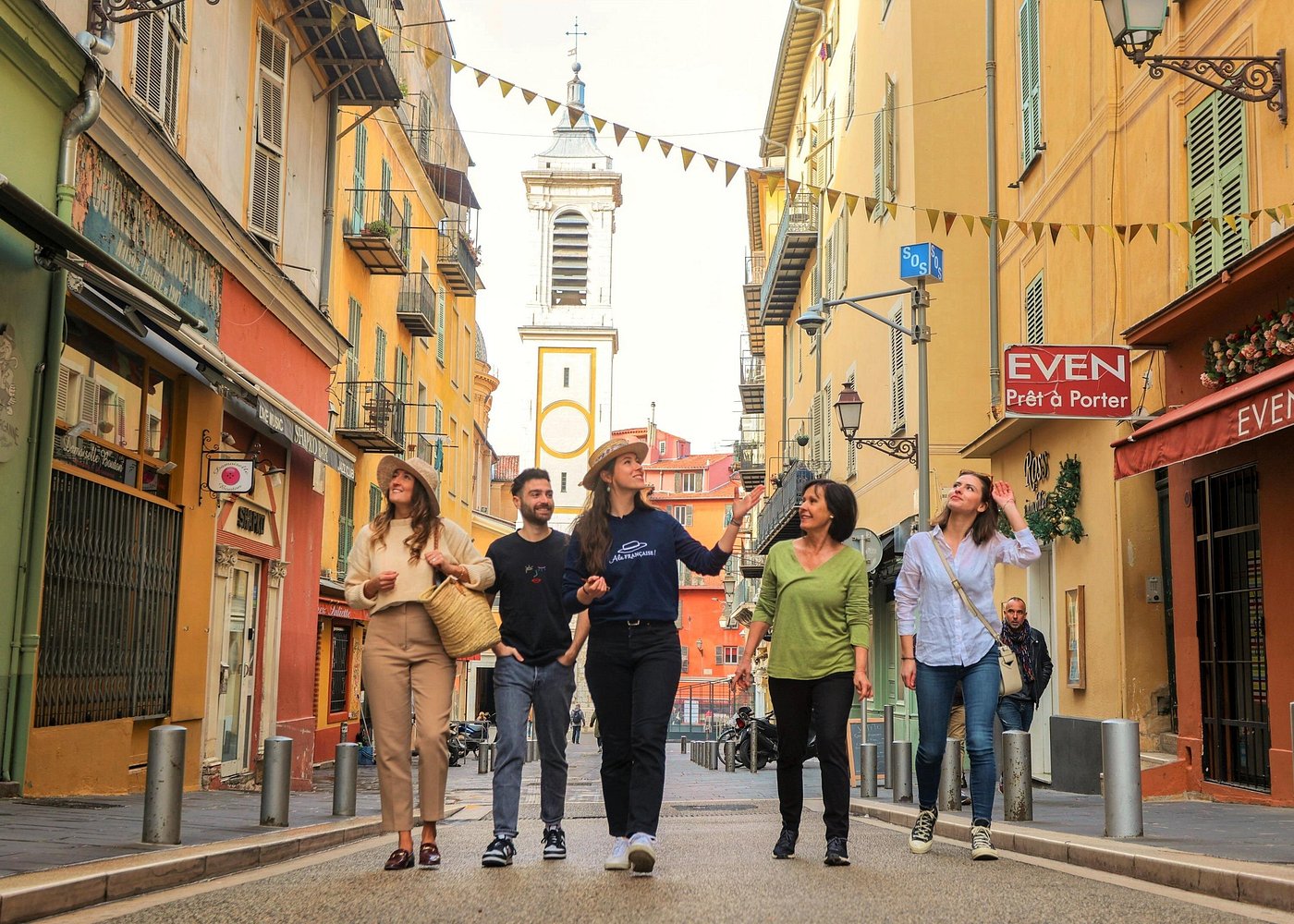
Nice is the finest base on the French Riviera — large enough to have genuine city life, small enough to walk everywhere, and positioned perfectly for day trips to Monaco, Cannes, Antibes, and Èze. The old town (Vieux-Nice) is a grid of Italian Baroque architecture — Nice was part of the Kingdom of Sardinia until 1860 — painted in terracotta, ochre, and rose, with alleyways that open unexpectedly onto fountains and piazzas. The Cours Saleya flower and food market runs every morning except Monday (when it becomes an antique market) and is one of the finest markets in France: socca (chickpea flatbread, the Niçoise street food), tapenade, fresh pasta, and flowers stacked four feet high.
The Promenade des Anglais — the 7km seafront boulevard built by the English community in the 19th century — is best walked in the early morning before the sun is high, ending with a swim from the pebble beach at the Bains Militaires or the private beaches at the eastern end near the port. The Mediterranean here is the colour blue that photographs rarely capture accurately: a deep, luminous cobalt that shifts to turquoise in the shallows.
Èze — The Most Beautiful Village on the Riviera
🏡 Perched Village · Unmissable
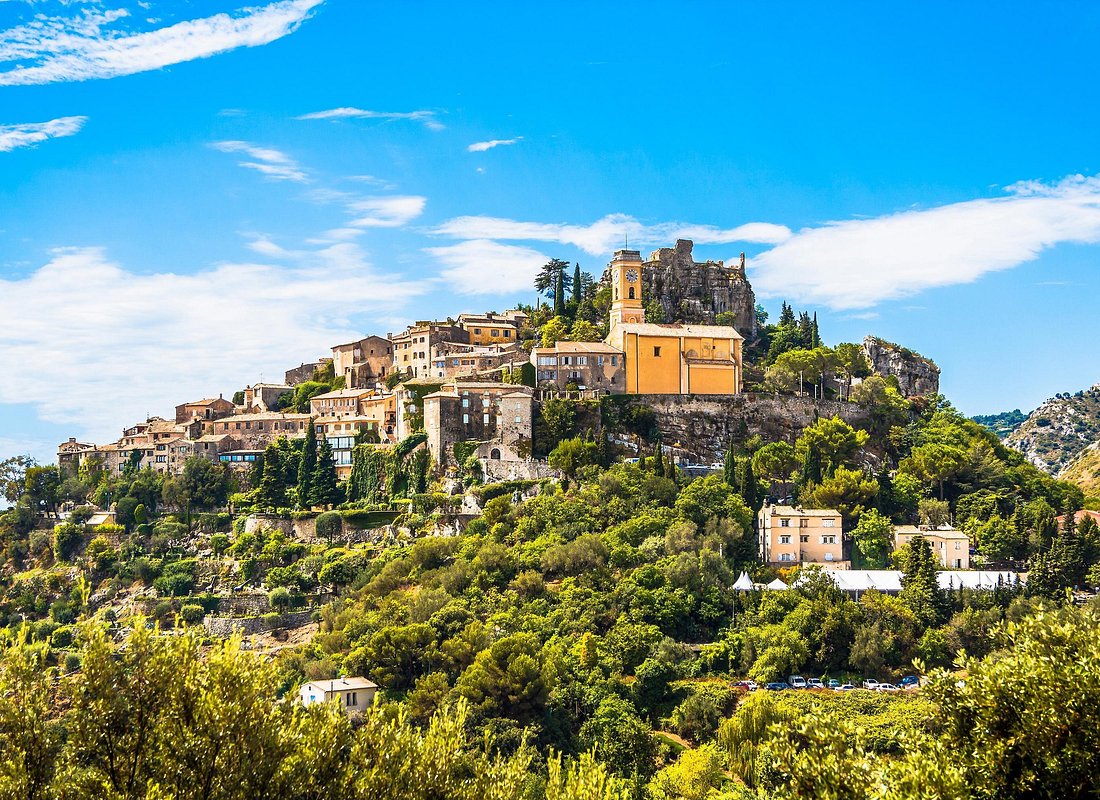
Èze sits on a needle of rock 427 metres above the Mediterranean, its medieval stone houses clustered around a ruined castle on what looks architecturally like an improbable combination of a fortress and a garden. The views from the village down to the sea — the coastline curving towards Monaco and Cap Ferrat visible on clear days — are among the most spectacular coastal panoramas in Europe. Nietzsche famously walked from Nice to Èze regularly and claimed the village inspired part of Thus Spoke Zarathustra; the footpath he used still exists, descending steeply through pines and olive trees to the beach below.
Arrive by the first bus from Nice (departing around 9am) or by taxi to beat the day-trip crowds that arrive mid-morning. The Jardin Exotique at the summit of the village (built in the ruins of the castle) is planted with cacti and succulents that frame the Mediterranean views and is worth the €6 entry. The village has two excellent restaurants — Château Eza for a memorable (expensive) lunch, or Nid d'Aigle for simpler Provençal food with the same extraordinary view.
Cannes Day Trip — La Croisette, the Old Port & the Île Sainte-Honorat
🎬 French Riviera · Perfect Day Trip from Nice
Cannes is best known for its film festival, which happens in May — but the city is genuinely beautiful in any month and makes an excellent day trip from Nice (30 minutes by train). La Croisette, the famous boulevard along the seafront, is lined with palace hotels (the Carlton, the Martinez, the Majestic) and private beach clubs, and has a particular quality of self-conscious glamour that is very specifically French Riviera. The old town (Le Suquet) behind the port is far less visited and far more authentic — a steep hill of Provençal streets leading to a 12th century watchtower and views over the bay.
The Île Sainte-Honorat, one of the two Lérins Islands visible from Cannes bay, is one of the most unusual places on the Riviera — a functioning Cistercian monastery on a tiny island 20 minutes by ferry, where monks have made wine since the 5th century. The monastery vineyard produces around 50,000 bottles annually, and the monks sell it directly. Spending an afternoon on the island — swimming in the clear sea, tasting wine from an 1,500-year-old monastery, watching the mainland recede — is one of the great Riviera days.
🏨 Where to Stay — Nice
France Trip FAQs
What is the best France itinerary for first-time visitors? +
The best 9-night France itinerary covers three distinct regions: Paris (Days 1–3) for the Louvre, Montmartre, and dawn cycling along the Seine; Chamonix & the French Alps (Days 4–6) for the Aiguille du Midi, the Vallée Blanche, and mountain village evenings; and Nice & the French Riviera (Days 7–9) for Vieux-Nice, Èze, and a day trip to Cannes and the Lérins Islands.
What is the best time to visit France? +
April–June and September–October are the best windows — warm, manageable crowds, and lower prices than peak summer. Chamonix is excellent June–October for e-biking and hiking. The French Riviera is excellent April–June and September–October; July and August are beautiful but crowded and expensive. Avoid Paris in August — half the city closes.
How do you get from Paris to Chamonix and Nice by train? +
Paris to Chamonix: TGV from Paris Gare de Lyon to Saint-Gervais (~4.5 hours), then Mont Blanc Express mountain railway into Chamonix (~40 minutes). Total ~5.5 hours. Chamonix to Nice: train via Geneva or Lyon, approximately 5–6 hours. Book all trains via sncf-connect.com 4–6 weeks ahead for best prices.
Do you need to be fit to electric mountain bike in Chamonix? +
No — that's the point of the electric assist. The motor handles the significant elevation gain that defines Alpine terrain, making trails accessible to almost any fitness level. You still get a genuine outdoor experience in extraordinary scenery, without needing to be a trained cyclist. Guided options are available for those who want route recommendations and local knowledge. E-MTB season runs June–October.
What is the best base for the French Riviera — Nice, Cannes, or Monaco? +
Nice is the best base by far — it has the best old town, the finest daily market, the most authentic restaurant scene, and excellent train connections to Cannes (30 min), Antibes (20 min), Monaco (25 min), and Menton (40 min). Cannes is more expensive and has less going on outside festival season. Monaco is a day trip, not a base.
Language: Learn five words — bonjour, merci, s'il vous plaît, excusez-moi, pardon. Parisians respond dramatically better to any attempt at French, however brief. In the Alps and Riviera, English is widely spoken.
Trains: France's TGV network is excellent and far preferable to flying between cities. Book via sncf-connect.com 4–6 weeks ahead for best prices. First class is often only €10–15 more and worth it on long journeys.
Paris Museum Pass: If visiting the Louvre, Musée d'Orsay, Versailles, and other major sites, the 2-day (€55) or 4-day (€75) Paris Museum Pass saves significant money and allows skip-the-queue entry.
Money: France uses the Euro. Paris and the Riviera are expensive — budget €100–150/day for food, activities, and local transport excluding accommodation. Chamonix is similarly priced in peak ski season.
Visas: US, UK, Canadian, and Australian passport holders can visit France visa-free for up to 90 days. An ETIAS travel authorisation may be required from 2025 — check current requirements before travel.


