🇬🇷
Greece
The Best Greece Itinerary — Athens, Santorini & Milos
Duration
9 days
Best Time
May–Jun or Sep
Daily Budget
$120–300
Difficulty
Easy
The Best Greece Itinerary — Athens, Santorini & Milos
This is the best Greece itinerary for first-time visitors — three nights in Athens for the Acropolis, the Parthenon, and the finest open-air cinema in Europe; three nights in Santorini for ATV rides around the volcanic coast, horseback riding on black sand beaches, and Oia at sunrise before the crowds arrive; and three nights in Milos for cliff jumping, snorkelling the sea caves, and one of the most beautiful islands in the Aegean.
Whether you're planning a 9-day Greece itinerary, a 2-week island-hopping route, or just figuring out the Athens to Santorini to Milos routing — this guide covers every experience, hotel, and ferry connection you need. The Athens itinerary alone (Acropolis at sunrise + Cine Paris) justifies the flight. The Santorini itinerary adds the iconic caldera. And the Milos section covers what most Greece travel guides don't bother with at all.
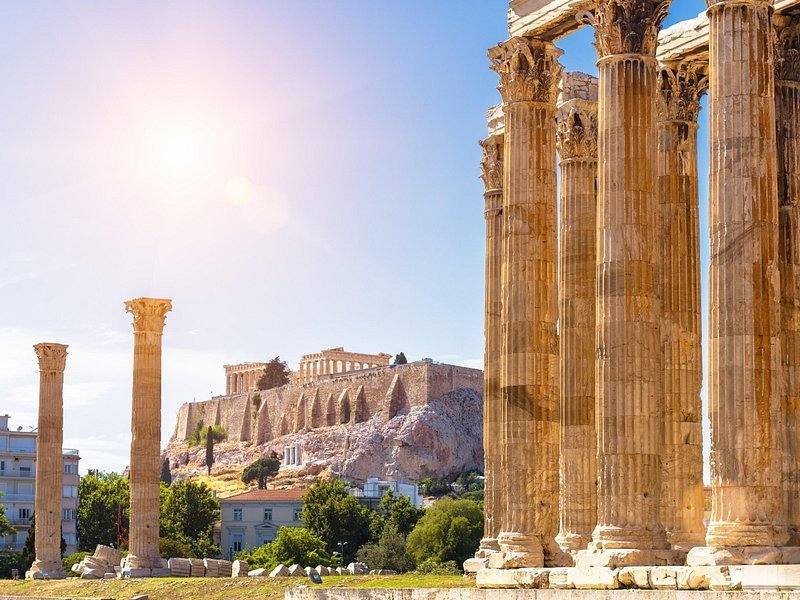
The Acropolis is the most important ancient site in the Western world — a 5th century BC complex of temples built on a limestone outcrop above Athens that has defined European civilisation's visual imagination for 2,500 years. The Parthenon, dedicated to Athena, is the centrepiece: 46 Doric columns supporting a marble structure built to such precise tolerances that its apparently straight lines are actually subtly curved to counteract optical distortion at scale. It is a work of extraordinary precision and extraordinary beauty.
Go on a first-entry tour before the site opens to general admission. The Acropolis at 7am — before the 10,000 daily visitors arrive — is a completely different experience from the 11am version. The city below is quiet. The light is extraordinary. You can stand in front of the Parthenon without being surrounded by a crowd 50 deep. Book a guided tour specifically for the sunrise slot; the historical context transforms the experience.
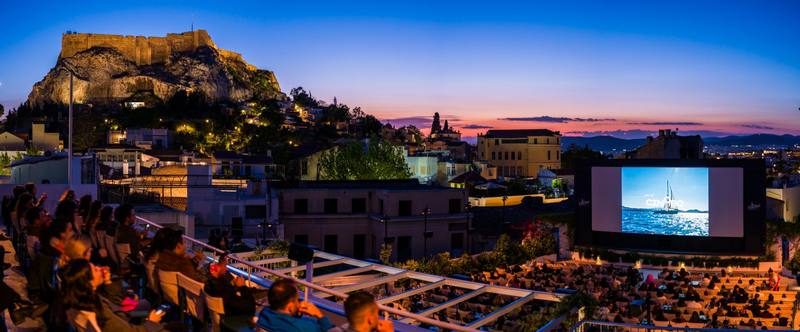
Cine Paris in Monastiraki is one of the finest cinema experiences on Earth — a rooftop open-air screen in the Plaka neighbourhood with the Acropolis lit up directly behind it. Order a beer and a toasted sandwich, take your seat, and watch a film with the Parthenon glowing 2,500 years old against the night sky over the right shoulder of the screen. The films are usually shown in their original language with Greek subtitles. The atmosphere is completely irreplaceable.
Athens has a long tradition of open-air cinema (theirini cinema) that dates back to the 1910s — there are dozens across the city, but Cine Paris has the most extraordinary setting. The season runs from approximately May through October. Check the schedule at more.com and go on your second or third evening in Athens — you'll want to have already seen the Acropolis in daylight before you watch it glow in the dark.
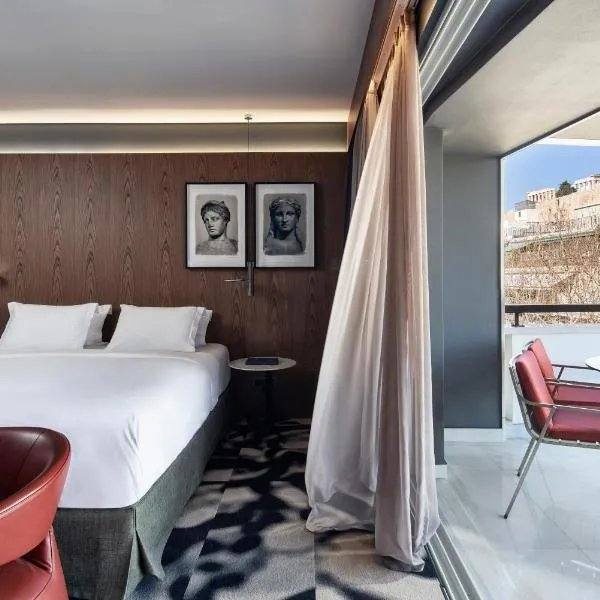
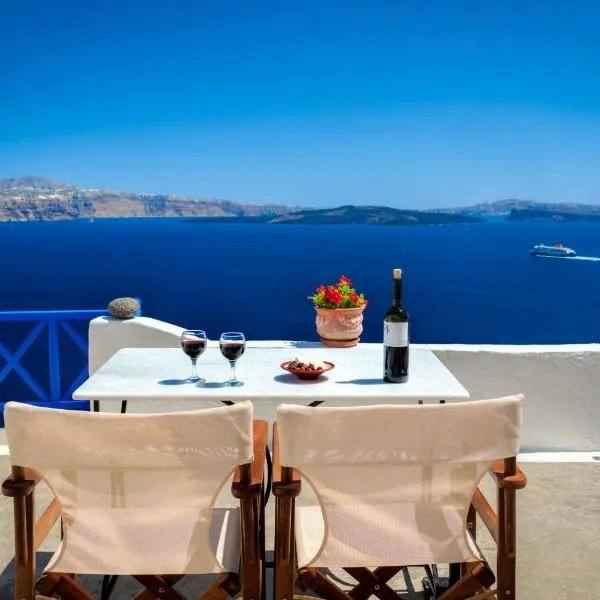
Oia is one of the most photographed villages in the world — and at 6am it belongs entirely to you. Set your alarm for 5:30am and walk out into the village before the day visitors arrive. The blue domes, the whitewashed lanes, the caldera views, the windmill at the edge of the cliff — every spot that is completely inaccessible at sunset, when hundreds of people compete for position, is entirely yours in the early morning. The light at dawn is warmer and more extraordinary than the famous sunset anyway.
Walk the main lane from the castle end to the blue-domed church at the far point. Sit at the edge of the caldera with a coffee from one of the few places that opens early. Watch the light change on the volcanic cliffs across the water. Go back to bed. Do it again the next morning. It is the finest free experience Santorini offers and most people never do it because the alarm feels impossible. It is worth the alarm every single time.
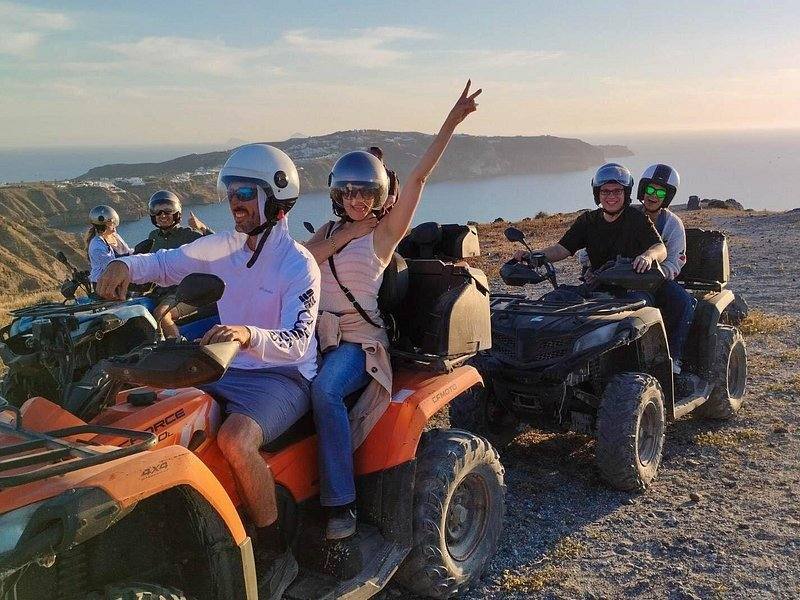
Santorini's volcanic coastline is extraordinary and largely inaccessible by the tour buses that clog the main roads between Fira and Oia. An ATV changes this completely. Rent one in Fira and spend the day covering the dramatic southern coast — the volcanic black sand of Perissa and Perivolos, the towering red cliffs of the Red Beach, the ancient Akrotiri ruins, hidden sea caves along the base of the cliffs, and clifftop villages that the group tours never reach. The freedom to stop wherever you want, whenever you want, is the whole point.
The volcanic landscape is unlike anywhere else in Greece — black and ochre rock against deep blue water, with the caldera visible from almost every high point. The ride from Fira to the southern tip and back takes about 4 hours at a relaxed pace with stops; extend it into a full day with lunch at a Perissa beach taverna.
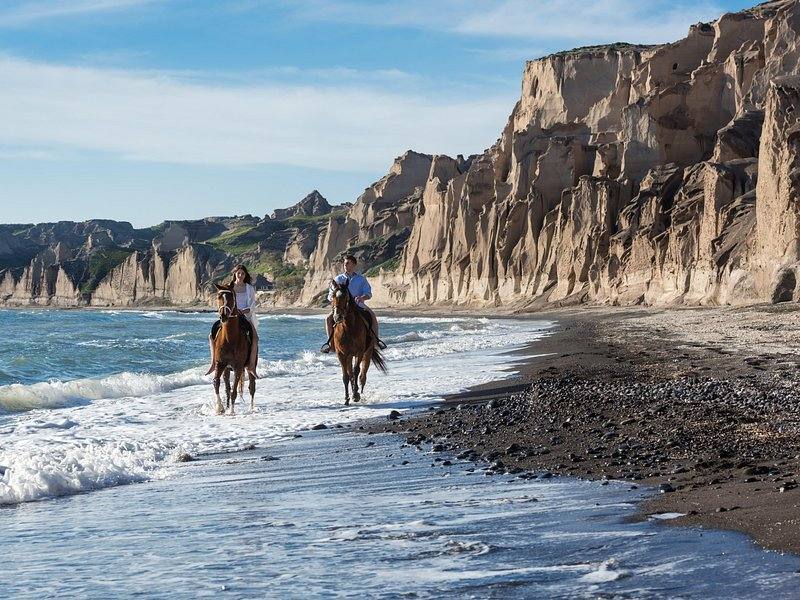
Galloping along Santorini's black volcanic sand beaches with the ancient cliffs of Mesa Vouno rising directly behind you is one of the most cinematic rides in the world — the contrast of the black sand, the white sea foam, and the volcanic rock produces something that looks genuinely composed rather than found. The horses are well-trained, the guides are experienced with all levels including first-time riders, and the beach at Perissa stretches far enough that you can actually get some speed going.
Morning rides are recommended — the light is better, the beach is quieter, and the horses are fresher. Tours typically cover both Perissa and Perivolos beaches, with the option to ride up to the base of the cliff for a different perspective on the caldera above.
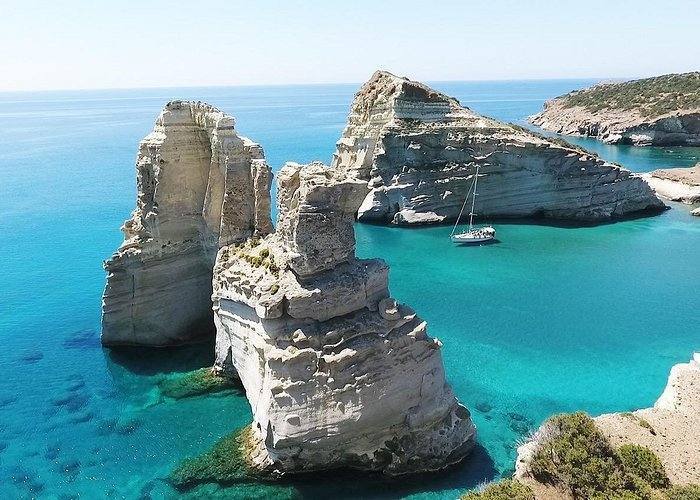
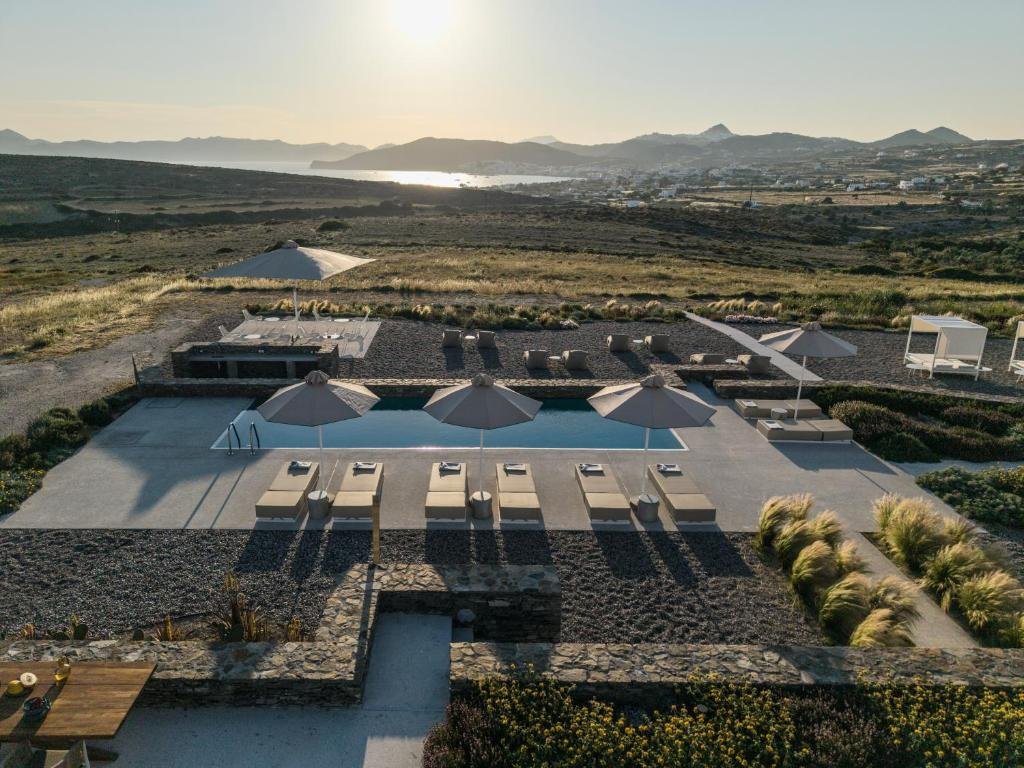
The sea caves at Kleftiko on Milos's southern coast are accessible only by boat — sheer volcanic cliffs dropping into cathedral-like formations of white rock, with arches, tunnels, and caves that the Aegean has carved over millennia. The water inside the caves is an extraordinary turquoise clarity. You snorkel through cave systems with light filtering from above, climb the rocks between swims, and jump from cliffs into water so clear you can see the bottom from ten metres up.
Sykia cave — the cathedral cave — has a collapsed ceiling that lets a shaft of light pour straight down into the water below. Swimming inside it, with the light column moving on the surface above you, is one of the finest things you can do in the Greek islands. The boat tour also stops at the white lunar landscape of Sarakiniko beach in Milos — arguably the most alien-looking beach in Europe, a moonscape of white volcanic rock meeting the Aegean — and at the coloured rocks of Papafragas for more swimming and snorkelling. This is the Milos Greece experience that no one who comes here regrets.