✈ TheCantMiss Take
Japan operates at a level of precision, beauty, and consideration for the visitor that no other destination matches. The trains run on time to the second. The food, at every price point from a ¥500 ramen stall to a ¥50,000 kaiseki dinner, is extraordinary. And the contrast between Tokyo's kinetic modernity and Kyoto's preserved 1,000-year stillness — with Mt. Fuji in between — produces the most complete single-country travel experience available anywhere.
This is the best Japan itinerary for first-time visitors — Tokyo for Mario Kart, Tsukiji sushi, and Shibuya Crossing; Mt. Fuji for the overnight summit hike and Goraiko sunrise; and Kyoto for cherry blossom hanami and a traditional tea ceremony in Higashiyama. Nine days, three places, the full arc of Japan.
🗼
Tokyo
Fly into Narita (NRT) or Haneda (HND) · Shibuya Crossing · Senso-ji at dawn · Tsukiji at 5am · Mario Kart through Akihabara
Days 1–4
🎫 Tokyo Experiences
🎫 Powered by Viator · Affiliate links support this site
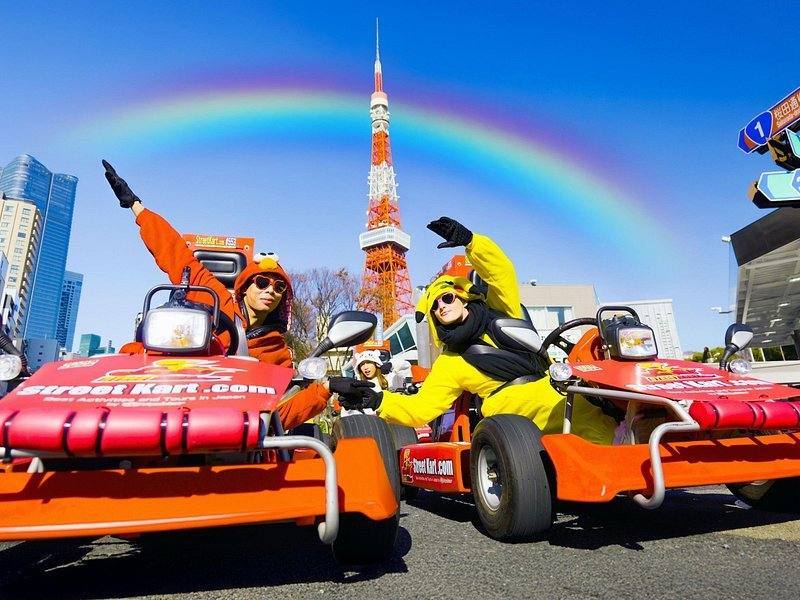
You dress as your favourite Nintendo character — Mario, Luigi, Princess Peach, Bowser — and then you drive a real go-kart through the actual streets of Tokyo. Not a track. Not a closed circuit. The actual streets of Shibuya and Akihabara, with traffic lights and pedestrian crossings and Tokyo's 14 million residents watching you drive past in a Toad costume at 40km/h. It is completely surreal, completely Japanese, and there is genuinely nothing else like it anywhere on Earth.
Tours operate from multiple starting points around central Tokyo, with the most popular routes passing through Akihabara (electronics and anime district), Odaiba (futuristic waterfront island), and Shibuya. Costumes are provided. You need a valid international driving licence — bring both your home country licence and the IDP translation.
Requirement
Int'l driving licence
Best Time
Evenings / weekends
⭐ Why It's Worth It
Racing a go-kart through Akihabara in a Nintendo costume while neon lights blur past you is one of those experiences that sounds ridiculous until you're doing it, at which point it becomes one of the greatest things you've ever done. Absolutely unmissable.
Book Tour →
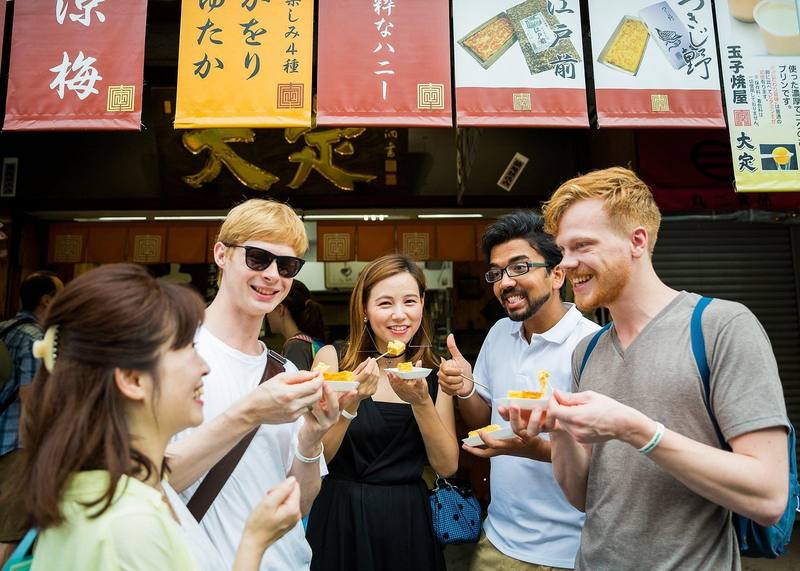
The Tsukiji Outer Market opens around 5am and remains the best place in the world to eat breakfast. Show up before 6am, find a counter with 8 seats and a chef who has been doing this for 40 years, and eat the best sushi you've ever had for about $25. The inner market (the famous tuna auction) moved to Toyosu in 2018, but the outer market stayed — a dense network of tiny stalls, counter restaurants, and wholesale dealers that has been feeding Tokyo since 1935.
The atmosphere before dawn is extraordinary — chefs collecting fish directly from stalls, the smell of charcoal and soy sauce, steam from tamagoyaki pans, the sound of knife on cutting board at 5:30am while the rest of Tokyo sleeps. Bring cash. Arrive early or queue.
⭐ Why It's Worth It
Setting an alarm for 4:30am in Tokyo feels like a bad idea until you're sitting at an 8-seat counter at 5:45am eating tuna that was swimming yesterday, while the chef moves through the cuts with a knife that cost more than your flight. There's no better food experience in Japan.
Book Tour →
🏨 Where to Stay — Tokyo
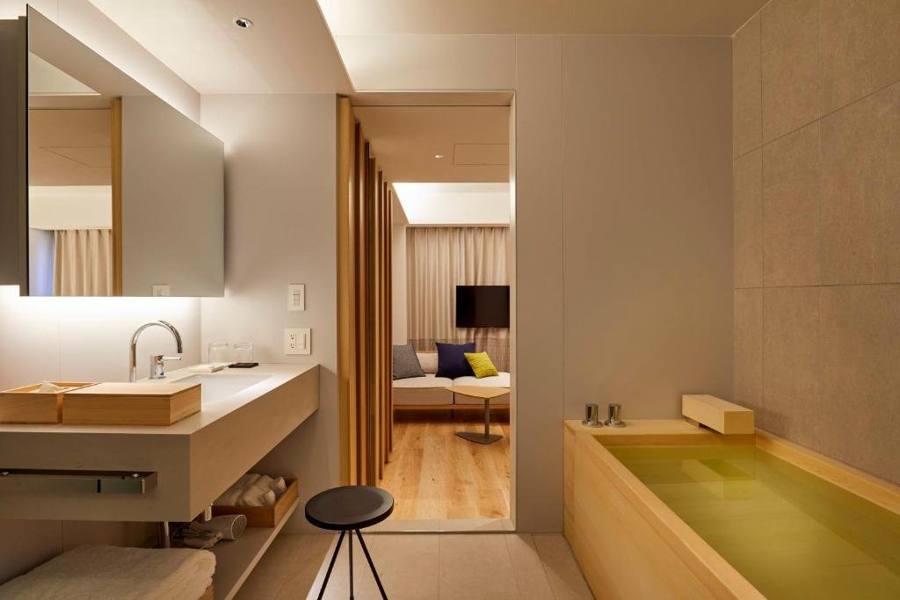
TSUKI Tokyo, Tsukiji
⭐⭐⭐⭐ · ~$180–280/night
31-room minimalist boutique tucked between Tsukiji Market and Ginza — blonde wood rooms, sake bar, handpicked by AFAR. Walk to the market at 5am in under 2 minutes.
Book on Booking.com →
🚄
Tokyo → Mt. Fuji (Hakone)
Shinkansen from Tokyo to Odawara (35 min, ~¥4,000), then Hakone Tozan Railway to Hakone-Yumoto (15 min). Or take the direct Romance Car express from Shinjuku to Hakone-Yumoto (85 min, ~¥2,500). The Hakone Free Pass covers all local transport including the ropeway and Lake Ashi cruise.
🗻
Mt. Fuji — Overnight Summit Hike
Base at Hakone · Hike from 5th Station · Summit at 3,776m · Goraiko sunrise above the clouds
Day 5
🎫 Mt. Fuji Experience
🎫 Powered by Viator · Affiliate links support this site
Japan's most iconic image — the perfect white cone rising above the clouds — is also one of its most achievable high-altitude hikes. Mt. Fuji stands at 3,776 metres and is climbed by around 200,000 people each year during the official season (July to mid-September). The standard overnight route from the Yoshida 5th Station takes 5–7 hours to ascend and 3–4 hours to descend, with mountain huts open for rest and food along the way.
The reason most people climb overnight is Goraiko — the Japanese word for the sunrise seen from the summit. Standing above the clouds at 3,776m as the first light turns the Pacific coast amber below you is one of the most transcendent moments Japan offers. The summit crater walk takes about 90 minutes and passes the actual highest point, Kengamine. Bring proper hiking gear, layers, and rain protection — temperatures at the summit drop to near-freezing even in summer.
⭐ Why It's Worth It
Goraiko — watching the sun rise from above the clouds at the summit of Japan's sacred mountain — is one of those experiences that genuinely earns the effort. The overnight hike is hard and the summit is cold and crowded, but the moment the sun breaks the horizon and the whole Pacific coast lights up below you, none of that matters.
Book Tour →
🏨 Where to Stay — Hakone (Mt. Fuji Base)

Ryokan with Onsen — Hakone
⭐⭐⭐⭐ · ~$200–400/night (incl. dinner & breakfast)
A traditional ryokan with private open-air hot spring bath and Mt. Fuji views across Lake Ashi — tatami floors, futon bedding, yukata robes, and a kaiseki dinner of 8–12 courses served in your room. The onsen at dawn, with steam rising and Fuji faintly visible, is one of Japan's finest moments.
Search Hakone Ryokan →
🚄
Hakone → Kyoto
Shinkansen from Odawara to Kyoto (75 min, ~¥7,000 on the Hikari). One of the great train journeys in the world — on clear days Mt. Fuji is visible from the right-hand windows between Shin-Fuji and Mishima stations. Sit on the right side (seats A/B) heading west.
⛩️
Kyoto
Fushimi Inari at sunrise · Arashiyama bamboo grove · Gion geisha district · Cherry blossom hanami · Tea ceremony in Higashiyama
Days 6–9
🎫 Kyoto Experiences
🎫 Powered by Viator · Affiliate links support this site
Hanami — the Japanese tradition of gathering under cherry blossom trees to eat, drink, and celebrate spring — reaches its peak form in Kyoto. Maruyama Park, the Philosopher's Path, and the grounds of Kiyomizudera are the most famous spots. Peak bloom typically lasts 7–10 days in late March to early April, with the exact timing varying by year. The density of temples, shrines, and traditional wooden architecture provides the perfect backdrop for the pale pink bloom.
A guided hanami experience adds the cultural context that transforms it from a pretty photo into something genuinely meaningful — the tradition of seasonal appreciation, the philosophical acceptance of transience (mono no aware), and the specific vocabulary the Japanese have developed around the different stages of bloom. The week of full bloom is extraordinary; the week after, when the petals fall like pink snow, is arguably more beautiful.
Best Spots
Maruyama, Philosopher's Path
Book Ahead
Months in advance
⭐ Why It's Worth It
Cherry blossom season in Kyoto fully lives up to its reputation. The crowds are real and the logistics require planning, but sitting under a full-bloom sakura tree in the garden of a 400-year-old temple as the petals drift down is an experience that doesn't translate into words or photographs. Plan months ahead and go.
Book Tour →
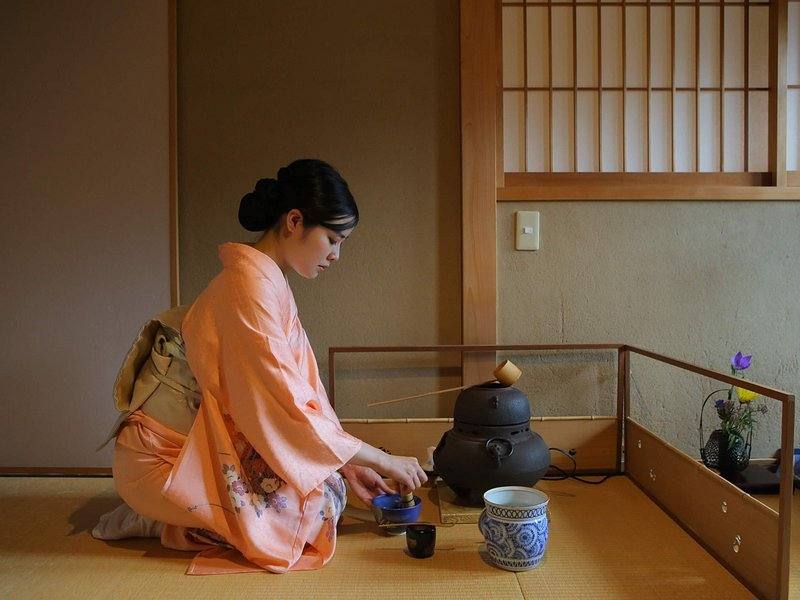
Chado — the way of tea — is one of Japan's most complete cultural practices: an art form, a philosophy, and a physical ritual compressed into 45 minutes in a tatami room. An authentic tea ceremony in Higashiyama, steps from Kiyomizudera temple, involves a trained host who has spent years studying the precise sequence of movements — the folding of the fukusa cloth, the warming of the bowl, the three-and-a-half rotations of the whisk — that transforms the preparation of matcha into a meditation on presence and transience.
You make your own tea, learn the etiquette of receiving and drinking, and eat a wagashi sweet chosen to complement the bitterness of the matcha. In a 16th-century machiya townhouse, with the sound of the city muffled by shoji screens, it produces a stillness that Kyoto specialises in and nowhere else quite replicates.
Location
Higashiyama, Kyoto
⭐ Why It's Worth It
A tea ceremony in Kyoto is one of those experiences that sounds like a tourist box-tick until you're actually in it — sitting in a quiet tatami room while someone who has spent a decade learning this performs it with absolute precision. The stillness it produces is genuinely rare. Worth an hour of anyone's Kyoto itinerary.
Book Tour →
🏨 Where to Stay — Kyoto
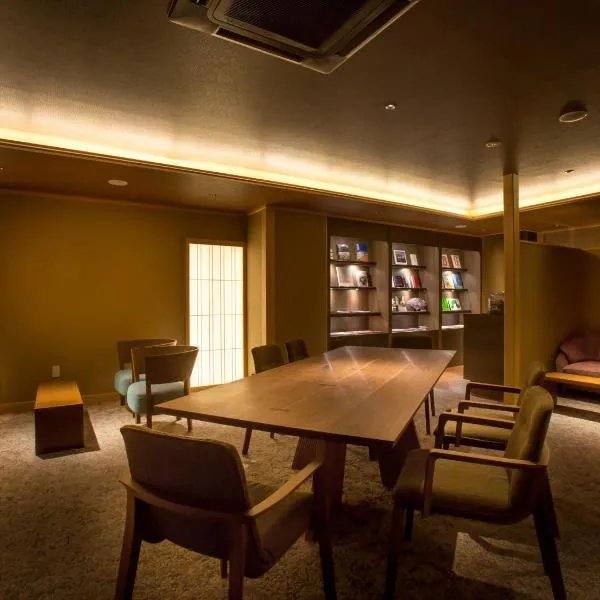
Saka Hotel Kyoto, Higashiyama
⭐⭐⭐⭐ · ~$200–350/night
38-room ryokan-style boutique steps from Kiyomizudera — tatami rooms, sake cypress baths, city views from the rooftop. Rated 9.4 by couples on Booking.com. Walk to the tea ceremony and Fushimi Inari before the crowds arrive.
Book on Booking.com →
🗺️ Japan Practical Tips
Getting around: Buy a Japan Rail Pass before you leave home — it saves significantly on Shinkansen between cities. IC cards (Suica or Pasmo) work on all local trains and buses and can be loaded at any station.
Cash: Japan is still largely cash-based outside major hotels. Carry yen at all times — convenience store ATMs (7-Eleven, Lawson) accept foreign cards.
Cherry blossom timing: Book accommodation 3–4 months ahead of the expected bloom window. Follow the Japan Meteorological Corporation sakura forecast from January. When it solidifies, hotel availability in Kyoto vanishes within days.
Mt. Fuji season: The official climbing season is July to mid-September only. Outside this window the mountain huts are closed and conditions are dangerous. A trail fee (~¥2,000) is collected at the trailhead.
Tipping: Not done in Japan and can cause offence. The service is exceptional everywhere — it is simply included.