🇰🇪
Kenya
The Great Migration, Gorges & Swahili Coast
Duration
12 days
Best Time
Jul–Oct (migration) or Jan–Feb
Daily Budget
$150–350
Difficulty
Easy
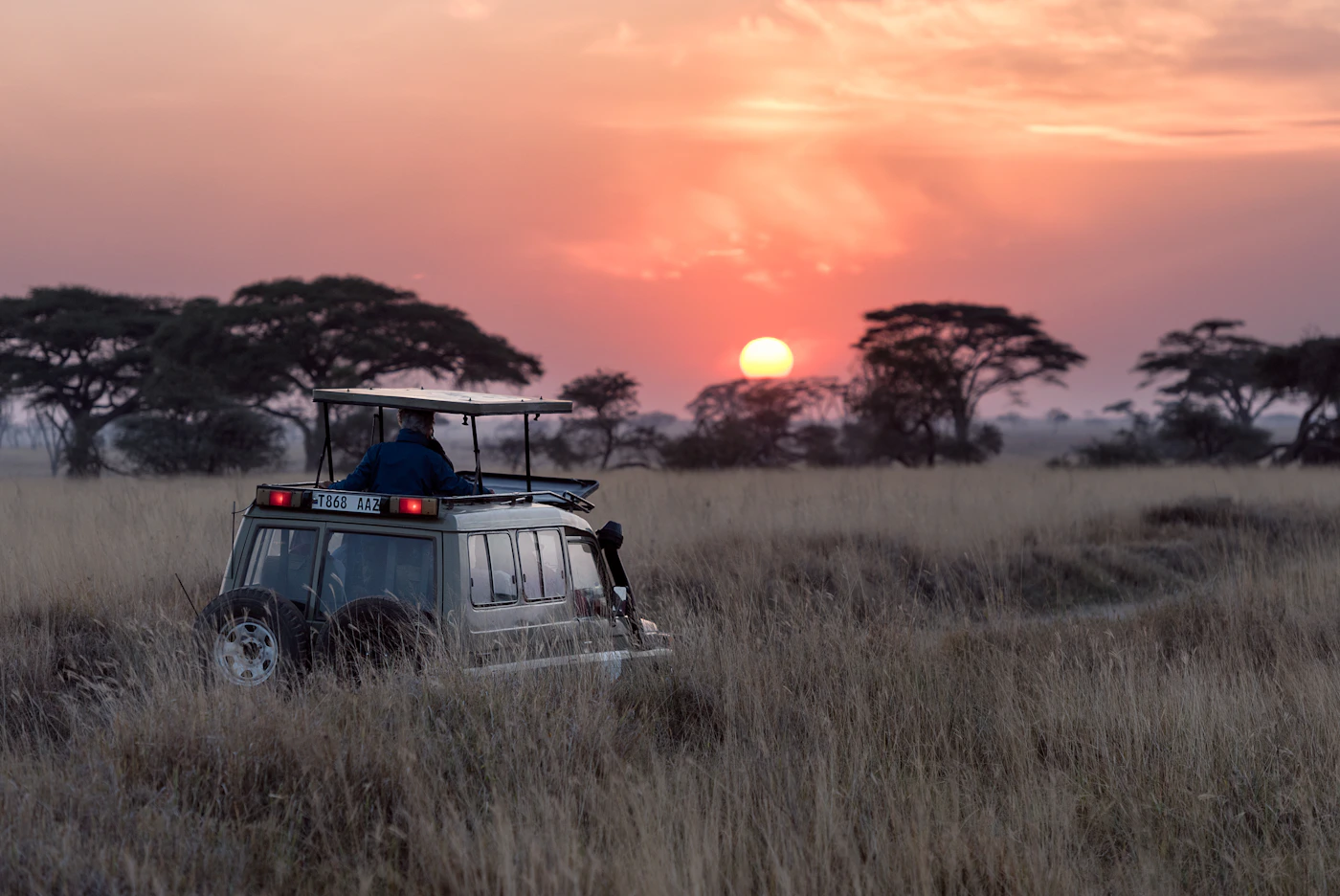
Kenya is where the idea of the safari was invented, and it remains — despite decades of competition from neighbouring Tanzania, Botswana, and Rwanda — the most complete safari destination in Africa. The Masai Mara alone is one of the world's greatest wildlife spectacles in any season, but between July and October, when the Great Wildebeest Migration flows north from Tanzania's Serengeti, it becomes something beyond ordinary superlatives. Two million animals moving across the plains, with the Mara River crossings — hundreds of thousands of wildebeest launching themselves into crocodile-filled water — representing one of the rawest and most extraordinary things a human being can witness.
The private conservancies surrounding the Mara — Olare Motorogi, Naboisho, Mara North — offer something the main reserve cannot: night drives, walking safaris, and a fraction of the vehicles per sighting. The experience of tracking a pride of lions on foot with a Maasai guide, or watching a leopard from a vehicle with no other cars in sight, belongs to a different category than the crowded spectacle at peak season in the reserve itself. The conservancies cost more but deliver immeasurably more.
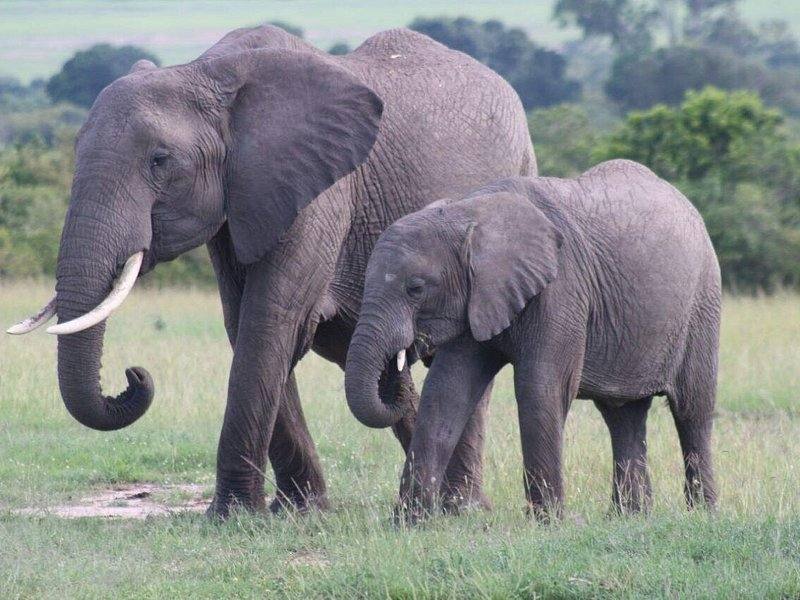
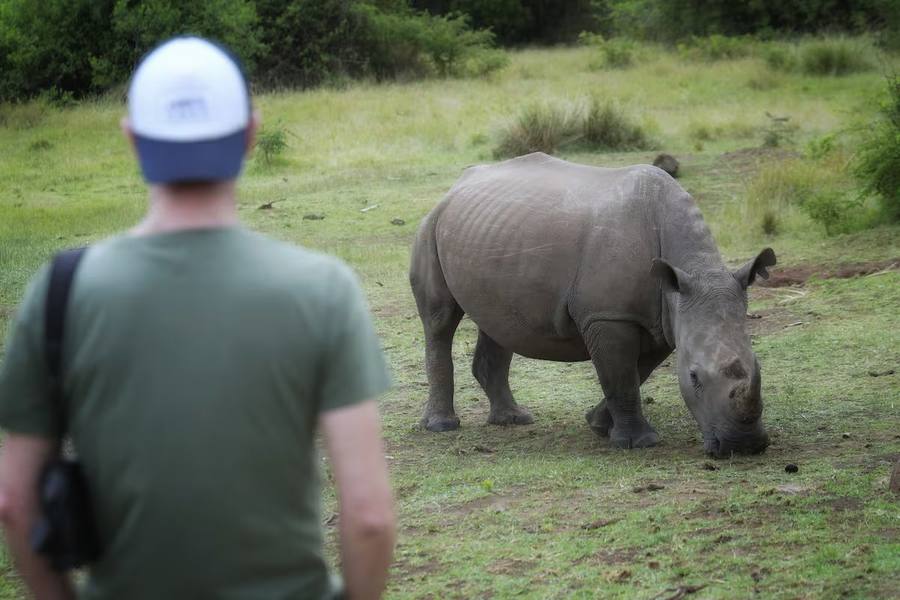
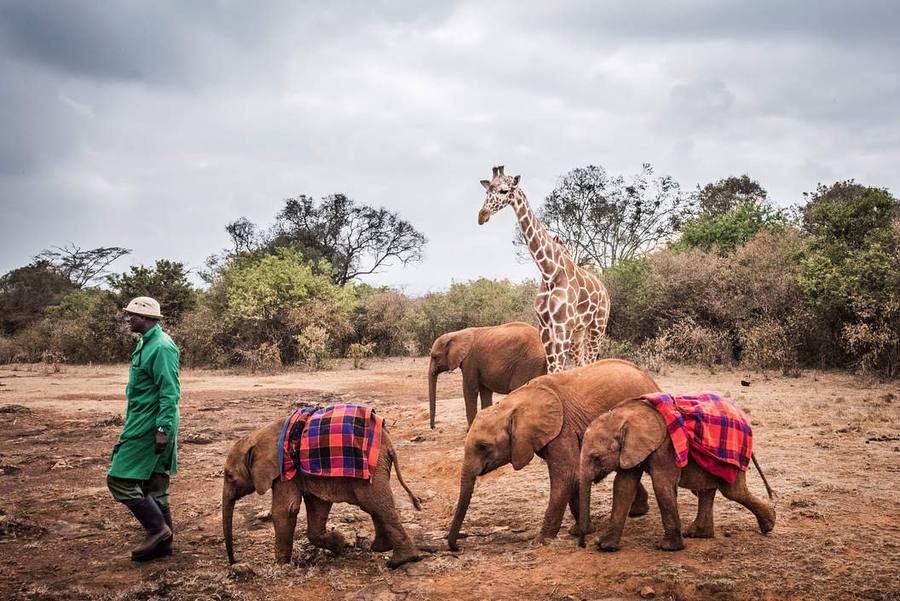
Amboseli National Park offers something the Mara cannot: elephant herds moving across open floodplains with Mt Kilimanjaro filling the sky behind them in the early morning light, before the clouds build. The elephant families here are among the most habituated and closely studied in Africa — encounters are intimate and unhurried. Ol Pejeta Conservancy near Nanyuki is home to the last two northern white rhinos on Earth, alongside the highest density of black rhinos in East Africa, and allows walking safaris that bring you within remarkable proximity to these animals.
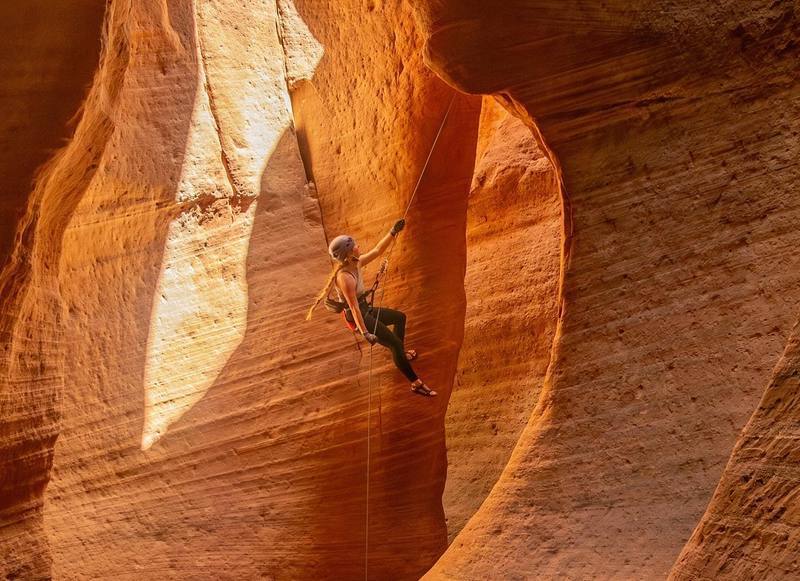
Hell's Gate National Park, two hours from Nairobi, is unlike any other park in Africa — you can cycle and hike unguided through dramatic gorges carved by ancient geothermal activity, past geysers and hot springs, with zebra and giraffe grazing alongside the road. The Maasai cultural experience — spending time with a manyatta village, walking the savannah with warriors who can name every plant and read every track — adds a dimension to Kenya that no game drive alone provides.
Best time to visit: July through October for the Great Migration river crossings and peak wildlife density in the Mara — also the most expensive and crowded window. January through March is the second dry season — excellent game viewing, far fewer visitors, lower rates, and a greener landscape. April through June is the long rains — fewer safaris run but prices drop significantly and some lodges close. The dry seasons (Jan–Mar and Jul–Oct) offer the best wildlife visibility as animals concentrate around water.
Getting around: Most safari operators include transfers in packages — small charter flights between Nairobi's Wilson Airport and bush airstrips are the standard way to reach the Mara, Amboseli, and Samburu, saving 4–6 hours of rough road driving each way. Self-drive is possible in some parks but not recommended in the Mara. Book your safari through a reputable operator — KATO (Kenya Association of Tour Operators) lists licensed members. Yellow fever vaccination and malaria prophylaxis are strongly advised.
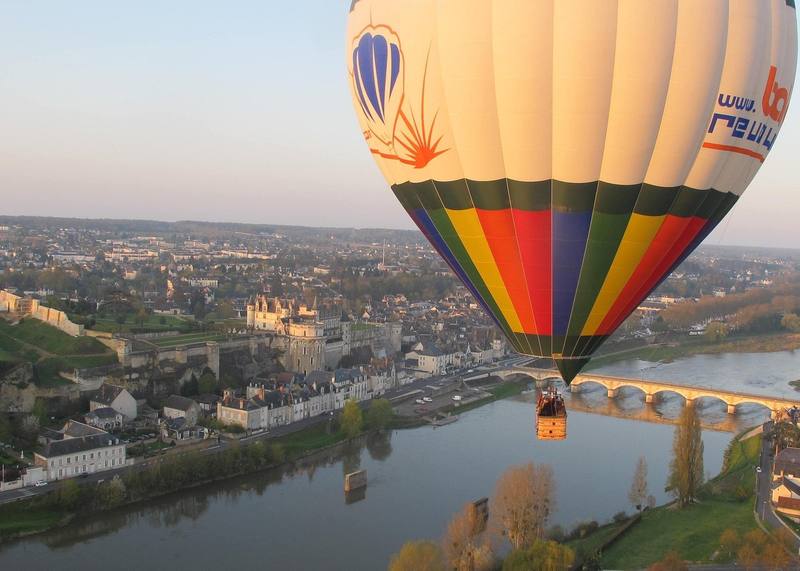
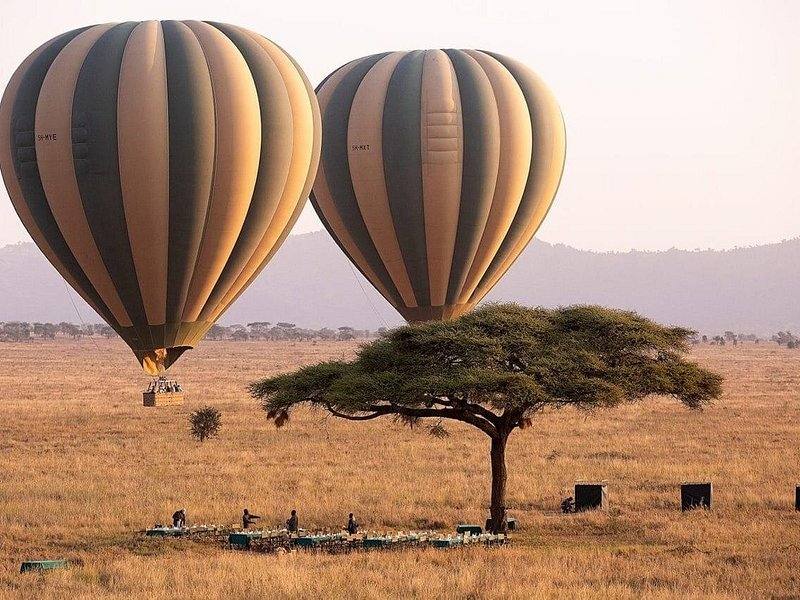
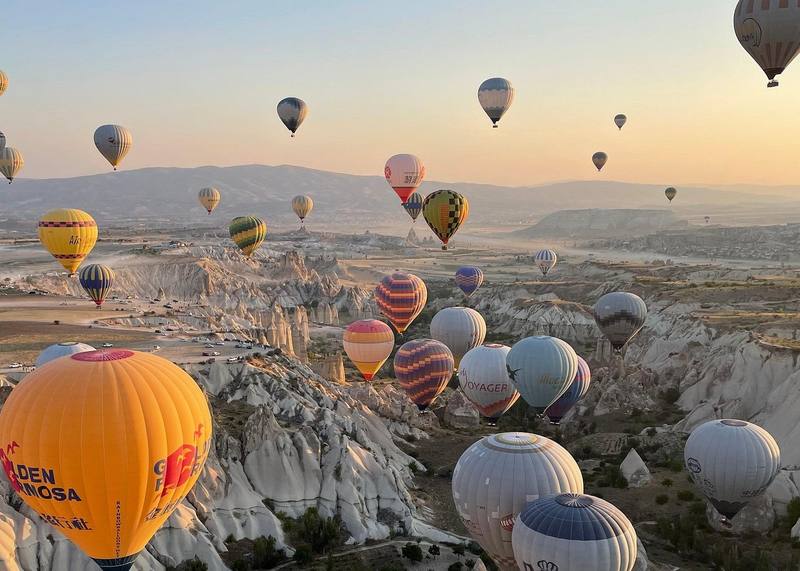
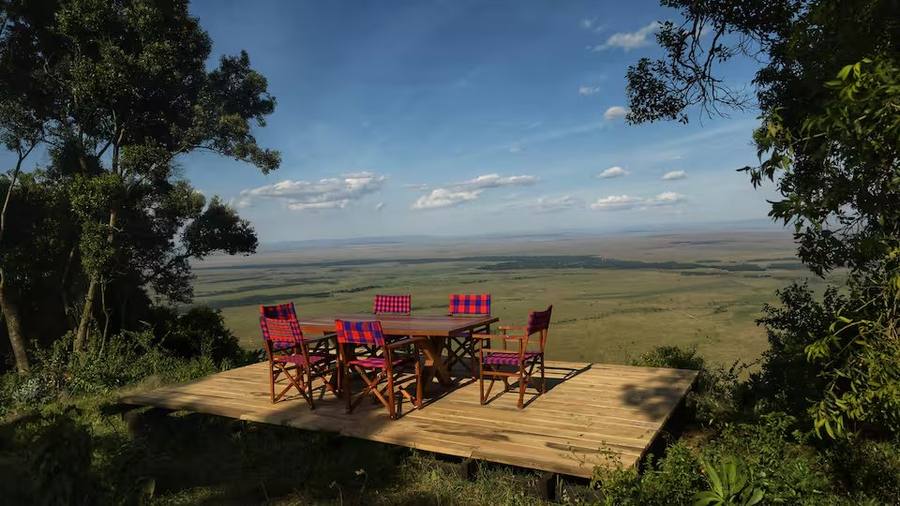
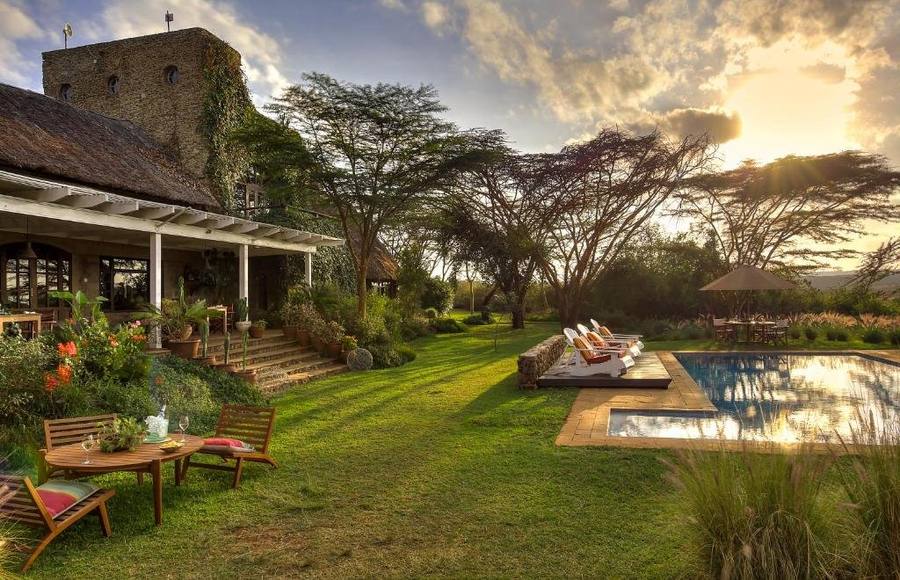
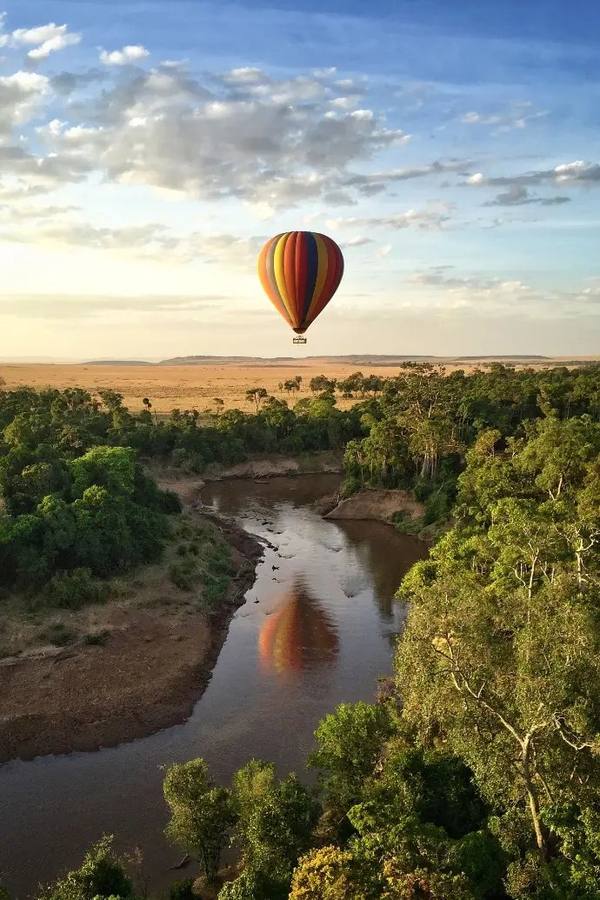
Don't miss: A sunrise hot-air balloon flight over the Mara with a champagne breakfast on the plains (book well ahead), a walking safari in a private conservancy, the elephant herds of Amboseli at dawn with Kilimanjaro behind them, an afternoon at Hell's Gate cycling the gorges, and at least one night in a tented camp where you fall asleep to the sound of hippos and hyenas — there is nothing quite like it anywhere in the world.