Coffee, Salsa & the Most Biodiverse Country on Earth
Duration
14 days
Best Time
Dec–Mar & Jul–Aug
Daily Budget
$60–120
Difficulty
Moderate
The Best Things to Do in Colombia (2026)
Colombia's transformation is one of travel's great stories. The most biodiverse country on earth per square kilometre now welcomes millions of visitors a year to a country of extraordinary variety — colonial Caribbean cities with rainbow walls and horse-drawn carriages, jungle treks to pre-Columbian cities older than Machu Picchu, mountain towns where mules carry coffee down bamboo-forested hillsides, and a second city that has become one of the world's most innovative urban destinations.
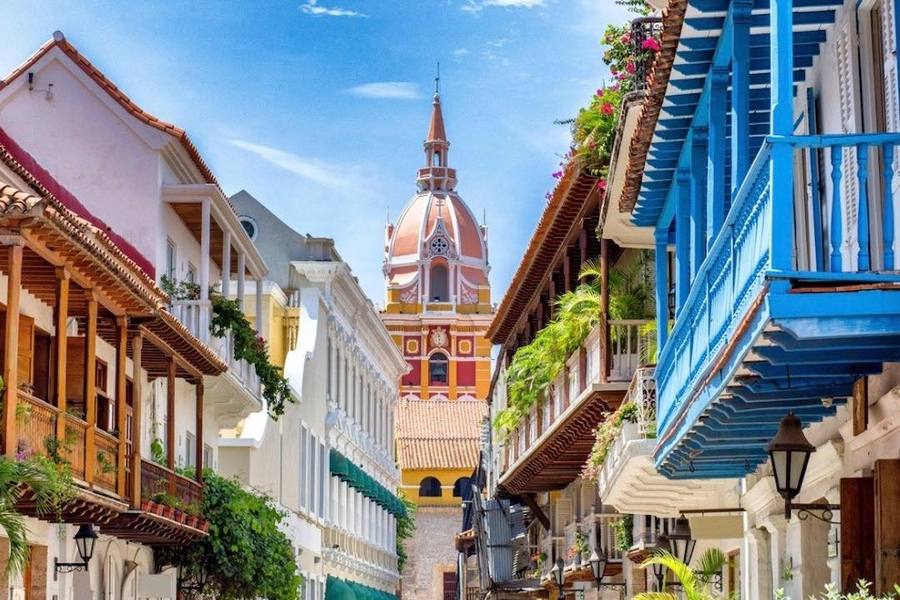
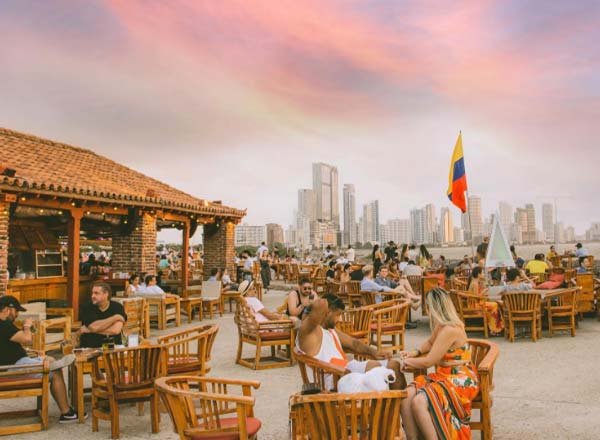
Cartagena is Colombia's most photogenic city — a UNESCO-listed walled old town of pastel colonial buildings, bougainvillea-draped balconies, and Caribbean heat that makes everything move a little slower. The old city rewards aimless walking: ducking into courtyards, following music to a salsa bar, and eating fresh ceviche at a palenquera's basket on the city walls. Tayrona National Park, a few hours east, adds pristine jungle beaches where the Sierra Nevada mountains meet the Caribbean.
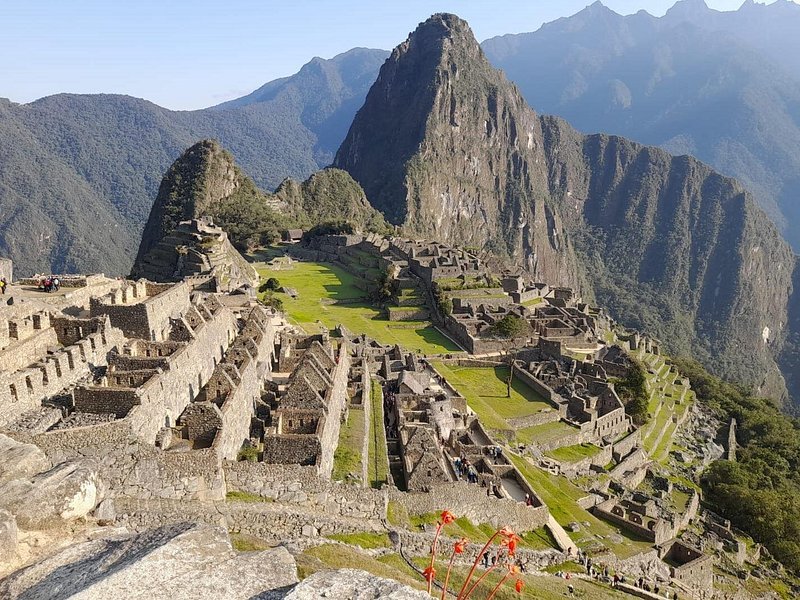
The Lost City trek — four days through dense jungle to Ciudad Perdida, a pre-Columbian city built 600 years before Machu Picchu — is the most rewarding multi-day hike in Colombia and one of the best in South America. The combination of jungle, rivers, indigenous villages, and ancient stone terraces rising from the forest is extraordinary. Medellín surprises everyone: once the world's most dangerous city, it has reinvented itself as a model of urban transformation, with a world-class metro-cable system, innovative architecture, and a food and nightlife scene that draws travellers from across the continent.
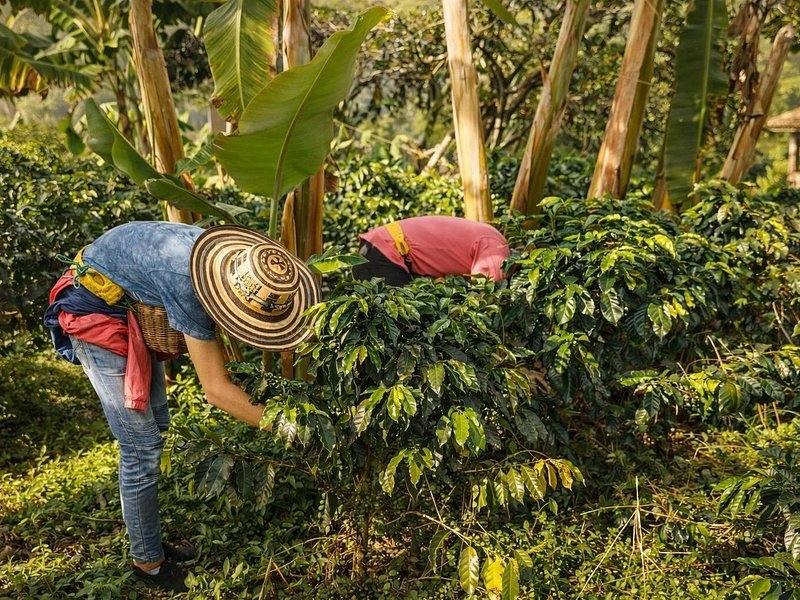
The Coffee Region around Salento and Manizales is Colombia at its most pastoral — riding mules through wax palm forests, touring fincas where coffee is still processed by hand, and spending evenings in colonial towns where everyone gathers in the main square as the mountains turn golden.
✨ Why Visit Colombia
The case for going
Colombia's transformation is one of travel's great stories. The most biodiverse country on Earth per square kilometre now welcomes visitors to its colonial cities, coffee highlands, lost cities in the jungle, and some of the most extraordinary landscapes in South America.
📅 Day-by-Day Itinerary
📅 Bogotá
La Candelaria's colonial streets and the Gold Museum (the world's finest pre-Columbian gold collection — 55,000 pieces). Monserrate mountain cable car for city views. The salt cathedral at Zipaquirá — a full cathedral carved underground in a salt mine.
📅 Coffee Region — Salento
The paisas' heartland — cobblestoned Salento, Valle de Cocora with its wax palms (Colombia's national tree, the tallest in the world), and coffee farm tours. Drink the coffee that actually tastes like the bag says it should.
📅 Medellín
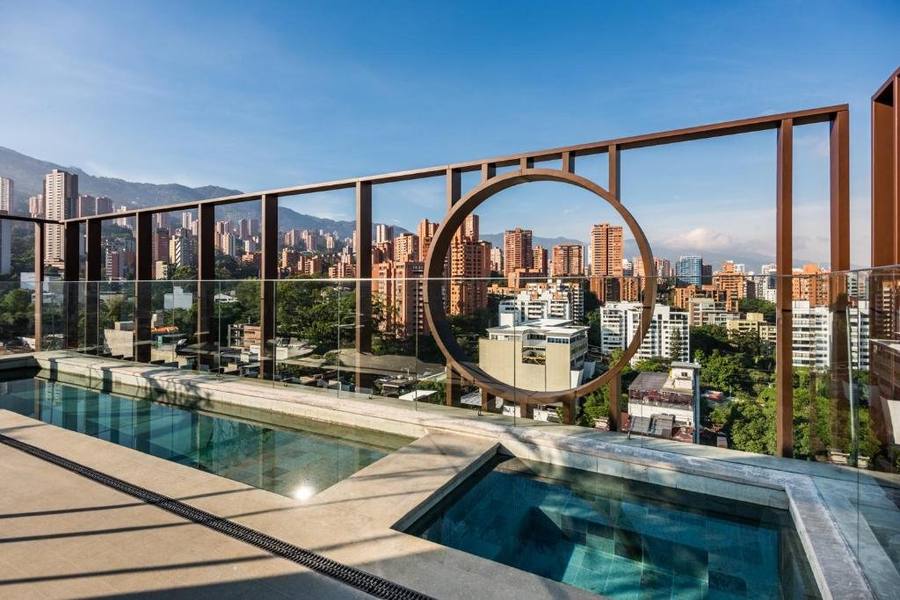
Pablo Escobar's former city is now Latin America's most innovative urban success story. The Metrocable to Parque Arví — connecting hillside comunas to the city. Fernando Botero's sculptures. The extraordinary transformation of El Poblado.
📅 Cartagena
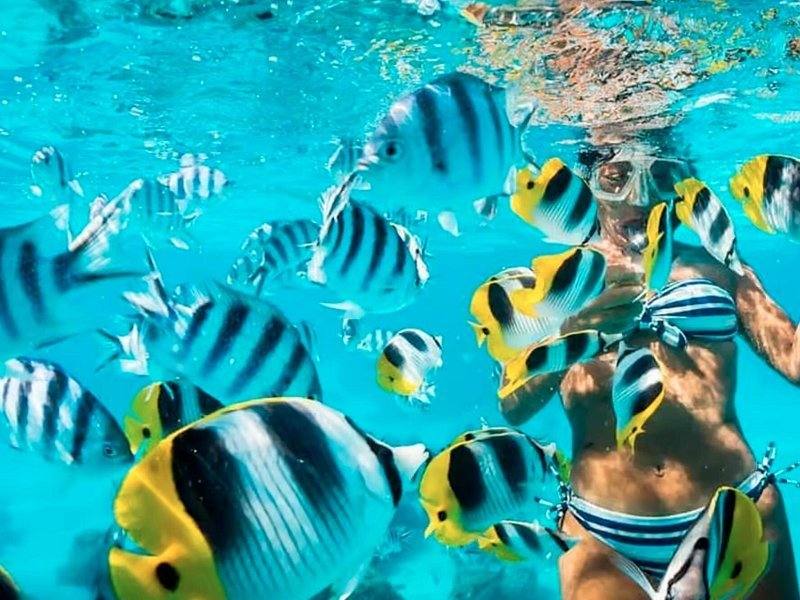
The most beautiful colonial city in the Americas — yellow and red walls, bougainvillea, and Caribbean blue through every archway. Evening: rooftop bars in Getsemaní. Day trip to the Rosario Islands for snorkelling.
📅 Ciudad Perdida Trek
The most rewarding multi-day hike in South America — 5 days through jungle to a lost city older than Machu Picchu, up 1,200 stone steps through the Sierra Nevada. Only 90 permits issued per day. The Kogi indigenous people still live nearby.
🏨 Where to Stay
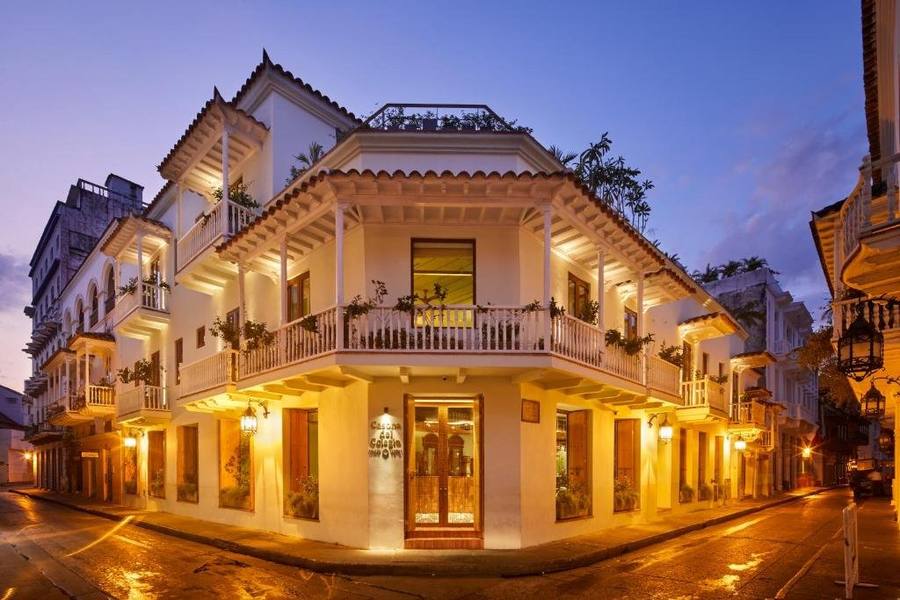
Casona del Colegio, Cartagena
⭐⭐⭐⭐⭐
Restored colonial mansion in the Walled City — rooftop pool, spa, rooms themed by Colombian region. From ~$207/night
Learn to salsa with a local instructor in Colombia's most beautiful walled city — cobblestone streets, Caribbean rhythms, and rooftop dancing under the stars.
💡 Key tips: Colombia is safe for tourists in the main destinations — use common sense as you would anywhere. Taxis: always use apps (InDriver, Cabify) rather than hailing on the street. Ciudad Perdida permits fill up — book 2 months ahead in high season. Altitude in Bogotá (2,640m) — take it easy on day 1. Coffee here costs pennies and is the best in the world.
Planning Your Colombia Trip: Essential Information
Best time to visit: December through March and July through August are the driest months across most of Colombia. Cartagena is warm year-round. The Coffee Region and Medellín (both at altitude) have mild, spring-like weather year-round. Avoid September through November in the Caribbean coast region due to heaviest rainfall.
Getting around: Domestic flights are affordable and connect major cities quickly. Buses cover most routes but journeys are long. Uber and taxis are reliable in cities. The Lost City trek must be booked through a licensed operator in Santa Marta — arrange this before arrival as spots fill up.
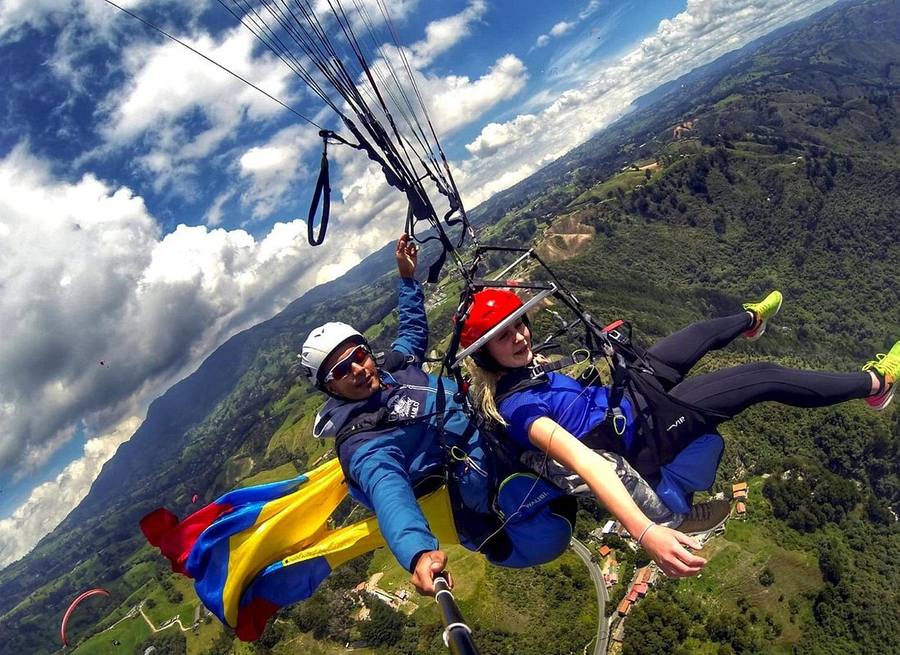
Don't miss: The Lost City trek, sunset on Cartagena's city walls with a Aperol Spritz, paragliding over Medellín at golden hour, the wax palms of the Cocora Valley near Salento, and a working coffee farm tour in the Coffee Region with tasting from crop to cup.