Costa Rica is the world's most successful eco-tourism destination — a country the size of West Virginia that protects 25% of its territory as national parks and wildlife reserves, and delivers an extraordinary range of natural experiences within a relatively compact area. You can zip-line through cloud forest canopy in the morning, soak in a volcanic hot spring in the evening, and wake up to howler monkeys in the trees outside your eco-lodge. The pura vida lifestyle is real, and it's contagious.
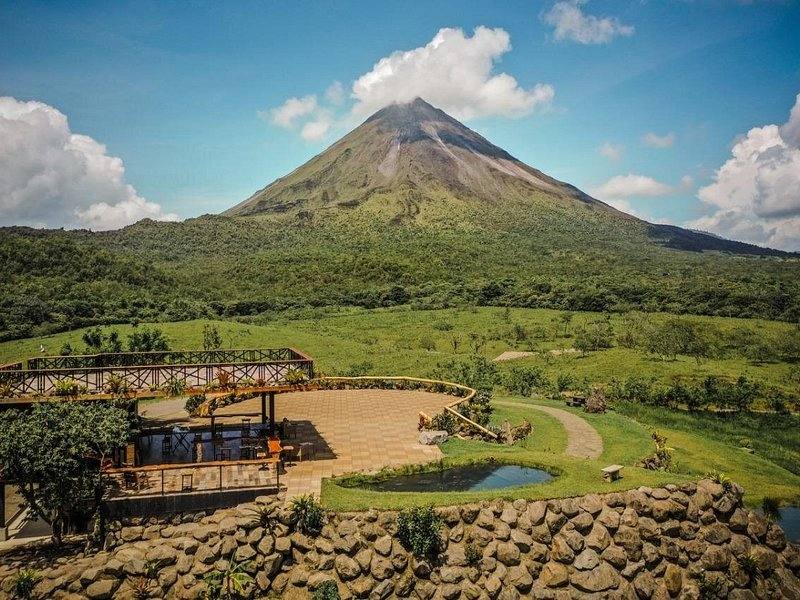
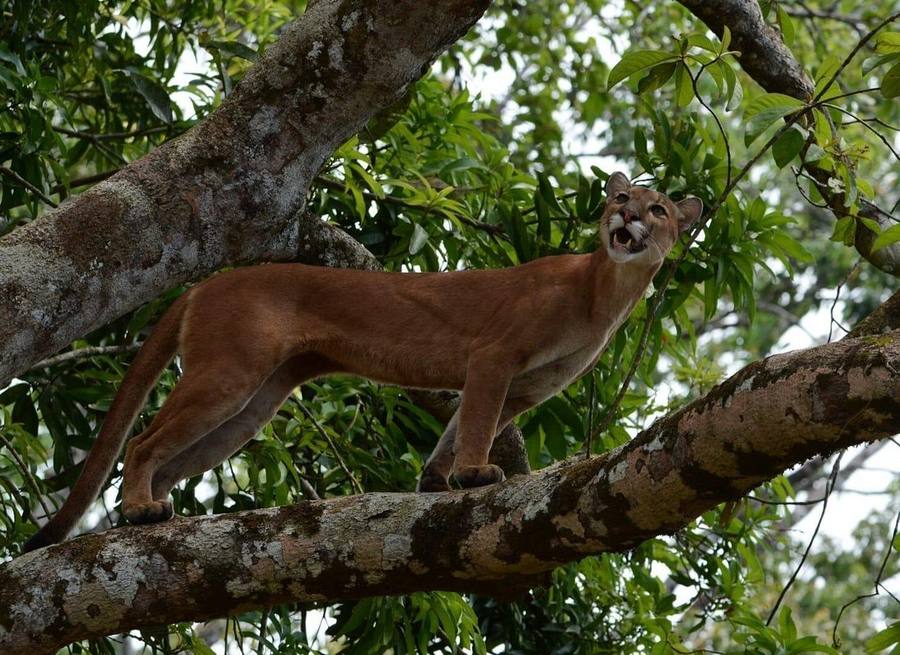
Monteverde cloud forest is Costa Rica's most iconic natural environment — a misty, moss-draped forest perched at 1,400 metres where cloud hangs permanently in the canopy and jaguars still roam the reserve boundaries. The zip-line here, flying through the cloud forest at height, is one of the great adventure experiences in Central America. Arenal Volcano, active and occasionally glowing at the summit, adds geothermal drama — the hot springs along its base, fed by volcanic heat, are the perfect end to a day of hiking lava fields.
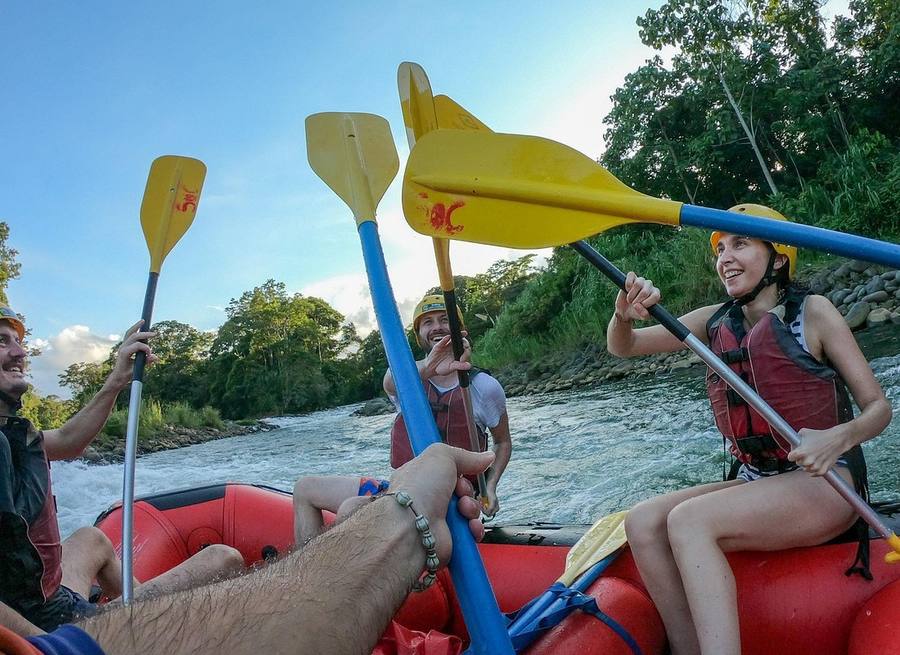
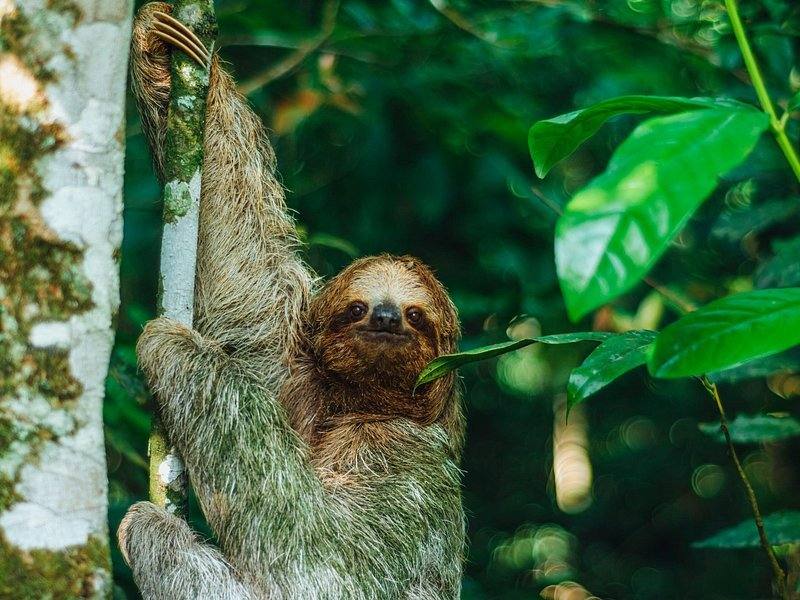
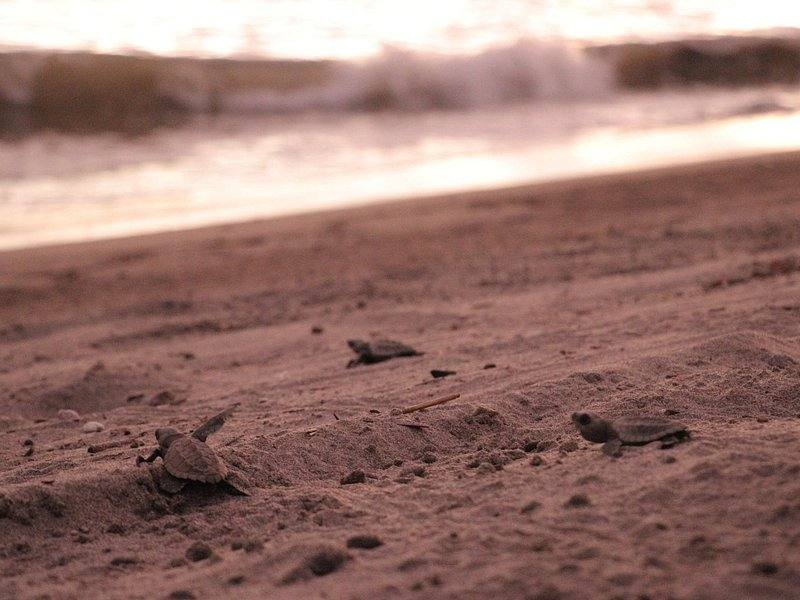
The Pacuare River delivers some of the world's best white-water rafting — Class IV rapids through a roadless canyon of primary rainforest, with the option to spend the night in a jungle lodge on the river bank. Tortuguero on the Caribbean coast is accessible only by boat or small plane, and its canal-threaded rainforest is home to nesting leatherback and green turtles, three-toed sloths, caimans, and river otters.
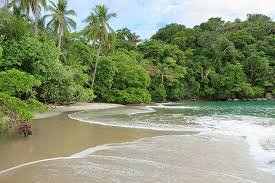
Manuel Antonio combines the most accessible wildlife in Costa Rica — sloths, scarlet macaws, and white-faced capuchins visible from the beach path — with some of the country's best Pacific swimming beaches. Corcovado on the Osa Peninsula is wilder, harder to reach, and even more extraordinary: National Geographic called it the most biologically intense place on Earth.
✨ Why Visit Costa Rica
The case for going
Costa Rica is the world's most successful eco-tourism destination — 25% of the country is protected national park, and wildlife density is extraordinary. Sloths, toucans, poison dart frogs, jaguars, and humpback whales in a country the size of West Virginia.
📅 Day-by-Day Itinerary
📅 Days 1–3 · La Fortuna & Arenal Volcano
Base yourself at Ti-fakara Boutique Hotel, steps from La Fortuna Waterfall. The perfectly conical Arenal volcano dominates the skyline — hike its lava fields, white-water raft the Balsa River, and cross the Mistico hanging bridges at dawn. Each evening: a guided frog sanctuary walk on the hotel grounds, then soak in volcanic hot springs while the volcano glows overhead.
📅 Days 4–5 · Monteverde Cloud Forest
The most biodiverse forest in Central America. Night walk to spot the resplendent quetzal, red-eyed tree frogs, and kinkajous. Zip-line through the cloud forest canopy — the original canopy zip-line experience, invented here. Hanging bridges through the forest at dawn with a naturalist guide.
📅 Days 6–8 · Manuel Antonio National Park
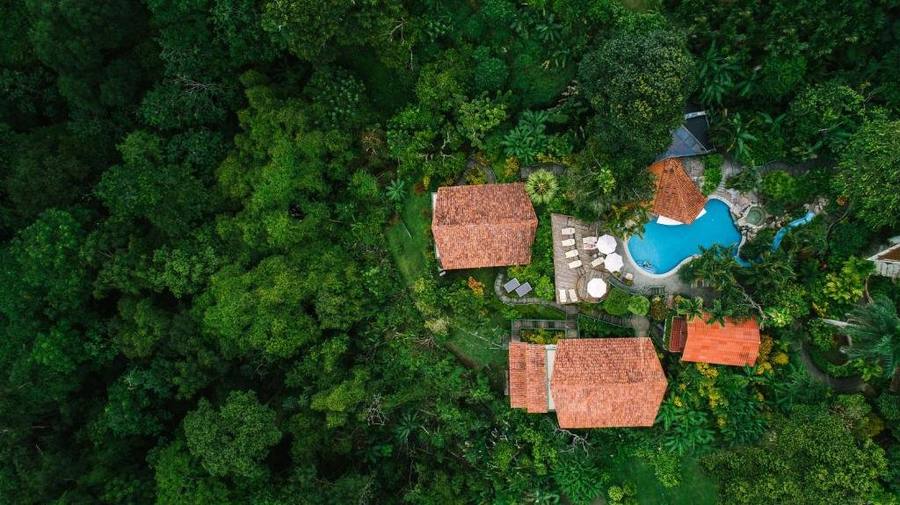
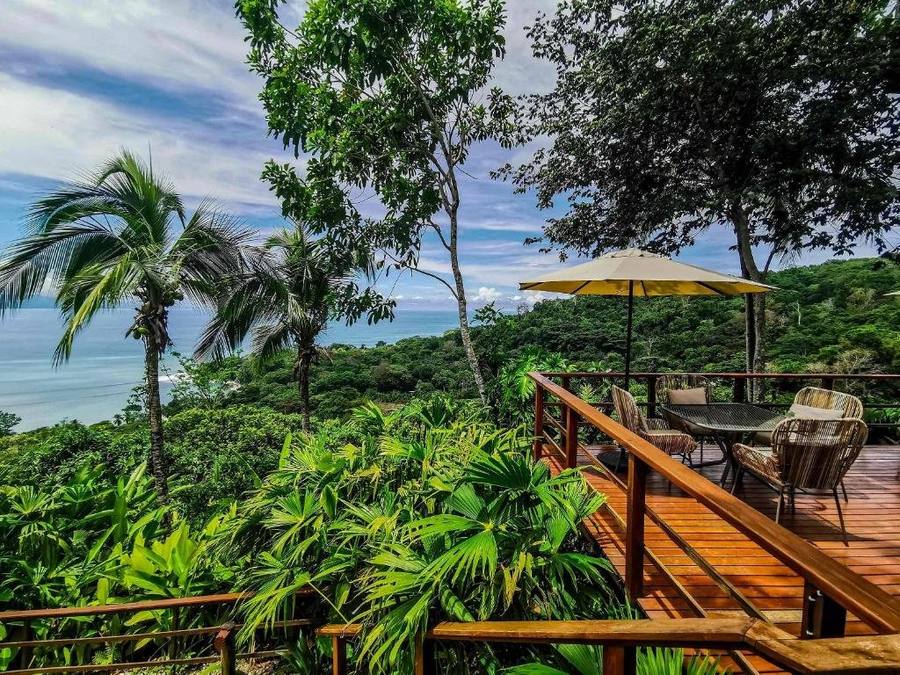
Check in to Sí Como No — a boutique eco-resort perched above the park with jungle-to-ocean views from every room. Hike the trails of Manuel Antonio National Park and watch white-faced capuchin monkeys play on the beach, three-toed sloths overhead, scarlet macaws in the treetops. Kayak the mangroves at sunset. Leap off jungle waterfalls above town. Free shuttle down to the beach each morning.
📅 Days 9–11 · Corcovado — the Wildest Place in the Americas
Fly or boat to the Osa Peninsula for Corcovado National Park — National Geographic called it the most biologically intense place on Earth. Guided night walks for tapir and jaguar. Snorkel the Drake Bay reefs for hammerhead sharks and sea turtles. This is true wilderness — no roads, no crowds, just primary rainforest.
📅 Days 12–13 · Nosara & Pacific Coast
Head to the Nicoya Peninsula for world-class surf breaks at Nosara and Santa Teresa. The waves are warm and consistent year-round, and the beach towns have a laid-back, yogic energy that slows everything down. Sunrise yoga on the sand, sunset bonfires, ceviche and cold Imperial beer.
📅 Days 14–15 · Tortuguero — Sea Turtle Nesting
Boat through Tortuguero's canals (the 'Amazon of Costa Rica') spotting caimans, river otters, and manatees. July–October: guided night beach walks to watch leatherback sea turtles nest, then return at dawn to release hatchlings to the sea — one of the most moving wildlife experiences on Earth.
🏨 Where to Stay
Ti-fakara Boutique Hotel, La Fortuna
⭐⭐⭐⭐⭐
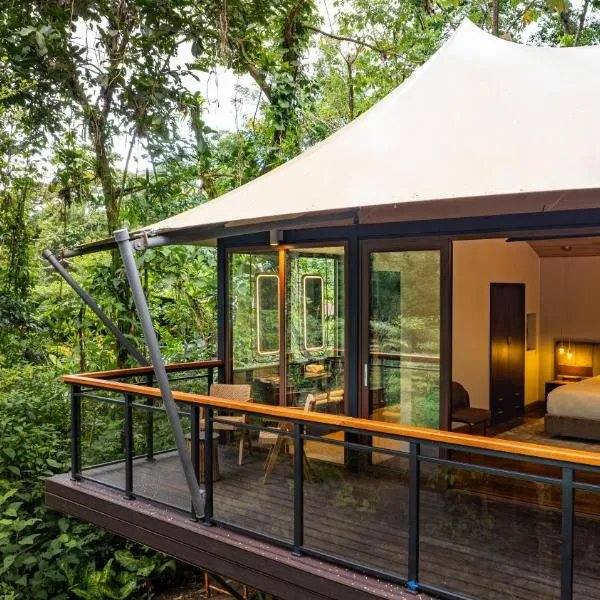
Rainforest bungalows 300m from La Fortuna Waterfall — nightly frog sanctuary walk, included breakfast, ~$210–$315/night
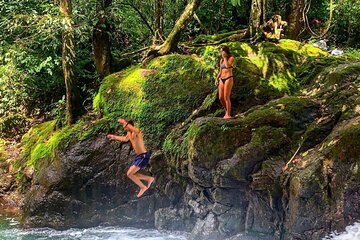
Leap off jungle waterfalls into crystal-clear pools in the rainforest hills above Manuel Antonio — a guided half-day adventure that's equal parts adrenaline and pure joy.
Hike the jungle trails of Costa Rica's most beloved national park and watch white-faced capuchin monkeys play on the beach — sloths overhead, iguanas underfoot, Pacific waves behind you.
Venture into the rainforest around La Fortuna with an expert naturalist guide on a mission to spot wild sloths — two-fingered and three-fingered — hanging in the canopy, plus frogs, toucans, and whatever else the jungle has to offer.
💡 Key tips: Rent a 4WD — many of the best lodges require it. Pura Vida ('pure life') is the national motto and the national attitude — embrace it. Wildlife is most active at dawn and dusk — always worth an early start. Ticos (Costa Ricans) are extraordinarily helpful — ask locals for restaurant recommendations. Budget: Costa Rica is the most expensive country in Central America.
Planning Your Costa Rica Trip: Essential Information
Best time to visit: December through April is the dry season — ideal for beaches and most activities. The Caribbean coast runs on a different schedule with its dry season July through September. The wet season (May–November) is lush and green with fewer crowds but afternoon rain is common. Sea turtle nesting in Tortuguero peaks July through October.
Getting around: A 4WD rental car is strongly recommended for most of Costa Rica — many roads to eco-lodges and national parks are unpaved and rough. Domestic flights to Tortuguero and the Osa Peninsula are affordable and save hours of travel. Shared shuttles between tourist hubs (Monteverde, La Fortuna, Manuel Antonio) are a convenient alternative to driving.
Don't miss: The Pacuare River rafting overnight, sunset from the hanging bridges at Monteverde, a night walk in a cloud forest with a guide, spotting a sloth in Manuel Antonio, and a night at an eco-lodge in Tortuguero accessible only by boat.