India
The Ultimate India Itinerary — Delhi, Agra & the Ranthambore Tiger Safari
This itinerary follows the classic Golden Triangle route south from Delhi — two nights in Delhi for the Red Fort, Old Delhi's lanes, and Humayun's Tomb; three nights in Agra for the Taj Mahal at sunrise, the Agra Fort, and the ghost city of Fatehpur Sikri; then three nights at Ranthambore for early morning and evening jeep safaris in India's most productive tiger reserve. It is the itinerary that shows you the India that most people imagine before they arrive, and delivers exactly that — plus a tiger.
One important note: India rewards flexibility. Things will not go exactly as planned. Trains run late, traffic is unpredictable, and the unexpected is the norm rather than the exception. Build buffer time into every day, say yes to things that weren't on the plan, and accept that the best India experiences often arrive unscheduled.
Delhi
🎫 Delhi Experiences

Old Delhi by Rickshaw — Spices, Chaos & Chandni Chowk
🛺 Culture · India at Its Most Intense
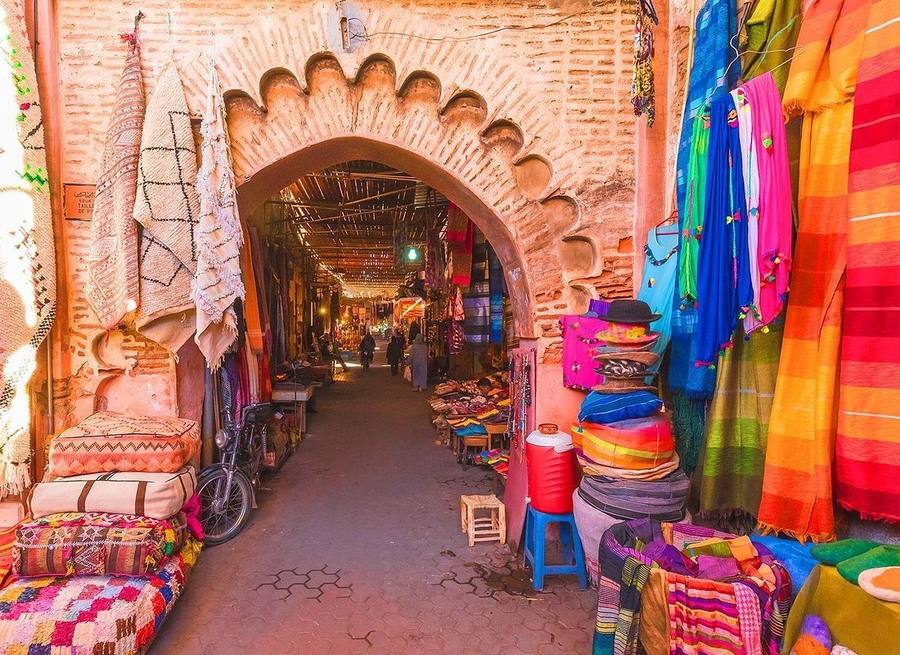
Old Delhi — the walled city built by Mughal Emperor Shah Jahan in the 17th century — is one of the most intense urban environments on Earth. Chandni Chowk, the main bazaar street running west from the Red Fort, is flanked by a network of narrow lanes (gallis) each specialising in a single trade: the Khari Baoli is Asia's largest spice market, a labyrinth of hessian sacks overflowing with turmeric, cardamom, dried chillies, and cumin, the air thick with the combined scent of several dozen spices at once. The Kinari Bazaar sells nothing but wedding decorations. Dariba Kalan is the silver jewellers' lane. Ballimaran is the old haveli district, the facades of once-grand Mughal merchant houses crumbling magnificently above the narrowest lanes.
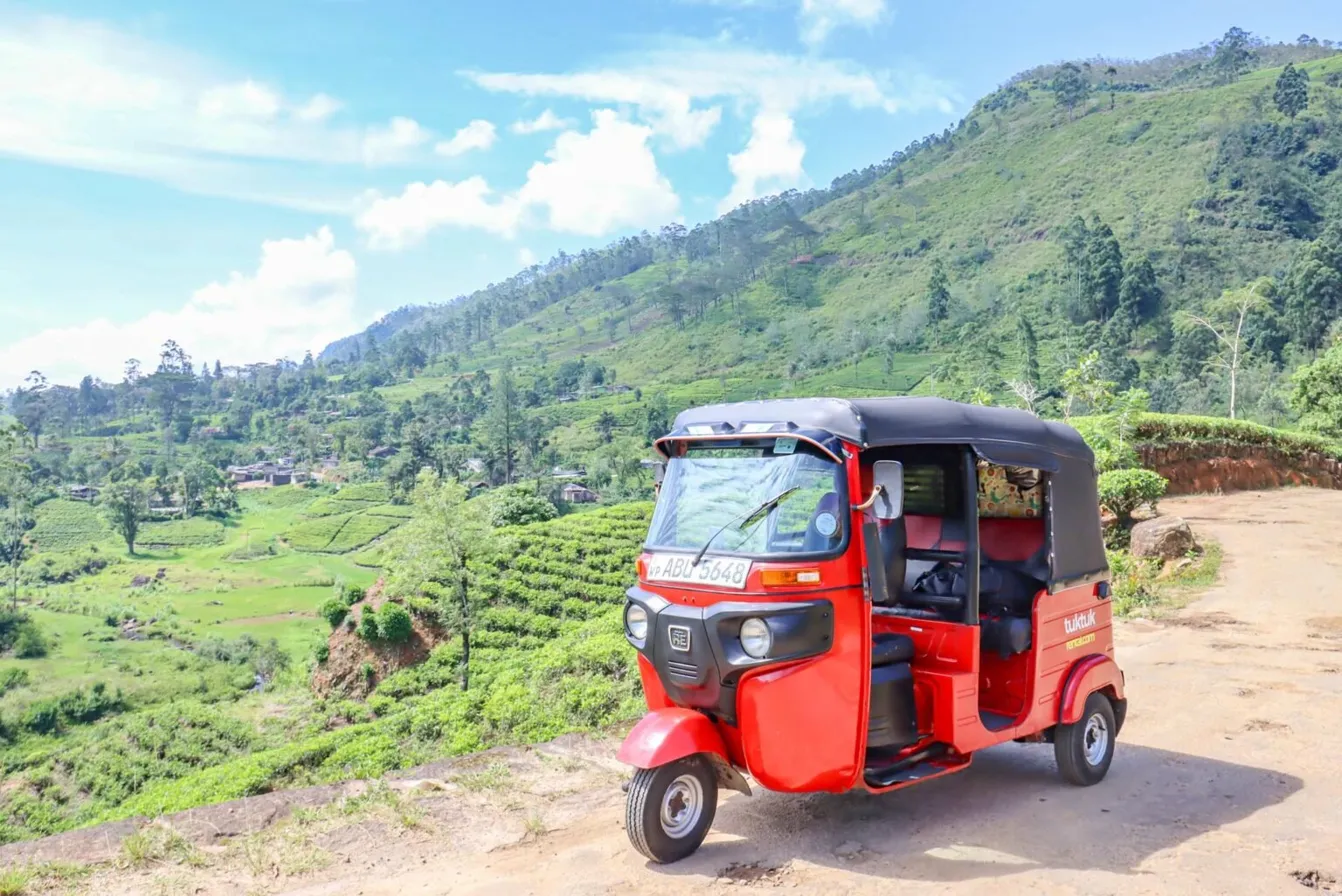
The correct way to navigate Old Delhi is by cycle rickshaw — the streets are too narrow and congested for cars, and the rickshaw wallah knows the lanes that a map doesn't show. A guided rickshaw tour covering the spice market, Jama Masjid (the largest mosque in India, capable of holding 25,000 worshippers), the Red Fort exterior, and a street food stop for paratha at Paranthe Wali Gali takes 3–4 hours and is the single best introduction to Delhi available. Go in the morning — by midday the heat and crowds make it more challenging.
🏨 Where to Stay — Delhi

Agra
🎫 Agra Experiences
The Taj Mahal at Sunrise — The World's Most Perfect Building
🕌 Architecture · Can't Miss
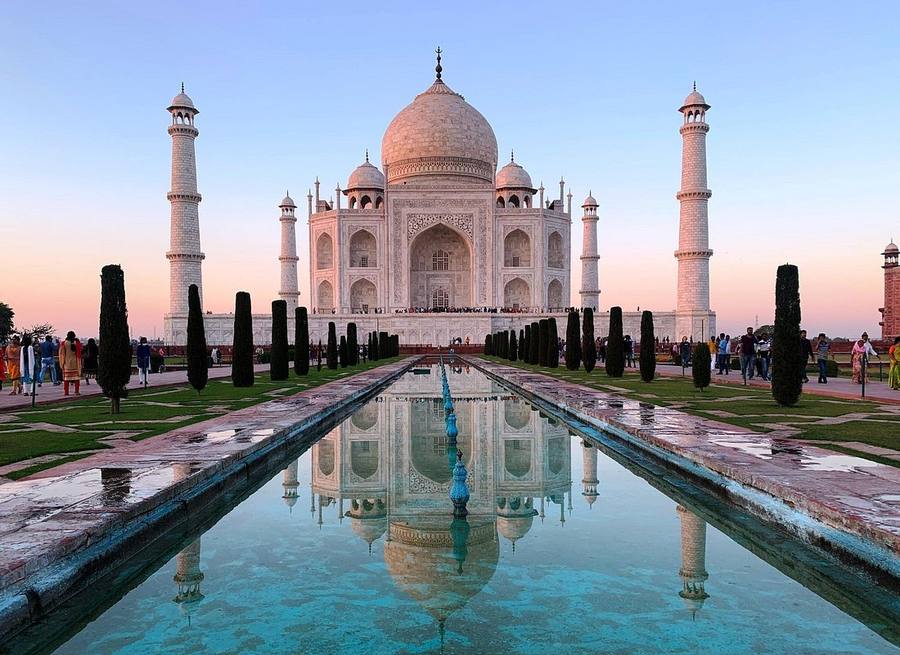
The Taj Mahal is the most visited monument in India and one of the most photographed buildings in the world — and it still exceeds expectations in person. Built by Mughal Emperor Shah Jahan between 1631 and 1653 as a mausoleum for his wife Mumtaz Mahal, it is a structure of such proportional perfection that it appears to change size and colour depending on the light and angle of viewing. At sunrise, the white marble shifts from pale grey to pink to gold as the sun rises, and the reflection in the long pool in front of the main gate doubles the building into the still water. At this moment, before the tour groups arrive and while the light is still horizontal, it is completely extraordinary.
The Taj opens at sunrise and the first hour is the finest. Book the earliest entry time available and walk directly to the pool — the famous symmetrical view of the building reflected in the water is from the bench at the far end of the long pool, and it fills quickly. Allow 2–3 hours inside the complex. The marble inlay work at close range — thousands of semi-precious stones set into the white marble in floral patterns — is extraordinary detail that photographs entirely fail to capture. Walk around the back of the main building for the view over the Yamuna River, which was intentional and is one of the finest views of the structure.
🏨 Where to Stay — Agra
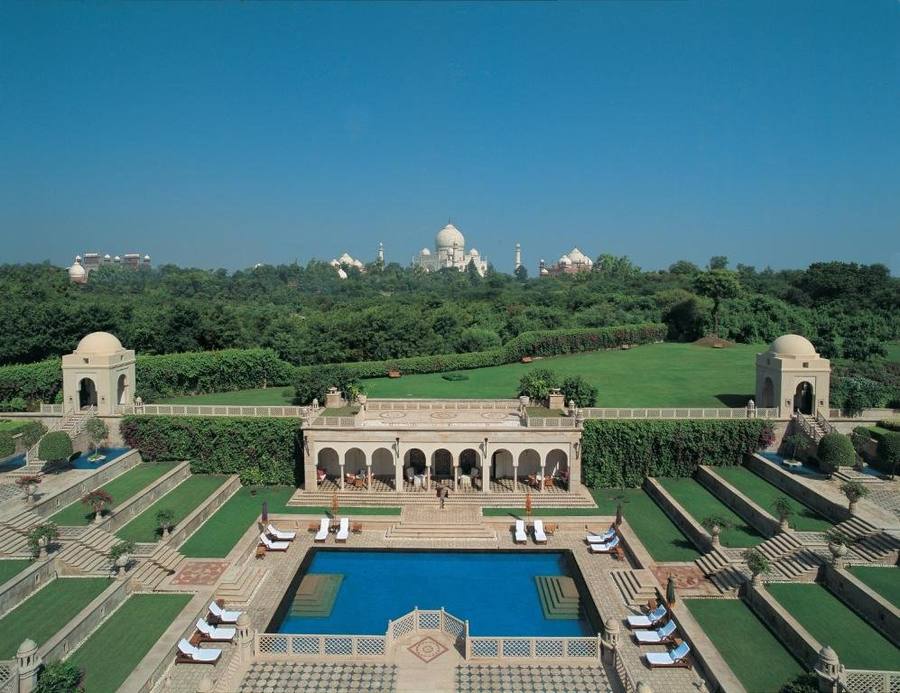
Ranthambore National Park
🎫 Ranthambore Experiences

Ranthambore Tiger Safari — Bengal Tigers in the Wild
🐯 Wildlife · India's Greatest Wildlife Experience
Ranthambore National Park in Rajasthan is consistently rated the best place in the world to see Bengal tigers in their natural habitat — not because it has the most tigers (that distinction belongs to Corbett), but because Ranthambore's tigers are famously diurnal (active during daylight hours) and unusually habituated to vehicles, making sightings far more likely and far more sustained than in other Indian reserves. The park's landscape — rocky outcrops, dry deciduous forest, and ancient Mughal hunting lakes — is also extraordinarily photogenic, and the ruined Ranthambore Fort that sits above the park adds a historical dimension unique among Indian tiger reserves.
Safaris run twice daily: early morning (departing before dawn, returning mid-morning) and late afternoon (departing 2–3 hours before sunset, returning after dark). The morning safari has the best light for photography; the afternoon safari often produces the most tiger activity as they emerge from shade in the cooler late afternoon. Three nights gives you five or six safari slots — enough that a sighting is very likely even if not guaranteed. Book government-issued safari permits through your lodge as far in advance as possible — Ranthambore's permits sell out months ahead in peak season (October–March). A private jeep (canter) shared between 6 people is significantly better than an open bus.
🏨 Where to Stay — Ranthambore

India Trip FAQs
What is the best India itinerary for first-time visitors?
The best 8-night India itinerary follows the Golden Triangle: Delhi (Days 1–2) for Old Delhi's spice markets by rickshaw and the Red Fort; Agra (Days 3–5) for the Taj Mahal at sunrise and Fatehpur Sikri; and Ranthambore (Days 6–8) for Bengal tiger safaris. Fly in and out of Delhi.
What is the best time to visit India?
October through March is the best window for North India — cool, dry, and clear. November and December are ideal: Agra mornings are cool enough to enjoy the Taj Mahal comfortably, and Ranthambore's tigers are most active in the cooler temperatures. Avoid April–June (extreme heat, 40–45°C) and July–September (monsoon season, Ranthambore closes June–October).
What are the chances of seeing a tiger at Ranthambore?
With three nights and five or six safaris, the chances are high — Ranthambore has one of the highest tiger sighting rates of any Indian reserve. Peak season (November–March) is the most productive. A private jeep gives you more flexibility than a shared canter (bus). That said, wildlife is never guaranteed — book three nights rather than one to maximise your chances.
Do you need a visa for India?
Most nationalities require a visa. The e-Visa is available online at indianvisaonline.gov.in — apply at least 4 days before travel, though 2 weeks is safer. The Tourist e-Visa covers stays up to 90 days. Processing is usually 3–5 days.
Water: Never drink tap water in India. Use sealed bottled water for drinking and brushing teeth. This is non-negotiable.
Food: Street food is mostly safe if it's freshly cooked and hot. Avoid raw salads, unpeeled fruit, and anything that's been sitting out. The best Delhi street food — chaat, paratha, jalebi — is entirely safe if you follow these rules.
Traffic: Delhi traffic is genuinely extreme. Allow far more time than you think you need for any road journey. Uber and Ola work well in Delhi and are significantly cheaper than hotel cars.
Taj Mahal: Go at sunrise. Book tickets in advance at asi.payumoney.com. Bags and food are not allowed inside — use the cloakroom at the East or West Gate.
Ranthambore: Book safari permits as far in advance as possible — the government limits daily visitor numbers strictly. Your lodge will handle this if booked well ahead.