Canada is the second-largest country on earth and one of its most naturally spectacular — a place where you can ski powder in the morning and watch the Northern Lights from a hot tub the same evening, or kayak with orcas in British Columbia and see polar bears lumbering across Arctic tundra two provinces away. The scale is part of the appeal, but it also requires choosing your focus: Canada rewards travellers who go deep into one region rather than skimming across all of it.
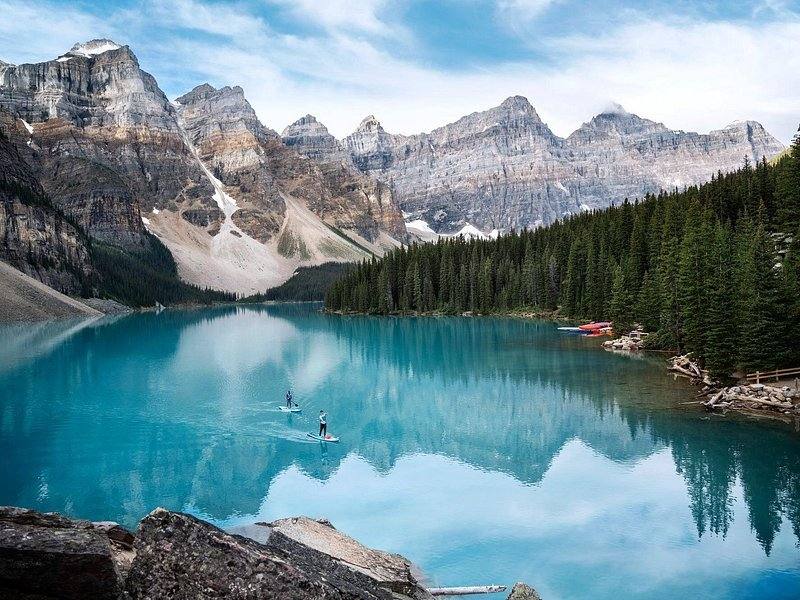
The Canadian Rockies are the classic entry point — Banff, Jasper, and the Icefields Parkway between them deliver the kind of mountain scenery that makes photographers forget to eat. Turquoise glacier-fed lakes at Moraine Lake and Lake Louise, elk wandering through Banff townsite at dusk, and the Athabasca Glacier spilling down from the Columbia Icefield — it's all as dramatic as it looks in photographs, and more so in person. British Columbia adds coastline, old-growth rainforest, and Whistler, one of the world's great ski resorts.
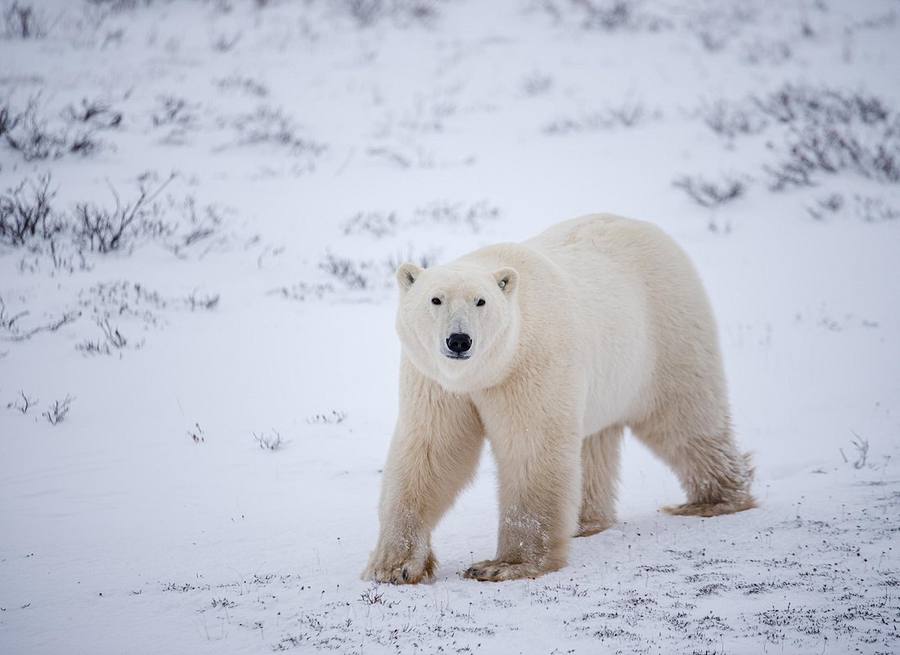
Churchill, Manitoba is Canada's most extraordinary wildlife destination — the polar bear capital of the world, where every October and November hundreds of bears gather near the town as Hudson Bay prepares to freeze. Tundra buggy tours bring you to within metres of the bears in complete safety. The same town offers beluga whale watching in summer and among the best Northern Lights viewing in North America in winter.
Quebec City is the most European city in North America — a UNESCO-listed fortified old town with cobblestone streets, centuries-old churches, and French spoken everywhere. It's Canada at its most culturally distinct, and a world away from the wilderness experiences that define the rest of the country.
✨ Why Visit Canada (Banff & Beyond)
The case for going
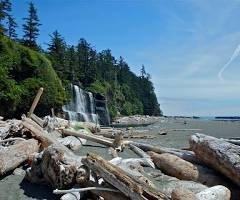
Canada is home to some of the world's most pristine wilderness — the Canadian Rockies are every bit as dramatic as the Alps, the Northern Lights are visible across the prairies, and BC's coast has bears, orcas, and old-growth forest that takes your breath away.
📅 Day-by-Day Itinerary
📅 Banff & the Icefields Parkway
Banff National Park — Lake Louise (turquoise beyond belief), Moraine Lake (even better), and the Fairmont Banff Springs castle hotel. Drive the Icefields Parkway — 232km of the most scenic highway in North America, past the Columbia Icefield and Peyto Lake.
📅 Jasper National Park
Less visited than Banff with equal scenery. Maligne Lake boat tour to Spirit Island — the most photographed scene in the Rockies. Athabasca Falls. Watch for grizzly bears, elk, and black bears from the road.
📅 Vancouver
Stanley Park sea-wall cycle (10km around a temperate rainforest peninsula). Granville Island market. Kayak Indian Arm fjord. North Shore mountains — ski in winter, hike in summer. Eat the world's best sushi outside Japan in Kitsilano.
📅 Vancouver Island & Tofino
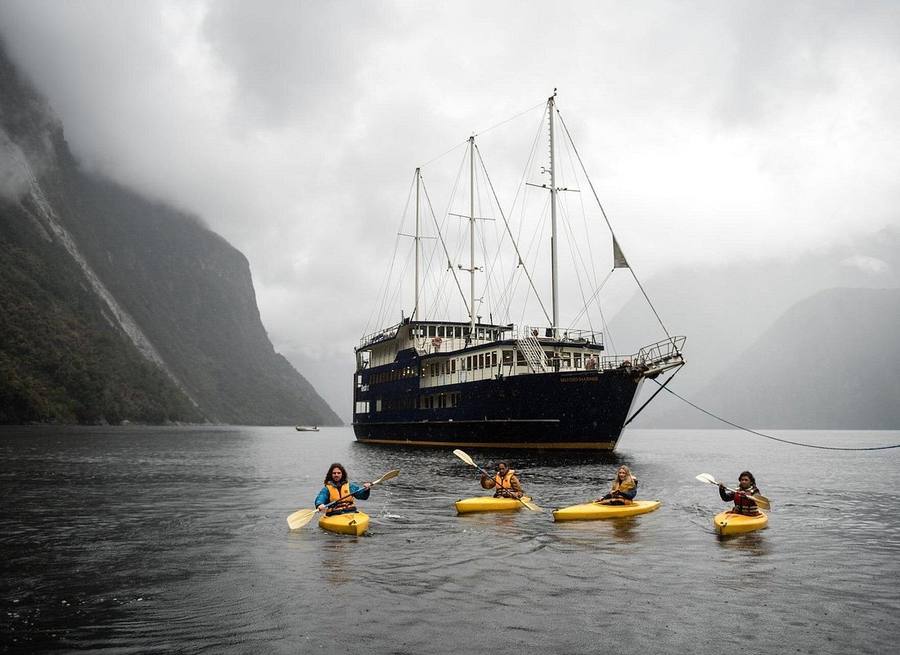
Drive to Tofino — the surf capital of Canada. Watch grey whales breach from the beach in spring. Old-growth temperate rainforest — Douglas firs 800 years old. Sea kayak the Broken Group Islands. Hot springs Cove accessible only by water taxi.
📅 Yukon — Northern Lights
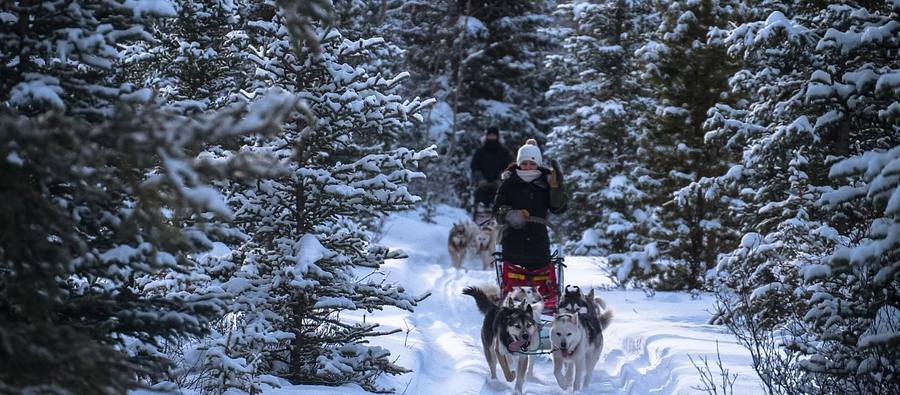
Fly to Whitehorse in winter (Oct–Mar) for the Northern Lights. Dog sled through boreal forest at -20°C. Ice fish on a frozen lake. Stay in a glass-roofed Aurora cabin. This is the frontier Canada that most people never reach — wild, vast, and unforgettable.
🏨 Where to Stay
The Juniper Hotel & Bistro, Banff
⭐⭐⭐⭐ · From ~$150/night
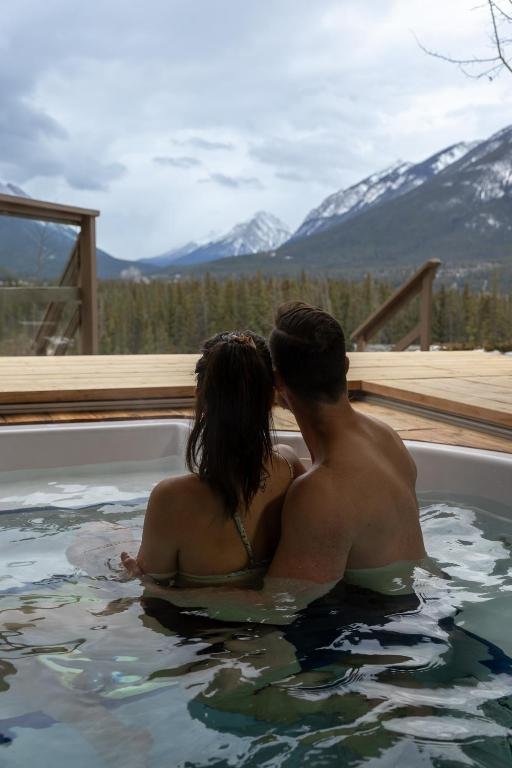
Boutique mid-century gem perched above Banff with panoramic Rocky Mountain views, award-winning Bistro (#2 in Banff), rooftop hot tub, free e-bikes & shuttle
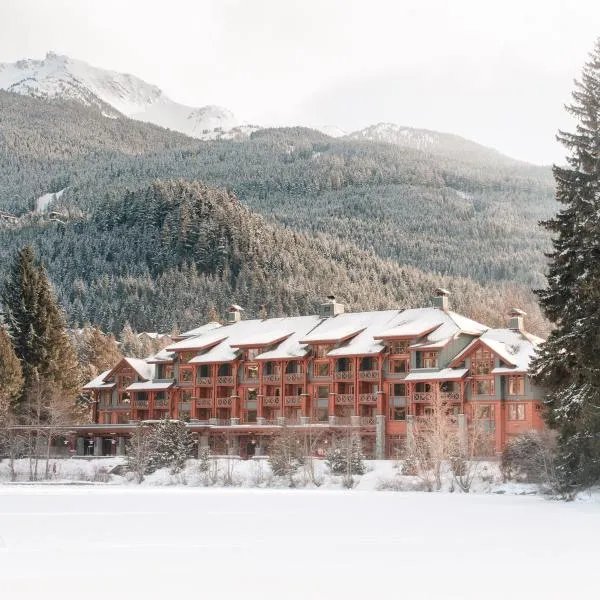
⭐⭐⭐⭐ · From ~$200/night · Condé Nast Top Hotel in Western Canada 2025
The definitive Vancouver boutique — Yaletown's hippest address with bold pop-art rooms, heated spa bathrooms, free e-bikes, Italian restaurant Capo, and the buzzing Spritz bar
🎫 Powered by Viator · 8% commission on every booking
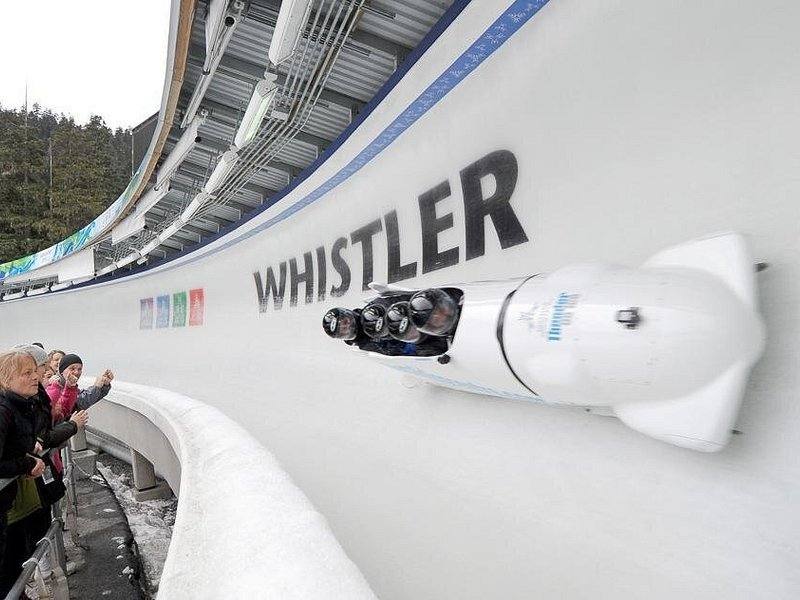
Bobsledding, Whistler Sliding Centre
Ride a real Olympic bobsled track at up to 125km/h — built for the 2010 Winter Olympics, this is one of only a handful of public bobsled experiences in the world. No experience needed, a pilot takes the wheel.
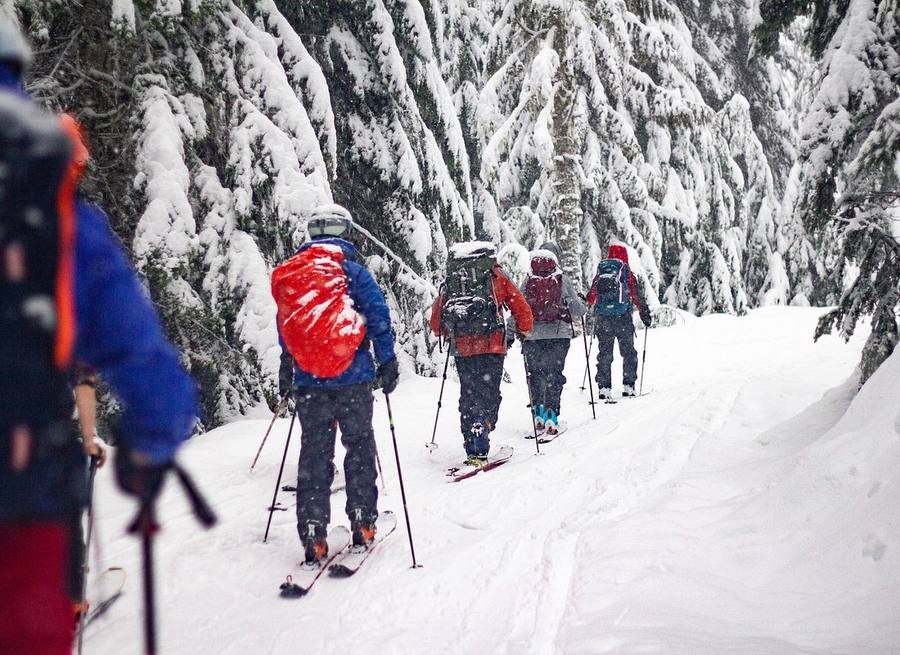
Skin up into Whistler's backcountry with a guide — untracked powder through old-growth forest, no lifts, no crowds. North America's best resort skiing is right below you, but this is better.
Mush your own team of huskies through snow-laden boreal forest outside Whitehorse — one of the most exhilarating things you can do in Canada in winter.
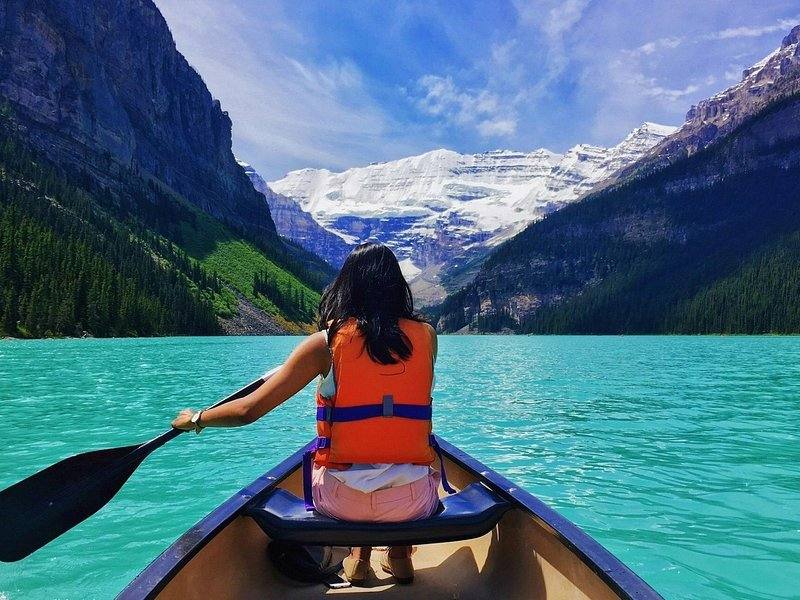
Paddle a canoe on the impossibly turquoise waters of Lake Louise or Moraine Lake — the Rockies reflected back at you in perfect stillness. One of the most iconic experiences in Canada.
Whitehorse is one of the world's best places to see the aurora — fly Oct–Mar, stay in a glass-roofed Aurora cabin, and watch the lights from your bed. No alarm clock required.
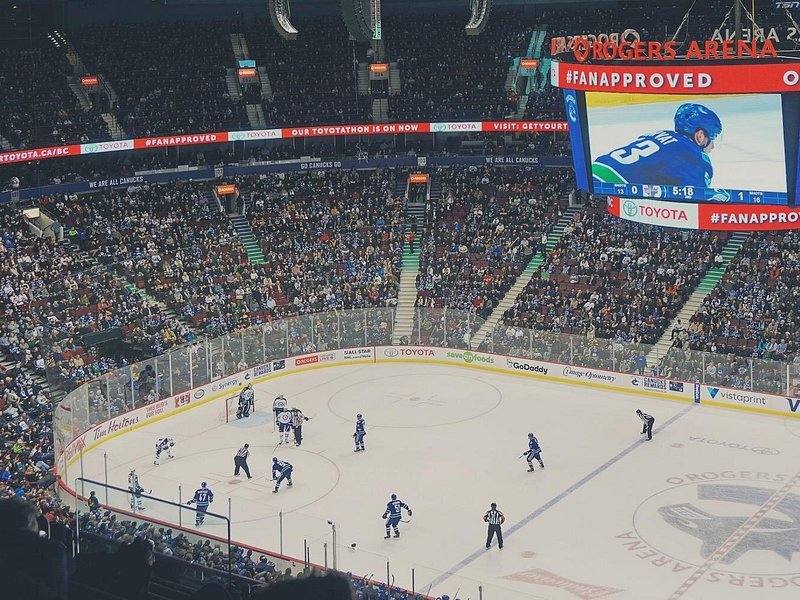
Canada invented hockey and still does it best. Catch a live NHL game in Vancouver, Toronto, or Calgary — the atmosphere is unlike any other sport, and tickets are surprisingly accessible.
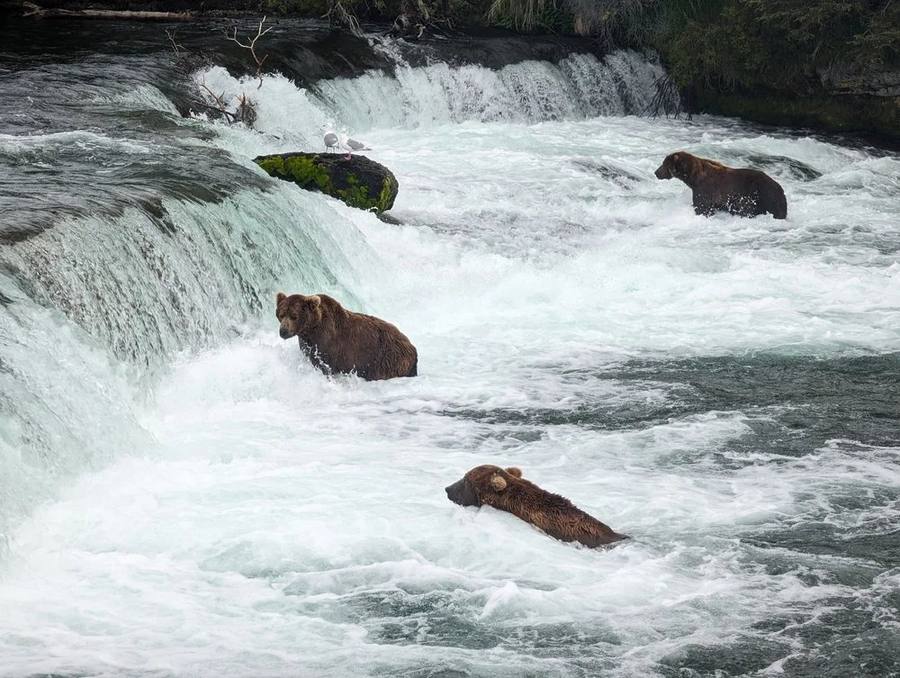
Watch grizzlies stand in rushing rivers and snatch salmon mid-leap during the autumn run — one of the greatest wildlife spectacles on Earth. The Great Bear Rainforest in BC is the best place on the planet to see it.
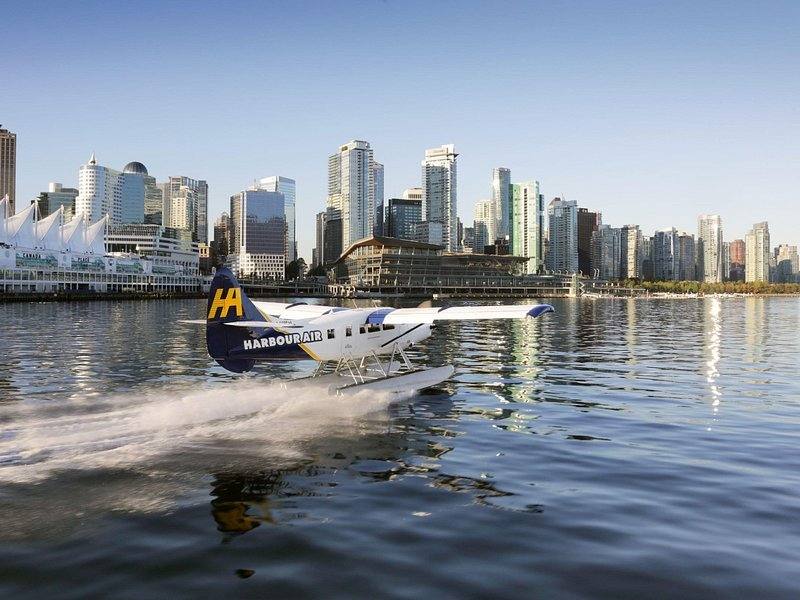
Take off from Vancouver's downtown harbour and land 35 minutes later in Victoria's inner harbour — the Rockies, Gulf Islands and Pacific below you the whole way. One of the great short flights in the world. Harbour Air runs it daily.
💡 Key tips: Moraine Lake road opens mid-June — arrive at 5am or take the Parks Canada shuttle (book months ahead). Bears are everywhere in the Rockies — carry bear spray and make noise on trails. Driving in Canada is essential — public transport outside cities is limited. Tipping 18–20% is standard. The Trans-Canada Highway is beautiful but slow — allow more time than Google Maps suggests.
Planning Your Canada Trip: Essential Information
Best time to visit: Summer (June–September) is best for the Rockies and BC for hiking, wildlife, and long days. Winter (December–March) is ski season in Whistler and Banff, and the prime window for Northern Lights. Churchill's polar bears arrive October–November. Quebec City's Winter Carnival in February is one of Canada's great festivals.
Getting around: Canada's distances require internal flights between regions. Within regions, a rental car is essential — especially for the Icefields Parkway and BC's coast. VIA Rail's cross-country train is a scenic alternative but takes 4 days coast to coast. Vancouver and Toronto have excellent public transit.
Don't miss: Sunrise at Moraine Lake (arrive before 6am — the parking lot fills by 7am), a tundra buggy tour in Churchill, the Icefields Parkway on a clear day, old town Quebec City at night in winter, and heli-skiing in BC's Cariboo Mountains if budget allows.