Australia, New Zealand & Fiji: The Complete 21-Day Itinerary (2026)
Three countries, one ocean, and an extraordinary range of landscapes — this 19-day Australia, New Zealand and Fiji itinerary is among the most rewarding long-haul trips you can take. You move from Australia's tropical reef coast to New Zealand's fiord-carved mountains to Fiji's warm coral lagoons, each destination a complete world unto itself yet all connected by short flights and a shared sense of outdoor life done exceptionally well.
Australia opens with Sydney — the harbour, Bondi Beach, and the city's café culture — before flying north to Cairns for the Great Barrier Reef. Snorkelling the outer reef's coral gardens is one of the planet's genuinely unmissable experiences; a liveaboard dive trip takes you to sections of reef that few visitors ever reach. The reef alone justifies the long-haul flight.
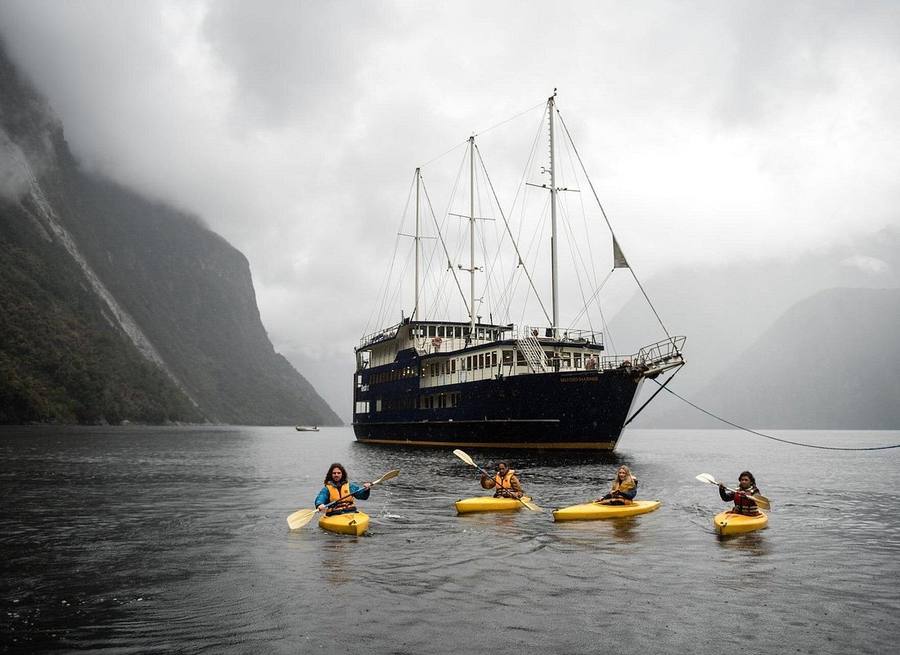
New Zealand's South Island is the centrepiece of the itinerary. Queenstown earns its reputation as the adventure capital of the world — bungee jumping, skydiving, and jet boating on your doorstep, with one of the world's most dramatic lakeside settings for the evenings. The drive to Milford Sound passes through mountain passes and ancient rainforest before delivering you to a fiord where waterfalls cascade 1,200 metres directly into still black water. Kayaking here, with no sound except the calls of birds and the distant rumble of falls, is extraordinary.
Fiji provides the perfect close — three to five days on the Mamanuca or Yasawa islands, where the snorkelling is world-class, the pace of life is genuinely unhurried, and the sunsets over the Pacific make the long flight home feel particularly cruel. This is a trip best done December through February for New Zealand summer, though Australia and Fiji reward visitors year-round.
✨ Why This Trip?
The Big Picture
This is the great South Pacific adventure — three of the most spectacular destinations on Earth, each completely different from the last. Australia gives you a world-class city buzzing with culture, the most biodiverse marine ecosystem on the planet, and the haunting silence of the Red Centre under a sky full of stars. Then you cross to New Zealand: collect your campervan keys and drive through landscapes so dramatic they were chosen to represent Middle-earth — ancient fiords, hobbit holes, and vine-covered wine valleys. Finally, Fiji is your reward — four nights in one place, no packing up, no more airports. A ring of turquoise water, white sand underfoot, and a stilted bungalow hanging over a lagoon so clear you can see the reef from your bed. After 19 days of moving, you stay put and do absolutely nothing — or everything the ocean has to offer.
🇦🇺
Sydney, Australia
Fly into Sydney Kingsford Smith Airport · Stay near Circular Quay or the CBD
Days 1–3
🎫 Must-Do Experiences — Sydney
🎫 Powered by Viator · 8% commission on every booking
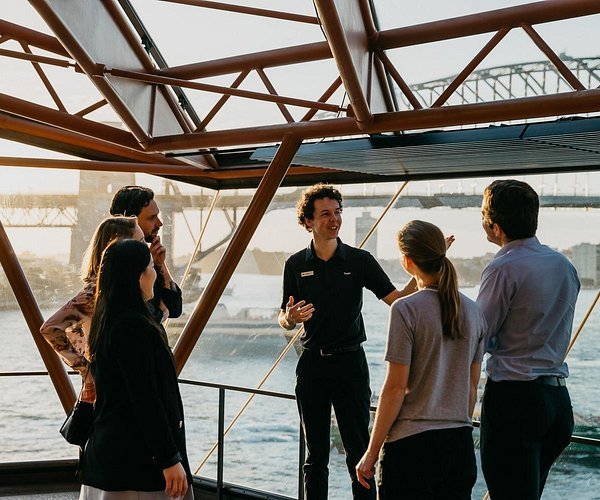
The Sydney Opera House is one of the most recognisable buildings on Earth — and it looks even more extraordinary from the inside. Jørn Utzon's sail-shaped shells, completed in 1973 after 14 years of construction, enclose a complex of six performance venues that together host over 1,800 performances a year. A backstage guided tour takes you through the Concert Hall (home of the Sydney Symphony), the Joan Sutherland Theatre, the green rooms, and the structural engineering marvels that make the roof shells possible — including the remarkable fact that the building's famous form was derived from peeling a sphere.
Book a guided morning tour and return that evening for a performance — the Opera House is equally spectacular lit up at night from the outside, and seeing a Sydney Symphony concert or ballet inside the Concert Hall is one of those experiences that rewards the extra planning. The Forecourt bars are excellent for pre-show drinks with harbour views that remain genuinely stunning no matter how many times you see them.
Tour Duration
~1 hour guided
Location
Bennelong Point, CBD
Best Time
Morning tour + evening show
⭐ Why It's Worth It
The Opera House is one of those buildings where the interior genuinely lives up to the iconic exterior — the Concert Hall in particular is extraordinary, with its suspended acoustic ceiling and the warmth of the wood panelling. Do the tour in the morning and go back for a performance in the evening. Seeing it lit up from the harbour at night while waiting for your show is one of those moments that makes Sydney feel like the world's most beautiful city.
Book Tour →
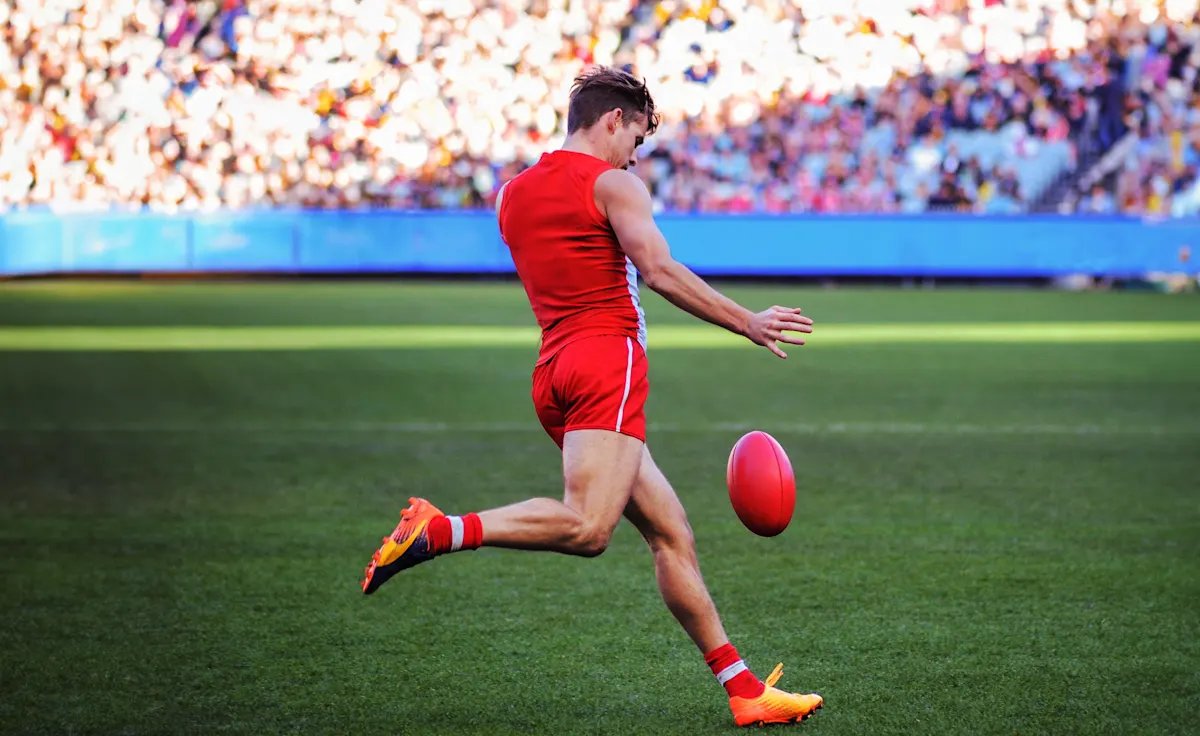
Australian Rules Football is unlike any other sport on Earth — 18 players per side on an oval pitch, no offside rule, goals scored from anywhere, and a pace and physicality that makes most other ball sports look slow. The crowd atmosphere at an AFL game is genuinely electric: the SCG (Sydney Cricket Ground) and Stadium Australia are loud, passionate venues where the sport's almost acrobatic marks (high catches) are greeted with a roar that gets into your chest.
The Sydney Swans are one of the AFL's great clubs — their rivalry with the GWS Giants means Sydney derbies are intense. Even if you have no background in the sport, a live AFL game is one of the most enjoyable sporting experiences in the world precisely because the action is continuous and the crowd explains everything you need to know. Buy a meat pie and a beer, pick a side, and shout. You'll understand the rules by half-time.
Venues
SCG or Stadium Australia
⭐ Why It's Worth It
AFL is one of those sports where you arrive not knowing anything and leave completely converted. The pace is relentless, the marks are spectacular, and the crowd noise when a player flies over a pack to take a chest mark is one of the great sounds in sport. Check the fixture before you book Sydney dates — if the Swans are playing at home, reorganise your schedule to go.
Book Tickets →
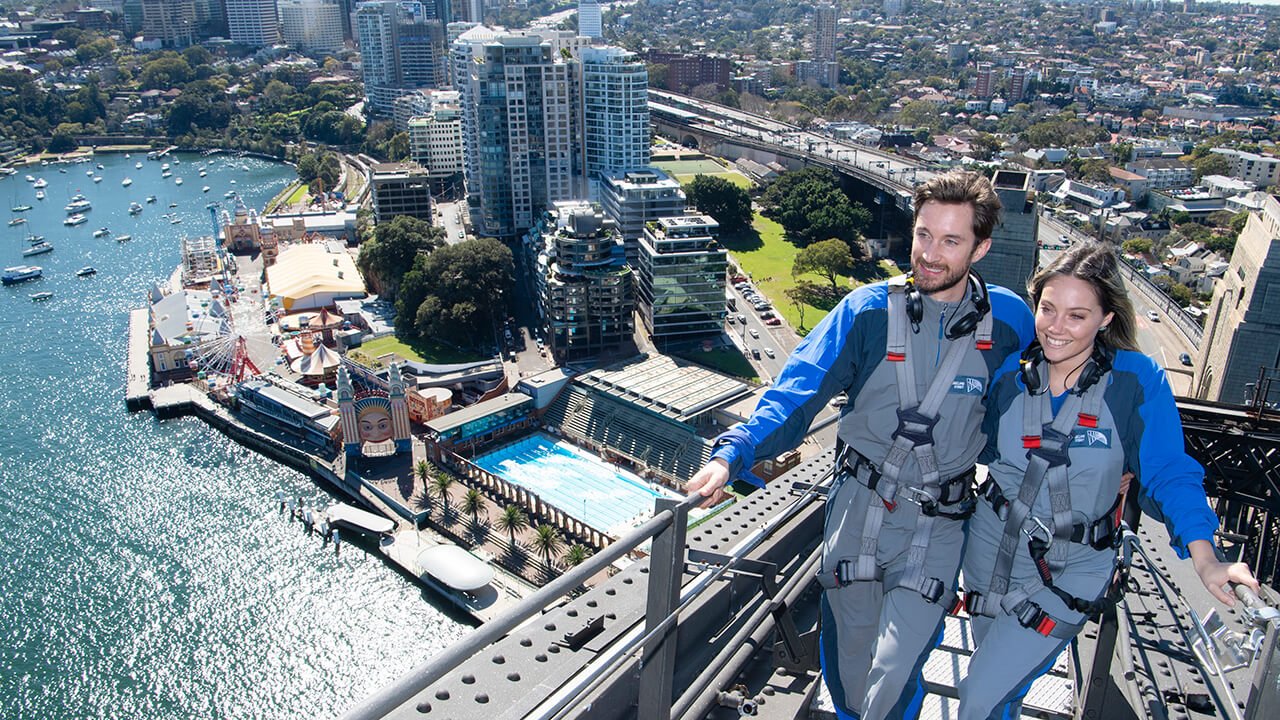
The Sydney Harbour Bridge Climb takes you up the steel arch of one of the world's most iconic structures to 134 metres above the harbour — higher than the pylons, high enough to see the Opera House, the CBD skyline, Bondi in the distance, and the entire sweep of the harbour stretching west. The climb is guided in small groups, takes about 3.5 hours, and requires no experience — you're clipped to the structure throughout. What changes with the sunset timing is the quality of the light: the harbour turns gold, the Opera House glows, and the city below transitions from afternoon to evening while you're standing above it all.
The view from the summit is genuinely one of the great urban views in the world. Sydney's geography — the harbour cutting deep into the city, surrounded by sandstone headlands and golden-roofed suburbs — is extraordinary from this height, and the scale of the bridge itself (the world's largest steel arch bridge) only becomes apparent when you're standing on it. BridgeClimb runs morning, afternoon, twilight, and night climbs; the twilight option is the most popular and with good reason.
Best Timing
Twilight (most popular)
⭐ Why It's Worth It
The Harbour Bridge Climb is one of those experiences that exceeds the expectation set by the photos. Being on top of the arch — the city below you, the harbour spread out in every direction, the Opera House directly across the water — is genuinely spectacular in a way that a static view from the ground isn't. Book the twilight climb. Watching Sydney light up from 134m while still in the warm air is about as good as it gets.
Book Climb →
🏨 Where to Stay — Sydney
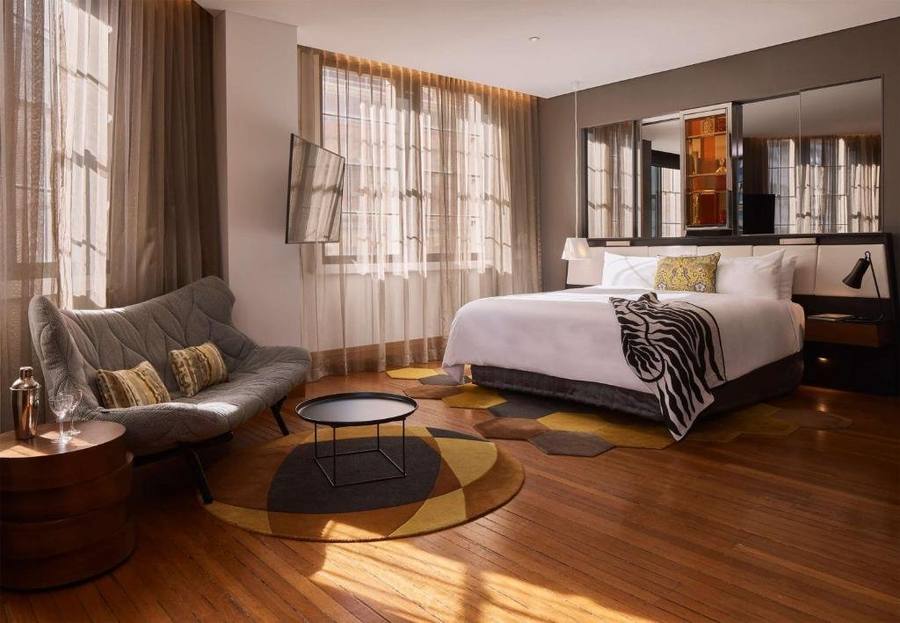
QT Sydney
⭐⭐⭐⭐⭐ · ~$280–380/night
Art deco exterior, aggressively cool interior — bold artworks, dark marble bathrooms, and a location smack between the Opera House and Darling Harbour. The rooftop bar is one of Sydney's finest.
Book on Booking.com →
✈️
Sydney → Cairns · ~3h flight
Fly direct with Qantas or Jetstar — multiple daily flights, book 4–6 weeks ahead for the best fares (~$80–160 AUD). Cairns is the gateway city for the Great Barrier Reef. Most reef tours depart early morning from the Cairns marina.
🐠
Great Barrier Reef, Cairns
Outer reef · Coral Sea · Queensland, Australia
Days 4–6
🎫 Must-Do Experiences — Great Barrier Reef
🎫 Powered by Viator · 8% commission on every booking
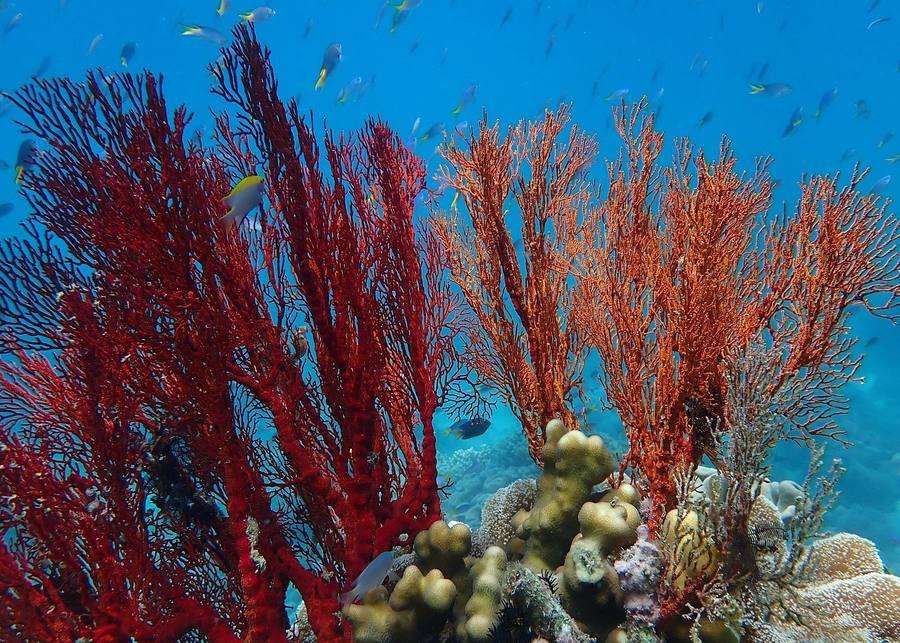
The Great Barrier Reef is the world's largest living structure — 2,300 kilometres of coral system stretching from Cape York to the Whitsundays, home to more than 1,500 species of fish, 4,000 types of mollusc, and 600 species of hard and soft coral. The outer reef is a different world from the inshore: crystal-clear visibility, coral walls dropping hundreds of metres, and marine life so dense you float above it feeling like you're inside the world's most complex aquarium.
A day trip from Cairns reaches the outer reef in about 90 minutes and gives you 3–4 hours in the water — extraordinary by any measure. For the real experience, a two-day liveaboard anchors at multiple reef sites across two days and nights, including night dives where the reef transforms completely. Certified divers can penetrate coral walls, drift through bommies covered in sea fans, and encounter reef sharks, barracuda, and manta rays in areas day boats don't access. Non-divers can have a genuinely exceptional experience snorkelling the outer reef's shallows, where visibility regularly reaches 20–30 metres and the coral formations immediately below the surface are spectacular.
Day Trip Cost
~$180–250 AUD
Liveaboard Cost
~$500–750 AUD/2 days
Departs From
Reef Fleet Terminal, Cairns
Best Time
Apr–Oct (clearest water)
⭐ Why It's Worth It
The Great Barrier Reef is one of those things that you think you understand before you go — you've seen the photos, read the statistics — and then you put your face in the water and the sheer scale and density of life completely exceeds everything you expected. Book the liveaboard if you can. The night dive alone, with the reef bioluminescent in the dark water, is worth the extra night.
Book Tour →
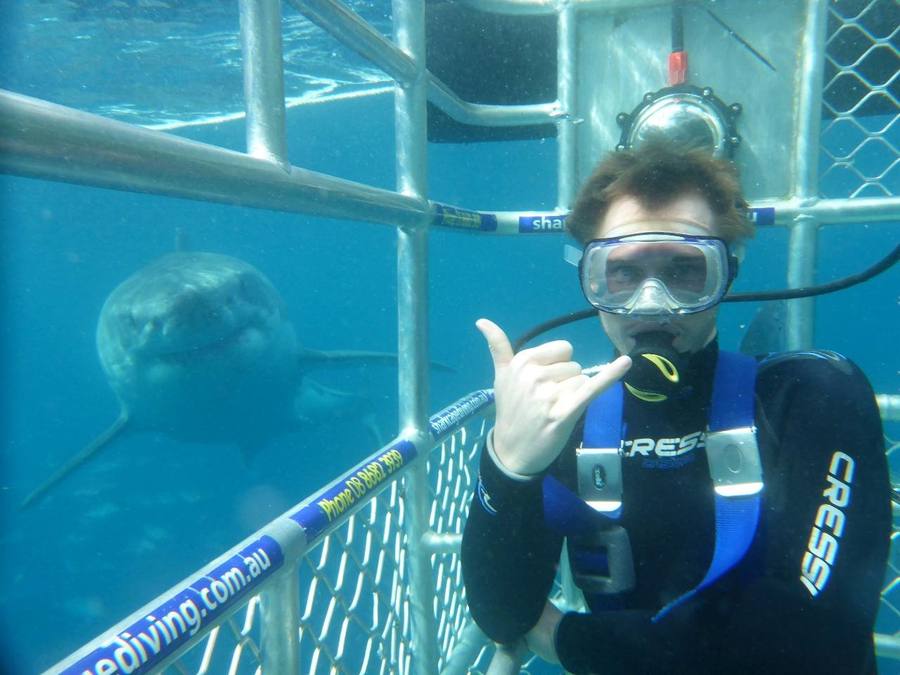
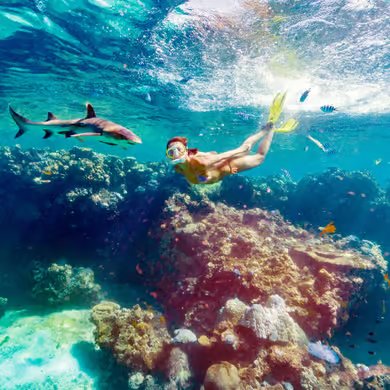
The waters of the Coral Sea around Cairns and Port Douglas are home to some of the highest concentrations of reef sharks in the Indo-Pacific — whitetip reef sharks, grey reef sharks, silvertips, and the occasional hammerhead patrol the outer reef walls and channels in numbers that make the Great Barrier Reef one of the world's premier shark diving destinations. Scuba Junkie operates both cage diving experiences (accessible to non-divers) and open-water shark dives for certified divers wanting a more immersive encounter.
Cage diving removes the need for any diving certification — you float in a reinforced cage at the surface or just below, watching sharks move through the water with an unhurried authority that makes you recalibrate your relationship to the ocean. Open-water encounters for certified divers are a different experience entirely: hovering on the reef wall as a reef shark passes a metre away, completely unbothered by your presence, is one of the most adrenaline-rich moments available in Australian waters.
Certification
None needed for cage
Departs
Cairns or Port Douglas
Species
Whitetip, grey, hammerhead
⭐ Why It's Worth It
Shark cage diving is one of those experiences where your brain spends the whole time telling you one thing and your body experiences something completely different — the sharks are calm, methodical, and completely uninterested in you, which is both reassuring and somehow more impressive than if they'd been aggressive. Far more thrilling than anything in a tank and the memory lasts forever.
Book Tour →
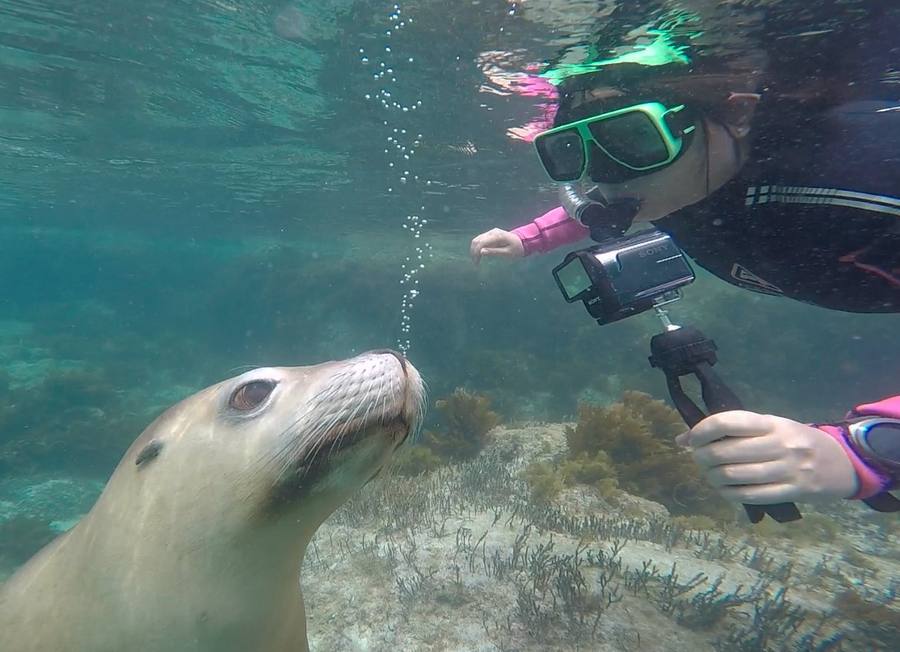
Sea lions are the Labradors of the ocean — curious, playful, and utterly unafraid of humans. In the water they become something else entirely: acrobatic, impossibly fast, and deeply mischievous. They'll spiral around you, blow bubbles directly in your face, nibble at your fins, and perform somersaults at close range that leave you laughing into your mask. Unlike sharks, which are passive and impressive, sea lions want to interact — they will actively seek you out and put on a show.
Sea lion encounters in the waters off South Australia and Queensland offer some of the most joyful wildlife experiences available in the country. The animals are wild and unmanaged — this is not a marine park — but they have been habituated to snorkellers through decades of interaction and approach on their own terms. The contrast with the serious drama of shark diving makes a sea lion swim one of the most purely enjoyable hours you can spend in Australian waters.
Duration
~1–2 hours in water
⭐ Why It's Worth It
A sea lion swim produces a specific kind of laughter that I haven't experienced with any other wildlife — the kind that comes from a wild animal clearly enjoying the interaction as much as you are. When a sea lion spirals around you three times and then stops to stare at you from 30cm away, you understand exactly why people describe them as the Labradors of the sea. Purely joyful.
Book Tour →
🏨 Where to Stay — Cairns
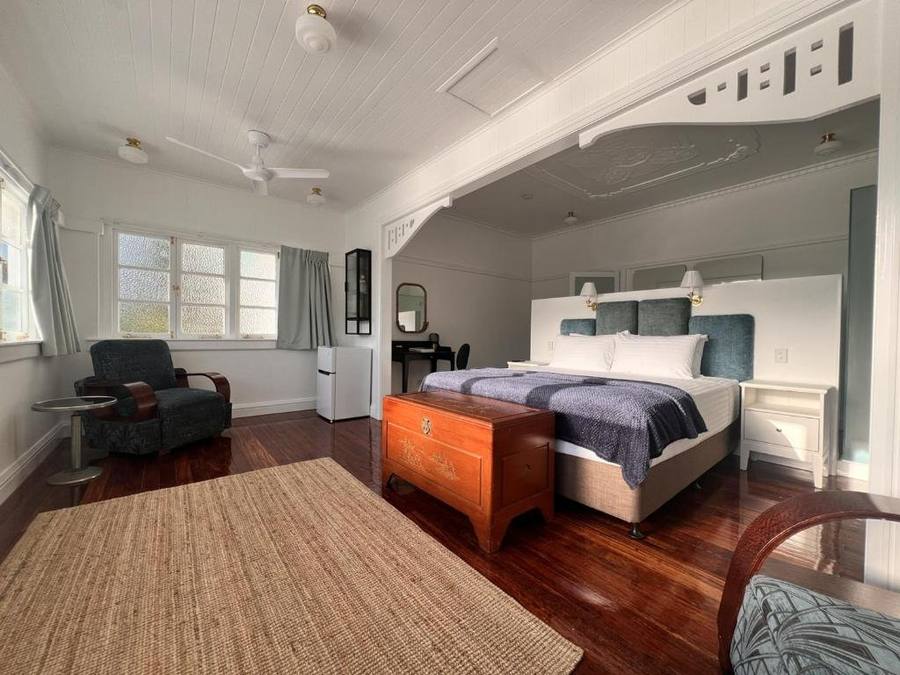
Floriana Guesthouse, Cairns
⭐⭐⭐⭐ · ~$160–220/night
A beautiful Queenslander-style boutique guesthouse with a tropical garden and pool — 5 minutes walk from the Cairns marina where all reef boats depart. Intimate, beautifully run, and well-priced for the quality.
Book on Booking.com →
✈️
Cairns → Uluru (Ayers Rock) · ~3.5h flight via Alice Springs
Fly Cairns → Alice Springs with Qantas or Rex, then connect to Ayers Rock Airport (about 1h 45min total with connection). Alternatively fly direct Cairns → Ayers Rock if available. Hire a car at the airport — you'll need wheels to move between Uluru, Kata Tjuta, and your resort.
🪨
Uluru, Red Centre
Uluru-Kata Tjuta National Park · Northern Territory, Australia
Days 7–8
🎫 Must-Do Experiences — Uluru
🎫 Powered by Viator · 8% commission on every booking
The Sounds of Silence dinner is the most celebrated outdoor dining experience in Australia — and after experiencing it, you understand why it has operated continuously for decades and requires booking months in advance. Tables are set on a dune overlooking Uluru as the sun descends, turning the rock from amber to deep red to purple in the twenty minutes before darkness. Champagne arrives. The outback silence — which is not silence at all but the calls of desert birds and the distant sound of didgeridoo — settles around you.
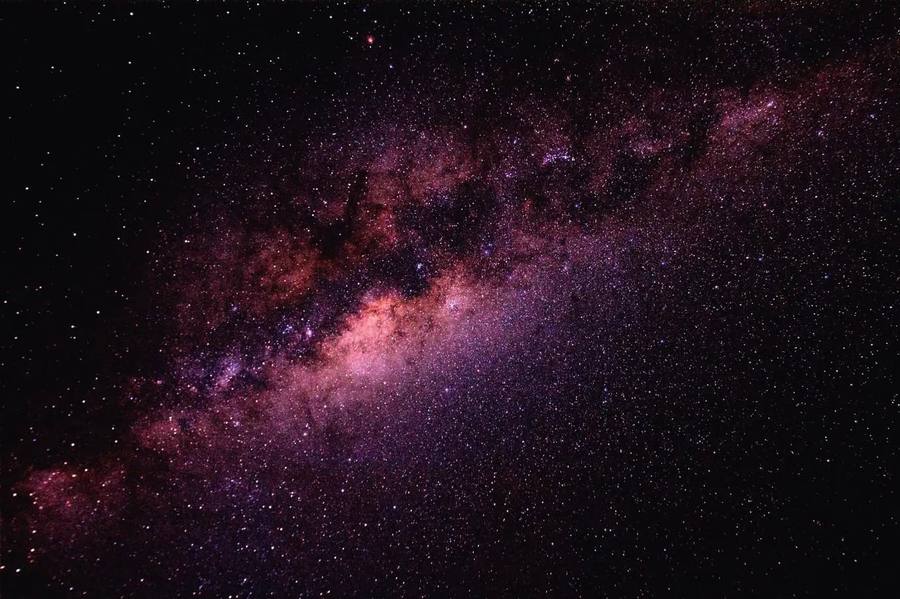
After dinner, the resident astronomer takes over: with zero light pollution for hundreds of kilometres in any direction, the southern sky opens up in a way that most people have never experienced. The Milky Way hangs so dense and close it appears three-dimensional. The guide explains the Anangu astronomical traditions that have mapped and named this sky for 65,000 years — including the Emu in the Sky, a constellation defined by the dark space between the stars rather than the stars themselves. It is genuinely one of the most extraordinary evenings available anywhere in the world.
Book Ahead
Months in advance
Includes
Champagne, bush tucker menu
⭐ Why It's Worth It
The Sounds of Silence is one of those experiences where every element — the location, the food, the timing, the astronomy — is exactly right. Watching Uluru turn blood red at sunset from a table in the desert, then looking up to see the Milky Way filling the entire sky above you, is the kind of moment that doesn't leave you. Book it the day you confirm your Uluru dates. It sells out months ahead in peak season.
Book Tour →
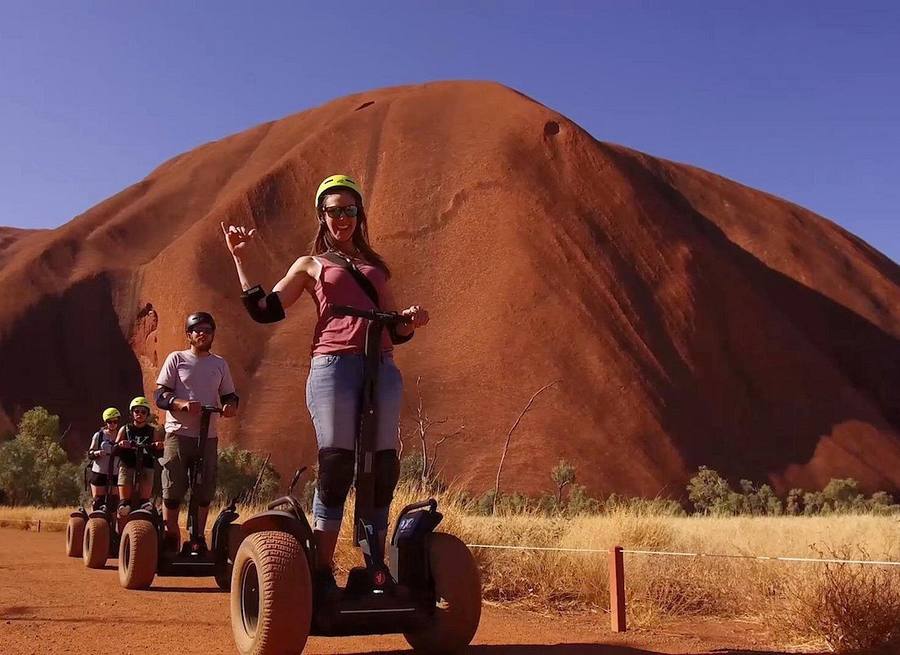
Uluru's base walk covers 10.6km of the rock's full circumference — a journey past ancient rock art galleries, sacred waterholes, and geological formations that have been part of continuous Anangu cultural tradition for at least 60,000 years. On a Segway, the full circumference becomes a smooth glide through the pre-dawn desert as the rock transitions from grey to purple to deep orange to blazing red in the minutes after sunrise — one of the most dramatic natural light shows on Earth, experienced at exactly the right pace.
The Anangu people consider Uluru a deeply sacred site and ask visitors not to photograph certain sections — the Segway guide explains which areas are restricted and why, giving the circumference a dimension of genuine cultural understanding that is absent from an unguided walk. The rock up close is also larger than expected: the exposed monolith rises 348 metres above the desert floor, but 2.5 kilometres of its total bulk extends underground. Seeing the scale from the base rather than a viewpoint is a completely different experience.
Distance
10.6km circumference
Best Time
Sunrise (most dramatic)
Rock Height
348m above desert floor
⭐ Why It's Worth It
Uluru at sunrise is on the shortlist of experiences that genuinely exceed every expectation. There's something about watching a 600-million-year-old monolith turn from purple to blood red in the space of twenty minutes — in absolute desert silence — that resets your sense of scale. The Segway format means you cover the full circumference with energy left to appreciate it, rather than exhausted at the halfway point.
Book Tour →
Kata Tjuta — 36 enormous domed rock formations rising from the desert plain 50km west of Uluru — is as dramatically impressive as its famous neighbour and far less visited. The Valley of the Winds walk, a 7.4km circuit through the gorges between the domes, is one of the finest walks in Australia: red conglomerate walls narrowing to a few metres above you, desert silence so complete it has a texture of its own, and views across the outback plain extending to the horizon in every direction.
Kata Tjuta is geologically distinct from Uluru — the domes are conglomerate rather than sandstone, and their sacred significance is different and in many respects deeper, with sections that are restricted from public disclosure entirely. The scale of the formations only becomes apparent inside the gorges, where the domes rise 500 metres above the track and the sense of being inside an ancient landscape is overwhelming. Visit at sunset: the rock turns a deep blood red that rivals Uluru, and the combination of warm light and the scale of the formations at dusk is extraordinary.
Best Time
Early morning or sunset
From Uluru
~50km west, 30 min drive
⭐ Why It's Worth It
Kata Tjuta is the outback experience that surprises most visitors — less famous than Uluru but equally dramatic, and the Valley of the Winds walk is one of the finest desert hikes in the world. If you have three days in the Red Centre, use the third for a sunset visit here. The scale of those red domes in low evening light is genuinely extraordinary and very few visitors make the extra 50km to see it.
Book Tour →
🏨 Where to Stay — Uluru
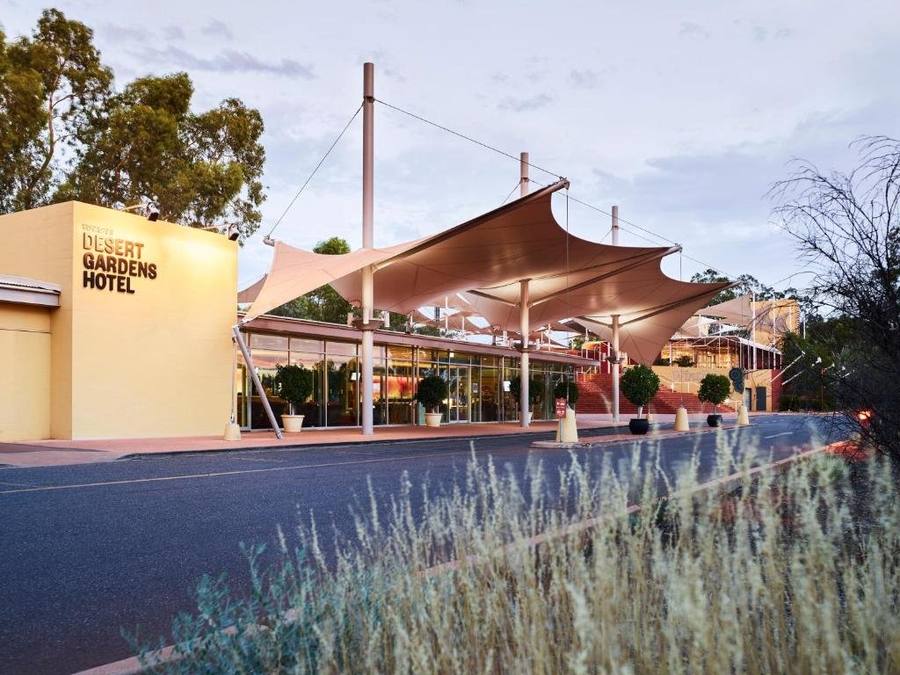
Desert Gardens Hotel, Ayers Rock Resort
⭐⭐⭐⭐ · ~$280–380/night
Set within a native garden inside the resort precinct — some rooms have direct views of Uluru. Pool, spa, and multiple restaurants on-site. The only accommodation genuinely close to the rock — everything else requires a long drive.
Book on Booking.com →
✈️
Uluru → Auckland, New Zealand · ~5h flight via Sydney
Fly Ayers Rock → Sydney (1.5h) then connect to Auckland (3h). Pick up your campervan at Auckland Airport on arrival. Stock up at a supermarket in Auckland before heading south. The South Island is the highlight but allow a day in Auckland first.
🇳🇿
New Zealand — South Island by Campervan
Auckland → Christchurch · Drive the iconic SH6 south
Days 9–15
🎫 Must-Do Experiences — New Zealand
🎫 Powered by Viator · 8% commission on every booking
Milford Sound is Rudyard Kipling's "eighth wonder of the world" — a 15km fiord carved by glaciers into the rock of Fiordland, flanked by cliffs that rise over 1,200 metres from the water's surface and fed by waterfalls that appear from nowhere after rain. Mitre Peak, rising 1,692 metres directly from the water at the sound's entrance, is one of the most immediately dramatic natural forms in the southern hemisphere. In a kayak at dawn, before the tourist boats arrive, the scale and silence of the place are overwhelming.
The Milford Road itself — a 119km drive through the Homer Tunnel and down into the fiord — is one of the world's great mountain drives, passing through sub-alpine valleys, hanging glacier faces, and limestone bluffs before emerging at sea level into the sound. Allow most of a day for the drive each way. Guided kayak tours depart before the first cruise boats and give you 2–3 hours on the water in conditions of near-total quiet — just the sound of waterfalls and occasional kea calls from the cliffs above.
Fiord Length
15km to Tasman Sea
Mitre Peak
1,692m from sea level
From Queenstown
~4 hours drive
Best Time
Dawn (before tour boats)
⭐ Why It's Worth It
Milford Sound is one of those places where the photographs you've seen genuinely do not prepare you for the experience of being there. The scale — 1,200-metre cliffs rising directly from water you're sitting in a kayak on — is something your brain has to calibrate in real time. The dawn light hitting the waterfalls before the tour boats arrive is the New Zealand experience at its most pure and most powerful.
Book Tour →
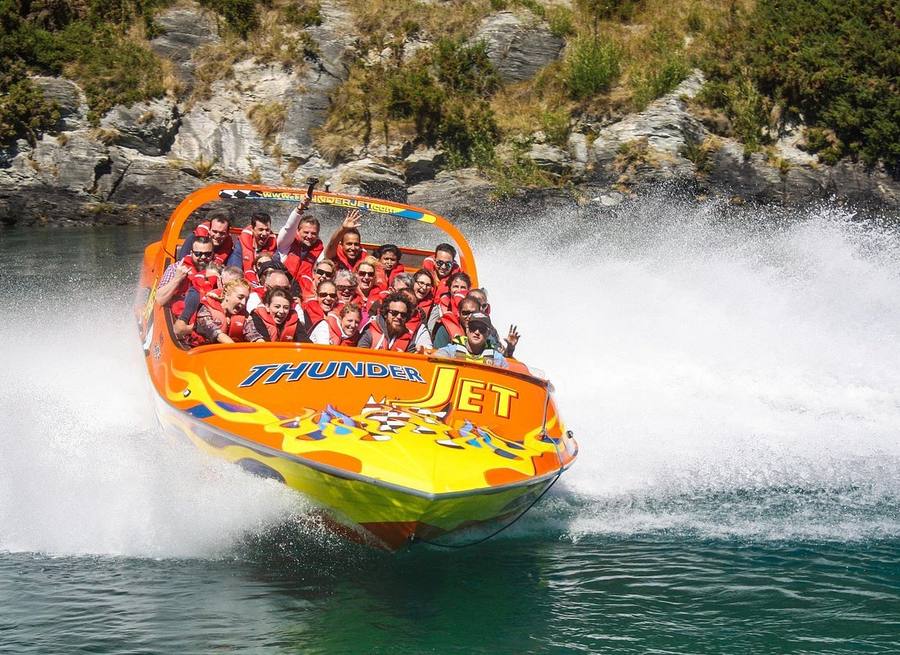
The Shotover Jet is the most famous jet boat experience in the world — 25 minutes of white-knuckle 360° spins through the Shotover Canyon at speeds reaching 85km/h, with canyon walls passing close enough to touch and the driver performing full-spin manoeuvres that leave you completely disoriented in the most exhilarating way possible. Queenstown built its reputation as the adventure capital of the world partly on this boat.
The canyon itself is spectacular regardless of speed — carved by the Shotover River through schist rock into narrow gorges where the water runs fast and shallow. The jet boat's flat-bottomed design allows it to operate in as little as 10cm of water, which is what makes the canyon-hugging routes possible. The 360° spins are not a gradual drift — they are an immediate flat spin at full speed that produces a uniform reaction from every passenger on every run. Book it early in your Queenstown stay so you have something to talk about over dinner that evening.
Duration
~25 minutes on water
Location
Queenstown, South Island
⭐ Why It's Worth It
The Shotover Jet is 25 minutes long and you will talk about it for days. The 360° spins at 85km/h with the canyon wall a metre from your face produce a specific kind of exhilaration — helpless, immediate, and completely involuntary — that very few experiences match. The driver is clearly having exactly as much fun as you are, which somehow makes it even better. Don't skip this.
Book Tour →
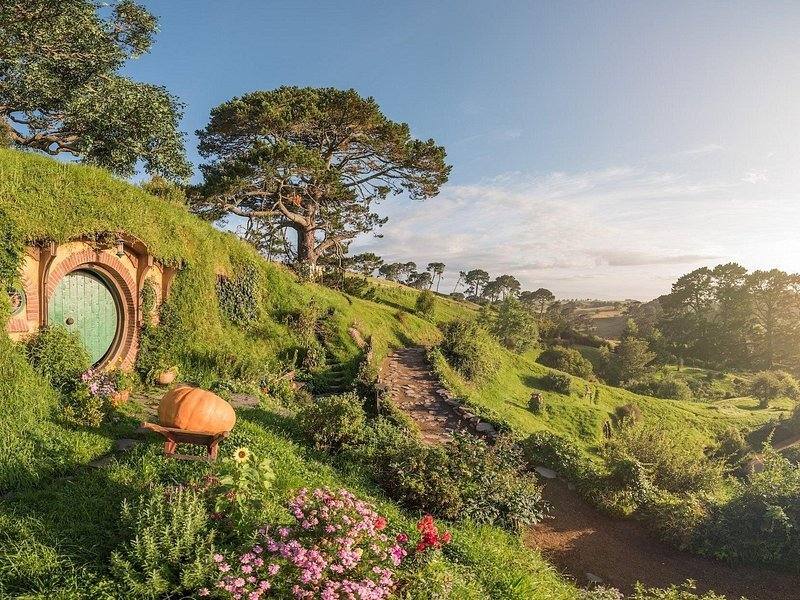
The Hobbiton Movie Set at Matamata is the only permanently preserved Lord of the Rings film location in New Zealand — 44 hobbit holes built into the hillside of a working sheep farm, with the Green Dragon Inn, the Party Tree, Bag End's famous round green door, and the whole scale model of the Shire exactly as Peter Jackson built it. Unlike most film sets, Hobbiton was not dismantled after production: the farm's owners and Warner Bros. made it permanent, and the result is the most immersive film set experience available anywhere in the world.
The guided tour (the only way to visit) takes about 2 hours and explains both the filmmaking process and the extraordinary detail in the set's construction — the hobbit doors are scaled differently for different characters, the gardens are planted with vegetables and flowers that were growing in the films, and the whole hillside has been landscaped to exactly match Peter Jackson's vision of Middle-earth. The tour ends with a complimentary drink at the Green Dragon Inn, where the fires are lit and the detail of the interior is as complete as the exterior. Book weeks in advance — this sells out consistently regardless of season.
Location
Matamata, Waikato
Tour Duration
~2 hours guided
Booking
Weeks ahead — always
⭐ Why It's Worth It
Hobbiton is one of those experiences that works whether you're a Lord of the Rings fan or not. The set is simply beautiful — a perfectly realised version of a pastoral English-New Zealand landscape that is more charming and more detailed than any photograph prepares you for. Standing at Bag End's round green door with the Party Field below you and the Shire stretching across the valley is a genuinely delightful experience. Don't underestimate it.
Book Tour →
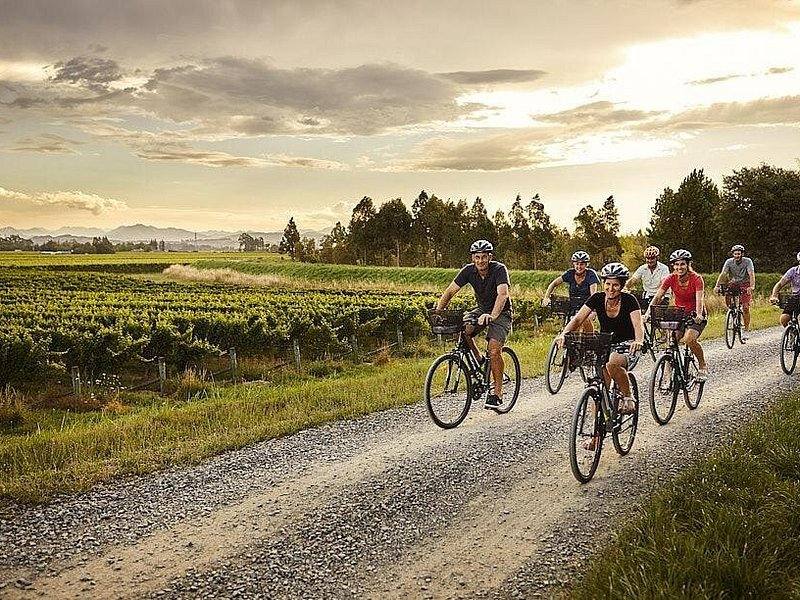
The Marlborough wine region in the Wairau Valley around Blenheim produces some of the world's finest Sauvignon Blanc — the variety that put New Zealand on the global wine map and which, in its Marlborough expression, has a distinctive intensity of passionfruit, lime, and fresh herb that no other wine region quite replicates. Cycling between the cellar doors on flat valley roads — lined with vines, backed by mountains, and connecting estates that range from boutique family operations to internationally famous producers — is a very specific and very excellent way to spend a day.
The bike wine tour is the perfect counterpoint to a week of adrenaline and outdoor adventure: slow, relaxed, and genuinely luxurious in the unpretentious New Zealand way. Most estates offer tasting flights of four to six wines for $10–20 NZD; the staff are knowledgeable and unpretentious. The Wairau Valley is also exceptionally beautiful — golden late-afternoon light through the vines, the Richmond Range above, and the quality of the air at this latitude that makes every colour slightly more vivid than you expect.
Region
Wairau Valley, Blenheim
Key Variety
Sauvignon Blanc
Tasting Cost
~$10–20 NZD/estate
Best Time
Afternoon (golden light)
⭐ Why It's Worth It
After a week of jet boats, fiords, and campervan driving, a day cycling slowly between wine estates in the Wairau Valley is exactly the right gear change. The Marlborough Sauvignon Blanc is genuinely world-class — not expensive, not pretentious, just excellent wine in a beautiful valley with unhurried people who are happy to explain what makes their wine different from their neighbours'. One of the most civilised afternoons in New Zealand.
Book Tour →
🏨 Where to Stay — New Zealand (Campervan + Base)

Campervan Hire — New Zealand
🚐 Self-Drive · ~$100–180/night
A campervan is the definitive way to do New Zealand. Pick up in Auckland, drop off in Christchurch. DOC campgrounds cost $8–15/night and put you in places no hotel can reach — lakeside, mountain passes, empty beaches. Book months ahead in December–February.
Compare Campervans →
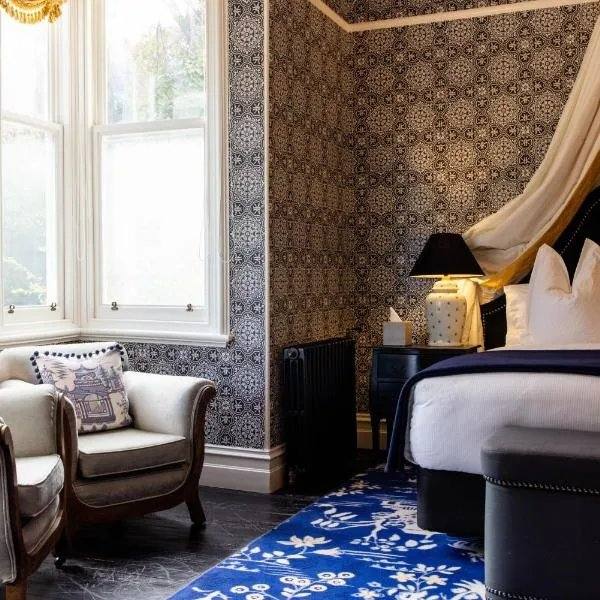
Hulbert House, Queenstown
⭐⭐⭐⭐⭐ · ~$250–330/night
Treat yourself to one proper hotel night — this restored 1880 Victorian villa has just 6 suites, Lake Wakatipu views, and freshly baked sourdough breakfast. A stunning contrast to the campervan experience and worth every dollar after a week on the road.
Book on Booking.com →
✈️
Christchurch / Auckland → Nadi, Fiji · ~3–4h flight
Fiji Airways flies direct from Auckland and Christchurch to Nadi International Airport. Book well ahead for the best fares. From Nadi, a short domestic flight or fast ferry reaches the Mamanuca or Yasawa island groups — where most overwater bungalows are located. Your resort will arrange transfers when you book.
🇫🇯
Fiji — Mamanuca or Yasawa Islands
Fly into Nadi International · Island transfer to your resort
Days 16–19
🎫 Must-Do Experiences — Fiji
🎫 Powered by Viator · 8% commission on every booking
An overwater bungalow is the defining Fiji experience — a stilted room built directly above the lagoon, with a private deck over the water, a staircase descending directly into the coral reef below, and a view across the Pacific that disappears into the horizon. The Fiji Marriott Resort Momi Bay has 22 adults-only overwater bures that are the most accessible in Fiji: just 45 minutes from Nadi airport, no boat transfer, no domestic flight, no logistics. You arrive, you never want to leave.
The bures themselves are extraordinary: high vaulted ceilings in the traditional Fijian style, freestanding soaking tubs positioned facing the ocean view, king beds with the lagoon visible through a glass floor panel, and a deck large enough to spend the entire day on without feeling you've missed anything. The resort has five restaurants, three pools, a full spa, snorkelling equipment, kayaks, and a dive centre — all on-site, all excellent. After 19 days moving through Australia and New Zealand, four nights here is the precisely right ending to this trip.
From Nadi Airport
45 minutes (no transfer)
Overwater Bures
22 adults-only
Best Season
May–October (dry season)
⭐ Why It's Worth It
Waking up in an overwater bungalow with the lagoon visible through the glass floor panel, stepping off the deck stairs directly into 28°C water above a coral reef, and eating breakfast on the deck as the sun rises over the Pacific — this is what the end of this trip should feel like. Stay all four nights. Do not island-hop. The whole point of Fiji is decompressing completely, and you can't do that if you keep moving.
Book on Booking.com →
Fiji's reefs are some of the most biodiverse in the South Pacific — soft coral in neon pinks, purples, and oranges covers every surface of the reef structure, and the marine life above it includes reef sharks gliding through the shallows, green sea turtles grazing on seagrass beds, eagle rays cruising the channels, and schools of tropical fish dense enough to create moving walls of colour. At the Marriott Momi Bay, the reef begins immediately at the base of the overwater bure stairs — you can snorkel directly from your room without booking a tour.
For more structured shark encounters, the resort's dive centre offers guided snorkel and dive trips to the outer reef sites where bull sharks and larger pelagic species are regularly sighted. The clarity of Fijian water — visibility regularly exceeding 30 metres — makes both snorkelling and diving here among the finest in the world. Even a casual morning snorkel from the beach will typically produce encounters with blacktip reef sharks, which are completely harmless to snorkellers and have become habituated to human presence over decades of tourism.
Key Species
Reef sharks, turtles, rays
Access
Off the resort beach
⭐ Why It's Worth It
Snorkelling in Fiji is a qualitatively different experience from most reef snorkelling — the soft coral density and colour is extraordinary, the water clarity is exceptional, and the reef sharks are close enough to be thrilling without being threatening. The combination of stepping off your overwater bure deck directly onto the reef is one of those travel moments that makes you feel like the world is genuinely abundant in extraordinary things.
Book Tour →
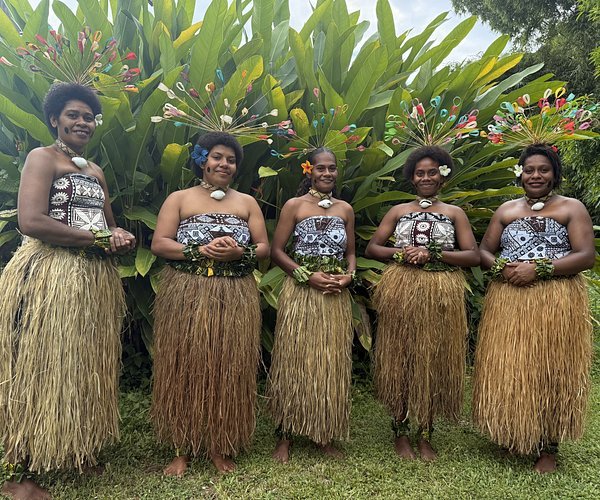
Fijians have a global reputation for warmth that is, if anything, understated. A traditional village visit organised through your resort is one of the most genuine cultural experiences available in the South Pacific: you are welcomed as a guest by the village chief in the bure (communal house), participate in the sevusevu ceremony (the formal presentation of kava root as a mark of respect), and then experience the preparation and drinking of kava — a muddy-looking, slightly bitter drink made from ground kava root that produces a mild numbing of the lips and a warm, relaxed feeling that explains its central role in Fijian social life.
After the kava ceremony, a lovo feast — food cooked in an underground stone oven — is typically prepared: whole fish, chicken, pork, and root vegetables wrapped in leaves and slow-cooked for hours until extraordinarily tender and smoky. The meal is eaten communally on woven mats. Fijian hospitality is not performed for tourists — it is the actual way of things, and a genuine village visit makes this apparent immediately. Your resort's cultural programme will arrange everything; all that's required is removing your shoes at the bure entrance and accepting the kava bowl with two hands.
Duration
Half day with feast
Dress Code
Modest, shoulders covered
Kava
Accept with both hands
Organised By
Resort cultural programme
⭐ Why It's Worth It
The kava ceremony is one of those experiences where you arrive slightly uncertain and leave completely won over. The warmth is genuine — not a performance for tourists but the actual way Fijian communities receive guests — and the combination of the ceremony, the feast, and the village hospitality produces a feeling of having been genuinely welcomed somewhere rather than merely attended to. The children are also absolutely irresistible.
Book Tour →
🏨 Where to Stay — Fiji
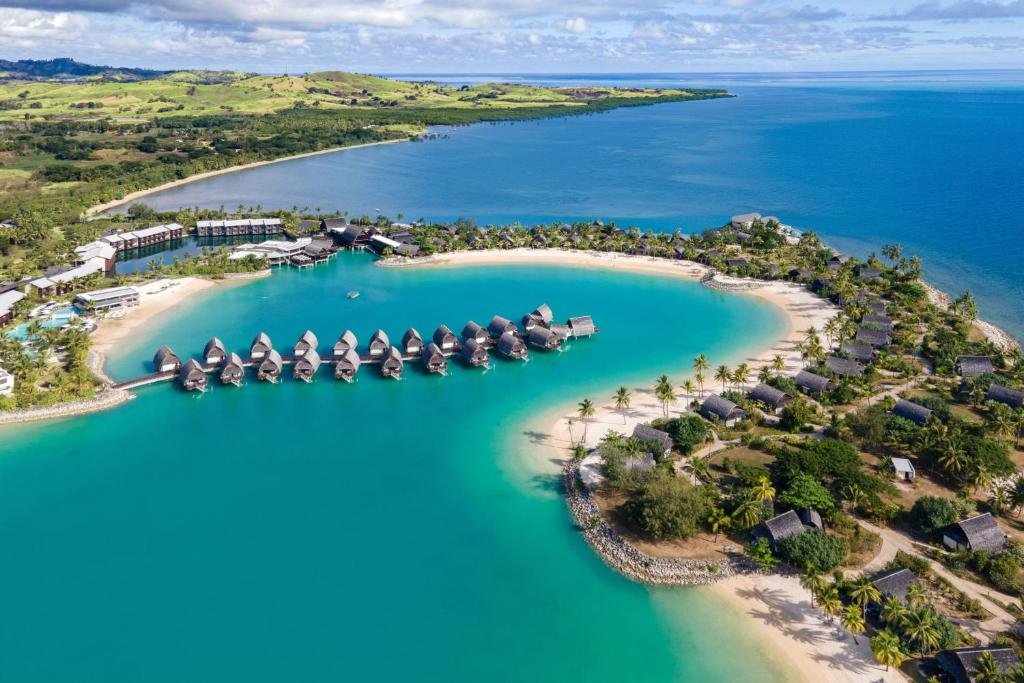
Fiji Marriott Resort Momi Bay
⭐⭐⭐⭐⭐ · ~$380–450/night (overwater bure)
The most accessible overwater bungalow resort in Fiji — just 45 minutes from Nadi airport, no boat transfer or domestic flight needed. 22 adults-only overwater bures sit directly above the lagoon with private stairs into the water, high vaulted ceilings, soaking tubs, and panoramic ocean views. Five restaurants, three pools, a full spa, snorkelling, diving, and kayaking all on-site. Stay all 4 nights and don't move — this is exactly what the end of this trip should feel like.
Book on Booking.com →
❓ Frequently Asked Questions
What is the best 19-day Australia, New Zealand and Fiji itinerary? +
Fly into Sydney for 3 days, then head to Cairns for Great Barrier Reef diving (2–3 days). Fly to Uluru for 2 nights in the Red Centre. Cross to Auckland and work south through New Zealand — Hobbiton, Queenstown, Milford Sound, and Marlborough — over 7 days by campervan. Finish with 4 nights in Fiji at an overwater bungalow. This routing makes the most of flight connections and builds perfectly to a beach finale.
How many days do you need in New Zealand? +
Seven days is the minimum to do the South Island justice — Queenstown, Milford Sound, and the drive south from Auckland via Hobbiton and Matamata. Ten days allows you to add Mt Cook, the glaciers, and the Marlborough wine region. The South Island is the priority for most first-time visitors; the North Island (Rotorua, Bay of Islands) rewards a return trip.
Is Fiji worth adding to an Australia and New Zealand trip? +
Yes — Fiji adds relatively little extra flight time from New Zealand (3–4 hours from Auckland) and provides a completely different experience. After weeks of cities and outdoor adventure, the Fijian islands offer absolute relaxation: warm turquoise water, coral reefs you can snorkel from your room, and some of the warmest hospitality in the world. Four nights is the right amount — enough to genuinely decompress, not so long it feels self-indulgent.
What is the best time to visit Australia, New Zealand and Fiji? +
April to October is the best overall window. In Australia, this covers the dry season in Queensland (Great Barrier Reef visibility is best April–October) and manageable temperatures at Uluru. In New Zealand, the South Island is accessible April–November before winter closes some high-altitude roads. Fiji is warm year-round but its dry season (May–October) is the most reliable for clear skies and calm seas. Avoid New Zealand's Queenstown in July–August unless you're skiing.
How far in advance should you book Milford Sound and Hobbiton? +
Hobbiton sells out weeks ahead regardless of season — book it the moment you confirm your dates. Milford Sound kayak tours book up 4–6 weeks ahead in peak season (December–February) and 1–2 weeks ahead in the shoulder season. The Sounds of Silence dinner at Uluru sells out months ahead in peak season (April–October) — book it the day you book your flights.
What is the best overwater bungalow in Fiji? +
The Fiji Marriott Resort Momi Bay is the most accessible — just 45 minutes from Nadi airport with no boat transfer or domestic flight required. Its 22 adults-only overwater bures sit directly above the lagoon with private reef stairs, soaking tubs, and panoramic ocean views. For more remote options, the Yasawa Island Resort and the Likuliku Lagoon Resort (also on Malolo) are extraordinary but require an additional boat transfer. For most travellers on this itinerary, the Marriott Momi Bay is the right balance of quality and convenience.
Do you need a campervan in New Zealand or can you use hotels? +
A campervan is the definitive way to experience New Zealand's South Island — DOC (Department of Conservation) campgrounds cost $8–15 per night and position you in places no hotel reaches: lakeside at Tekapo, beachside in Abel Tasman, mountain pass pullouts with no one else around. The flexibility to change your plans based on weather is also invaluable. That said, booking one excellent hotel night in Queenstown (Hulbert House is outstanding) provides a welcome contrast to van life and the chance to do laundry. Book the campervan 3–4 months ahead for December–January travel.