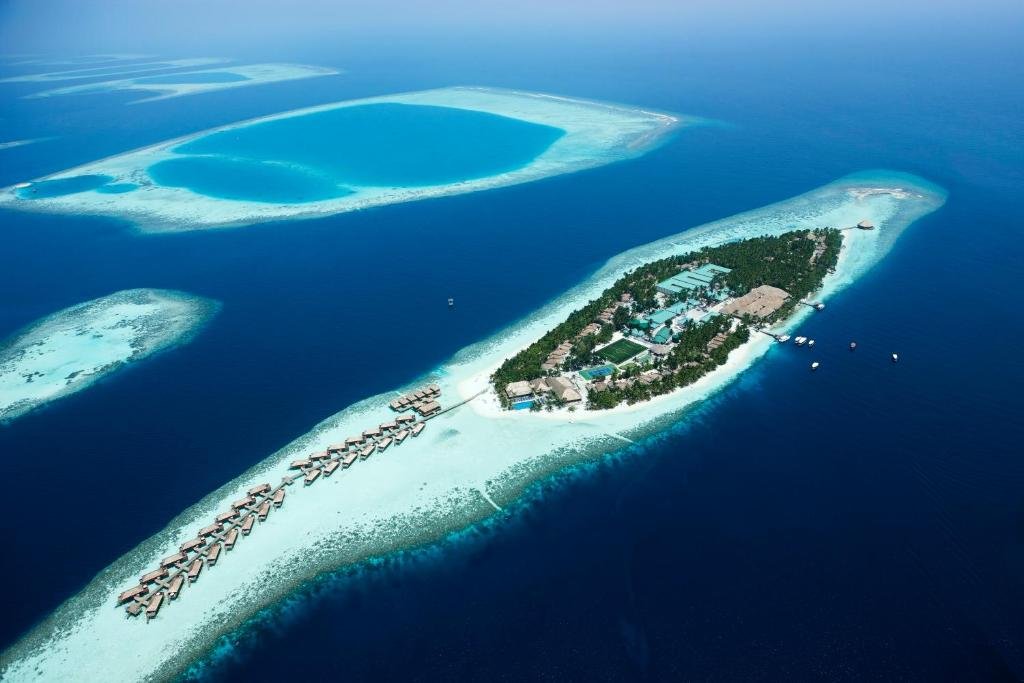
Vilamendhoo Island Resort Maldives aerial South Ari Atoll
🇲🇻

Maldives

The Ultimate Maldives Itinerary — Overwater Villas, Whale Sharks & Coral Reefs

Duration
8 days
Best Time
Nov–Apr (dry season)
Budget (resort)
$300–800/day
Budget (local island)
$80–150/day
Why the Maldives
The Maldives is 1,200 coral islands scattered across 90,000 square kilometres of the Indian Ocean — the world's lowest-lying country, averaging just 1.5 metres above sea level, with lagoons of impossible turquoise and coral reefs that still look the way reefs are supposed to look. The underwater visibility is 20–30 metres. Whale sharks circle year-round in South Ari Atoll. At Hanifaru Bay, manta rays gather in their hundreds to feed in a vortex. At night on certain beaches, bioluminescent plankton turns the breaking waves electric blue. The Maldives rewards people who go in the water. If you spend your entire trip on a sun lounger, you have missed the point.
🇲🇻
Arrival — Malé & Transfer
International gateway · Seaplane or speedboat connections · Local island or resort check-in
Days 1–2

✈️ Getting There & Settling In

✈️
Flying to Malé
Velana International Airport in Malé is the hub for all Maldives arrivals. Most visitors connect via Dubai (Emirates), Doha (Qatar Airways), Singapore (Singapore Airlines), or Colombo (SriLankan Airlines). Direct flights exist from several Asian cities. Upon arrival, you transfer either by seaplane (Twin Otter floatplanes, $300–500 one way, stunning 30-minute low-altitude flight over the atolls, daylight only) or speedboat ($30–80, available day and night). Book your transfer before arrival — it is arranged by your resort or guesthouse.
🏝️
Resort vs. Local Island — The Key Decision
The Maldives has two very different travel modes. Resort islands are private, with no local residents — overwater villas, all-inclusive pricing, and everything on-site. Local islands (inhabited islands with guesthouses) offer the same reefs and experiences at 80–90% less cost. Maafushi and Thulusdhoo are the most developed local island options. The catch: alcohol is only available on resort islands, and bikinis require a designated "bikini beach." Both modes access the same marine life.

🏨 Where to Stay — Resort Options

Vilamendhoo Island Resort and Spa Maldives aerial
Vilamendhoo Island Resort & Spa
⭐⭐⭐⭐ · South Ari Atoll
One of the best dive resorts in the Maldives — sitting directly in South Ari Atoll, the world's top whale shark zone. Excellent house reef, full PADI dive centre, and overwater and beach villa options at a fraction of ultra-luxury prices.
Book on Booking.com →
🤿
Diving & Snorkelling
House reef · Coral atolls · Nurse sharks · Turtles · Napoleon wrasse · PADI certification
Days 3–4

🎫 Experiences — In the Water

🎫 Powered by Viator · Affiliate links support this site
PADI Open Water certification Maldives
Learn to Dive — PADI Open Water Certification
🎓 Diving · 3–4 Days · Beginner

If you have ever considered learning to scuba dive, the Maldives is the single best place to do it. The conditions that make it ideal for experienced divers — warm, clear, calm water; shallow lagoons with abundant marine life at every depth level; no strong currents in the sheltered atolls used for training — make it equally ideal for beginners. Most PADI-certified dive centres in the Maldives offer the full Open Water certification course over three to four days.

The course consists of classroom sessions and pool work followed by four open water checkout dives. In the Maldives, those checkout dives take you past reef sharks, turtles, and Napoleon wrasse from your very first descent. Most divers who certify elsewhere report that their checkout dives were in murky quarries or harbours. In the Maldives, your checkout dives are in 28°C water with 25 metres of visibility and reef fish at every depth. It reframes what diving is from the very beginning.
Duration
3–4 days
Cost
~$400–600 USD
Age Minimum
10 years old
Difficulty
Beginner
⭐ Why It's Worth It
Getting your PADI in the Maldives is the best money you will spend on any trip. The certification is globally valid for life. And learning to breathe underwater in 28-degree crystal-clear water with a reef shark at eye level on your first checkout dive is an entirely different experience from learning in a cold harbour in November. Do it here.
Book With Hotel →
🦈
Whale Sharks & Manta Rays
South Ari Atoll · Hanifaru Bay · Year-round whale sharks · Manta aggregations
Days 5–6

🎫 Experiences — Big Wildlife

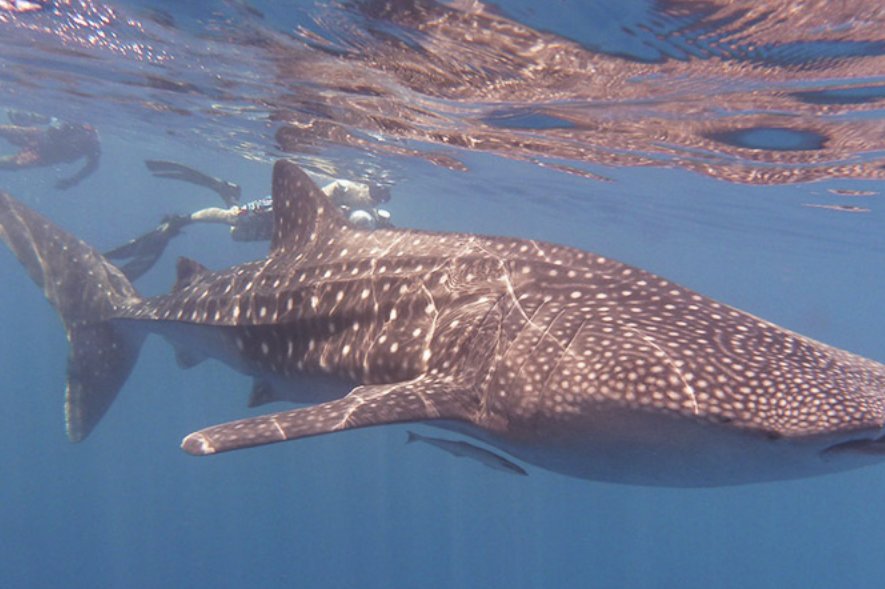
Whale shark snorkelling South Ari Atoll Maldives
Whale Shark Snorkelling, South Ari Atoll
🦈 Wildlife · Year-round · Easy

South Ari Atoll is the best place in the world to swim with whale sharks. Unlike most whale shark destinations — where sightings depend on seasonal migrations and are never guaranteed — the South Ari Marine Protected Area hosts a resident population of whale sharks year-round, feeding on a permanent upwelling of zooplankton in the atoll's nutrient-rich waters. Tour boats encounter them on the vast majority of trips every day of the year.

Whale sharks are the world's largest fish — they reach 12 metres in length — and they feed exclusively on plankton. In the water, they move with an unhurried ease that makes close approach straightforward for snorkellers: you drop in ahead of the shark and float while it passes underneath you, its spotted hide a metre below your fins, its tail sweeping in slow, powerful arcs. The scale of the animal at close range — larger than most fishing boats — creates a specific kind of awe that photographs don't fully capture.
Season
Year-round (resident population)
Max Length
Up to 12 metres
Location
South Ari Marine Protected Area
Difficulty
Easy (snorkelling only)
⭐ Why It's Worth It
I've swum with whale sharks in several places and the Maldives is in a different category. The combination of year-round reliability, clear water, and the sheer size of the animals — longer than the boat you came on — makes this one of the most reliably extraordinary wildlife encounters available anywhere on Earth. Go even if you're not a diver. You just need a mask and fins.
Book With Hotel →
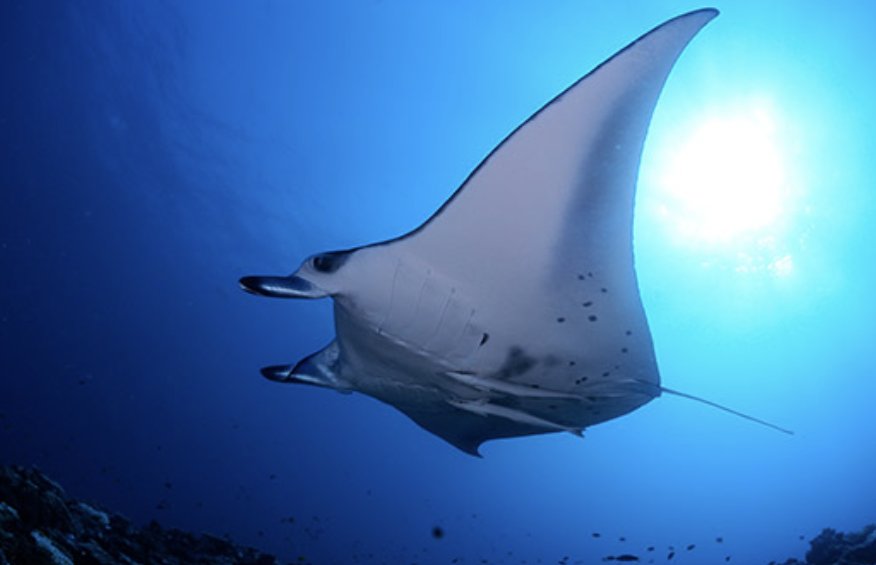
Manta ray night dive Lankan Finolhu Maldives
Manta Ray Night Dive, Lankan Finolhu
🌙 Diving · Night · Advanced

Lankan Finolhu, a cleaning and feeding station in North Malé Atoll, is one of the most celebrated night dive sites in the world. After dark, underwater lights attract clouds of zooplankton to the surface — and the manta rays follow. They arrive in numbers, circling through the light columns in barrel rolls and somersaults, filter-feeding with their cephalic fins spread wide, sweeping within inches of divers who hover motionless on the bottom watching them. The wingspans reach 4–5 metres. The water is warm and clear. It is one of the most theatrical and moving underwater experiences available anywhere.

Hanifaru Bay in Baa Atoll, a UNESCO Biosphere Reserve, hosts the world's largest known manta ray feeding aggregations from June to November — up to 200 mantas feeding simultaneously in a vortex formation during plankton blooms. Snorkelling and diving at Hanifaru requires a permit and is managed by the Biosphere Reserve to control visitor numbers. Outside the peak season, smaller but still spectacular manta encounters are available at cleaning stations throughout the atolls year-round.
Best Night Dive
Lankan Finolhu, N. Malé Atoll
Hanifaru Bay Peak
June–November
Wingspan
Up to 5 metres
Difficulty
Certified diver required
⭐ Why It's Worth It
The Lankan Finolhu night dive is the experience I recommend most to certified divers visiting the Maldives. Watching a 4-metre manta ray barrel roll through a column of light two metres above your head, in total silence, while a dozen others circle around it — there is nothing else like it in diving. If you only do one night dive in your life, do it here.
Book With Hotel →
🏖️
Sandbanks, Sunsets & Bioluminescence
Private sandbank picnic · Sunset dhoni cruise · Bioluminescent beach · Final snorkel
Days 7–8

🎫 Experiences — Above Water

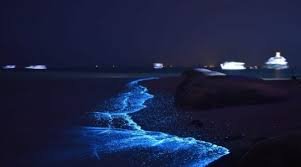
Bioluminescent beach Maldives glowing waves
Bioluminescent Beach Walk
✨ Night Experience · Seasonal · Easy

On certain nights in the Maldives, the breaking waves glow electric blue. The bioluminescence is caused by dinoflagellates — single-celled plankton that emit light when agitated by wave action or movement through the water. When the conditions are right — a dark moon phase, warm calm seas, high plankton density — the entire shoreline lights up with each wave, and walking into the water produces a halo of blue light around your feet and legs.

Vaadhoo Island in Raa Atoll is the most famous location, and photographs of its bioluminescent shore have circulated widely enough that it is sometimes called the "Sea of Stars." The phenomenon is not guaranteed and is most common between May and November when plankton concentrations peak. Even when bioluminescence is not visible from the beach, snorkelling at night in the dark (turning your torch off) and moving your hands through the water often reveals it in close proximity.
Best Location
Vaadhoo Island, Raa Atoll
Best Season
May–November
Best Conditions
New moon, warm calm sea
Difficulty
Easy (no guarantee)
⭐ Why It's Worth It
I saw bioluminescence for the first time in the Maldives and it recalibrated my sense of what the ocean actually is. Standing knee-deep in black water with blue light pulsing around your feet with every movement is genuinely surreal — one of those experiences that makes you feel like you've stumbled into a different world. It's not guaranteed, but if the conditions are right, nothing else in travel looks like this.
Book With Hotel →
Sunset dolphin cruise Maldives
Sunset Dolphin Cruise
🐬 Wildlife · Sunset · Easy

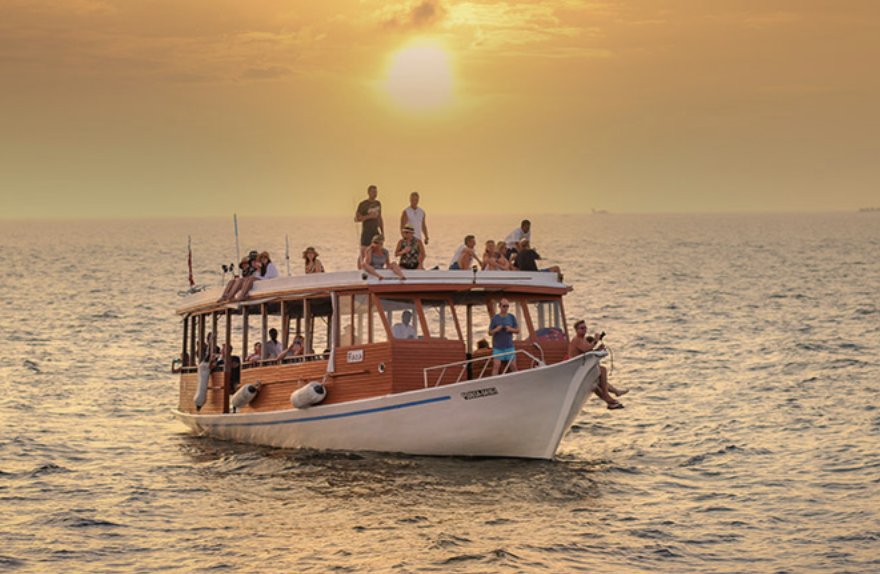
Spinner dolphins are a fixture in the Maldives — pods of fifty or more are common in the open water between atolls, and they are reliably attracted to the bow wave of moving vessels. A traditional dhoni cruise at sunset — the wooden sailing vessel that has been the backbone of Maldivian seafaring for centuries — combines two of the most reliable pleasures of a Maldives trip: the spectacle of spinner dolphins leaping through golden water as the sun descends, and the particular quality of Maldivian light at the end of the day, when the sky goes through its full sequence of pink, orange, and violet before the stars appear.
Duration
~2 hours
Dolphin Season
Year-round
Vessel
Traditional Maldivian dhoni
Difficulty
Easy
⭐ Why It's Worth It
Book this for your last full evening. Spinner dolphins at sunset on a wooden dhoni in the middle of the Indian Ocean is a genuinely perfect ending to a Maldives trip — simple, beautiful, and completely specific to being here.
Book With Hotel →

💡 Insider Tips — Maldives

Local island vs resort: Local island holidays are 80–90% cheaper than resort stays with access to the same reefs, whale shark tours, and sandbanks. Book a guesthouse on Maafushi, Thulusdhoo, or Fulidhoo and buy day trips to the sandbank and South Ari from there. Seaplane transfers: Stunning but expensive ($300–500 one way, daylight only) — speedboats cover most atolls at night for $30–80. Dress code: Bikinis are permitted only on resort islands and designated "bikini beaches" on local islands — cover up elsewhere. Visibility windows: The dry season (Nov–Apr) offers the best underwater visibility (25–30m). Currency: USD is accepted almost everywhere; Maldivian rufiyaa needed only for small local purchases. Alcohol: Available only on resort islands — local islands are dry. Best kept secret: Thulusdhoo is the local island with the best surf and some of the cheapest guesthouses, popular with surfers and divers alike.
More Destinations to Explore
Sri Lanka & Maldives — Multi-Country Itinerary TheCantMiss
🇱🇰🇲🇻 Sri Lanka & Maldives — Multi-Country Itinerary
View Itinerary →
Indonesia
🇮🇩 Indonesia
Thailand
🇹🇭 Thailand
Sri Lanka
🇱🇰 Sri Lanka
India
🇮🇳 India
Malaysia
🇲🇾 Malaysia
Philippines
🇵🇭 Philippines
Kenya
🇰🇪 Kenya