✈ TheCantMiss Take
Portugal punches significantly above its weight. Lisbon is the finest city in Southern Europe — hills, light, fado, and the best pastries on Earth. Porto is a smaller, wilder version of it, built above the Douro gorge with the world's greatest wine cellars across the bridge. And then there are the Azores — nine volcanic islands in the middle of the Atlantic that most of Europe hasn't discovered yet, where you can swim with wild dolphins in the morning and sit in a geothermal hot spring in a volcanic crater in the afternoon. Three nights in each, nine days total, and you'll have seen three completely different versions of what Portugal actually is.
This is the best Portugal itinerary for first-time visitors — three nights in Lisbon for fado, the Alfama, and a sunset sailboat on the Tagus; three nights in Porto for port wine cellars and the Douro; then fly to the Azores for swimming with dolphins and volcanic hot springs on São Miguel. Nine days, three completely different Portugals.
🏙️
Lisbon
Fly into Humberto Delgado (LIS) · Alfama & fado · Tram 28 · Pastéis de nata at Belém · Tagus River · Mouraria
Days 1–3
🎫 Lisbon Itinerary — Best Experiences
🎫 Powered by Viator · Affiliate links support this site
Fado is Portugal's national music — a genre of saudade (longing, melancholy, and beauty compressed into a single untranslatable word) that emerged from the Alfama and Mouraria neighbourhoods of Lisbon in the 19th century. At its finest, it is performed in a tasca of 12 seats, by one singer and one or two guitarists, in a room so small that the performance is physically intimate. The Portuguese guitar — a twelve-string instrument specific to fado — produces a sound that is completely unlike anything else in European music.
The experience of hearing fado in a tiny Alfama tasca for the first time — the silence before the singer begins, the way the room stops completely, the emotional power of a voice expressing something in Portuguese that you don't understand but feel entirely — is one of the most affecting musical experiences available anywhere in Europe. Book a table at a proper tasca rather than a tourist restaurant: smaller, fewer seats, and the music is the point rather than the food.
Location
Alfama or Mouraria
Best
Small tasca, 10–15 seats
Book Ahead
Days in advance
⭐ Why It's Worth It
Fado in a tiny Alfama tasca is the experience that defines Lisbon for most people who hear it. It's not background music — it demands complete attention, and when a good singer is in the room, the whole space goes absolutely still. Go on your second night, after you've walked the Alfama in daylight and understand the neighbourhood the music comes from.
Book Tour →
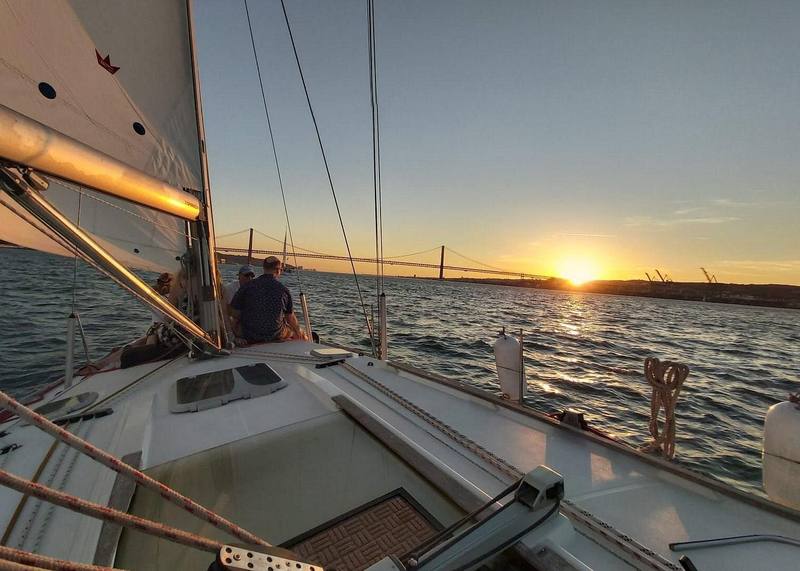
The Tagus at sunset is one of the finest urban waterway experiences in Europe — the river widens here almost to a sea, and from the water the whole of Lisbon's hillside silhouette is visible at once: São Jorge Castle, the Alfama climbing toward it, the white dome of Panteão Nacional, the 25 de Abril Bridge (a dead ringer for the Golden Gate) spanning the river with the Cristo Rei statue behind it, and the Belém Tower standing in the water. The golden light turns everything amber.
A two-hour sunset sailing tour covers the full panorama from the water. Most boats offer wine and local snacks on board. Departure is typically from Belém, heading upriver as the light drops. The combination of the city skyline, the bridge, and the water at golden hour is one of those views that makes the particular quality of Lisbon light — renowned among painters and photographers — immediately understandable.
⭐ Why It's Worth It
The 25 de Abril Bridge, the Belém Tower, the Alfama hillside, and the Cristo Rei — all at golden hour, from the water. Lisbon from the Tagus at sunset is one of those views that makes you understand immediately why this city has been painted and written about for centuries. Do it on your first evening before the fado.
Book Tour →
🏨 Where to Stay — Lisbon
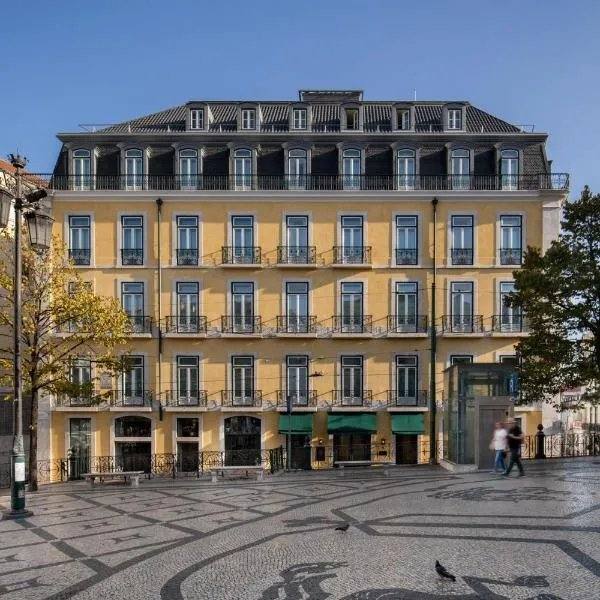
Bairro Alto Hotel, Lisbon
⭐⭐⭐⭐⭐ · ~$280–450/night
Boutique luxury on Chiado's grand square — Tagus river views from the rooftop bar, steps from Lisbon's finest restaurants and the Alfama. Walk to the fado tasca and the Belém waterfront departure in under 20 minutes.
Book on Booking.com →
🚄
Lisbon → Porto
Alfa Pendular train from Lisboa Oriente to Porto Campanhã — 2 hours 45 minutes, ~€25–40. Book at
cp.pt. Departs multiple times daily; the 9am service arrives in Porto in time for lunch on the Douro riverfront. The train follows the Atlantic coast north for much of the journey — sit on the left side heading north for sea views.
🍷
Porto
Fly into Francisco Sá Carneiro (OPO) or train from Lisbon · Port wine cellars · Douro riverfront · Livraria Lello · Francesinha
Days 4–6
🎫 Porto Itinerary — Best Experiences
🎫 Powered by Viator · Affiliate links support this site
Cross the lower deck of the Dom Luís I Bridge on foot to Vila Nova de Gaia — the town directly opposite Porto where the great port wine houses have stored their barrels since the 17th century. The lodges of Graham's, Taylor's, Sandeman, Quinta do Crasto, and a dozen others line the south bank of the Douro, their barrels stacked in cellars that smell of oak and alcohol and cool stone. A guided cellar tour takes you through the production process — from the vineyards of the Douro Valley to the aging barrels — and ends with a tasting of aged tawny, ruby, and vintage ports poured from the bottle.
The best tours include 4–6 ports across different styles and ages. A 20-year tawny tastes like Christmas and caramel and dried fruit and time. A vintage port from a great house in a great year tastes like something that no other wine-producing region on Earth replicates. Drink it looking back across the Douro at Porto's stacked pastel houses rising from the riverbank — one of the great city views in Europe.
Location
Vila Nova de Gaia
⭐ Why It's Worth It
Drinking a 20-year tawny port in a cellar that smells of centuries of oak and wine, looking back across the Douro at Porto, is one of the finest small pleasures Portugal offers. The cellar tour provides the context that makes the tasting meaningful rather than just drinking. Do it on your first afternoon in Porto, before dinner on the riverfront.
Book Tour →
🏨 Where to Stay — Porto
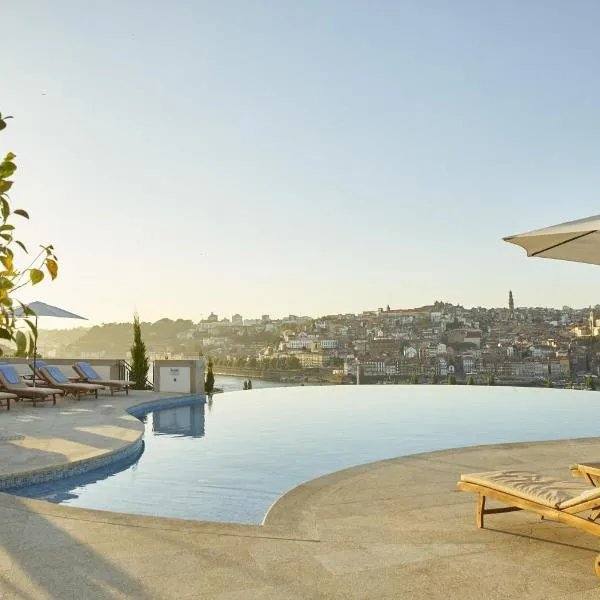
The Yeatman, Porto
⭐⭐⭐⭐⭐ · ~$300–500/night
Iconic wine hotel above the Douro in Vila Nova de Gaia — infinity pool overlooking Porto's skyline, Michelin-starred restaurant, every room furnished with barrels and bottles from a single port house. Steps from the cellar tour departure.
Book on Booking.com →
✈️
Porto → Azores (São Miguel)
Fly from Porto Airport (OPO) to Ponta Delgada (PDL), São Miguel — approximately 2 hours on SATA Azores Airlines or TAP, from ~€50–100. Flights also depart from Lisbon if you prefer to end there. Ponta Delgada has direct connections to many European and North American cities — making it an ideal trip-end airport rather than backtracking to Lisbon.
🌋
Azores — São Miguel
Fly into Ponta Delgada (PDL) · Swimming with dolphins · Volcanic hot springs at Furnas · Sete Cidades crater lakes · Green calderas
Days 7–9
🎫 Azores Itinerary — Best Experiences
🎫 Powered by Viator · Affiliate links support this site
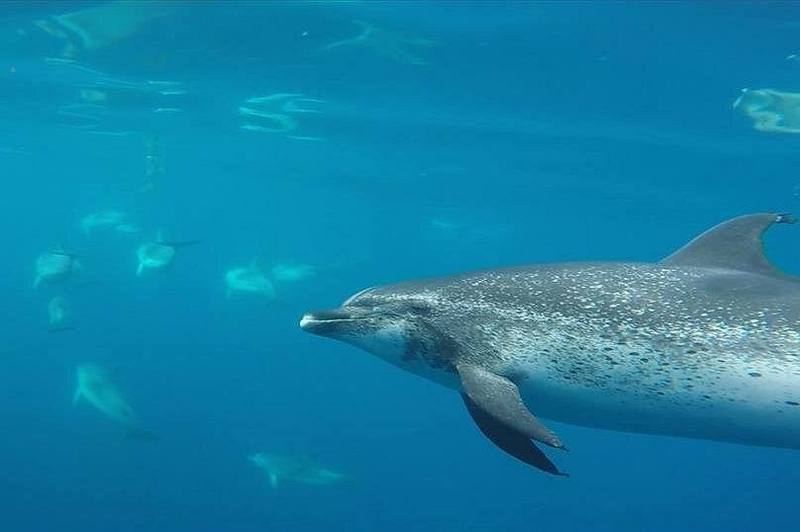
The Azores sit in the deep Atlantic at the junction of three tectonic plates — an underwater topography that produces extraordinary marine life year-round. Resident pods of common and bottlenose dolphins live permanently in the waters around São Miguel, and swimming with them — in the open Atlantic, not a pool or a bay — is a completely different experience from any captive or managed dolphin encounter. The dolphins approach you, interact on their own terms, and leave when they want to. The water is deep and clear and the ocean around you is genuinely vast.
Sperm whales migrate through Azorean waters from April to October — the boats use a combination of vigia (traditional lookout posts on the cliffs) and hydrophone to locate them. Blue whales, fin whales, sei whales, and pilot whales are all regularly encountered. A half-day dolphin swim tour goes out by boat to locate the pods and enters the water with them; a whale watching tour covers the deeper waters offshore where the cetaceans feed.
Dolphins
Year-round resident pods
Whales
Apr–Oct (sperm, blue)
⭐ Why It's Worth It
Swimming with wild dolphins in the open Atlantic — not a bay, not a managed experience — produces a very particular feeling of being genuinely in someone else's environment. The dolphins investigate you with obvious curiosity and leave when they're done. The Azores has some of the best cetacean watching in the world and most of Europe still hasn't discovered it.
Book Tour →
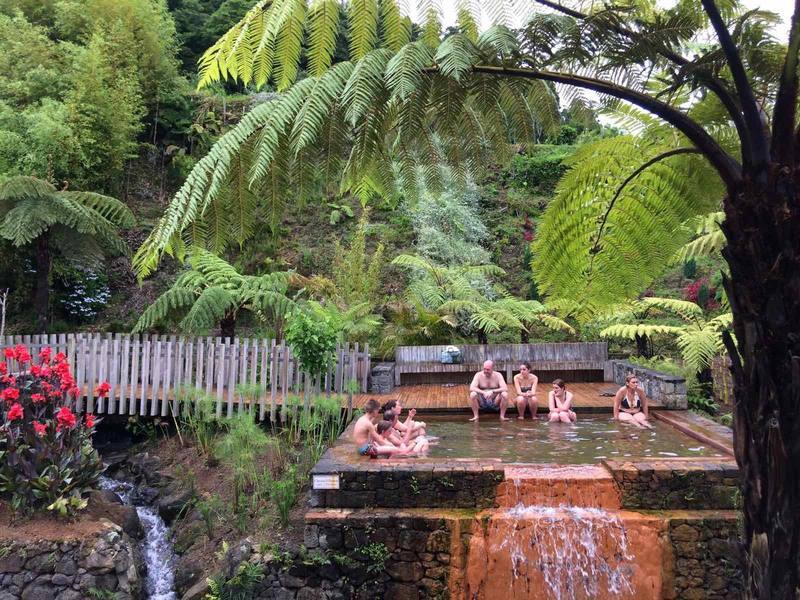
Furnas is a volcanic valley on the eastern end of São Miguel where the earth is actively simmering — fumaroles vent sulphurous steam from cracks in the ground, boiling mud pools sit beside the road, and geothermal heat warms the soil to the point where the famous cozido das Furnas (a slow-cooked meat stew) is buried underground in pots and cooked by volcanic heat for six hours. The hot springs at Terra Nostra Park sit in a lush botanical garden around a large thermal pool of orange-brown mineral water heated to around 40°C.
Soaking in a geothermal pool in a garden of tree ferns and century-old camellias, with steam rising from the ground around you, is completely specific to the Azores. The Poca da Beija outdoor hot springs, set in a series of terraced pools in the forest above Furnas, offer a wilder and more atmospheric version at lower cost. Both are unmissable on any São Miguel itinerary.
Location
Furnas, São Miguel
⭐ Why It's Worth It
Soaking in a volcanic hot spring while steam rises from the ground around you and tree ferns tower above — in an island in the middle of the Atlantic that most Europeans haven't visited yet — is one of those experiences that makes you feel genuinely far from home. The cozido cooked underground is not optional either.
Book Tour →
🏨 Where to Stay — Azores (São Miguel)
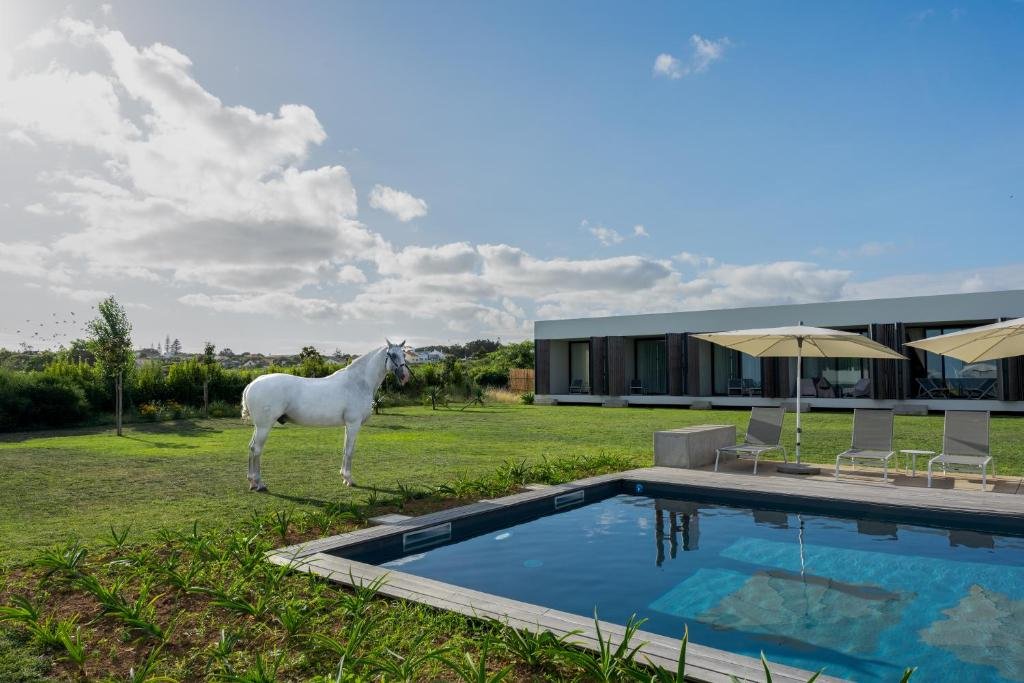
Lusitano Garden Villas, Ponta Delgada
⭐⭐⭐⭐ · Updated prices 2026
Stunning villa retreat on the outskirts of Ponta Delgada — private pool, lush gardens with resident Lusitano horses, and a peaceful rural setting minutes from the harbour. Walk to the dolphin tour departure and a short drive to Furnas and Sete Cidades.
Book on Booking.com →
🗺️ Portugal Practical Tips
Train Lisbon to Porto: Book the Alfa Pendular at
cp.pt — 2h45, multiple daily departures. Book at least a few days ahead. Sit on the left side heading north for Atlantic coast views.
Azores flights: SATA Azores Airlines and TAP both serve Ponta Delgada from Porto and Lisbon (~2 hours, ~€50–100). Book ahead in summer. Ponta Delgada also has direct transatlantic flights — ideal if you're ending the trip there rather than returning to Lisbon.
Fado booking: The best Alfama tascas require booking 2–4 days ahead. Avoid the large tourist restaurants on the main streets — find a place with fewer than 20 seats where the music is the focus. Your hotel concierge will know the right places.
Pastéis de nata: The original is at Pastéis de Belém in Lisbon — get there before 9am on a weekday. Porto has its own version (pastel de Chaves) but the Belém original is non-negotiable.
Best season: May–June and September are ideal across all three stops. The Azores are mild year-round (16–22°C) — the islands have their own micro-climate and can be visited any month.