🌏 Asia · Southeast Asia
🇸🇬
Best Things to Do in Singapore
Michelin-starred hawker stalls under $5, wild islands, illuminated Supertrees, the world's best airport — and a rainforest canopy walk in the middle of a city of 6 million.
Michelin-starred hawker stalls under $5, wild islands, illuminated Supertrees, the world's best airport — and a rainforest canopy walk in the middle of a city of 6 million.
Singapore is one of the most efficiently extraordinary cities on Earth — a city-state of just 733 square kilometres that contains within it Michelin-starred hawker stalls charging $4, primary rainforest with a canopy suspension bridge, a man-made island with tropical beaches, a botanic garden with 50-metre glowing trees, and an airport so spectacular it is a tourist attraction in its own right. It is the perfect one-to-four-day stopover between longer destinations, and it rewards everyone who goes deeper than the Marina Bay skyline.
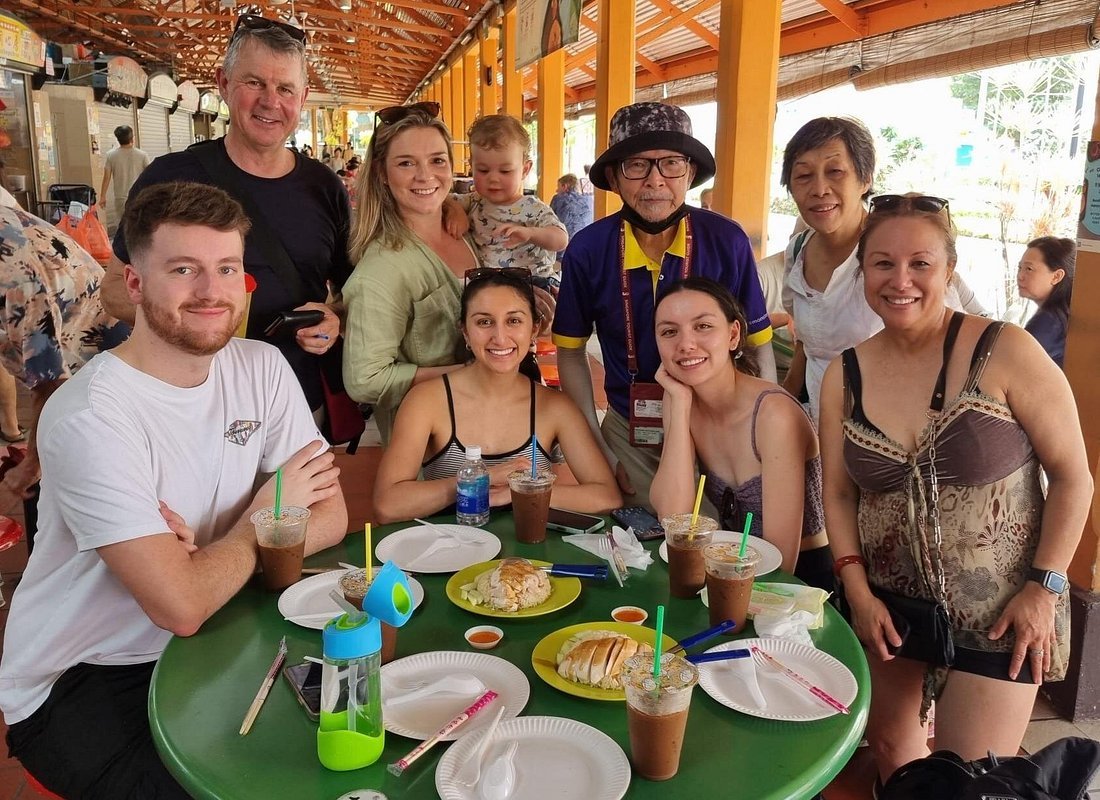
Singapore is the only city in the world where hawker stalls — open-air food vendors serving dishes for $2.50 to $8 SGD — have been awarded Michelin stars. In 2016, the Michelin Guide recognised Liao Fan Hong Kong Soya Sauce Chicken Rice & Noodle in Chinatown Complex with a star for a dish that costs $2.80. Hill Street Tai Hwa Pork Noodle followed. The story made international headlines and confirmed what anyone who had eaten in Singapore already knew: the hawker food culture here is one of the great culinary achievements of the world.
A guided Michelin hawker food tour takes you through the city's best food centres — Maxwell Food Centre, Chinatown Complex, Old Airport Road — visiting the specific stalls that have earned recognition while explaining the cultural and historical context that makes Singapore's hawker culture unique. The Hainanese, Hokkien, Teochew, Malay, and Indian culinary traditions that converged on Singapore's hawker centres over a century of immigration have produced a food culture as diverse and as delicious as anywhere in Asia.
Hainanese chicken rice (poached chicken, fragrant rice, three sauces), char kway teow (wok-fried flat noodles with cockles and Chinese sausage), laksa (spicy coconut curry noodle soup), chilli crab (the unofficial national dish), roti prata (flaky flatbread with curry dip), and kaya toast with soft-boiled eggs and coffee — all available at hawker centres across the city, many of them extraordinary.
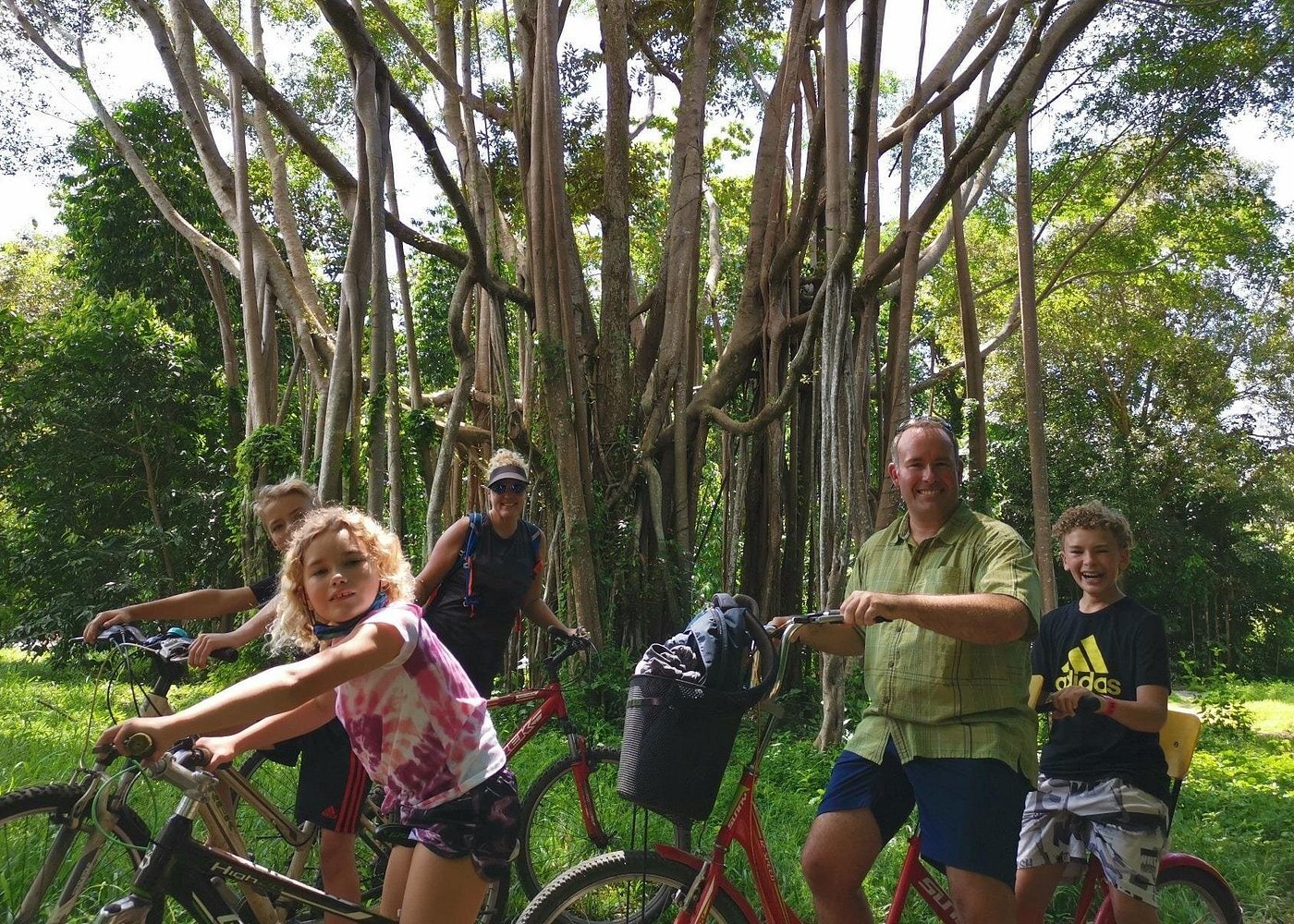
Pulau Ubin is the most surprising thing in Singapore — a granite island off the northeastern coast that has resisted development while the rest of the city-state transformed into one of the world's most modern urban environments. On Ubin, old kampong (village) houses still stand on stilts above the forest floor, the roads are mostly dirt tracks, wild boar rootle through the undergrowth, and the loudest sound is birdsong. It is Singapore as it was in the 1960s, preserved not by design but by a combination of island logistics and community determination.
The standard way to experience Pulau Ubin is by bicycle — renting a bike for $5–8 SGD from the dozens of rental shops at the jetty and following the dirt tracks through secondary forest, mangrove swamp, and past the remarkable Chek Jawa Wetlands (a tidal flat ecosystem of extraordinary biodiversity). The Chek Jawa boardwalk puts you over mangrove forest and seagrass meadows at low tide — with mudskippers, fiddler crabs, and if you're lucky a dugong sighting offshore. Budget half a day minimum; the island earns a full day easily.
Take the MRT to Tanah Merah, then bus 2 to Changi Village Bus Terminal, then a bumboat (12-passenger wooden boat, $4 SGD per person) from Changi Point Ferry Terminal. Boats depart when full — typically every 15–30 minutes. The crossing takes about 10 minutes. There are no ATMs on the island; bring cash.
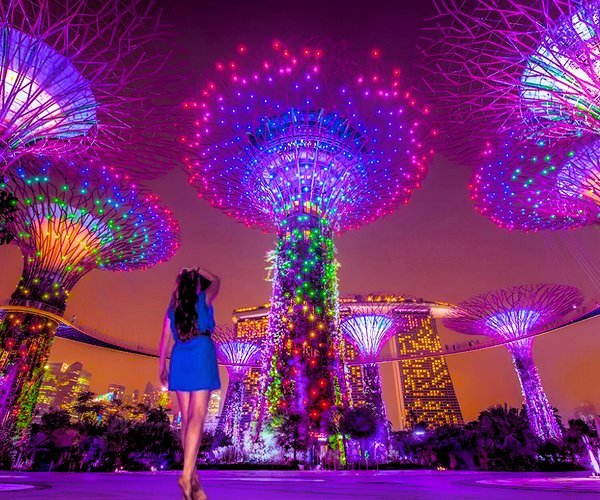
Gardens by the Bay is one of the most visually extraordinary public spaces built anywhere in the world in the 21st century — 18 steel Supertrees rising between 25 and 50 metres from the ground, covered in living plants and equipped with solar cells that power their spectacular nightly light show. The Marina Bay Sands hotel rises behind them. When the Supertrees illuminate after sunset, the effect is genuinely otherworldly — a landscape that makes you feel you've stepped into a science fiction film set in the near future.
The outdoor gardens (free to walk) are most spectacular at dusk and into the night. The Garden Rhapsody light and music show (9pm nightly) is a 15-minute synchronised light display across all 18 Supertrees and worth timing your visit around. The two climate-controlled conservatories — the Flower Dome (Mediterranean climate) and the Cloud Forest (tropical montane) — require a ticket but are extraordinary architectural achievements housing plants from five continents.
Gardens by the Bay is directly accessible from Bayfront MRT station. The outdoor Supertree Grove is free; the conservatories cost around $28 SGD for combined entry. Arrive at 7:30pm to walk the gardens as the light drops, then stay for the 9pm Garden Rhapsody show. The elevated Supertree walkway connecting two of the tallest trees at 22 metres above ground is bookable separately and recommended for the view across Marina Bay.
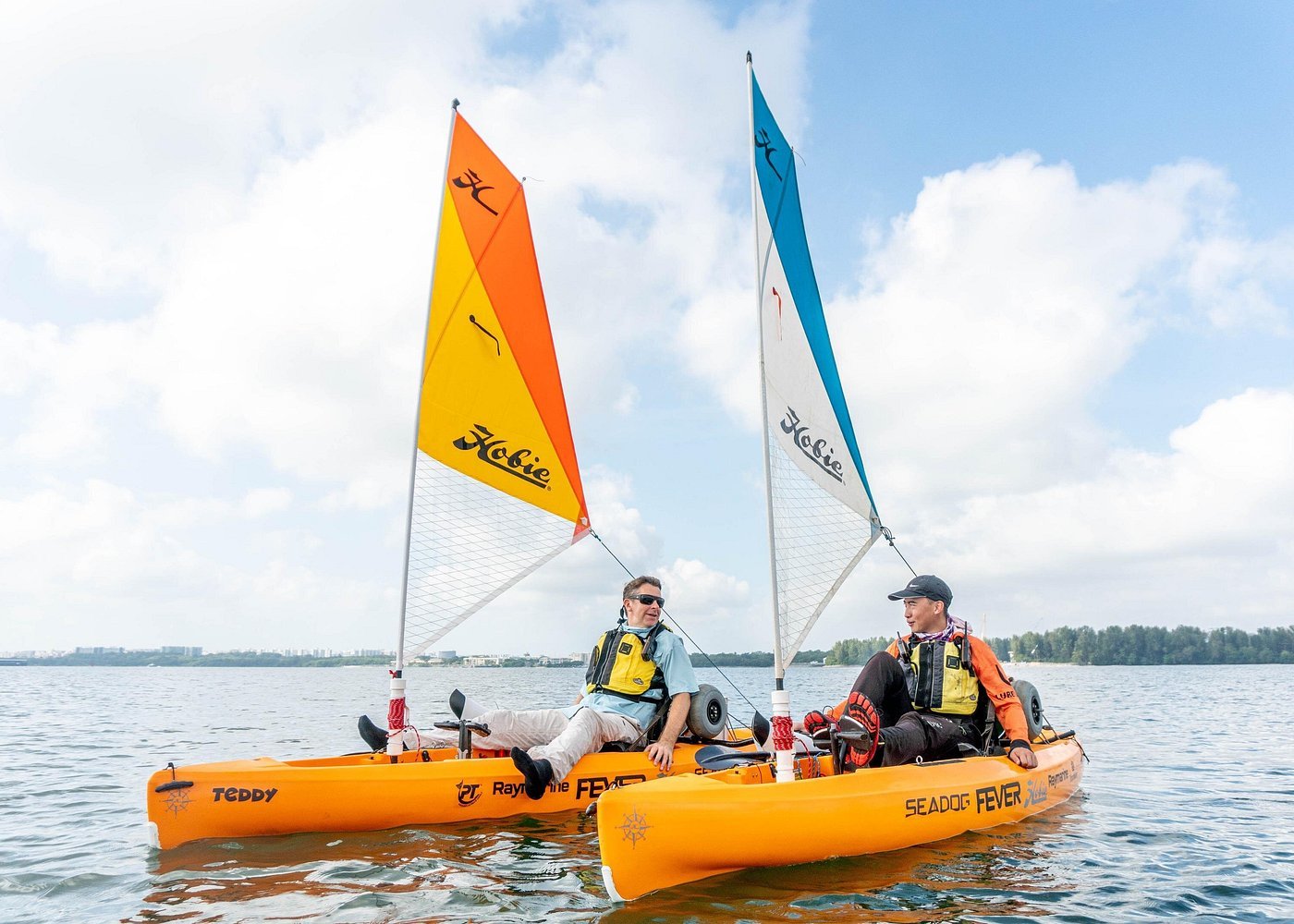
Singapore's southern waters are home to a scattered chain of small islands — Kusu, St. John's, Lazarus, and Sisters' Islands — that form a protected marine park largely unknown to most visitors. Sailing a Hobie kayak (pedal-powered with a small sail) between the islands through Singapore's clean coastal waters, with the city skyline visible on the northern horizon and open sea to the south, is one of the most liberating and most unexpected experiences the city offers.
The Hobie kayaks used on this tour are remarkably capable craft — the pedal drive means you don't need to paddle (leaving your hands free and your shoulders fresh), and the sail provides additional speed when conditions allow. The islands themselves are varied: Lazarus has a beautiful sandy beach that is almost always deserted; St. John's has walking trails through secondary forest; Kusu has a turtle sanctuary and a hilltop shrine. The marine park waters have good snorkelling directly off the beaches.
Singapore Island Cruise operates ferries to the Southern Islands from Marina South Pier. The guided kayak tour departs from a base at the island group and includes equipment and instruction. No previous kayaking experience is required — the Hobie pedal system is intuitive within minutes.
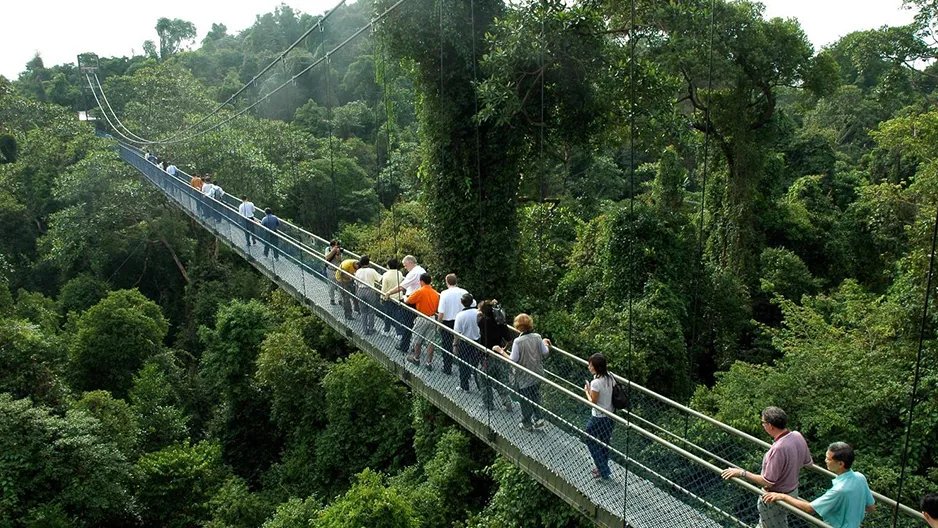
MacRitchie Reservoir is the heart of Singapore's Central Catchment Nature Reserve — 3,000 hectares of primary and secondary rainforest in the geographical centre of the island, threaded with well-maintained hiking trails. The Treetop Walk is the reserve's most famous feature: a free-standing suspension bridge 250 metres long and up to 25 metres above the forest canopy, connecting two of the highest ridges in the reserve with a view across an unbroken sea of tree canopy in every direction.
Walking the bridge — which sways gently as you move — with primary rainforest canopy below you and the sounds of the forest around you (banded leaf monkeys, hornbills, and if you're lucky the call of a Buffy Fish-owl) is one of the most genuinely peaceful experiences in Singapore. The walk from the main trailhead to the bridge takes about 45 minutes each way through forest where long-tailed macaques, monitor lizards up to two metres long, and flying squirrels are regular sightings. Entry to the whole reserve is completely free.
The most accessible trailhead is at the MacRitchie Reservoir Park carpark off Venus Drive — reachable by bus from Marymount, Caldecott, or Ang Mo Kio MRT stations. The Treetop Walk is open Tuesday to Friday 9am–5pm and weekends/public holidays 8:30am–5pm. Closed Mondays. Allow 2.5–3 hours for the return trip to the bridge and back.
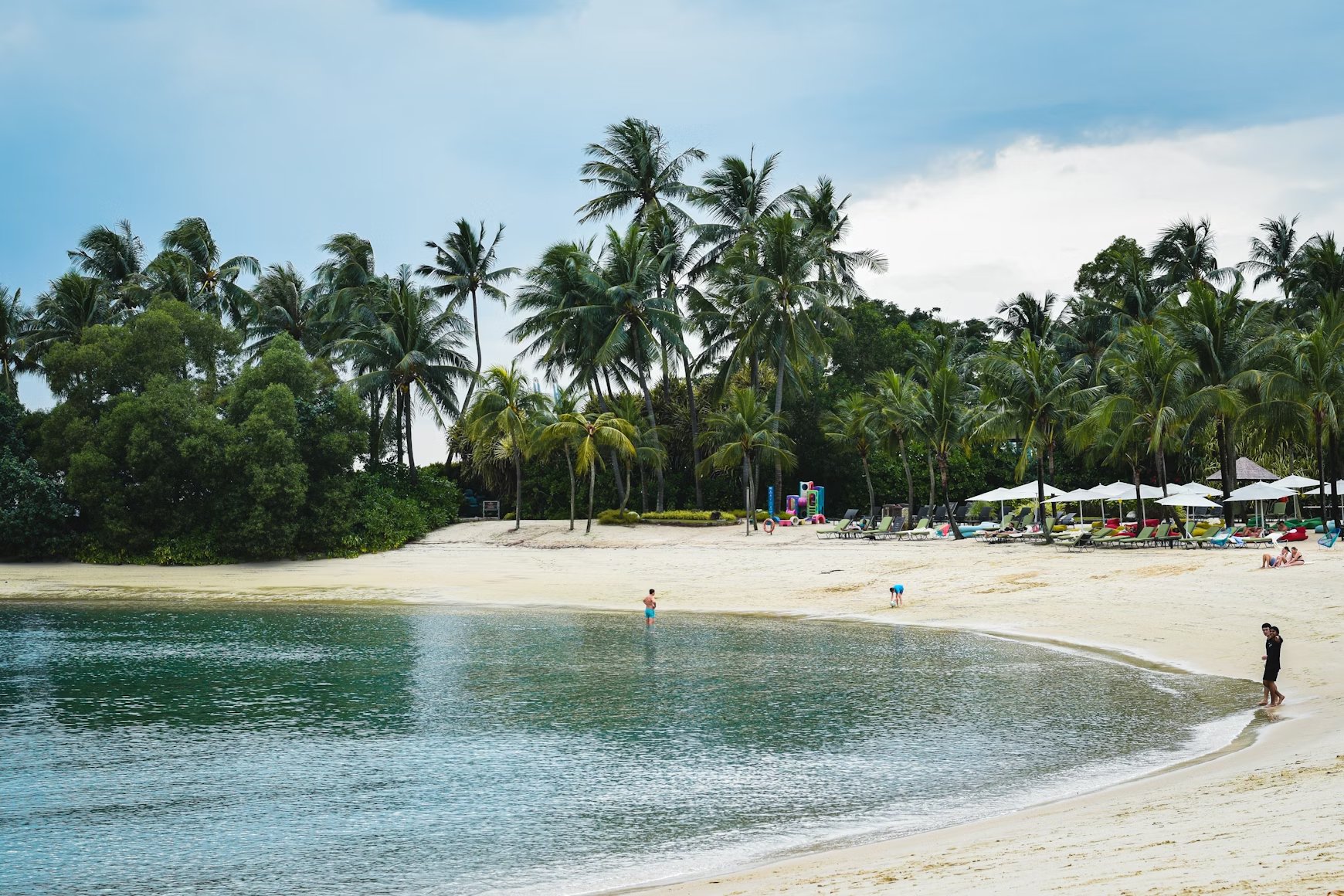
Sentosa Island sits just off the southern tip of Singapore, connected to the main island by cable car, MRT, and causeway. Its three beaches — Siloso, Palawan, and Tanjong — are artificial (reclaimed land extended seawards, sand imported from Indonesia), but they are genuinely pleasant: warm, calm water, coconut palms, beach bars, and the specific pleasure of lying on tropical sand minutes from one of the world's busiest shipping lanes. Container ships move in slow procession on the horizon while you swim in the sheltered lagoon.
Sentosa is also home to Universal Studios Singapore, S.E.A. Aquarium, Adventure Cove Waterpark, and numerous beach clubs — making it a full-day destination for those who want more than sunbathing. But the beaches themselves are free and accessible, and the combination of warm water, palm trees, and the surreal view of the Singapore skyline rising behind the forest is reason enough for a visit. Palawan Beach, with its wooden suspension bridge to the most southerly point of continental Asia, is the most scenic of the three.
The Sentosa Express MRT runs from VivoCity mall directly to Beach Station on Sentosa ($4 SGD entry to the island by MRT; free on foot or by bus). The cable car from Mount Faber or HarbourFront offers a spectacular aerial approach over the southern harbour. The beaches are a short walk from Beach Station.
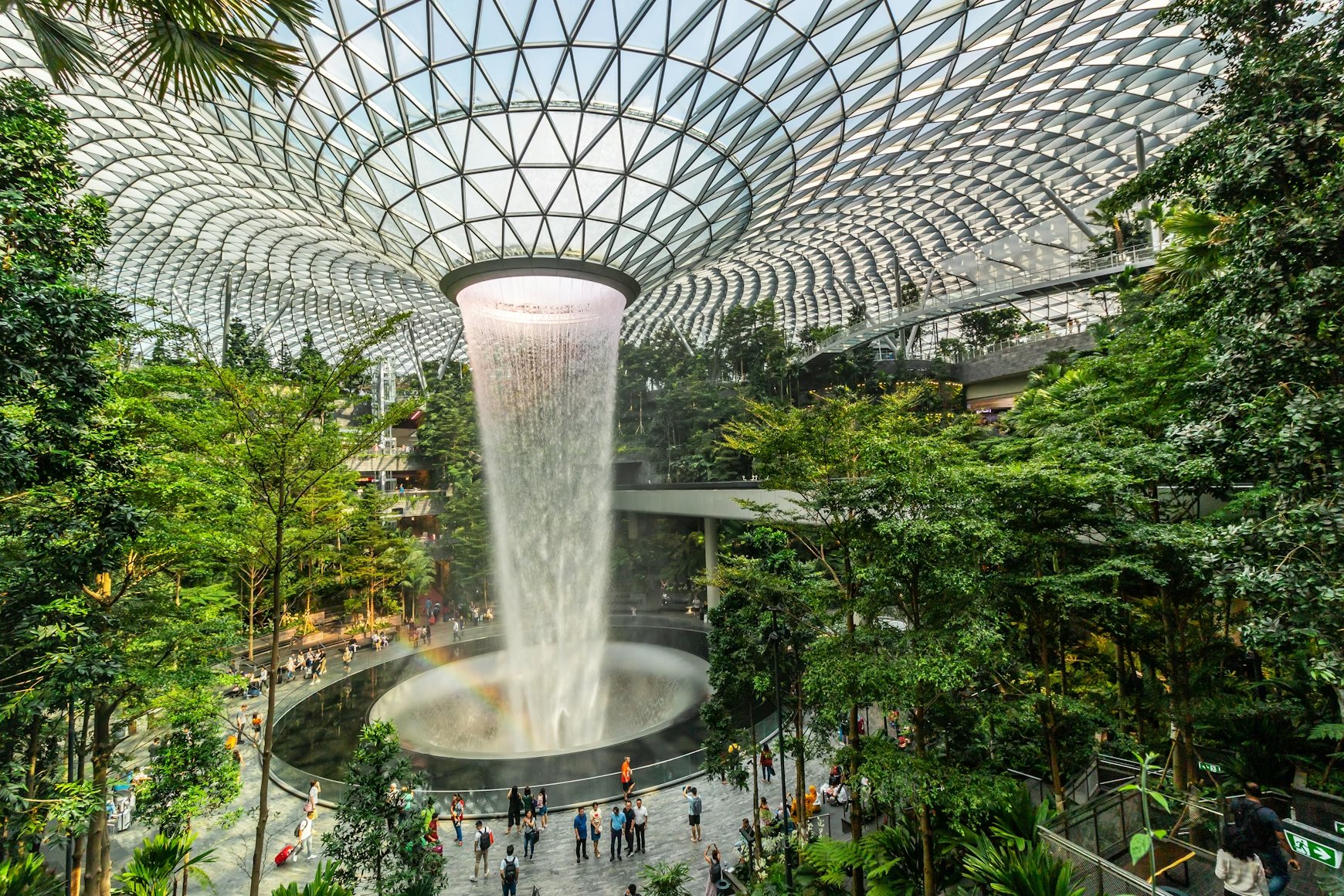
Changi Airport has been voted the world's best airport for 12 consecutive years — and Jewel, the glass-domed complex that opened in 2019 at the heart of the airport campus, is the most tangible explanation of why. A 40-metre indoor waterfall (the Rain Vortex — the world's tallest indoor waterfall) descends from a circular oculus in the centre of a 130-metre wide geodesic dome that houses a four-storey forest of 2,000 trees and 100,000 shrubs, dozens of restaurants and shops, rooftop gardens, a canopy bridge, and a hedge maze.
Jewel is open to the public regardless of whether you are flying — you don't need an airline ticket to enter the building, walk under the waterfall, visit the rooftop gardens, or eat at the restaurants. The nightly light show (free) transforms the Rain Vortex into a column of coloured light visible from every level of the building. Arriving at or departing from Singapore through Changi is genuinely one of the most pleasant airport experiences in the world; visiting Jewel specifically as a tourist attraction is something a growing number of visitors do intentionally.
Take the Canopy Bridge (paid, ~$8 SGD) above the forest interior for the best aerial view of the Rain Vortex. The Canopy Maze and Hedge Maze on the rooftop are excellent. The food court and restaurant level (L1 and L2) have excellent options from local hawker stalls to international chains. The observation deck on the upper levels gives views of the airport runway. Allow 2–3 hours minimum.
Singapore sits 1° north of the equator and has a tropical rainforest climate — warm and humid year-round with no distinct seasons. Here's what changes:
Year-round note: Singapore's rain is almost always short and intense — afternoon thunderstorms that pass in 30–45 minutes. Outdoor activities are possible every month. Average temperature is 26–32°C throughout the year. Humidity is consistently high (80%+) — embrace it or plan activities for mornings.