🌎 South America
🇨🇱
Best Things to Do in Chile
Granite towers in Patagonia, the clearest skies on Earth, ancient moai on a Pacific island, 120,000 penguins, and wine in the shadow of the Andes.
Granite towers in Patagonia, the clearest skies on Earth, ancient moai on a Pacific island, 120,000 penguins, and wine in the shadow of the Andes.
Chile stretches 4,300km from the driest desert on Earth to the stormy subantarctic, and contains within that improbable geography some of the most spectacular natural experiences on the planet. Patagonian granite towers that dwarf everything around them. A desert sky so clear that professional astronomers built their most powerful telescopes here. A remote Pacific island covered in 900 ancient stone statues. Hot springs hidden in ancient forest. This is one of the most geographically extreme and experientially rich countries on Earth — and it remains underrated.
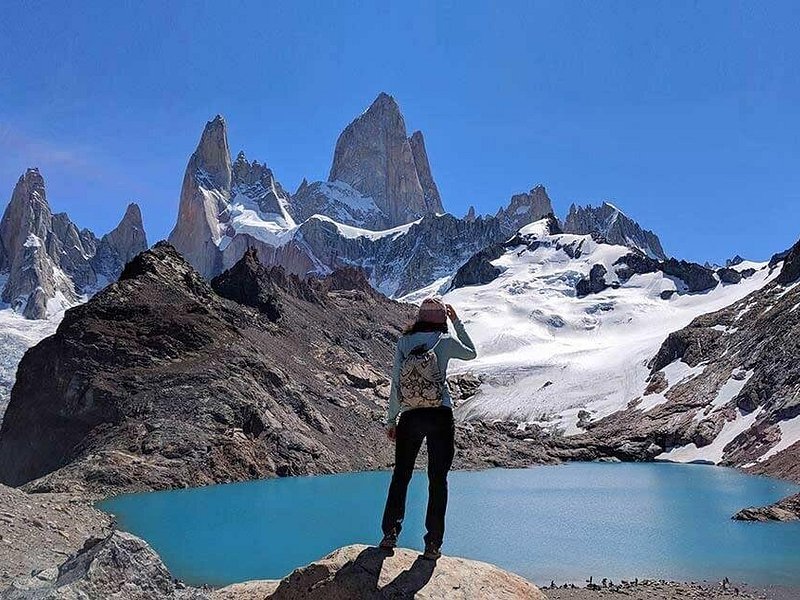
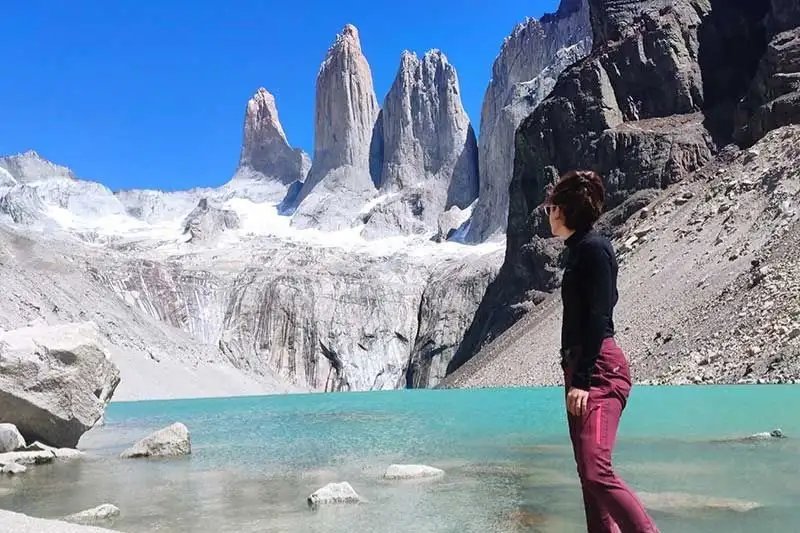
The Torres del Paine W Trek is one of the greatest multi-day hikes on Earth — a 4 to 5 day route through Chilean Patagonia that connects three of the most spectacular landscapes in the Southern Hemisphere. The three granite towers themselves, rising 2,500 metres from the Patagonian steppe to the sky, are the iconic image of South America. Standing at the base of the Torres at dawn, when the first light turns the stone from grey to blazing orange above a turquoise glacial lake, is one of those moments that doesn't leave you.
The W covers approximately 80km through Torres del Paine National Park, visiting the towers, the Valle del Francés — a hanging valley flanked by hanging glaciers and thundering avalanche — and the Grey Glacier, a 270 km² river of ancient ice that calves house-sized chunks into a milky blue lake at its snout. The Patagonian weather is famously volatile: four seasons in a day is not a cliché here, it is an accurate description. The wind, which can reach gale force on exposed sections, is part of the experience.
The trek runs November through March (Southern Hemisphere summer). Refugio and camping spots must be booked months in advance for peak season (December–February). Guided treks with Howlanders handle all logistics, accommodation, meals, and provide experienced local guides — highly recommended for first-time visitors to Patagonia who want the experience without the planning complexity.
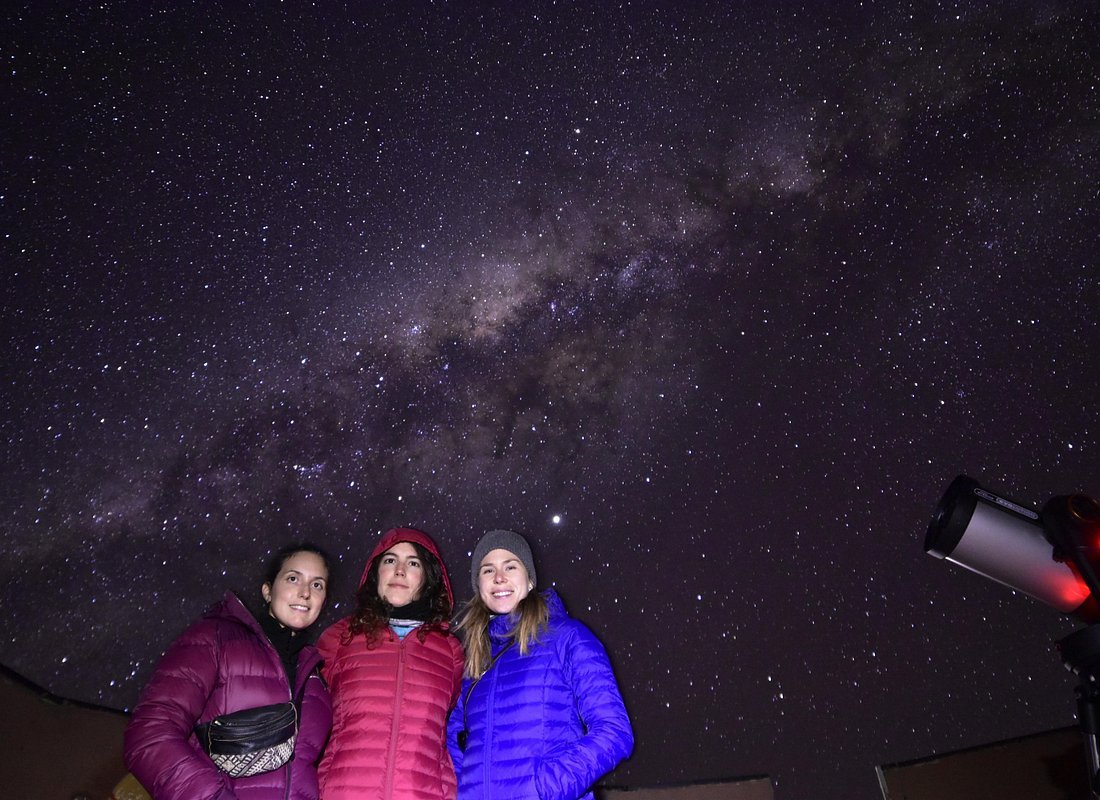
The Atacama Desert has one of the cleanest and clearest skies on the planet — 300 clear nights per year, virtually zero humidity, minimal light pollution, and an altitude of 2,400 metres that puts you above a significant portion of the Earth's atmosphere. The conditions are so extraordinary that the European Southern Observatory chose the Atacama plateau for the Very Large Telescope, the most powerful optical telescope array in the world. What this means for visitors is a Milky Way so dense and close it looks painted directly above you.
Guided astronomy tours from San Pedro de Atacama use professional-grade telescopes to bring Saturn's rings, Jupiter's moons, star clusters, and nebulae into vivid focus. The experience of looking at Saturn through a proper telescope for the first time — seeing the rings as a distinct, three-dimensional object hanging in space — is genuinely life-altering in a small way. Even without a telescope, the naked-eye sky in the Atacama is unlike anything visible from Europe, North America, or any major city.
Several professional observatories in San Pedro de Atacama run nightly tours for visitors. Tours typically last 2–3 hours and include guided constellation identification, telescope viewing of multiple objects, and explanations of Southern Hemisphere astronomy. The Southern Cross, the Magellanic Clouds (satellite galaxies of the Milky Way), and the Andean dark nebulae are all only visible from the Southern Hemisphere — and nowhere better than here.
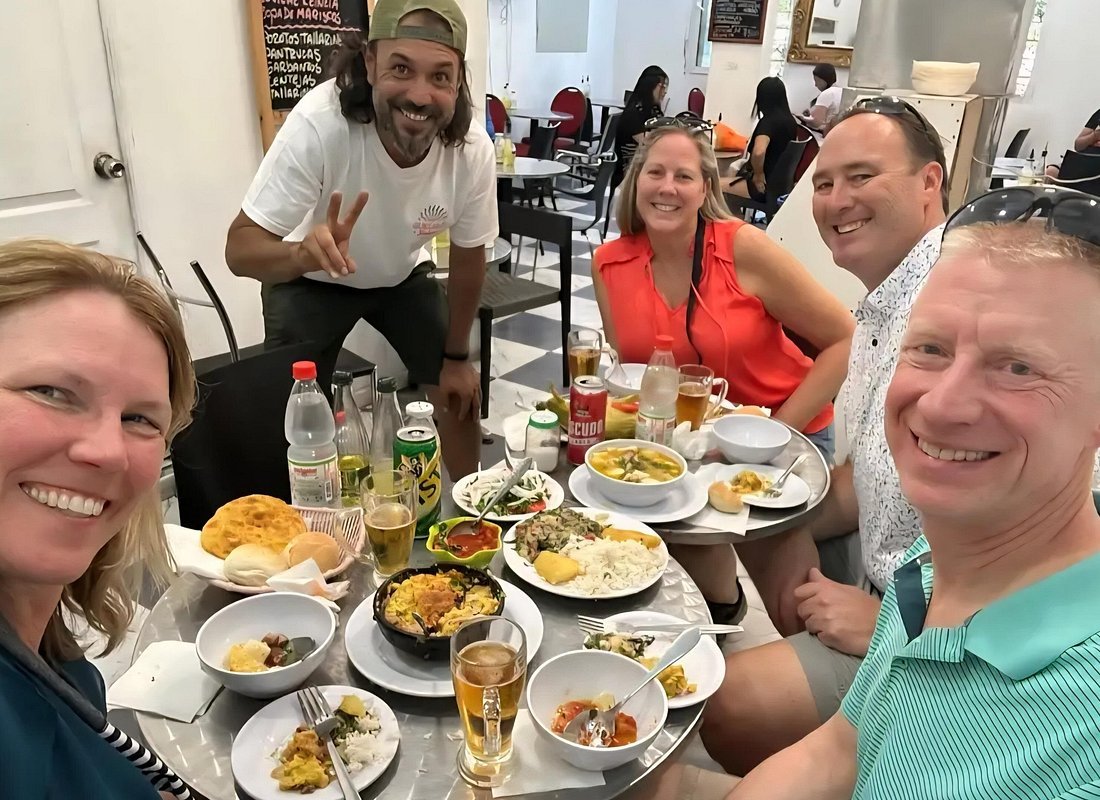
Santiago's Mercado Central is one of the great food markets of South America — a cast-iron Victorian hall built in 1872 where fishmongers, produce sellers, and restaurant tables share the floor in beautiful chaos. The building itself, with its ornate ironwork ceiling and morning light streaming through the high windows, is worth the visit. The food is the reason to stay for hours.
The empanada de pino is Chile's national snack — a hand-crimped pastry filled with spiced beef, olives, hard-boiled egg, and raisins, baked or fried to order and eaten straight from the paper. Pair it with a pisco sour — the Chilean national cocktail, made with pisco (grape brandy), lemon juice, egg white, and Angostura bitters — and you have the most Chilean afternoon imaginable. The market's central restaurants serve the freshest ceviche and caldillo de congrio (conger eel soup, Pablo Neruda's favourite dish) in the city.
A guided food tour of Santiago takes you beyond Mercado Central into the neighbourhoods — Barrio Italia for craft beer and empanadas, Barrio Lastarria for fine dining, and the Vega Central market for the raw, unfiltered version of what Chileans actually eat. Santiago is a genuinely excellent food city and is consistently underestimated by travellers rushing to Patagonia.
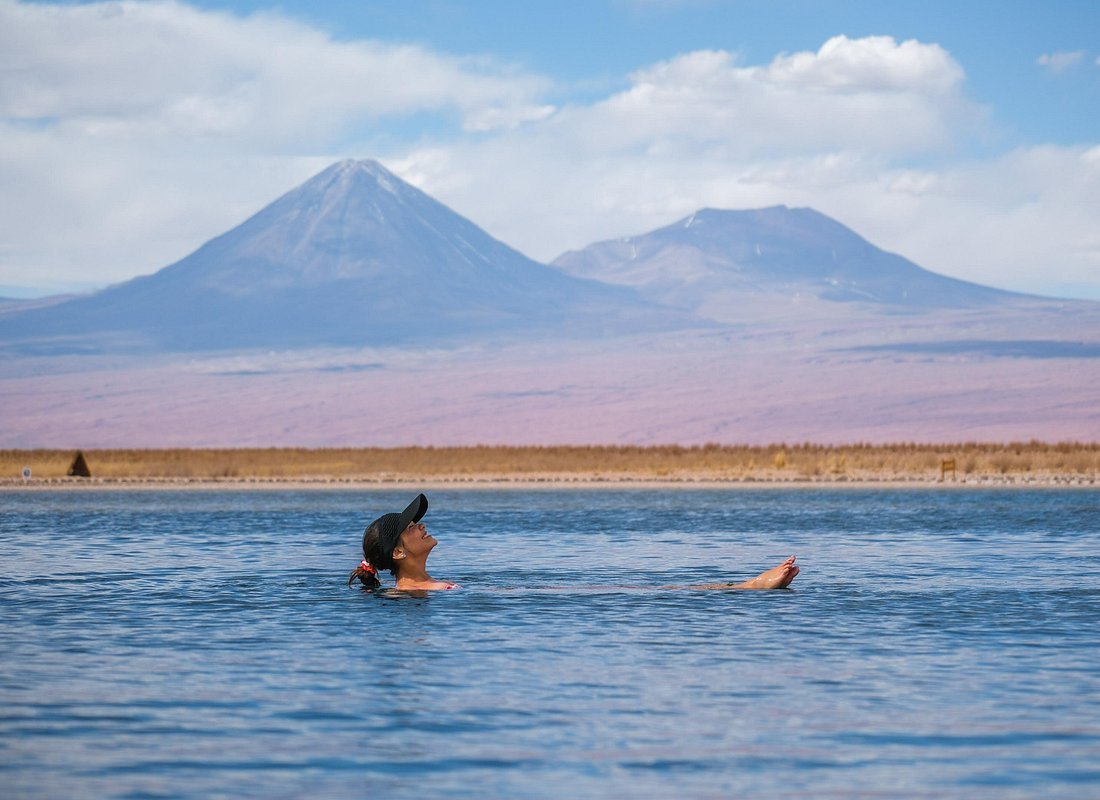
Near San Pedro de Atacama, the altiplano salt lagoons of the Atacama offer one of the most surreal natural experiences in South America. At 4,500 metres above sea level, in the world's driest desert, natural salt-rich lagoons create a buoyancy effect similar to the Dead Sea — you float effortlessly, face up to the high-altitude Andean sky, while the snow-capped cones of Licancabur and Juriques volcanoes rise above the horizon. Pink flamingos wade at the lagoon edges. The silence is absolute.
The Lagunas Escondidas de Baltinache (Hidden Lagoons of Baltinache) are the most spectacular — a series of seven interconnected pools hidden in a canyon, each a different shade of blue and green depending on mineral content, all with the same effortless floating quality. The contrast between the barren desert landscape above and the vivid colour of the water below the canyon rim is extraordinary.
Guided day tours from San Pedro de Atacama visit the salt lagoons as part of the altiplano circuit, often combined with the Los Flamencos National Reserve and the high-altitude Miscanti and Miñiques lagoons at 4,200m where flamingos breed. These tours are essential — the roads require 4WD and local knowledge, and the altitude can cause acute mountain sickness in unprepared visitors.
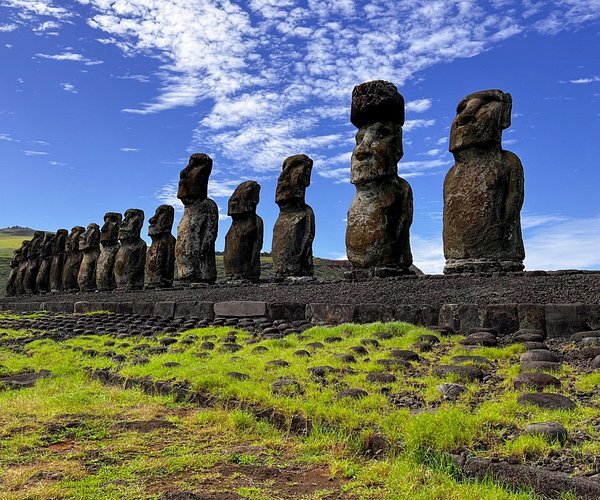
Easter Island is the most remote inhabited island on Earth — a 25km-long volcanic outcrop in the middle of the South Pacific, 3,700km from the Chilean coast and 4,000km from Tahiti. The nearest inhabited land is Pitcairn Island, home to 50 people. And in this extraordinary isolation, a Polynesian civilization that arrived around 700 AD carved, transported, and erected 900 enormous stone statues — moai — with a sophistication and effort that still challenges our understanding of what was possible without modern technology.
The moai range from 2 to 10 metres tall and weigh up to 80 tonnes. They stand on ceremonial platforms (ahu) facing inland, their backs to the sea, with topknots of red scoria and eyes once filled with white coral and obsidian. Ahu Tongariki — fifteen moai in a row against the sunrise — is one of the most photographed and genuinely most spectacular archaeological sites in the world. Rano Raraku, the quarry where almost all moai were carved, has hundreds of unfinished statues in various stages of completion, frozen in the hillside as if the carvers left yesterday.
LATAM Airlines flies daily from Santiago in 5 hours. Most visitors spend 3–4 days — enough to see all the major sites by rented car or scooter. Guided tours are valuable for context: the history, the ecological collapse, the oral traditions of the Rapa Nui people, and the ongoing debates about how the moai were moved are all stories that transform the experience from impressive to genuinely profound.
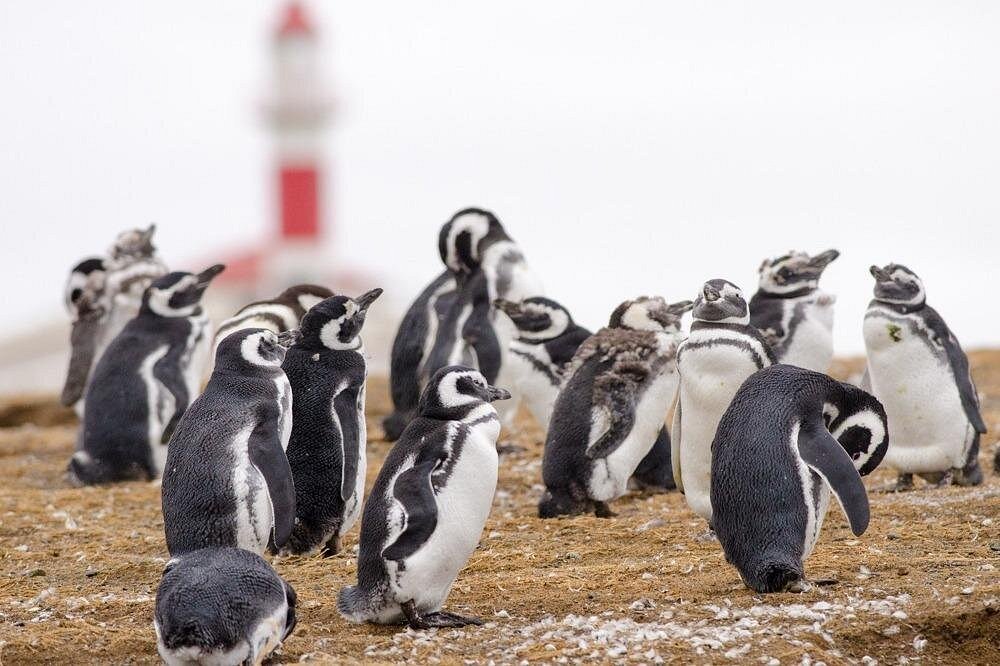
Magdalena Island sits in the Strait of Magellan, 35km northeast of Punta Arenas — a small island that from October to March is home to approximately 120,000 Magellanic penguins. The birds nest in burrows dug into the island's grass and arrive each spring from their winter migration at sea to breed. They are completely unbothered by human visitors — penguins on the marked path will walk directly past your feet, stop to inspect your shoes, and conduct their noisy arguments with neighbouring couples entirely indifferent to the humans watching.
The scale of 120,000 penguins in one place is something photographs can't prepare you for. The sound — a constant braying honk somewhere between a donkey and a foghorn — fills the island. The smell is significant. And the individual moments — a penguin returning from the sea to feed its chick, a couple engaged in the elaborate Magellanic greeting ritual of synchronized head-bobbing, a juvenile waddling purposefully toward the lighthouse — are endlessly captivating. This is wildlife watching without barriers, without distance, and without artifice.
Day trips to Magdalena Island depart from Punta Arenas by boat — approximately 2 hours each way across the Strait of Magellan. Boats typically allow 1–1.5 hours on the island. Punta Arenas is reachable by flight from Santiago (3 hours) or Puerto Natales (nearby for Torres del Paine). Combining a Magdalena Island penguin trip with the W Trek in a single Patagonia itinerary is highly recommended.
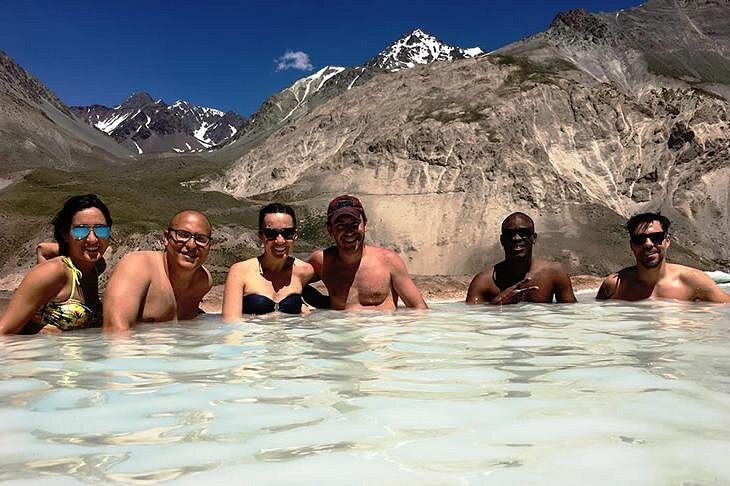
Termas Geométricas is one of the most beautiful natural spa experiences in the world — 17 geothermal pools hidden in a narrow ravine in the Chilean Lake District, fed by volcanic hot springs, each painted a distinctive red that contrasts with the dense green ferns and ancient coihue forest surrounding them. The pools are connected by wooden boardwalks that wind through the ravine, and the sound of a rushing stream accompanies every moment. No music, no spa treatments, no hotel infrastructure — just hot water, cold air, and forest.
The setting is genuinely extraordinary. The Villarrica and Quetrupillán volcanoes frame the horizon above the treeline. The water temperature varies between pools — some scalding, some warm — and moving between them in the cold air of the Lake District is one of those simple, perfect pleasures that travel occasionally produces. The facility is architecturally beautiful, the pools are uncrowded, and the experience feels nothing like a commercial hot spring.
Termas Geométricas is located 16km from Coñaripe in the Región de Los Ríos, approximately 90 minutes from Pucón. Pucón is the adventure hub of the Chilean Lake District and makes the best base — it also offers volcano climbing on Villarrica, whitewater rafting, and exceptional food. Guided day trips from Pucón to Termas Geométricas are available through Viator.
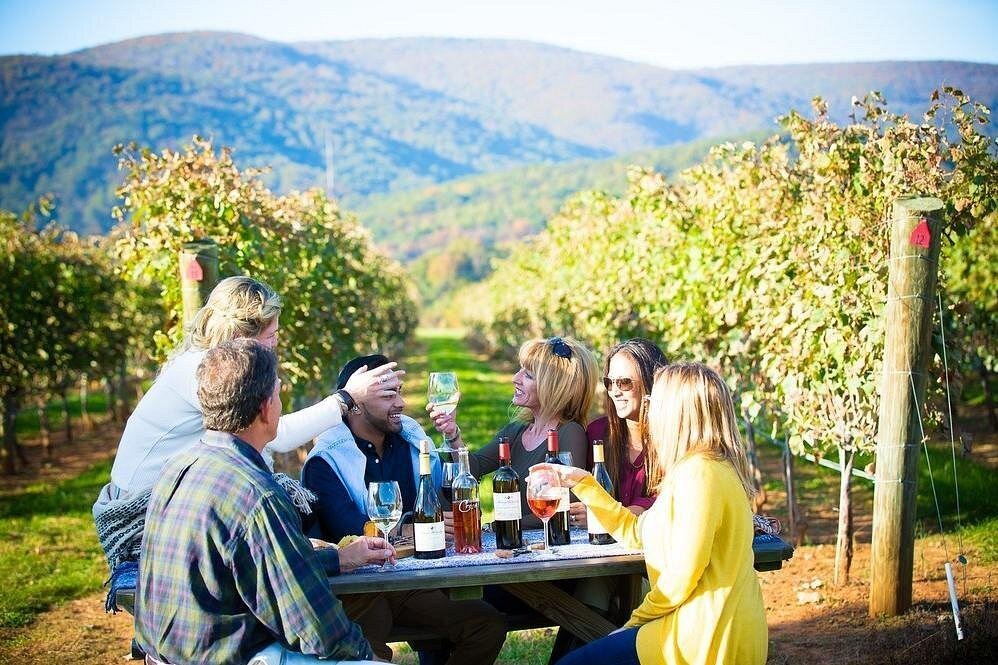
Chile's wine scene is world-class and internationally underrated — a country that produces Carménère, Cabernet Sauvignon, and Sauvignon Blanc at a quality level that rivals the best in France, California, and Argentina, at prices that reflect none of that pedigree. The Maipo Valley, 45 minutes south of Santiago, produces Chile's finest Cabernet Sauvignons in the shadow of the Andes, where snowmelt irrigation and the temperature differential between hot days and cold nights create perfect conditions for structured reds. The Casablanca Valley produces world-class Sauvignon Blanc and Pinot Noir. The Colchagua Valley is Chile's answer to Napa Valley.
Carménère is the variety that defines Chilean wine — a French grape variety thought extinct after the 1860s phylloxera epidemic, rediscovered in Chilean vineyards in 1994 where it had been growing for 150 years under the name Merlot. The authentic Chilean Carménère is deep, spicy, and herbal with a distinctly South American character that has no equivalent in France or anywhere else. Tasting it at the estate where it grows, with the snow-capped Andes visible above the vine rows, is the complete experience.
Half-day and full-day wine tours from Santiago visit multiple estates in the Maipo Valley, combining cellar tours, barrel tastings, and vineyard walks with winemaker explanations. The best estates — Concha y Toro, Viña Santa Rita, Viña Undurraga — all offer excellent guided experiences. Afternoon tours often include lunch paired with estate wines at a vineyard restaurant with Andes views.
Chile spans 38 degrees of latitude so the best time varies dramatically by region. Here's a quick breakdown: