🇰🇷 South Korea · Complete Activity Guide
🇰🇷
Things to Do in South Korea
K-pop, Korean BBQ, ancient kingdoms, the world's most fortified border, and the best skincare on Earth
K-pop, Korean BBQ, ancient kingdoms, the world's most fortified border, and the best skincare on Earth
South Korea is one of the most exciting travel destinations in Asia — a country that operates at extraordinary intensity across everything it does. The food is exceptional. The nightlife is relentless. The history spans 5,000 years of continuous civilisation, sitting alongside one of the most technologically advanced societies on Earth. And the fan culture — whether K-pop, baseball, or food — is simply unlike anything else in the world.
This guide covers the best things to do in South Korea in 2026 — eight experiences that between them show you what this country actually is.
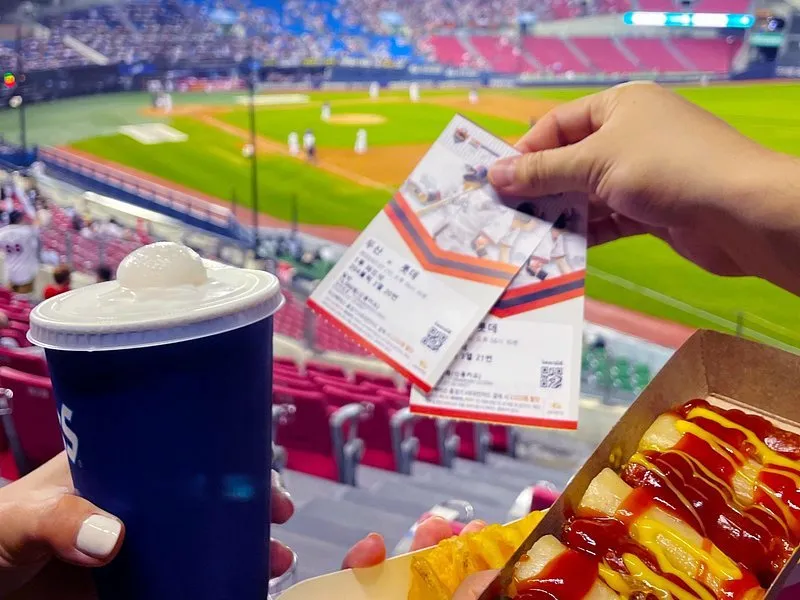
Korean baseball is the same game as American baseball — but the fan experience is something else entirely. Every batter has a specific chant, performed by the entire crowd in perfect unison with percussion backing. Beer and fried chicken are delivered to your seat by vendors carrying backpack fridges. Cheerleaders perform on the dugout roof. And the noise — sustained, organized, genuinely joyful — from first pitch to last makes attending a KBO game one of the great sporting crowd experiences in Asia.
The two Seoul teams — LG Twins and Doosan Bears at Jamsil Stadium, and the Kiwoom Heroes at Gocheok Sky Dome — play home games throughout the season from March to November. Tickets are inexpensive (10,000–30,000 KRW, roughly $8–22), easily bought online, and the games are accessible for anyone regardless of baseball knowledge. You are there for the crowd, the food, and the atmosphere as much as the sport.
Tickets can be bought through the team websites or Interpark (Korea's main ticketing platform). Jamsil Baseball Stadium is on subway line 2 (Jamsil station). Arrive 30 minutes early for the pre-game warm-up atmosphere. Bring cash for the food vendors. Book through Viator for guided experiences that include tickets and local context.
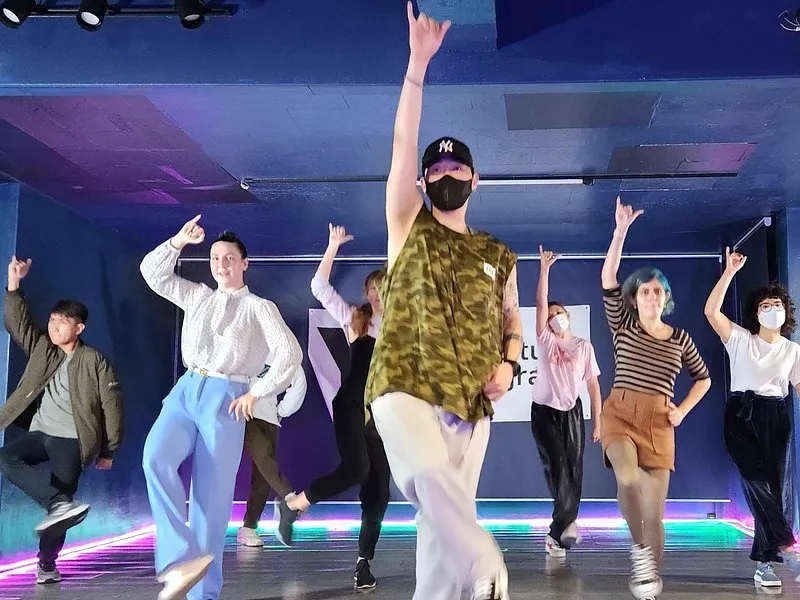
K-pop is South Korea's most successful cultural export — a meticulously choreographed combination of music, dance, and visual aesthetic that has produced a global fan culture unlike anything in the history of the music industry. The choreography is central to it: precise, complex, and performed by groups trained for years in dance academies across Seoul. In Hongdae — Seoul's university and street culture district — you can learn that choreography yourself, from professional instructors who teach it to tourists and beginners daily.
A K-pop dance class typically lasts 1–2 hours and covers the choreography of one or two popular songs — BTS, BLACKPINK, aespa, NewJeans, or whoever is currently dominating the charts. No dance experience is required. The instructors break the choreography down step by step, and by the end of the session you perform the routine together. It is significantly harder than it looks on screen, significantly more fun than you expect, and the Hongdae studios have mirrors so you can see exactly how far you have to go.
Multiple studios in Hongdae run daily tourist dance classes — HYBE INSIGHT (the BTS agency's cultural space), O.DANCE, and Def. Dance Skool are among the most popular. Classes book up quickly in peak season (spring and autumn). Book through Viator for English-language classes with transport from your hotel.
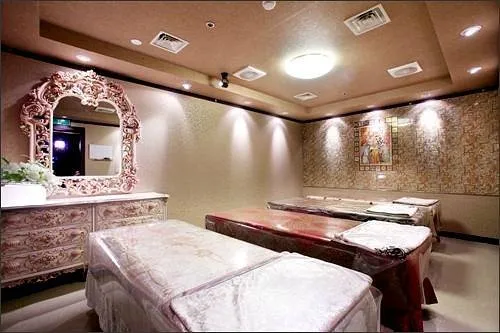
The jjimjilbang is the Korean version of the bathhouse — a 24-hour public spa combining gender-segregated hot pools, cold plunge pools, steam rooms, and dry saunas with a mixed communal area where guests lounge in thin cotton shorts and shirts, sleep on heated ondol floors, eat hard-boiled eggs and sikhye (sweet rice drink), watch TV, and generally treat the whole establishment as a second home. They are one of the cornerstones of Korean social culture — families go together, couples go on dates, workers sleep there after long nights.
Insadong Spa & Sauna is one of Seoul's most beloved traditional bathhouses — tucked in the heart of Insadong, the traditional arts and culture district, and offering a premium version of the jjimjilbang experience: a full-body scrub (Italy towel exfoliation, a Korean spa institution), a full-body massage, a facial, and unlimited use of the hot pools and stone saunas, all for around 150,000 won (~$105). English-friendly staff make it completely accessible for first-timers.
You enter, pay, receive a key locker and shorts/shirt set, and proceed to the gender-segregated bathing area. Shower first (mandatory — Korean bath culture is immaculate), then move between the pools at your own pace. The communal area outside is where you eat, sleep, and relax. Most jjimjilbangs are open 24 hours — many people stay overnight. No booking required for general entry; massages and scrubs should be booked in advance.
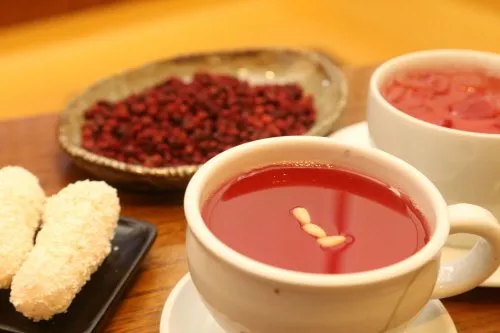
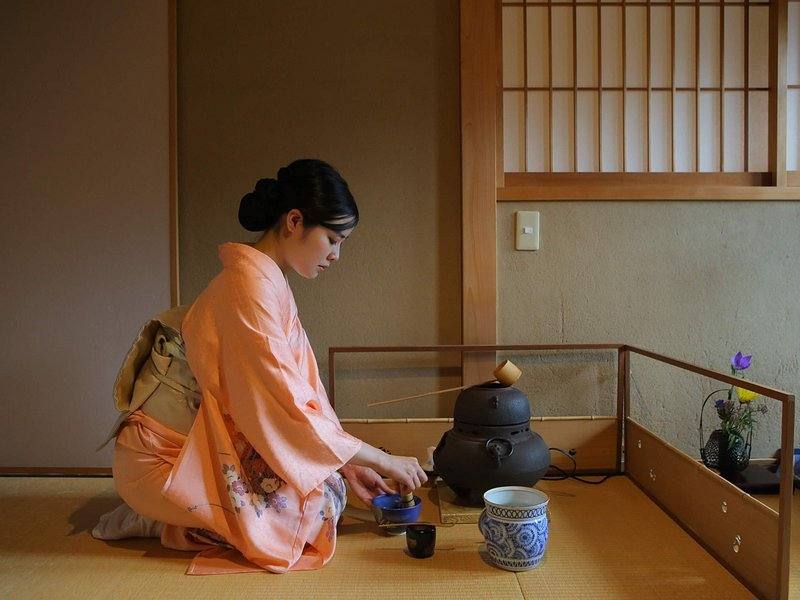
Insadong — Seoul's traditional arts and antiques district — contains a network of hanok tea houses that offer a completely different pace from the city surrounding them. Duck through a low wooden gate off the main street, climb a narrow wooden staircase, and find yourself in a room of celadon pottery, latticed paper screens, and the smell of ssanghwa-cha (a medicinal herbal tea of bittersweet complexity) being prepared in the kitchen below.
Dawon Tea House, tucked inside the grounds of Jogyesa Temple, is the most famous — a traditional Korean house converted to a tea room, surrounded by old trees, completely quiet even in the middle of the city. The teas are served in celadon bowls on lacquered trays: ssanghwa-cha (ginseng, cinnamon, jujube), omija (five-flavour berry tea, pink and tart), yuja-cha (yuzu honey tea), and a rotating selection of seasonal medicinal preparations. Each is paired with small rice cakes or honey cookies.
Dawon Tea House (inside Jogyesa Temple grounds) and Cha Masineun Tteul (on Insadong-gil) are the two most atmospheric options. Both are small — arrive early or expect to wait. No booking available; just arrive. Insadong's main street and the Ssamziegil courtyard nearby are worth exploring before or after.
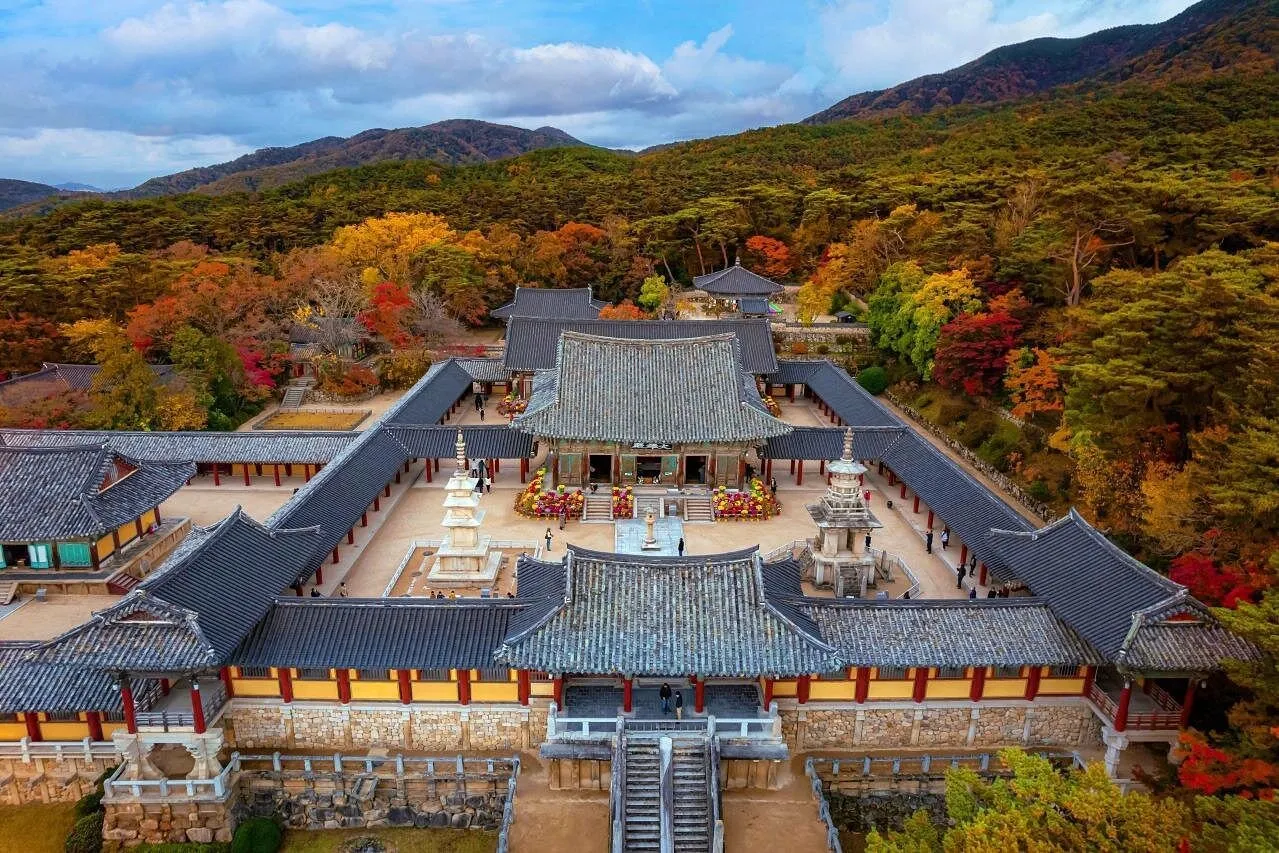
Gyeongju was the capital of the Silla Kingdom for almost a thousand years (57 BC–935 AD) — a civilisation that unified the Korean peninsula and produced some of the finest art and architecture in Korean history. Today, Gyeongju is often called the "museum without walls": the city contains burial mounds of Silla kings sitting in the middle of residential neighbourhoods as if they're just part of the urban furniture, UNESCO-listed temples, carved Buddhist grottoes, and one of the most atmospheric evening reflections in Korea at Anapji Pond.
Bulguksa Temple — a UNESCO World Heritage Site — is the most important Buddhist temple in Korea, built in 774 AD on a series of stone terraces with extraordinary granite staircases and pagodas. Seokguram Grotto, 8km further up the mountain, is a stone rotunda containing one of the finest Buddhist sculptures in East Asia — a seated granite Buddha looking out over the East Sea. Both together represent the peak of Silla artistic achievement.
Gyeongju is 370km southeast of Seoul — 2 hours by KTX express train to Singyeongju station (then bus or taxi into the city), or 1 hour from Busan. Gyeongju is best seen over a full day. Rent a bicycle in the city centre for the most pleasant way to reach the burial mounds and Anapji Pond. Book guided day tours from Seoul or Busan through Viator for English-language context.
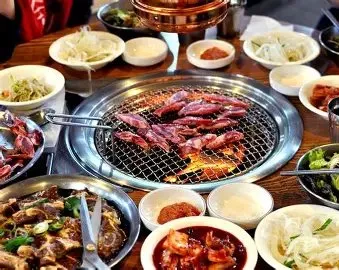
Korean BBQ is the world's most sociable way to eat — a table grill, plates of raw meat, a crowd of small side dishes (banchan), and the complete expectation that everyone at the table is going to be involved in the cooking, the wrapping, the dipping, and the drinking simultaneously. Samgyeopsal (thick-cut pork belly) grilled over charcoal, wrapped in perilla leaves with sliced raw garlic, dipped in doenjang (fermented soybean paste), and chased with a shot of soju: this is the Korean meal that every visitor should eat, and Mapo-gu in western Seoul has some of the best and most local restaurants doing it.
The banchan alone — the constellation of small side dishes that accompany every Korean meal, refilled without charge as many times as you want — is a meal in itself: kimchi in multiple forms, spinach namul, fish cake, pickled daikon, and a rotating selection depending on the season and the restaurant. The entire ritual of Korean BBQ takes at least two hours and should not be rushed.
Mapo-gu, across the Han River from central Seoul, has some of the most authentic and local samgyeopsal restaurants — away from the tourist circuit of Myeongdong. Mangwon Market area and the streets around Hapjeong station are particularly good. For a guided experience with cultural context, book through Viator for Korean BBQ food tours with English explanation of the menu and etiquette.
The Korean Demilitarized Zone — a 4km-wide, 250km-long strip of land separating South and North Korea — is the most heavily fortified border on Earth and one of the most surreal places a civilian can visit anywhere in the world. The Korean War ended in 1953 not with a peace treaty but an armistice — technically, the two countries are still at war. The DMZ is a direct consequence of that unresolved conflict, and standing at the border makes that history immediate and physical in a way that reading about it does not.
The Joint Security Area at Panmunjom — where South and North Korean soldiers stand literally face-to-face across the Military Demarcation Line — is the centrepiece of the DMZ tour. The Third Tunnel of Aggression, dug by North Korea to infiltrate the South, is accessible to visitors. Dora Observatory gives views north into the DPRK. And the Dorasan station — the last train station in South Korea before the border — carries the weight of a division that has lasted over 70 years.
All DMZ visits require a licensed guided tour — independent access is not permitted. Tours depart from central Seoul in the morning and return by evening (approximately 8 hours total). Passport is mandatory. Book well in advance through Viator — the Panmunjom JSA tours have strictly limited capacity and sell out weeks ahead in peak season.
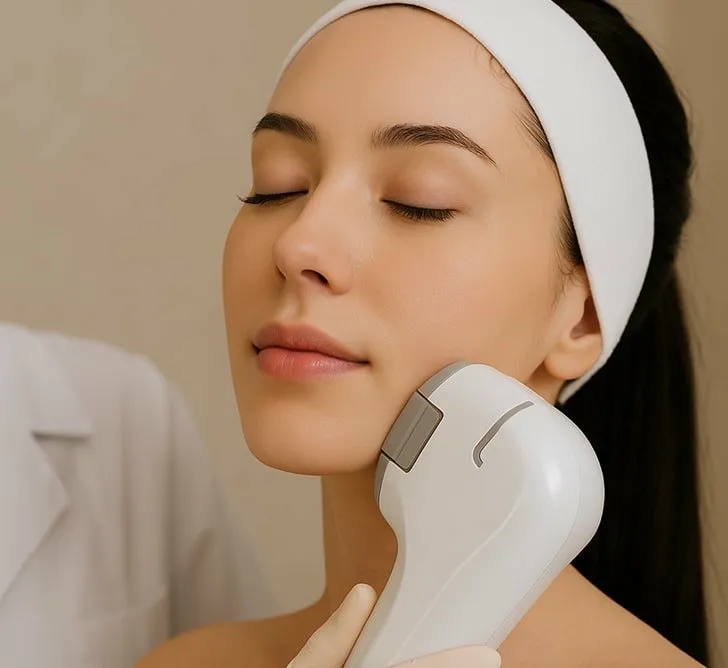
Seoul is the undisputed world capital of skincare — the city that developed the 10-step skincare routine, invented sheet masks, pioneered SPF50+ daily sunscreen as a cultural norm, and produces the most advanced and affordable dermatological treatments available anywhere in the world. Korean skincare is not a trend: it is a deeply embedded cultural value rooted in the belief that skin health is fundamental to wellbeing, pursued with the same seriousness that Koreans bring to food and education.
A professional facial or skin analysis at one of Myeongdong's renowned beauty clinics delivers treatments that combine traditional Korean techniques (facial massage, pressure points, herbal preparations) with cutting-edge dermatological technology (LED therapy, ultrasound lifting, high-frequency treatments) at prices that are 30–50% lower than equivalent treatments in Western cities. Lijn Clinic on Myeongdong's main street is one of the most accessible for English-speaking visitors.
After your treatment, Myeongdong's main pedestrian street is lined with flagship stores for every major Korean skincare brand — Innisfree, Etude House, Laneige, COSRX, and dozens more. Products are significantly cheaper than export prices. Bring an empty suitcase. The sheet masks alone are worth allocating serious baggage space for.
South Korea has four distinct seasons — each with its own character and highlights.