🇰🇭 Cambodia · Complete Activity Guide
🇰🇭
Things to Do in Cambodia
Jungle temples, floating villages, and experiences you won't find anywhere else on Earth
Jungle temples, floating villages, and experiences you won't find anywhere else on Earth
Cambodia rewards travellers who go beyond the obvious. Yes, Angkor Wat is one of the greatest architectural achievements in human history and deserves every superlative — but Cambodia also has a wild jungle frontier in the Cardamoms, one of Southeast Asia's largest lakes with floating villages you can kayak through, a cooking tradition of extraordinary subtlety, and some of the most original humanitarian tourism anywhere in the world. It is a country with enormous depth.
This guide covers the best things to do in Cambodia in 2026 — seven experiences that between them show you what this country actually is.
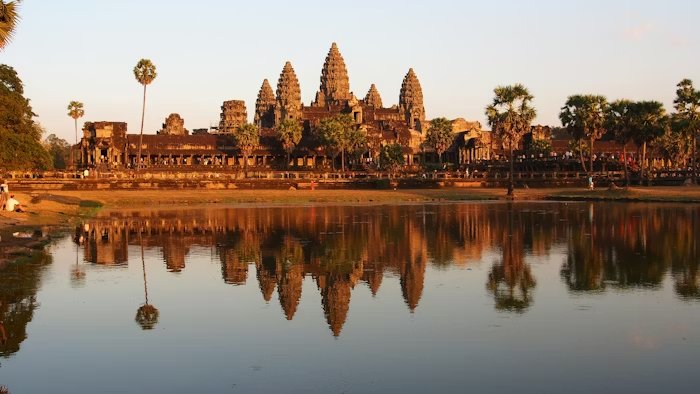
Angkor Wat is the largest religious monument ever constructed — a 12th-century Khmer temple complex covering 400 acres, built by Suryavarman II as a representation of Mount Meru, home of the Hindu gods. At sunrise, standing at the front pools as the sky turns pink and then gold behind the five towers, it is one of the most extraordinary architectural experiences available anywhere on Earth. The reflection in the still water doubles the temple — the image is so famous it appears on the Cambodian flag.
The first entry rule is critical: arrive before 5:15am to secure a position at the front pools before the tour groups fill the space. The sky begins turning at around 5:45am, with peak colour between 6:00 and 6:30am. After sunrise, the entire Angkor complex opens — Ta Prohm (the tree-root temple), Bayon (with its 216 smiling stone faces), and the Terrace of the Elephants are all within the same pass.
Buy your pass the evening before from the official Angkor Ticket Centre on the road to the complex — this avoids queues at the gate on sunrise morning. A one-day pass costs $37 USD; a three-day pass $62. The pass is required for all temples in the Angkor complex. Tuk-tuks from Siem Reap centre take about 20 minutes and cost $10–15 return.
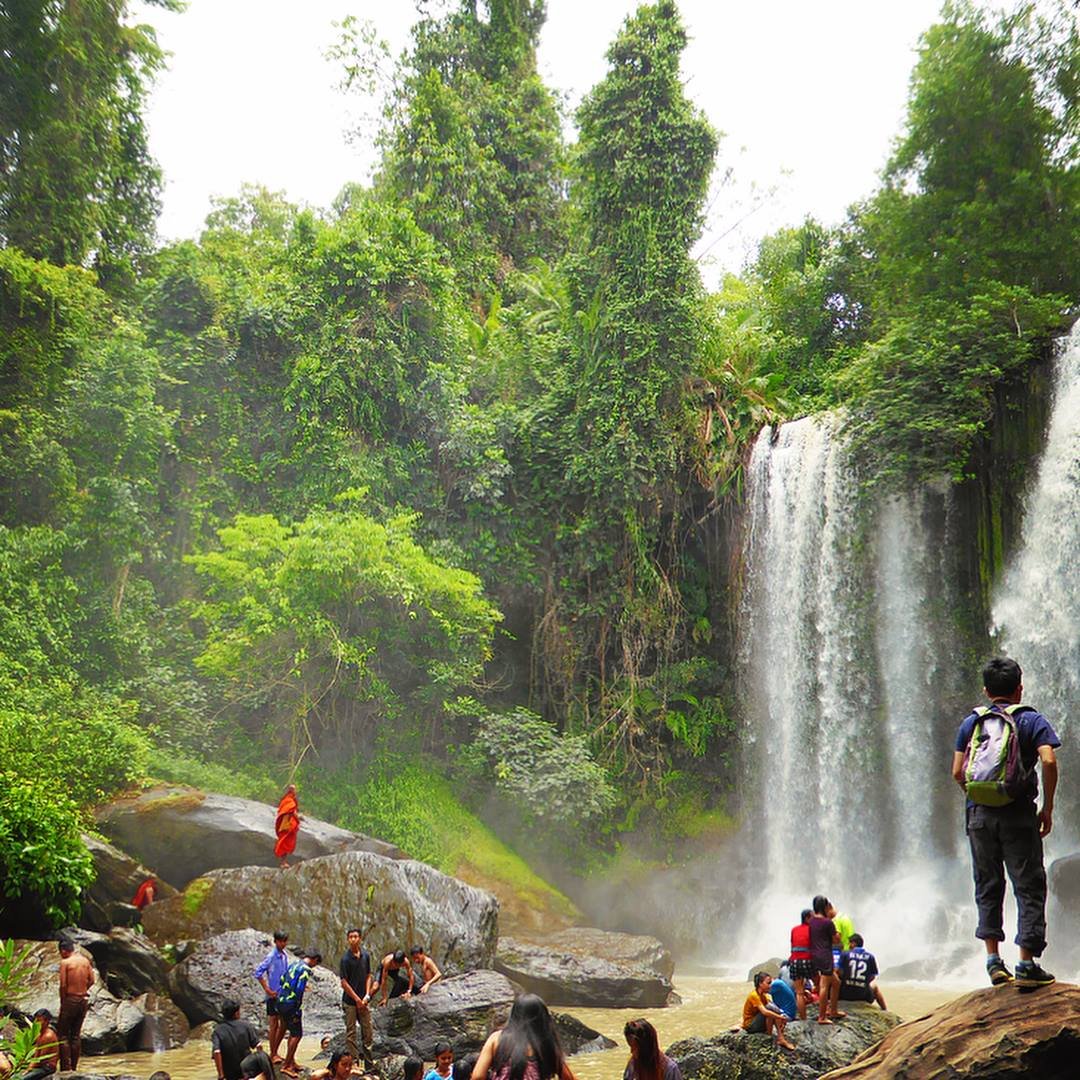
Phnom Kulen is the sacred mountain where Jayavarman II proclaimed the Khmer Empire in 802 AD — the founding event of the civilisation that built Angkor. Today it's a national park 50km northeast of Siem Reap, reached by a winding jungle road that climbs to a plateau of ancient temples, a reclining Buddha carved from a single boulder, and a tiered waterfall that Khmer royalty bathed in centuries ago and which locals still pack on weekends.
The best way to get there is by scooter — rent one in Siem Reap for $10–15/day and wind through red dirt roads, through villages waking up, into jungle that gradually closes overhead as the road climbs. The waterfall itself is shared by monks, teenage Cambodians taking selfies, families having picnics, and the occasional tourist — a completely authentic slice of Cambodian weekend culture with one of the country's most beautiful natural features as the setting.
The national park is 48km from Siem Reap on paved road — about 1.5 hours by scooter. Entry to the park costs $20 USD (foreigners). Bring cash, water, and sunscreen. The road up the mountain is steep and winding — go slowly. Return before 4pm as the park closes. Alternatively, organised day tours from Siem Reap include transport and a guide.
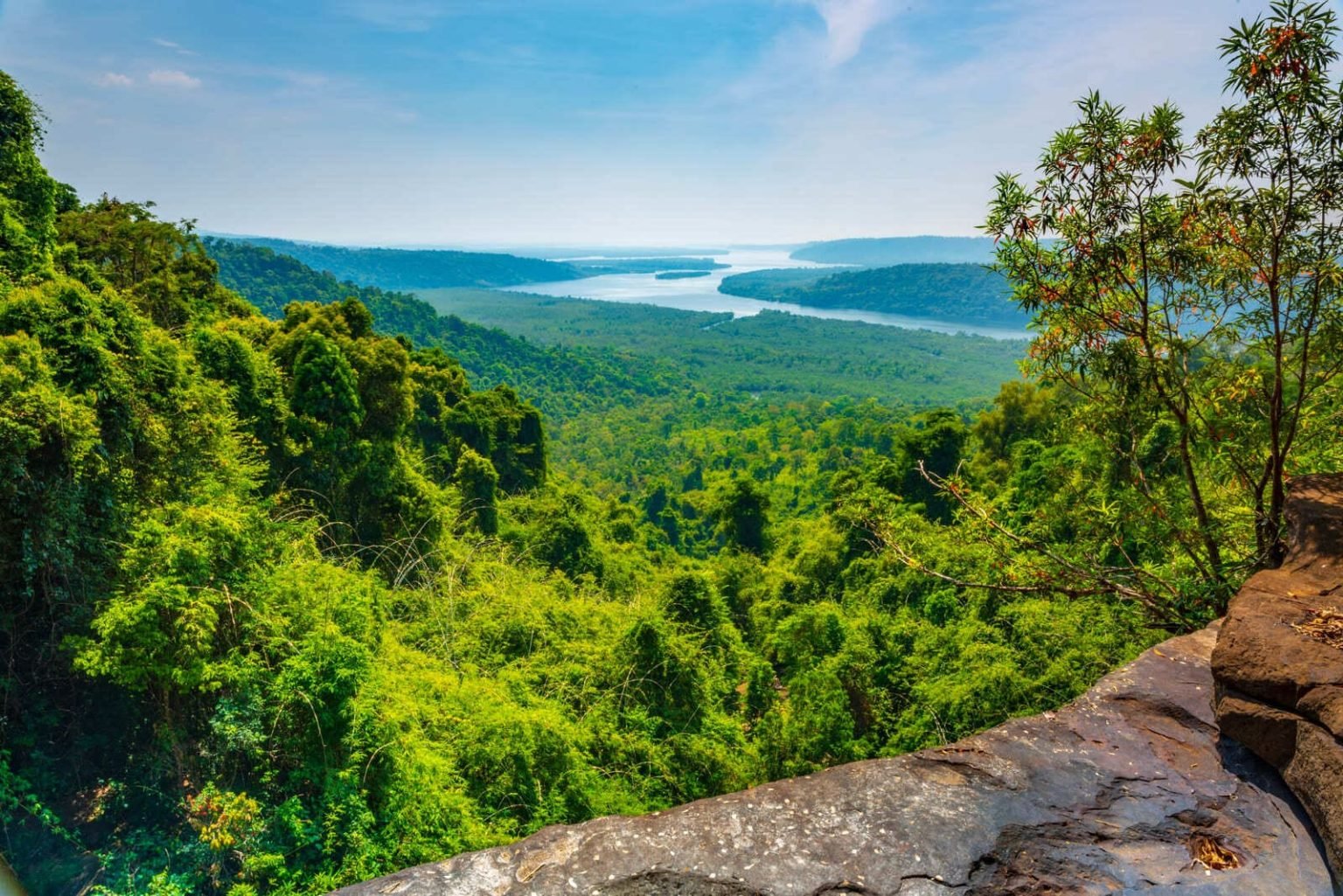
The Cardamom Mountains in southwest Cambodia are one of the last great wild frontiers in Southeast Asia — 4.5 million hectares of largely intact lowland and highland rainforest, harbouring populations of Asian elephants, clouded leopards, sun bears, Siamese crocodiles, and hundreds of bird species found nowhere else. It is one of the most biodiverse regions in Asia and one of the least visited by international travellers.
Multi-day treks depart from Chi Phat village — a community-based ecotourism project that channels revenue directly to local rangers who were formerly wildlife poachers. The trekking is genuine wilderness: river crossings, steep jungle trails, remote ranger camps, and the possibility (not the guarantee) of wildlife encounters that would be the highlight of any safari in Africa. The Cardamoms operate on wild-Cambodia rules — you earn what you see.
The main access point is Chi Phat village, reached via Koh Kong (6 hours from Phnom Penh). Book treks through the CBET (Community-Based Ecotourism) office in Chi Phat — they provide local guides, accommodation in ranger stations, and all logistics. Treks range from 1 to 7 days. The wet season (June–October) makes trails harder but wildlife more active. All revenue supports conservation and the local community.
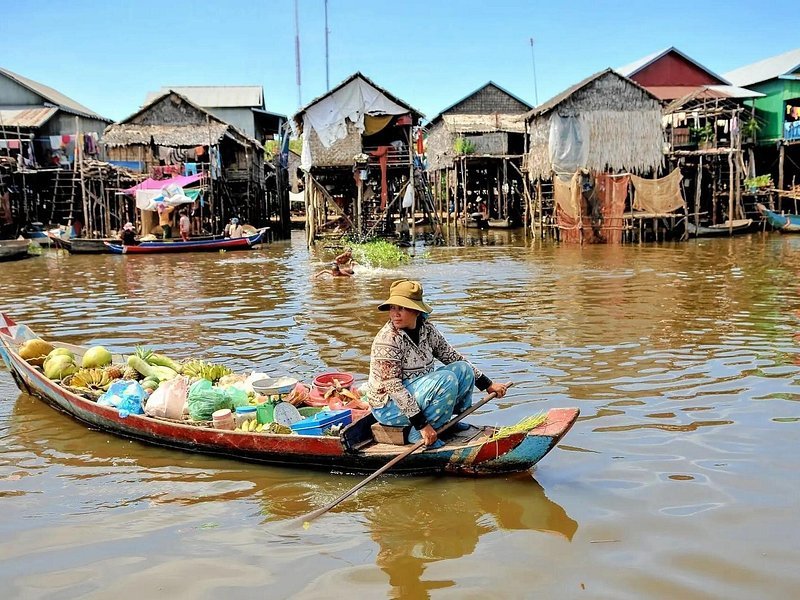
The Tonle Sap is Southeast Asia's largest freshwater lake — and one of the most productive fishing grounds in the world. In the wet season it swells to six times its dry-season size, flooding hundreds of kilometres of surrounding forest and creating a vast flooded woodland that is one of the most biodiverse freshwater ecosystems in Asia. Entire communities live on the lake year-round on floating houses that rise and fall with the water level.
Kayaking through the Tonle Sap's flooded forest is a completely different experience from the tourist boat tours — paddling through the submerged trees in silence, past stilted houses and fishing nets, through channels where the canopy closes overhead, gives access to areas and a perspective that motorboats cannot reach. The floating villages are extraordinary — schools, shops, restaurants, and places of worship all built on pontoons.
Tours depart from Siem Reap and typically take 3–4 hours, including transport to and from the lake. The best time is early morning when the light is golden and the lake traffic is minimal. The dry season (November–May) sees the lake at lower levels but the flooded forest is more accessible in the wet season (June–October). Book through Viator for English-guided tours with all equipment included.
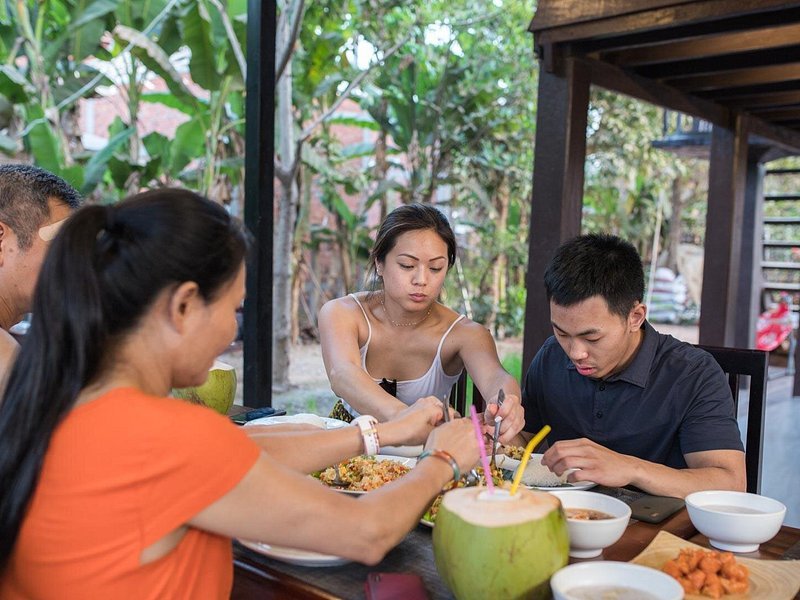
Khmer cuisine is one of the great underrated food traditions of Southeast Asia — a cuisine of extraordinary subtlety built on galangal, lemongrass, kaffir lime leaf, turmeric, and fermented fish paste (prahok), producing dishes of complex flavour that are completely distinct from Thai or Vietnamese cooking. Fish amok — a steamed fish curry in banana leaf cups, perfumed with coconut and fresh kroeung paste — is Cambodia's national dish and one of the most elegant preparations in all of Asian cooking.
A cooking class in Siem Reap begins at Phsar Leu market, where you shop with a local cook for the morning's ingredients — choosing galangal by smell, testing the freshness of fish, learning which variety of lemongrass produces the right flavour. Back in the kitchen, you make three or four dishes from scratch, learning the technique behind the flavours and taking a recipe card home.
Classes typically run 3–4 hours, including the market tour, cooking, and eating everything you make. Group sizes are small — usually 6–10 people. No cooking experience is required. The market portion is often the highlight — Phsar Leu is a genuine local market with no tourist inflation. Book through Viator for English-taught classes with transport from your hotel included.
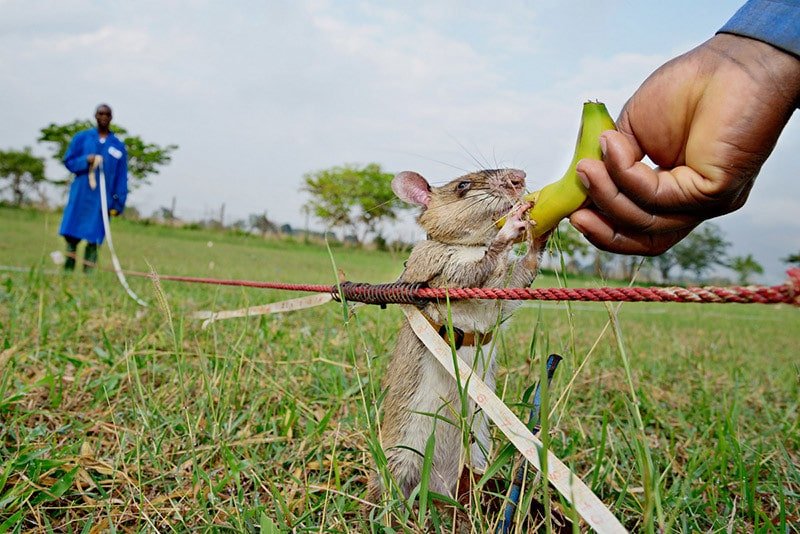
APOPO is a Belgian NGO that has developed one of the most creative solutions to one of Cambodia's most persistent humanitarian crises: landmines. Decades of conflict left millions of unexploded landmines buried across Cambodia's countryside — a legacy that still kills and maims hundreds of people each year. APOPO's answer was to train giant African pouched rats (HeroRATs) to detect the TNT in buried mines.
The rats weigh too little to detonate the mines and can clear a field in 30 minutes that would take a human team with metal detectors several days. They are trained using positive reinforcement — a click and a banana reward when they detect the target scent — and can work for years. Cambodia's HeroRAT visitor centre in Siem Reap allows the public to watch the rats train in a mock minefield, meet the handlers, and learn about the ongoing clearance work in the field.
The APOPO visitor centre is in Siem Reap town — book directly at booking.apopo.org. Visits are guided, last approximately 45 minutes, and all revenue directly funds the demining operations. A small entry fee applies. The visit is suitable for all ages and is one of the most moving and thought-provoking experiences available anywhere in Southeast Asia.
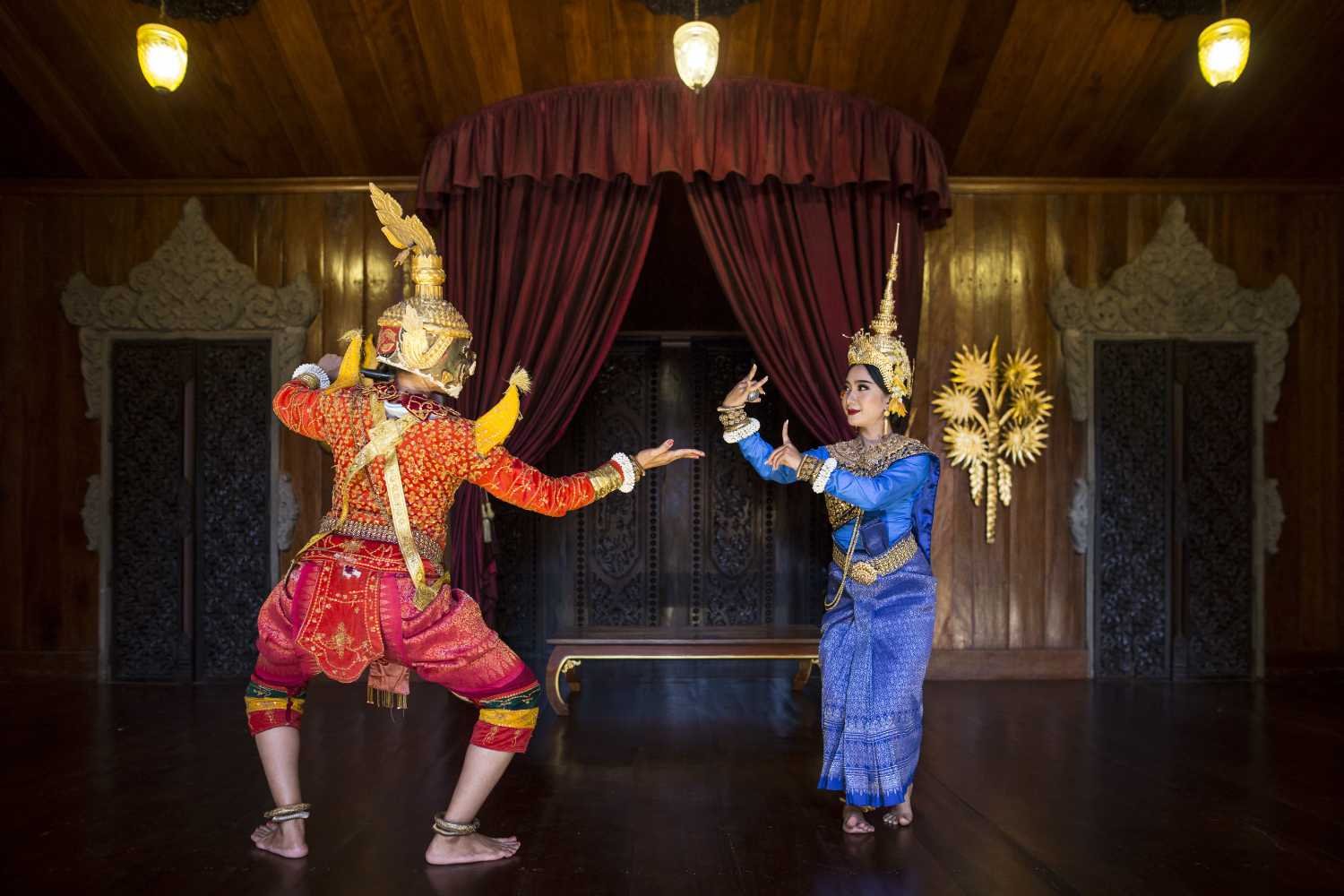
Apsara dance is Cambodia's classical art form — an ancient performance tradition that almost disappeared entirely during the Khmer Rouge era, when the majority of Cambodia's artists, musicians, and cultural practitioners were killed. Its survival and revival is one of the most extraordinary cultural stories of the 20th century. Today's Apsara performers are the students of the survivors, maintaining a dance vocabulary of 4,500 hand and finger positions that encode the entire Khmer mythological tradition.
The Angkor Village Apsara Theatre in Siem Reap presents the dance in a traditional wooden theatre by candlelight — a setting that removes every trace of the tourist-show atmosphere that can undermine cultural performances. The dancers in their gilded headdresses and elaborate silk costumes perform episodes from the Ramayana and Mahabharata, their hands narrating stories that the carvings on Angkor's walls tell in stone. It is extraordinarily beautiful and carries a weight of cultural survival that makes it genuinely moving.
The Angkor Village Apsara Theatre operates evening performances with a traditional Khmer dinner included. Book directly at apsaratheatre.asia — advance booking is essential as performances have limited seating. The theatre is in Siem Reap town, easily reachable by tuk-tuk. Performances typically start at 7:30pm and run approximately 90 minutes.
Cambodia has two seasons — dry and wet — and both offer excellent but different travel experiences.