🇭🇺 Hungary · Complete Activity Guide
🇭🇺
Things to Do in Hungary
Soviet tanks, thermal baths, ruin bars, Formula 1, and one of Europe's most underrated cities
Soviet tanks, thermal baths, ruin bars, Formula 1, and one of Europe's most underrated cities
Budapest is one of the great underrated cities of Europe — a city that does things its own way, with a confidence born from sitting at the crossroads of empires for a thousand years. Where else can you drive a Soviet tank in the morning, soak in a 1913 art nouveau thermal bath in the afternoon, eat the world's best fried flatbread for $2, watch a world-class opera for $30, and end the night in a bar built inside a derelict factory? Budapest does all of this, simultaneously, without breaking a sweat.
This guide covers the best things to do in Hungary in 2026 — nine experiences that capture exactly what makes this country so extraordinary.
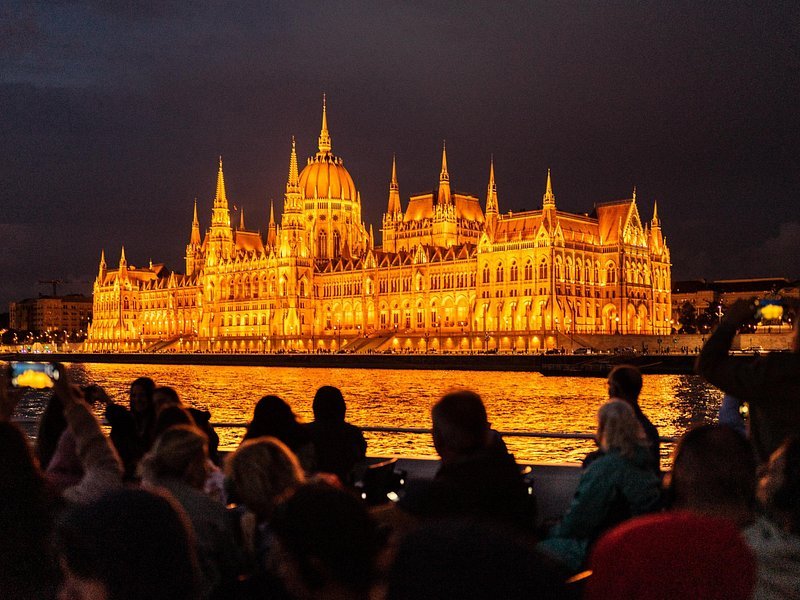
The Hungarian Parliament Building — a neo-Gothic confection of 691 rooms, 365 towers, and 40kg of gold leaf — is one of the most beautiful buildings in Europe in daylight. At night, illuminated gold against the dark Danube and the Buda hills behind, it is transcendent. A river cruise past the Parliament, Buda Castle, the Chain Bridge, and the other illuminated landmarks of Budapest is the single best way to experience the city's extraordinary architectural heritage.
Budapest divides into Buda (hilly, residential, historic castles) and Pest (flat, urban, grand boulevards) with the Danube running between them — and the night cruise gives you both banks simultaneously, in the best possible light. The city's World Heritage status is immediately comprehensible from the water: the panorama from the Danube at night is one of the great urban views in the world.
Multiple operators run evening cruises departing from the Pest embankment — typically 1–2 hours, with or without dinner and drinks included. Book through Viator for English-language options with guaranteed departures. Evening cruises typically depart from 7–8pm and are available year-round. The cruise is most popular in summer but the winter illuminations are equally beautiful.
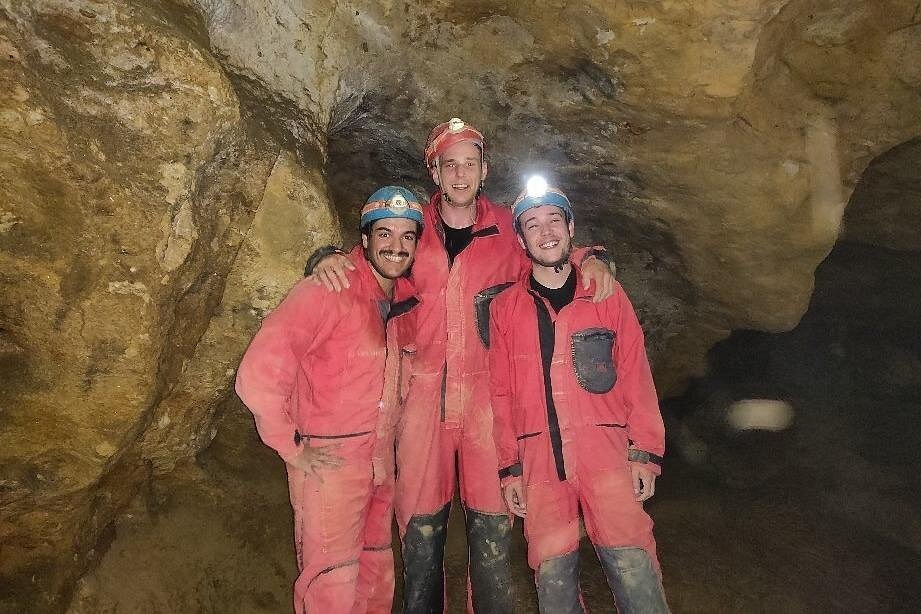
Aggtelek National Park on the Hungarian-Slovak border contains the Baradla-Domica cave system — the longest stalactite cave in Europe, stretching over 26km with the Hungarian portion alone comprising more than 17km of passages. The cave system is a UNESCO World Heritage Site and contains one of the world's largest stalactite concert halls — a chamber with acoustics so extraordinary that regular concerts are performed inside it.
Beyond the standard tourist route, Aggtelek offers caving experiences that take you into the wild sections of the cave — crawling through narrow passages, rappelling into chambers, and navigating underground rivers with headlamps and a guide. It is a genuinely adventurous underground experience in a cave system of world-class scale, and it remains almost entirely off the international tourist radar.
Aggtelek is approximately 250km north of Budapest — about 3 hours by car. Regular tours from Budapest include transport. Multiple tour routes are available from 1-hour family walks to 7-hour wild caving expeditions. The cave maintains a constant temperature of 10°C year-round — bring a layer regardless of the season. Book in advance through Viator for guided caving experiences.
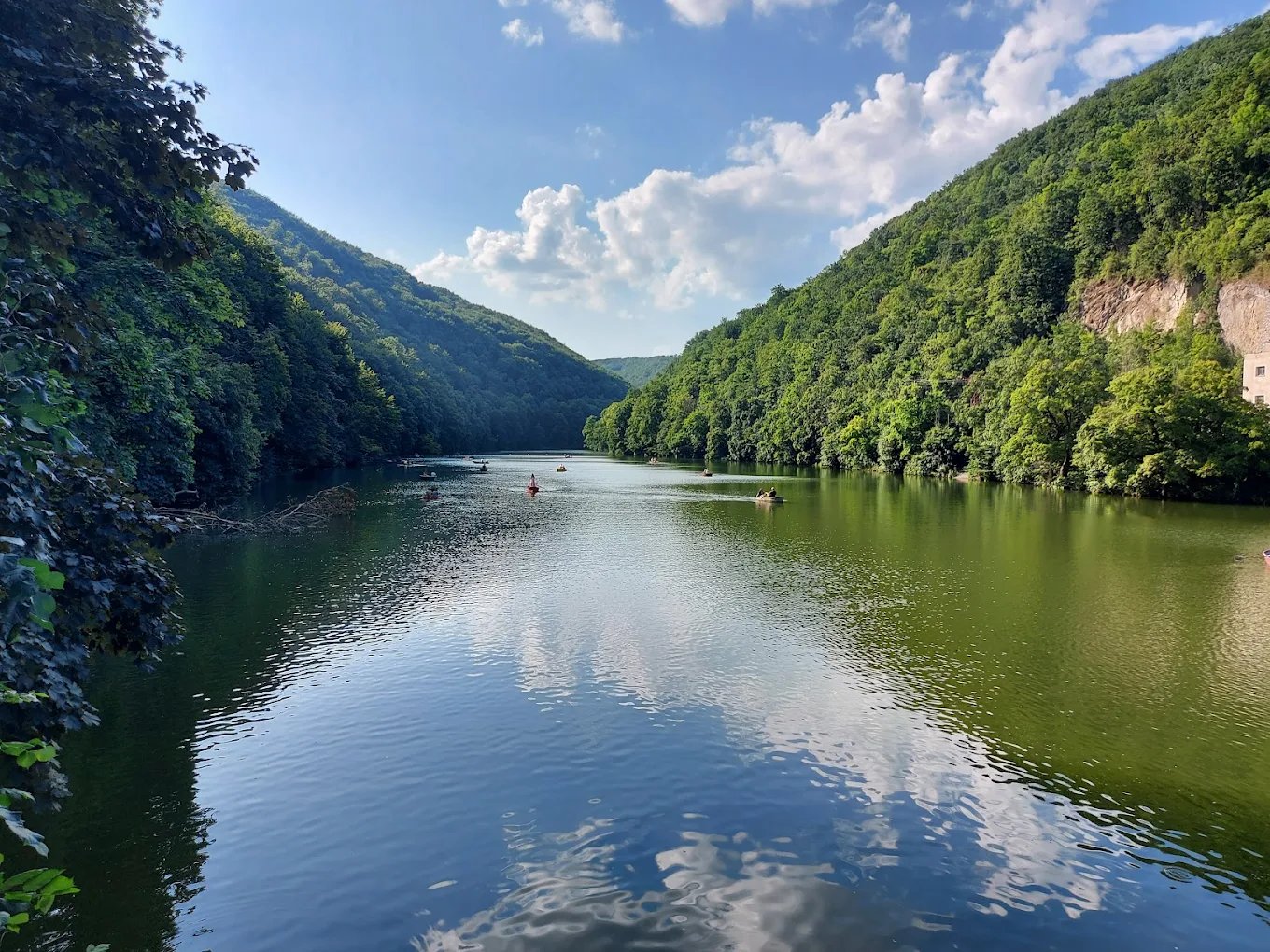
The Bükk Mountains in northern Hungary are the country's largest continuous forest — a plateau of ancient beech trees, limestone rock formations, cave dwellings, and hidden valleys that rises to 959 metres above sea level. It is Hungary's hilliest terrain and consistently produces the country's most rewarding hiking, yet it attracts almost no international tourists. The AllTrails network in the park covers over 400km of marked trails ranging from gentle valley walks to multi-day ridge routes.
The landscape is genuinely beautiful — clear streams running through beech forest, dramatic limestone cliffs dropping into valleys, and viewpoints that reveal the entire Hungarian plain stretching south to the horizon. In autumn (October) the beech forest turns copper and gold, producing some of the most stunning woodland scenery in Central Europe. The medieval cave dwellings cut into the limestone cliffs add a completely unexpected historical dimension to the hiking.
The gateway town of Eger (also famous for its Baroque architecture and Egri Bikavér red wine) is 130km from Budapest — about 1.5 hours by car or 2 hours by train. Miskolc is an alternative gateway. AllTrails has comprehensive trail maps for the park at alltrails.com/parks/hungary/heves/bukki-nemzeti-park.
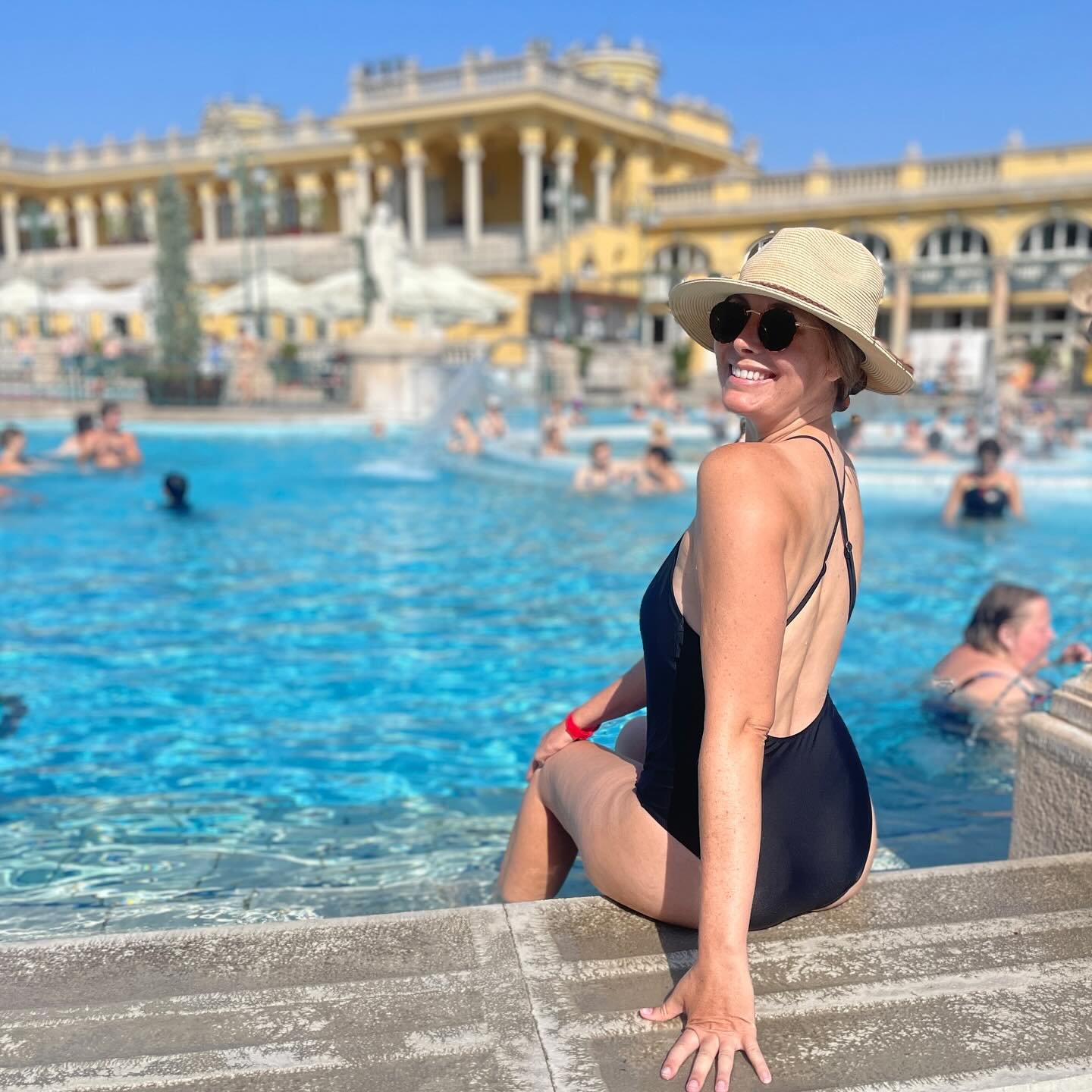
Budapest sits on a geological fault line that produces 80 natural hot springs — which is why the city has been a bathing culture centre since Roman times (Aquincum), through the Ottoman occupation (which left several beautiful Turkish baths still in operation), to the grand 19th-century spa palaces that define Budapest's thermal culture today. Széchenyi, opened in 1913, is the largest medicinal bath in Europe — a yellow neo-baroque palace in City Park with indoor halls and outdoor pools maintained at 36–38°C year-round.
Going in winter is the key insight. When the outdoor air temperature is -5°C and steam rises off the pools, when you can see snow on the park trees from the warm water, when the contrast between the cold air and the thermal water is at its most dramatic — that is when the Széchenyi bath is at its absolute best. Old men play chess on floating boards in the outdoor pool. The indoor halls with their vaulted ceilings and mosaic tiles are extraordinary architectural spaces.
Széchenyi is in City Park, easily reached by metro (M1 Széchenyi fürdő stop). Book tickets in advance online to avoid queues — peak times are weekends and evenings. Bring or rent a towel and swimsuit. The thermal experience typically lasts 2–3 hours. Evening sessions (after 5pm) are less crowded and more atmospheric. Book through Viator for combined entry and guided experiences.

The Hungarian Grand Prix at the Hungaroring — 20km northeast of Budapest — is one of the best-kept secrets in Formula 1: a race with the same cars, the same drivers, and the same racing as Monaco, Silverstone, or Monza, at a fraction of the ticket price. Grandstand seats start at €80–150 when the equivalent seats at other European races cost €300–800+. Budapest accommodation is a quarter of the price of Monaco or London during race weekend. The circuit itself is set in beautiful rolling Hungarian hills and produces consistently dramatic racing.
The Hungarian Grand Prix has been on the F1 calendar since 1986 and has produced some of the most memorable races in the sport's history — including multiple battles for the championship, stunning overtakes, and the circuit's tendency to favour unpredictable strategy. The race weekend (Practice, Qualifying, Race) runs over three days, giving multiple opportunities to experience the atmosphere.
Tickets are sold through the official Formula 1 website (formula1.com) and the Hungaroring website. Book months in advance — the Hungarian GP has grown in popularity and good grandstand seats sell out. The race typically falls in late July or early August. Budapest city centre is a 30-minute drive or direct shuttle bus from the circuit. Book through Viator for guided race weekend packages including tickets and transport.

Hungary's Cold War history left behind an enormous stock of Soviet-era military hardware — and rather than let it rust, Hungarians turned it into a tourist experience. Tank.hu operates a military vehicle experience outside Budapest where visitors take the controls of genuine Soviet-era tanks and armoured personnel carriers, driving them across a military training ground under instruction. This is not a simulation or a theme park recreation — these are real tracked vehicles from the Warsaw Pact era.
The experience typically includes instruction, a driving session in the tank of your choice, and the ability to fire some of the ancillary weapons systems in a controlled environment. The vehicles on offer include T-34 variants, BTR armoured personnel carriers, and various Soviet utility vehicles. The whole experience runs approximately 2 hours and is one of the most genuinely unusual things available to tourists anywhere in Europe.
Book directly through tank.hu — the experience runs year-round outside Budapest. Transport from the city centre can be arranged. Minimum age applies (typically 18+). No prior experience required — instructors handle all safety briefings. Book in advance as slots are limited.
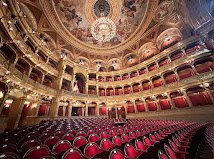
The Hungarian State Opera House, opened in 1884 on Andrássy Avenue, is one of the most beautiful opera houses in Europe — a neo-Renaissance palace of extraordinary opulence with a gilded ceiling, marble columns, bronze statues, and a 3-tonne chandelier. Emperor Franz Joseph of Austria-Hungary commissioned it on the condition that it be more beautiful than the Vienna State Opera. The result is a building that genuinely competes.
What makes Budapest's opera exceptional as a travel experience is the price. While Vienna, Milan, or London charge €100–500 for good seats, the Hungarian State Opera offers standing room from €5 and excellent seats from €20–50. The company is world-class — Budapest has produced some of the great opera singers and conductors of the 20th century. A night at the Hungarian State Opera delivers the full experience — extraordinary architecture, world-class performance — at a fraction of the cost of any comparable house in Western Europe.
Book tickets directly at opera.hu — the official website has an English-language booking system. The season runs September through June. Standing room tickets are available at the box office on the day. Dress code is smart — formal dress is not required but jeans are out of place. Arrive 30 minutes early to explore the foyer and staircases.
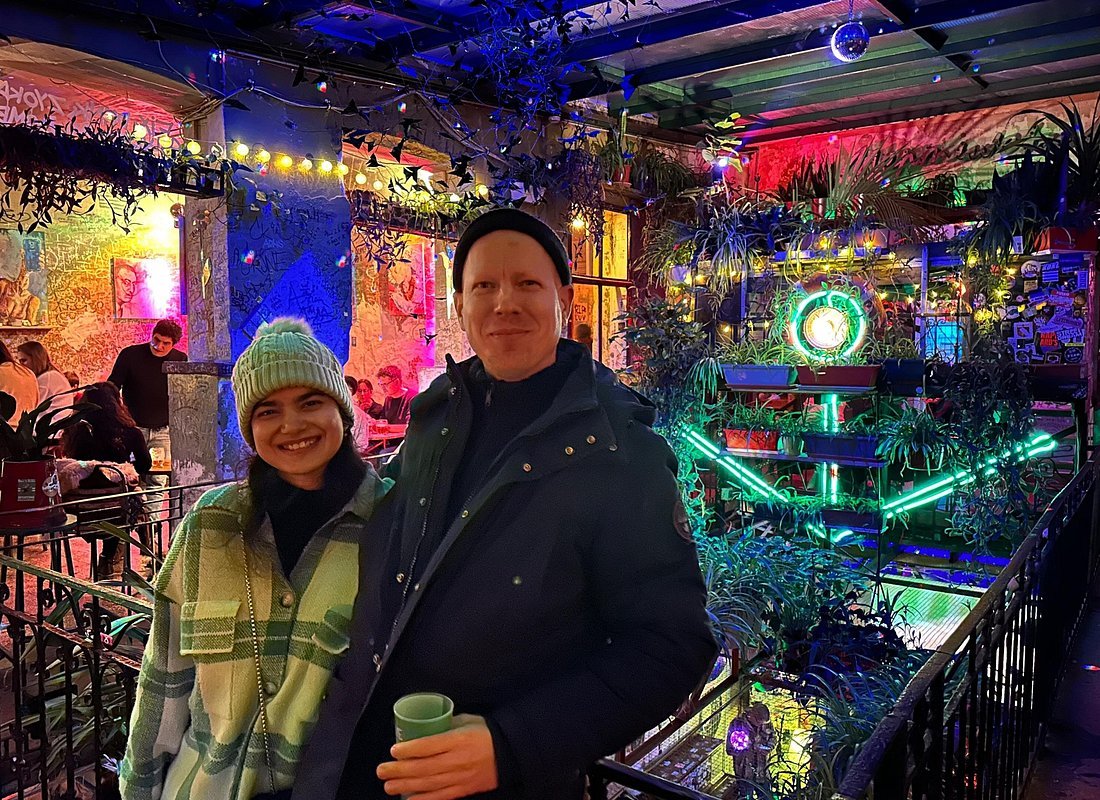
The Budapest ruin bar movement began in 2001 when a group of students opened Szimpla Kert in a derelict textile factory in the Jewish Quarter — filling it with salvaged furniture, street art, plants growing from bathtubs, and a sound system. The concept was both an aesthetic statement and an economic necessity: abandoned buildings in the post-communist urban landscape, reclaimed and filled with life. Twenty-five years later, the ruin bar district in the VII District is one of the great nightlife destinations in Europe.
Szimpla Kert remains the original and most famous — a multi-room maze of mismatched chairs, decorated with everything from bicycle wheels to vintage TVs, with different music in each space and an outdoor courtyard that fills with Budapest's creative scene every evening. Beyond Szimpla, the surrounding streets contain dozens of ruin bars, each with its own character: Fogas (a converted shoe factory), Instant (a multi-floor club), Élesztő (a craft beer specialist in a courtyard).
The ruin bar district centres on Kazinczy utca and Akácfa utca in the VII District — a 15-minute walk from the Danube or two stops on the M2 metro to Blaha Lujza tér. Szimpla opens at 9am (for Sunday farmers markets) but the evening starts from 9–10pm. The area is walkable — bar hop between venues on foot. Guided ruin bar pub crawls through Viator include multiple bars with drink inclusions.
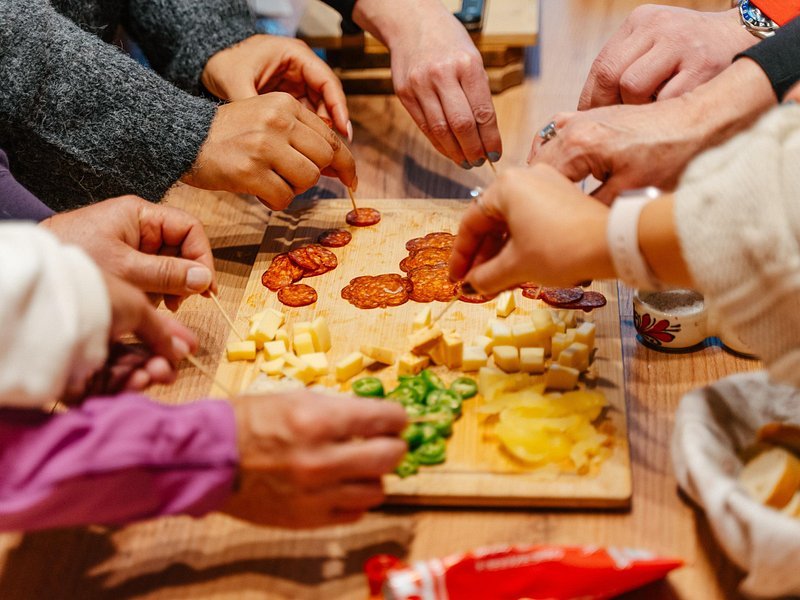
Budapest's Great Market Hall (Nagy Vásárcsarnok) on the Pest embankment is one of the great market buildings of Europe — a soaring iron-and-brick cathedral of food built in 1896, covering three floors with market stalls, restaurants, and food vendors. It is where Budapest shops for paprika, salami, goose liver, and produce, and where visitors discover the two greatest Hungarian street food experiences: lángos and kürtőskalács.
Lángos is deep-fried flatbread dough — pulled from the oil, spread with sour cream (tejföl), and topped with grated cheese. It is the greatest $2 snack in Central Europe, impossible to improve upon, and available from market stalls throughout Hungary. Kürtőskalács (chimney cake) is a spiral of sweet dough baked on a rotating spit, caramelised on the outside and hollow inside — eaten hot, with a coffee, as an act of pure pleasure. The Great Market Hall has both, plus everything else Hungarian food has to offer.
The Great Market Hall is on Fővám tér at the Pest end of Liberty Bridge — easily walkable from most Budapest hotels or one stop on the M4 metro. Open Monday–Saturday, 6am–6pm (shorter hours Saturday). The ground floor is the real market; the upper floors are more tourist-oriented. Go in the morning for the best atmosphere and freshest produce.
Budapest rewards visits in every season — different experiences are best at different times of year.