🇩🇰 Denmark · Complete Activity Guide
🇩🇰
Things to Do in Copenhagen & Denmark
Viking ships, hygge cafés, and experiences that are uniquely, unmistakably Danish
Viking ships, hygge cafés, and experiences that are uniquely, unmistakably Danish
Denmark is a country that does things its own way — and the things it does are unlike anywhere else. You can sail a reconstructed Viking longship on a fjord, paddle a sea kayak through the canals of one of Europe's most liveable cities, eat the world's most elaborate open-faced sandwich at a restaurant that has been doing it since 1877, and watch millions of starlings perform one of nature's most extraordinary spectacles over an autumn marsh. All of this is Denmark.
This guide covers the best things to do in Copenhagen and Denmark in 2026 — the experiences that make travellers say they'd come back just to do them again.
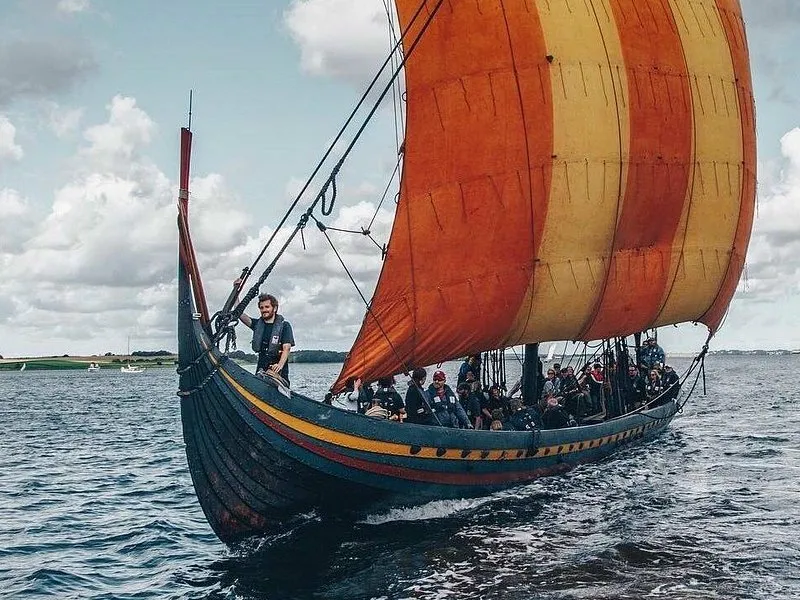
The Viking Ship Museum in Roskilde is one of the most extraordinary museums in Scandinavia — built around five original Viking ships raised from the Roskilde Fjord in 1962, where they had been deliberately sunk around 1070 AD to block the harbour channel. The museum also operates a working shipyard where reconstructions are built using traditional Viking-age techniques. And then it does something no other museum does: it lets you sail them.
The reconstructed longships — built from the same oak, pine, and willow as the originals, using the same clinker-built hull construction — sail on the Roskilde Fjord with paying crew. You row and sail a vessel designed the same way it was a thousand years ago, in the same water where the originals were built. The experience of feeling a longship accelerate under oars, then catch the wind in the woollen sail, is genuinely unlike anything else available in Scandinavia.
Roskilde is 37 minutes from Copenhagen Centralstation by regional train — one of the easiest day trips from the capital. The museum is a 15-minute walk from Roskilde station. Sailing experiences run May through October and typically last 1–2 hours. Book in advance through the museum website or Viator. Combine with a visit to Roskilde Cathedral — the burial place of Danish royalty since the 10th century, a UNESCO World Heritage Site.
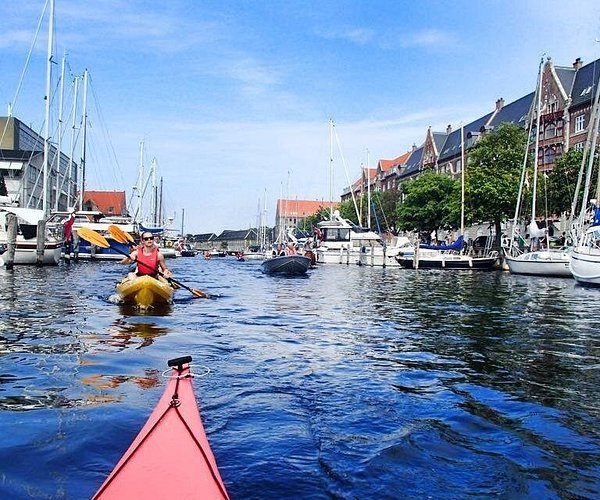
Copenhagen's harbour and canal system is one of the cleanest urban waterways in the world — the water is clean enough to swim in, and Copenhageners do exactly that at the city's famous harbour baths. Seeing the city from the water by kayak gives a completely different perspective: paddling under bridges, past the coloured facades of Nyhavn, through the canal system of Christianshavn, and out into the open Øresund strait with views back to the city skyline.
Guided kayak tours depart from central Copenhagen and typically cover 8–12km in 2–3 hours, taking in the Opera House, the Royal Library's Black Diamond building, the harbour baths, and the historic inner harbour. No prior kayak experience is required — sit-on-top kayaks are stable and easy to handle. The water is calm in the harbour and canals, making this suitable for complete beginners.
Tours depart from several central locations including Christianshavn and the inner harbour. May through September is the season — summer evenings offer the best light. Book through Viator for guided tours with all equipment included. Self-rental kayaks are also available from several operators if you prefer to explore independently.
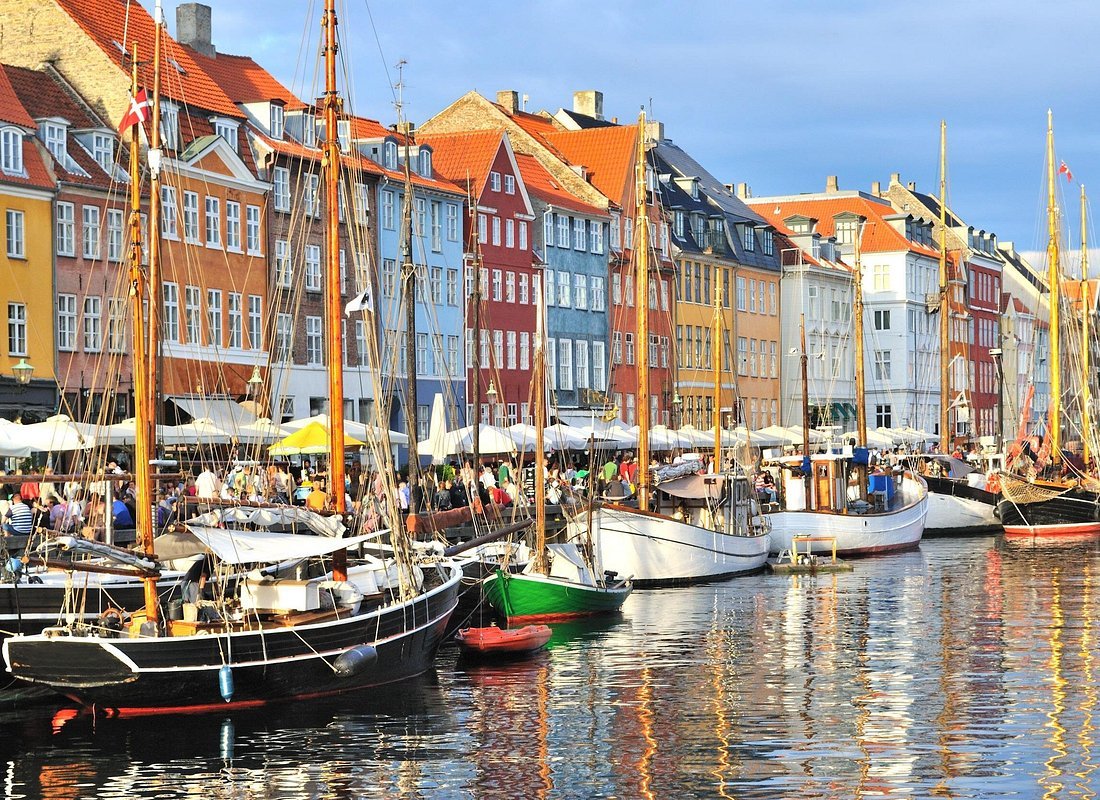
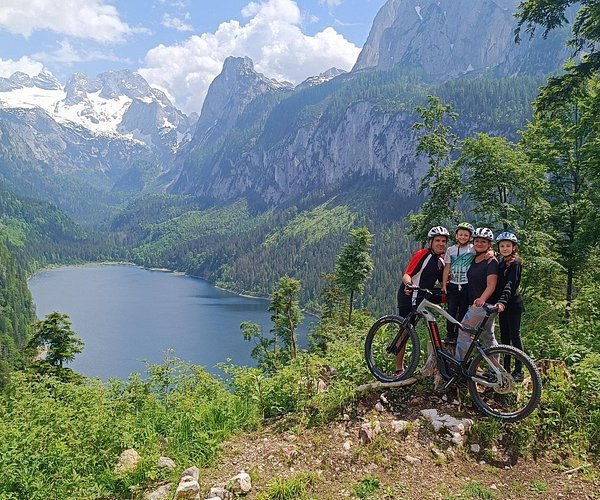
Copenhagen is the world's most bicycle-friendly city — not as a marketing claim but as a measurable fact. More than 62% of residents cycle to work or school every day. The city has over 390km of dedicated cycle lanes, traffic lights timed for cycling pace, and a culture in which the bicycle is simply the default mode of transport. Seeing Copenhagen by bike is not a tourist activity — it's how Copenhagen actually works, and joining it puts you immediately inside the city's rhythm rather than outside it.
A guided bike tour covers the highlights in 3 hours that would take a full day on foot: Nyhavn's coloured canal houses, the Little Mermaid, Amalienborg Palace, the Marble Church, Christiansborg Palace, the Latin Quarter, and the hip neighbourhoods of Nørrebro and Vesterbro. The guides are typically locals with genuine knowledge of the city beyond the tourist circuit.
Guided tours depart from several central locations — most include a quality bike and helmet. Tours run year-round, though summer (May–September) offers the best conditions. Copenhagen is remarkably flat, making cycling easy for all fitness levels. Electric bikes are available for those who want extra assistance. Book through Viator for the best availability and group size options.
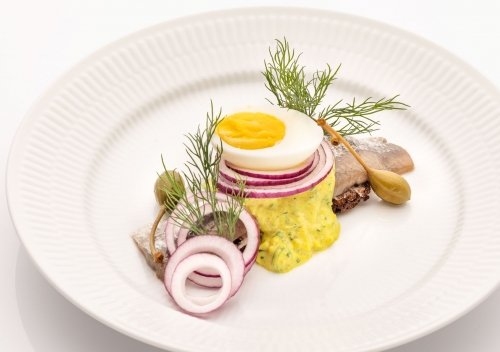
Smørrebrød — Denmark's traditional open-faced rye bread lunch — is one of the great culinary institutions of Northern Europe. Dense, dark sourdough rye bread (rugbrød) forms the base for elaborate toppings: pickled herring in multiple preparations, liver pâté with pickled beetroot, roast beef with remoulade and crispy onions, fresh shrimp with dill and lemon, and combinations of garnishes that turn what sounds like simple bread into something intricate and deeply satisfying.
A proper smørrebrød lunch involves ordering multiple rounds — typically three or four different toppings in sequence, each eaten as a separate open sandwich. It is a leisurely, civilised affair that takes at least 90 minutes to do properly. The accompaniment is cold Danish beer or snaps. The setting, traditionally, is a room full of Danes doing exactly the same thing.
Restaurant Schønnemann on Hauser Plads, open since 1877, is the definitive smørrebrød institution — the restaurant where Copenhagen's lawyers, academics, and civil servants have eaten lunch for over 145 years. The menu is extensive, the room is beautiful, and the knowledge of the staff is encyclopaedic. Book well in advance — it fills up completely at lunch. Open Monday–Saturday, lunch only.
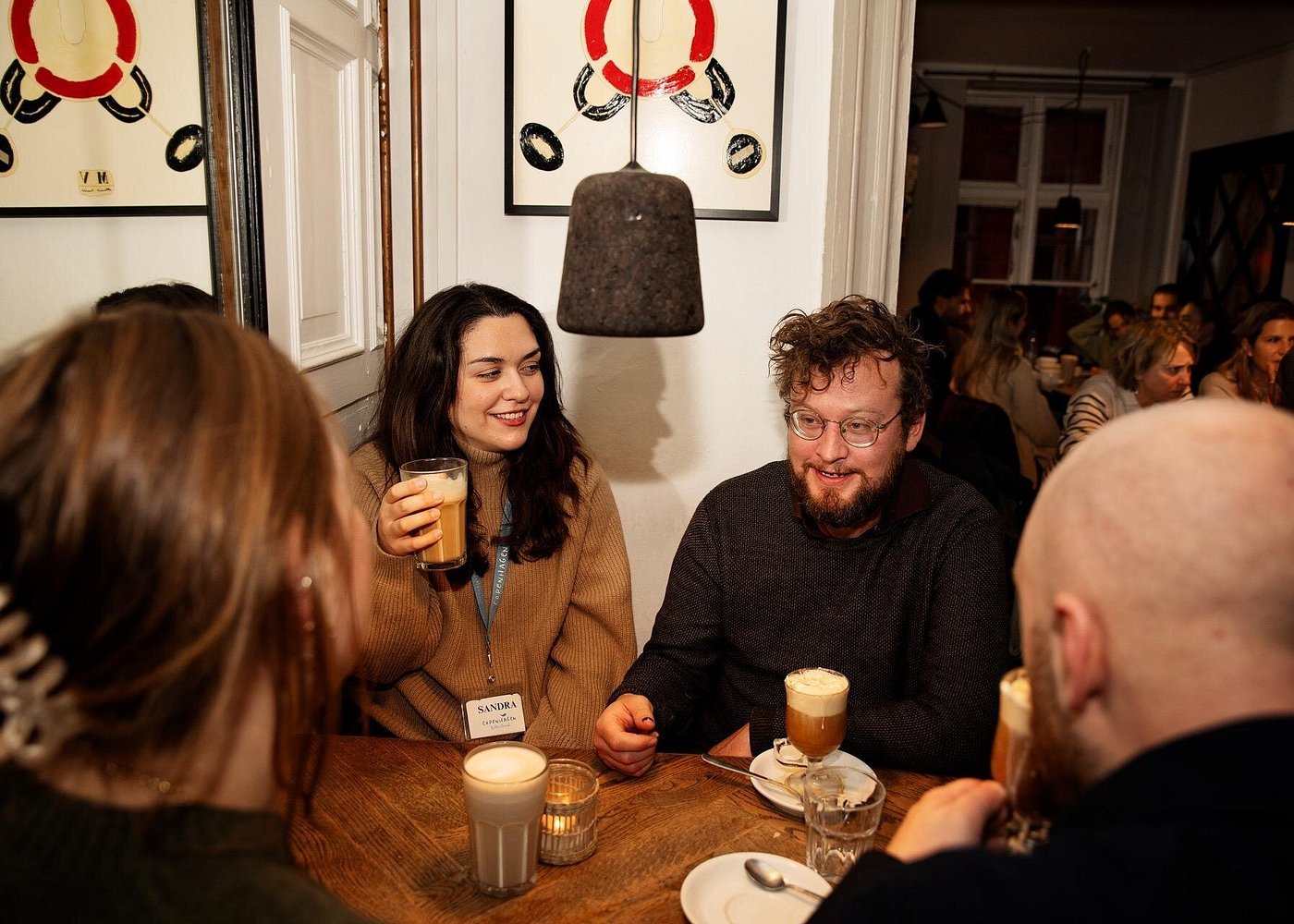
Hygge (pronounced HOO-gah) is Denmark's most famous cultural export — a concept describing a quality of cosiness, comfort, and convivial togetherness that Danes pursue with genuine intentionality, especially in the long, dark winter months. It is not a thing to do so much as a way of being: candlelit rooms, good food and drink, relaxed conversation, no rushing, no agenda. Finding it in Copenhagen is not difficult — the city is built for it.
The neighbourhood cafés of Nørrebro and Vesterbro are the best places to experience hygge as Copenhageners actually live it: small, warm, candlelit rooms, excellent coffee, cinnamon rolls or cardamom pastries, the hum of conversation, rain on the windows. The Danish approach to café culture is to stay for two hours without anyone hurrying you — this is not an accident but a deeply held value.
For a hosted introduction to hygge — including the history, philosophy, and practice, with coffee and Danish pastries included — the guided Hygge and Happiness experience in Copenhagen walks you through the concept with a local guide and ends in a genuine café setting. It's a good option if you want context and company rather than finding a café independently.
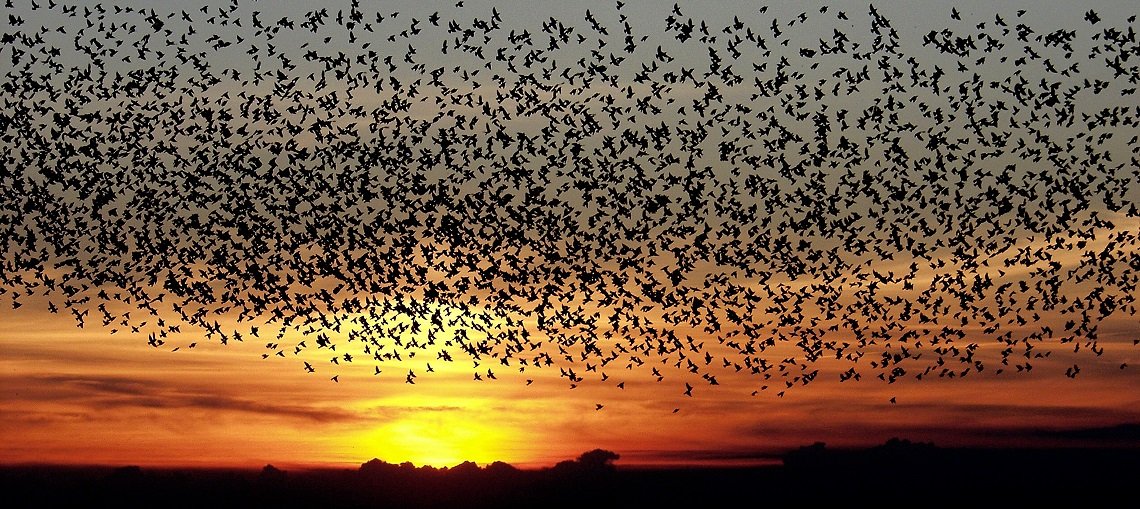
Sort Sol — the Black Sun — is one of the most spectacular natural events in Europe and one of the least known outside Denmark. Every autumn (and to a lesser extent spring), millions of European starlings gather in the reed beds and marshes of southwest Jutland at dusk, forming enormous shape-shifting murmurations that blot out the sky above the flat Danish landscape. The formations shift and pulse and collapse and reform — sometimes for 20 to 30 minutes — before the birds drop into the reeds to roost.
The scale is difficult to convey in photographs. The murmurations are literally millions of birds moving as a single organism, producing forms that look like smoke, like liquid, like a living black cloud that responds in real time to the movement of every individual within it. The science of how it works — each bird responding to its seven nearest neighbours — makes it no less astonishing to watch. The flat Jutland landscape, the low autumn light, and the silence that descends when the birds roost is one of the great sensory experiences in Northern Europe.
The main season is mid-March through April (spring migration) and late September through October (autumn). The best viewing areas are around the Wadden Sea National Park near Tønder and Ribe in southwest Jutland. Sort Safari runs guided experiences specifically focused on the Black Sun — they know exactly where and when to be. Book through sortsafari.dk.
Freetown Christiania has occupied 34 hectares of a former military base in Copenhagen's Christianshavn district since 1971, when a group of squatters moved in and declared it a self-governing free city outside standard Danish law. More than 50 years later — after multiple government attempts to normalise or close it — Christiania still exists under a unique arrangement with the Danish state, governed by its own collective rules, housing approximately 1,000 residents in handbuilt homes and communal spaces.
Christiania is not a museum or an attraction — it is a living community, and it operates as one. Walking through it you find: extraordinary street murals covering every surface, a thriving music venue (Loppen) with genuine local and international acts, a concert hall (Operaen), workshops, organic restaurants, a skating rink, and a community of people who have chosen to live differently and have been doing so for generations. It is one of the most fascinating and genuinely alternative communities in Europe.
Christiania is open to visitors and is a 10-minute walk from Copenhagen Centralstation through Christianshavn. Photography is prohibited on Pusher Street. Respect the community rules posted at the entrance — residents are welcoming to respectful visitors. Guided tours provide cultural context that significantly enriches the visit. The Morgenstedet vegetarian restaurant inside Christiania is excellent for lunch.
Denmark rewards visits in every season — but some experiences are strictly seasonal.