Transfagarasan Road Romania mountain cycling switchbacks Carpathians
🌍 Europe · Eastern Europe
🇷🇴

Best Things to Do in Romania

Transylvania's Gothic castles, wild bears in the Carpathians, haunted forests, underground amusement parks, and the world's most dramatic mountain road.

Romania is one of Europe's last genuinely wild destinations — a country of medieval fortresses on clifftops, ancient beech forests full of brown bears, mountain roads that wind to 2,000 metres above sea level, and villages where time has moved slowly since the Middle Ages. Transylvania is not just a Dracula myth: it is a landscape of real Gothic drama, and the Carpathians are an outdoor adventure playground that rivals the Alps at a fraction of the cost. These are the experiences that make Romania one of the most rewarding destinations on the continent.
1

Ride the Wild: E-Bike Carpathian Adventure

🚴 Cycling · Moderate · June–October
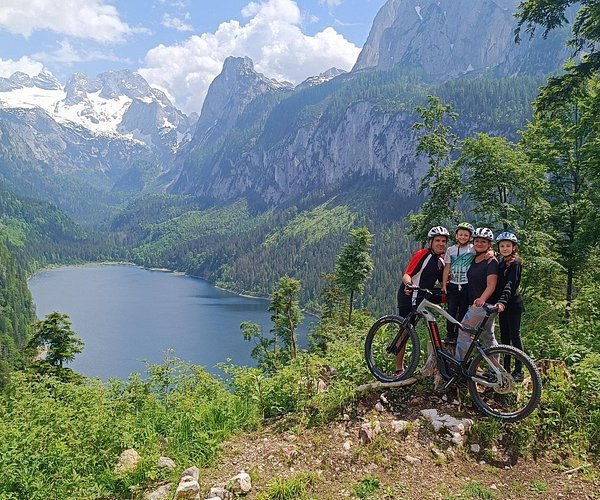
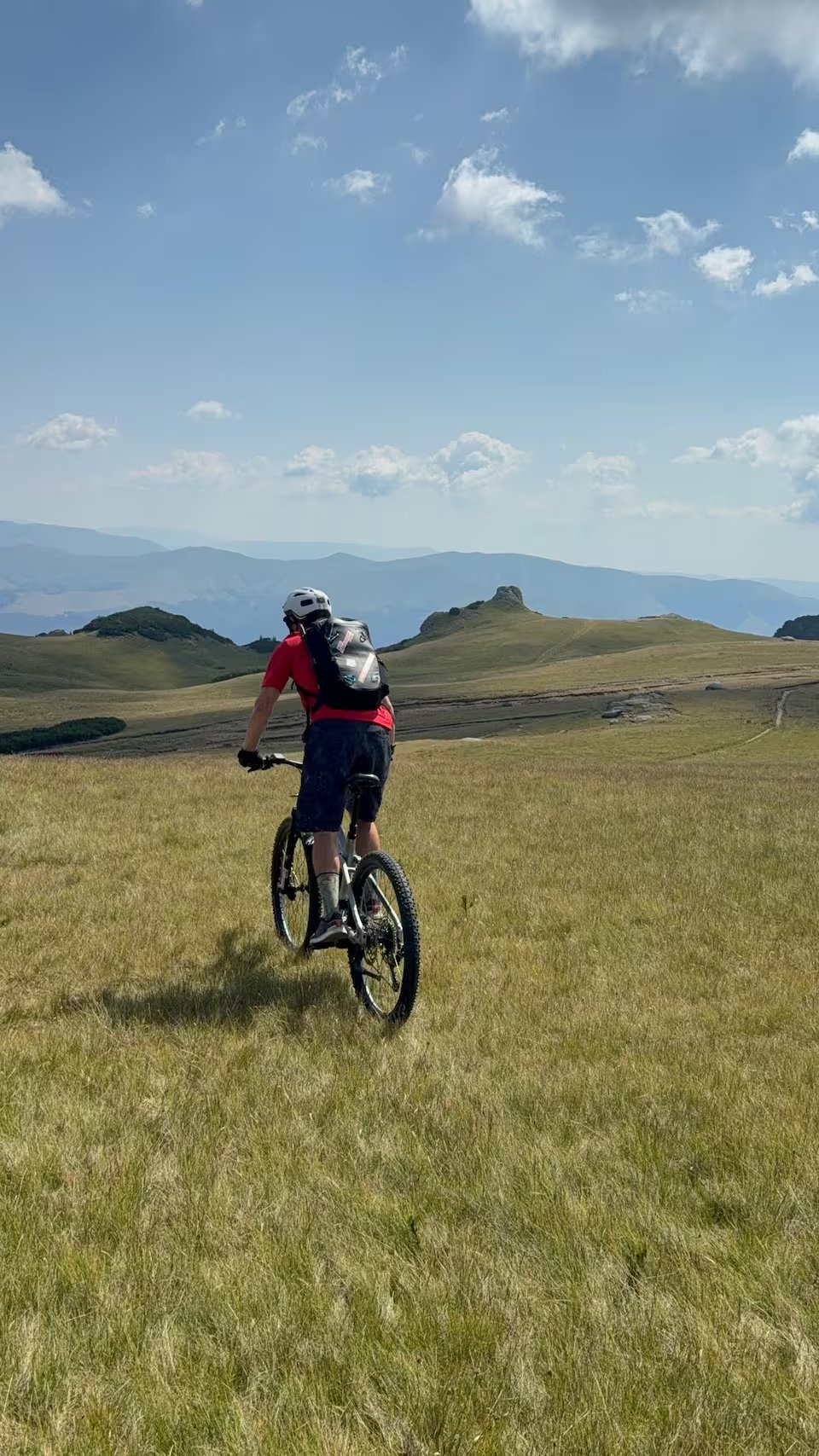
E-bike riding Carpathian high meadows Romania mountain panorama

The Carpathian Mountains cover roughly a third of Romania's land area, forming a vast arc of forested ridges, alpine meadows, and limestone massifs that roll on for hundreds of kilometres with barely a village in sight. On an e-bike, the high-altitude terrain becomes accessible to anyone — the electric assist handles the elevation gain while you focus entirely on the extraordinary landscape opening up around you.

The high Carpathian meadows above the treeline are some of the most beautiful open terrain in Europe. From these ridgelines you look out across layer after layer of forest-covered mountains fading into the distance, with limestone outcrops rising above the grassland and the only sounds being wind and birds. The scale is immense and the solitude is genuine — this is not managed countryside, it is actual wilderness.

What to Expect on the E-Bike Tour

The Airbnb Experience runs from local guides who know the hidden trails and high routes above the tourist circuit. Routes typically reach the high meadows above 1,600m where the views are most dramatic. No cycling experience is necessary — the e-assist makes the climbs achievable and the descents through forest tracks are exhilarating. Groups are small and the experience is genuine and personal.

Difficulty
Moderate (e-assist)
Season
June–October
Duration
Half day–Full day
Base
Transylvania region
Equipment
Provided
Group Size
Small group
📋 Planning Tips
Book through the Airbnb Experience in advance — slots fill quickly in summer. Wear layers as the high meadows are significantly cooler than the valleys. Bring waterproofs regardless of the forecast. The e-bikes handle most fitness levels but some off-road descending confidence is helpful. The best light for photography is in the early morning when the valleys are still in mist.
⭐ Why It's Worth It
The Carpathian high meadows are the kind of landscape that stops you mid-ride just to stare at it. There is nothing manicured or curated about it — it is just real mountain wilderness, and the e-bike format means you can reach the best of it without being destroyed by the elevation. One of the best half-days you can spend anywhere in Romania.
E-bike Carpathian adventure Romania Airbnb experience
Ride the Wild: E-Bike Carpathian Adventure
Explore the high meadows and ridgelines of the Carpathians by e-bike with a local guide — panoramic wilderness with no cycling experience required.
Book Experience →

2

Cycle the Transfăgărășan Road

🚴 Cycling · Extreme · July–October
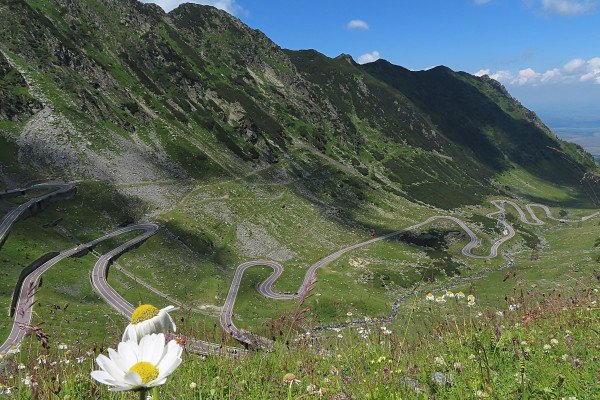
Transfagarasan road Romania switchbacks cycling mountain Carpathians wildflowers

The Transfăgărășan is Romania's most famous road — a 90km mountain highway built between 1970 and 1974 by Nicolae Ceaușescu across the highest section of the Southern Carpathians, reaching 2,042 metres above sea level at the Bâlea Lake tunnel. Top Gear called it the world's best driving road. For cyclists, it is something else entirely: one of the great European climbs, a continuous ascent through hairpin after hairpin above the treeline into an alpine wilderness of glacial lakes, rockfaces, and unobstructed sky.

The southern approach from Curtea de Argeș is the classic cycling route — 90km with approximately 1,500m of elevation gain, winding up through forest, past the Vidraru reservoir, and eventually above the treeline to the summit where the landscape becomes raw and Arctic in character even in summer. The descent on the northern side toward Sibiu is fast, switchbacked, and exhilarating. On a clear day, the views from the top extend across the Carpathian range in every direction.

When the Road Is Open

The highest section of the Transfăgărășan is closed by snow from approximately November to late June — the exact dates vary by year. The road is typically fully open from July to October. July and August bring the most reliable weather and the most cyclists; September offers fewer people and beautiful autumn light. Guided cycling tours operate from both Brașov (northern side) and from Curtea de Argeș (southern side).
Summit
2,042m (Bâlea Lake)
Distance
~90km full route
Elevation Gain
~1,500m
Road Open
July–October
Difficulty
Extreme
Gateway
Brașov or Sibiu
📋 Planning Tips
Start early — afternoon thunderstorms are common in the Carpathians in summer and you want to be descending, not climbing, when they arrive. Bring warm layers for the summit even in July. Car traffic is heavy on weekends; weekday cycling is far more pleasant. The road is narrow in places and drivers are not always patient with cyclists — a guided tour with a support vehicle makes the logistics much easier and safer.
⭐ Why It's Worth It
Seeing those switchbacks climb away above you into the mountain is one of those views that makes your stomach drop — and then you're riding it. The Transfăgărășan is everything a mountain road should be: dramatic, physically demanding, visually extraordinary, and completely unlike anywhere else in Europe. The wildflower meadows at the top in July are a genuine surprise. This is a bucket-list road in every sense.
Transfagarasan road cycling tour Romania guided
Transfăgărășan Road Cycling — Guided Tour
Guided cycling on Romania's most iconic mountain road — 2,042m summit, glacial lakes, and the most dramatic switchbacks in Europe.
Book Tour →

3

Bear Watching in the Wild, Brașov

🐻 Wildlife · Easy · April–October
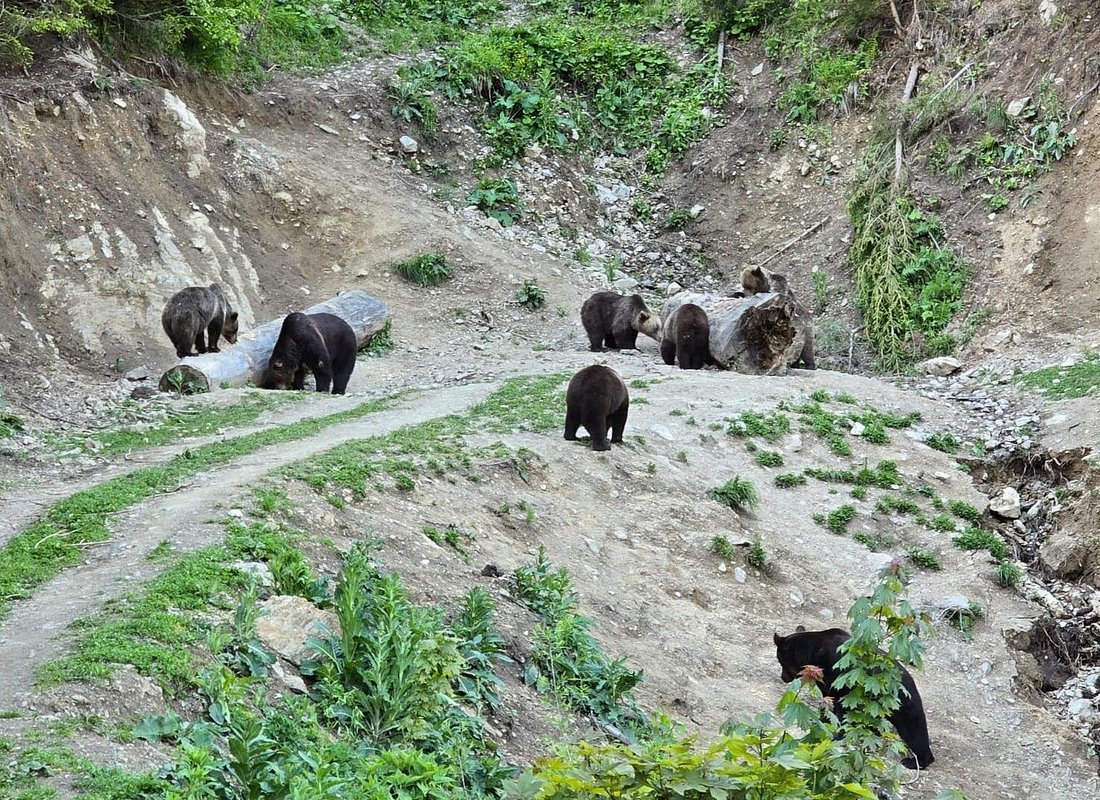
Wild brown bears Carpathian forest Romania bear watching Brasov

Romania is home to the highest density of wild brown bears in Europe — an estimated 6,000 to 8,000 animals, the majority concentrated in the Carpathian forests of Transylvania. This is not a wildlife park or a managed feeding station: these are genuinely wild apex predators in genuinely wild forest, and the guides who run bear-watching tours from Brașov have spent years learning where and when bears emerge from the treeline to feed.

Tours operate from purpose-built hides positioned in clearings where bears reliably come to feed at dusk. The hides are well-constructed and positioned for optimal viewing and photography. Sightings are not guaranteed but the success rate is very high — most tours see multiple bears, often including cubs with mothers, which represent one of the most powerful wildlife encounters available anywhere in Europe.

What Makes Romania's Bears Special

The sheer number of bears in the Carpathians means this experience is qualitatively different from bear watching in Scandinavia or other European countries. The bears here exist at genuinely natural population densities — you are not watching a carefully managed remnant population, you are watching bears in a landscape that has supported them continuously since the Pleistocene. The forest around Brașov is among the best preserved temperate forest in Europe.
Base
Brașov
Bear Population
6,000–8,000 in Romania
Tour Time
Dusk (best sightings)
Season
April–October
Difficulty
Easy
Duration
3–4 hours
📋 Planning Tips
Book in advance through Viator — this is one of the most popular experiences in Romania and tours fill quickly in summer. Wear dark, quiet clothing and avoid perfume or strong scents. Bring a camera with a telephoto lens or good low-light capability — the light at dusk is beautiful but dim. The hides are comfortable but bring an extra layer as evenings in the Carpathians are cool even in summer. The guide will brief you on bear behaviour — follow all instructions.
⭐ Why It's Worth It
Sitting in a forest hide as the light fades and then watching a wild brown bear emerge from the treeline twenty metres away is one of those wildlife moments that you don't forget. Romania's bears are genuinely wild — not habituated zoo animals — and the density of the population here means the experience is repeatable and reliable in a way that similar experiences in other European countries simply aren't. If you're going to Brașov, this is non-negotiable.
Bear watching tour Brasov Romania wild Carpathian brown bears
Bear Watching in The Wild — from Brașov
Watch wild Carpathian brown bears from a forest hide at dusk — Romania has the highest bear density in Europe and sighting rates are very high.
Book on Viator →

4

Amusement Park in a Salt Mine — Salina Turda

🧂 Cultural · Easy · Year-Round
Salina Turda salt mine underground Ferris wheel Romania amusement park

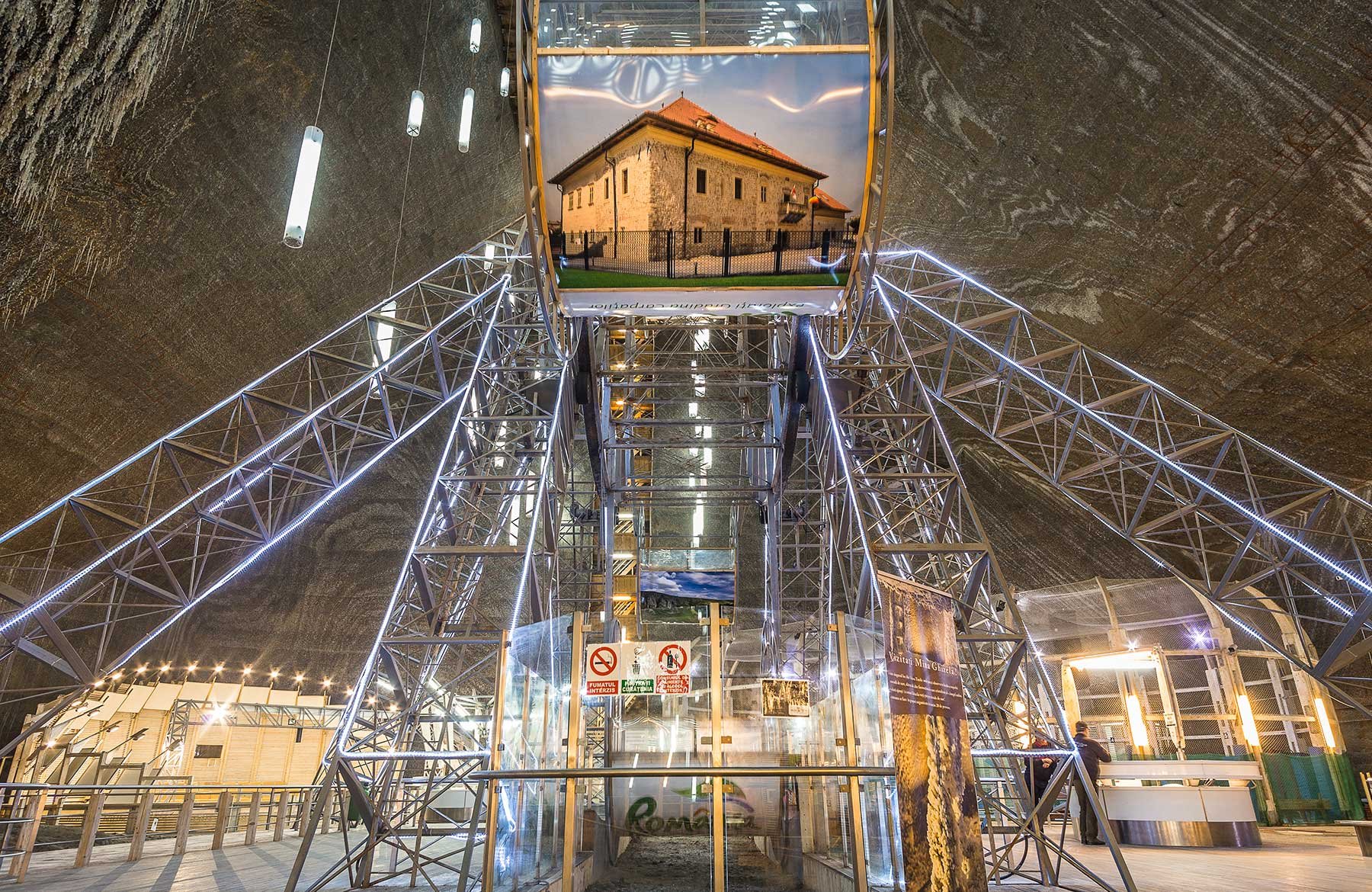
Salina Turda is one of the most surreal places in Europe. Descend 120 metres underground into a salt mine that has been continuously worked since Roman times and which now contains a Ferris wheel, mini golf, a bowling alley, an underground lake with rowing boats, and a sports hall — all inside a cathedral-like void carved from solid salt, with walls that glitter and crystalline formations that have been accumulating for millennia.

The mine itself dates back at least to the 13th century and was one of the most important salt production sites in the Austro-Hungarian Empire. The sheer scale of the excavated chambers is staggering — the main Rudolph Mine shaft descends through salt formations into a space large enough to contain a multi-storey building, with a panoramic lift and viewing platforms at various levels. The air inside is cool, clean, and reportedly therapeutic for respiratory conditions — it has been used as a halotherapy spa alongside the more improbable amusements.

Getting to Salina Turda

Salina Turda is located in the town of Turda, approximately 30km south of Cluj-Napoca. It is an easy day trip from Cluj — 35 minutes by car or reachable by public transport. It combines well with a visit to the Turda Gorge (Cheile Turzii), a spectacular limestone canyon a short drive away. Entry costs around €15 and tickets can be booked online at salinaturda.eu.
Depth
120m underground
From Cluj
30km / 35 min
Entry
~€15
Temperature
12°C year-round
Season
Year-round
History
Roman-era origins
📋 Planning Tips
Book tickets online in advance at salinaturda.eu — the mine gets very busy in summer and timed entry helps avoid long waits at the lift. Bring a jacket or warm layer — at 12°C year-round the mine is noticeably cold after an hour. Allow at least 2–3 hours to explore properly. Combine with the Turda Gorge (Cheile Turzii) for a full day — the gorge is spectacular and almost nobody in the mainstream travel circuit talks about it.
⭐ Why It's Worth It
There is no preparing yourself for what Salina Turda actually looks like. You descend in a lift through solid salt and emerge into a void so large it has its own microclimate — and then you notice the Ferris wheel. It is completely absurd and completely spectacular at the same time. The combination of geological wonder and Soviet-era pragmatism about entertainment makes it uniquely Romanian. One of the genuinely unmissable things in Eastern Europe.
Salina Turda underground amusement park salt mine Romania Cluj
Salina Turda — Underground Salt Mine & Amusement Park
A 2,000-year-old salt mine 120m underground, now containing a Ferris wheel, mini golf, and a rowing lake — one of Europe's most surreal attractions.
Book Tickets →

5

Night Tour in Hoia Baciu Forest

🌲 Cultural · Easy · Year-Round
Hoia Baciu haunted forest night tour Cluj-Napoca Romania

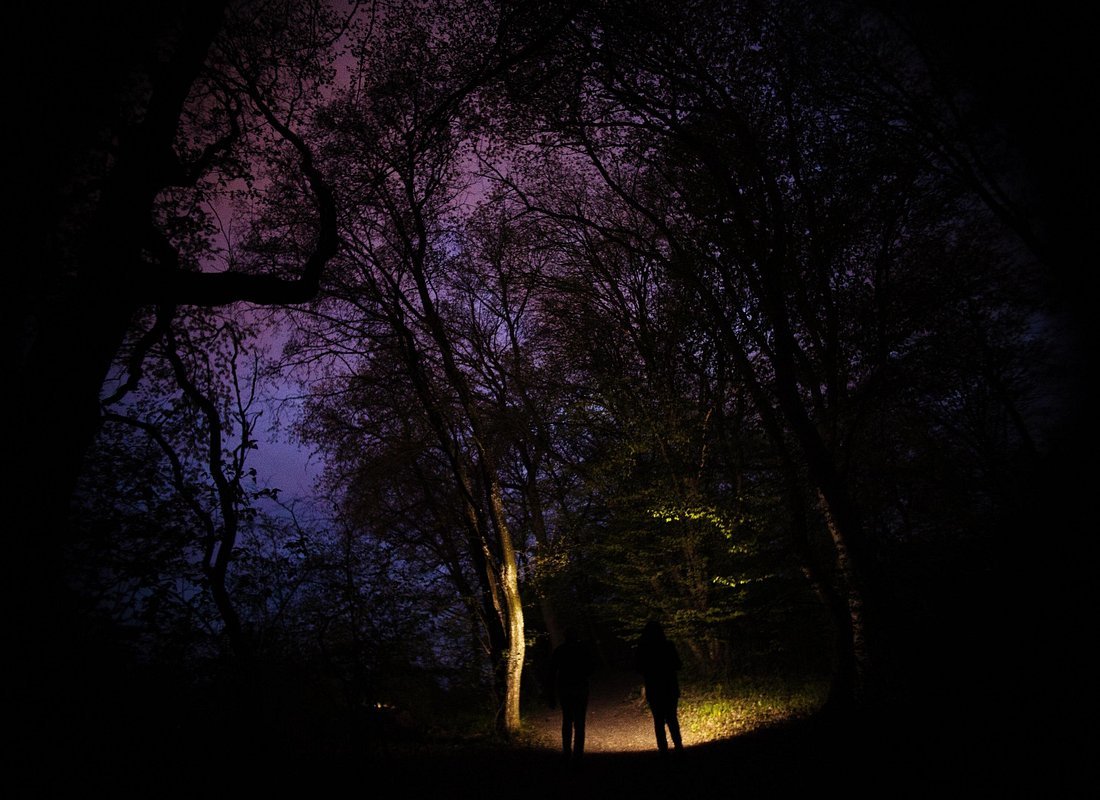
Hoia Baciu is widely considered the most haunted forest in the world — a 250-hectare beech woodland on the outskirts of Cluj-Napoca where the trees grow in twisted, impossible shapes, where electronic equipment has been known to malfunction without explanation, where visitors have reported unexplained rashes and nausea, and where alleged UFO sightings were recorded and photographed in the 1960s and 1970s. Romanian scientists have studied the forest for decades and the explanations remain contested.

Whether or not you believe in the paranormal, the forest is genuinely unsettling. The trees grow in bent, gnarled forms that defy the usual patterns of forest growth — some scientists attribute this to unusual electromagnetic readings in the soil, others to soil composition. The circular clearing in the centre of the forest, where nothing grows and where the most intense phenomena are reportedly concentrated, is one of the stranger natural spaces you can visit in Europe. At night, with a guide who knows the forest's history and its most atmospheric spots, it is extraordinarily atmospheric.

The Night Tour Experience

Guided night tours depart from Cluj-Napoca and run for approximately 3 hours. Small groups are essential for the atmosphere — larger tours lose the feeling. The best guides are storytellers as well as naturalists, weaving the documented history of the forest (including the Cold War-era paranormal investigations) with the direct experience of walking through it in the dark. Even confirmed sceptics find it an unusual and memorable experience.
Base
Cluj-Napoca
Area
250 hectares
Tour Time
After dark
Season
Year-round
Duration
~3 hours
Difficulty
Easy
📋 Planning Tips
Book a small-group tour in advance through Viator. Wear sturdy shoes and waterproofs — the forest floor is uneven and the weather in Cluj is changeable. Bring a torch but expect your guide to manage lighting — part of the experience is the darkness. The forest is visited year-round but autumn (October) and winter visits are particularly atmospheric. Leave your scepticism but bring your curiosity.
⭐ Why It's Worth It
I don't believe in haunted forests. And yet Hoia Baciu at night genuinely gets under your skin in a way I didn't expect — the twisted trees, the silence, the circular clearing where nothing grows, the stories the guide tells that are documented, not invented. It is one of those places that is more interesting and more strange than you expected going in, and it stays with you. Cluj is an underrated city and this is one of the best reasons to stop there.
Night tour Hoia Baciu haunted forest Cluj Romania Viator
Night Tour in Hoia Baciu Forest — Cluj-Napoca
Walk the world's most haunted forest after dark — twisted trees, unexplained phenomena, and centuries of legend on the edge of Cluj.
Book on Viator →

6

Bucegi Massif Ridge Trek

🥾 Hiking · Hard · June–October
Bucegi Massif ridge trek Romania Carpathians hikers rhododendrons cliffs

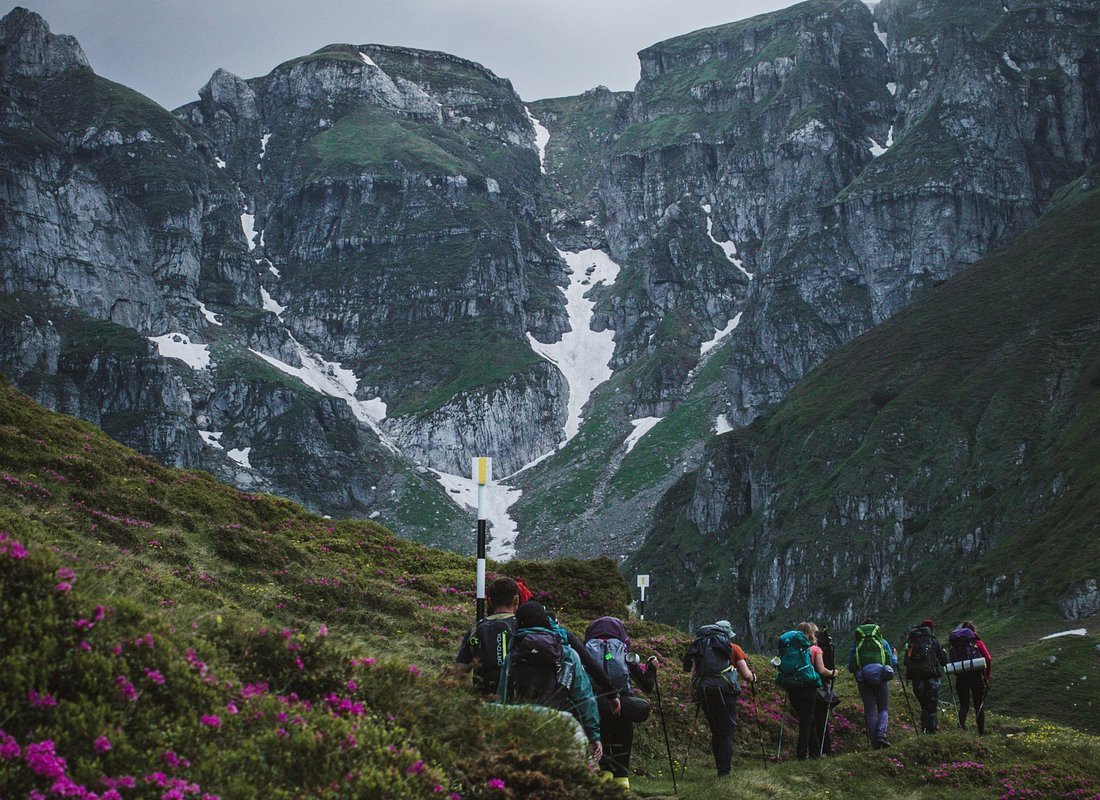
The Bucegi Massif is the dramatic limestone plateau that rises above Sinaia and Bușteni on the eastern wall of the Southern Carpathians — a 2,500-metre ridge topped by natural rock formations including the Sphinx (a wind-eroded outcrop that bears an uncanny resemblance to its Egyptian counterpart) and the Babele (clusters of mushroom-shaped limestone columns). The plateau is accessible by cable car from Bușteni, but walking it is a different experience entirely.

The ridge trek to Omu Peak at 2,505m is the classic Bucegi challenge — a multi-hour route across the high plateau in genuinely alpine conditions, with sheer cliff drops on the eastern face, open views south across the Wallachian plain, and a landscape of alpine flowers and hardy grasses punctuated by the strange rock formations that give the massif its character. In June, the rhododendron bushes on the approaches bloom pink against the grey limestone in one of the most striking botanical displays in the Carpathians.

Accessing the Bucegi Plateau

Bușteni and Sinaia are both easily reached from Bucharest by train — Sinaia in about 1.5 hours. The cable car from Bușteni reaches the plateau in minutes if you want a gentler introduction. The full ridge walk from Sinaia to Omu Peak and back is approximately 20km with 1,400m of elevation gain. The Babele and Sphinx are accessible on shorter routes suitable for casual hikers. The plateau is exposed — weather changes rapidly and wind chill is significant even in summer.
Summit
Omu Peak, 2,505m
From Bucharest
1.5 hrs by train
Full Trek
~20km / 1,400m gain
Best Season
June (rhododendrons)
Cable Car
Available from Bușteni
Difficulty
Hard
📋 Planning Tips
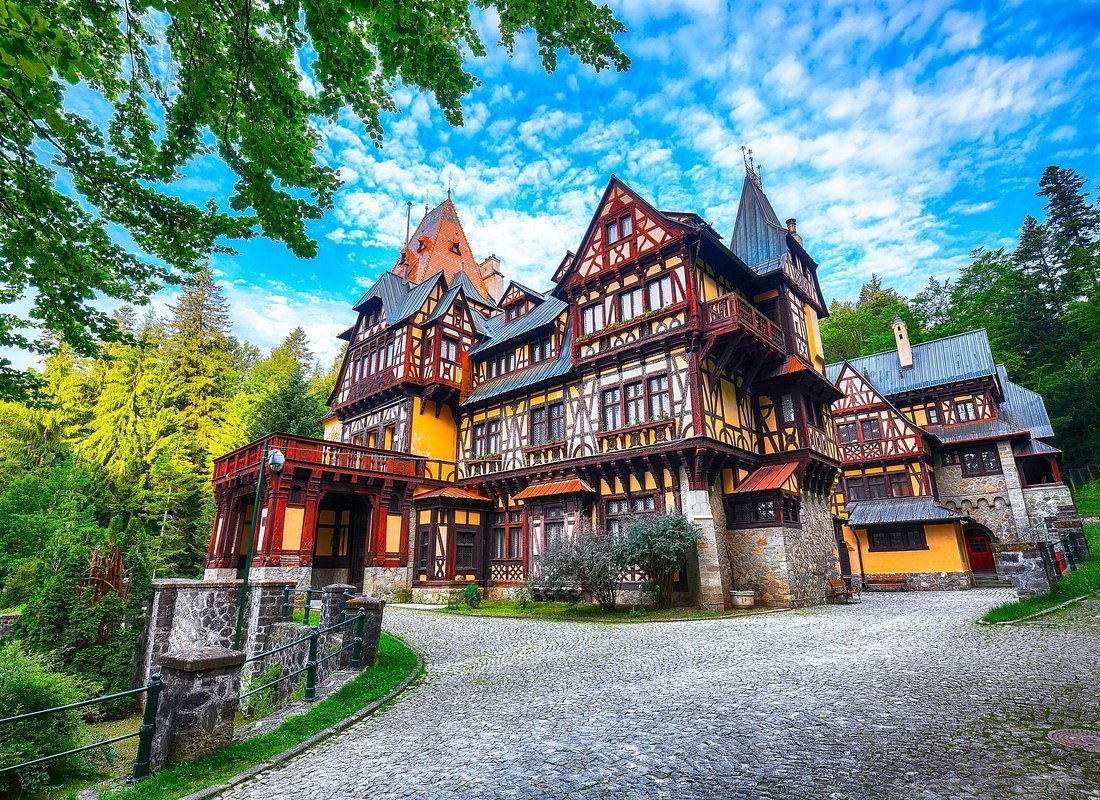
Start early to avoid afternoon thunderstorms — the plateau is fully exposed and lightning risk is real. Bring full waterproofs and extra layers even in summer. Download offline maps via AllTrails or Maps.me before you go. The cable car from Bușteni is a useful shortcut for the descent if your legs are done. Sinaia makes an excellent base — the Peles Castle in the valley is worth an hour of your time and is genuinely stunning.
⭐ Why It's Worth It
The Bucegi plateau has that quality of high mountain places where you feel genuinely on top of the world — the drop off the eastern face is precipitous, the views in every direction are enormous, and the rock formations up here are stranger and more impressive than you expect. The rhododendron approach in June is extraordinary. And unlike the Alps, you'll have most of it to yourself.
Bucegi ridge trek Viator guided hiking Romania Carpathians
Bucegi Massif Ridge Trek — Guided Hiking
Hike the 2,505m Omu Peak plateau — the Sphinx rock formation, rhododendron slopes, and sheer cliff views over Wallachia.
Book on Viator →

7

Visit Dracula's Castle — Bran Castle

🏰 Cultural · Easy · Year-Round
Bran Castle Dracula Transylvania Romania Gothic fortress half-timbered

Whether or not Bran Castle was Bram Stoker's direct inspiration for Castle Dracula (the historical connection is debated — Stoker may never have visited Romania), the castle itself is one of the most visually dramatic fortresses in Europe and one that earns its reputation entirely on its own merits. Built in 1388 on a clifftop above the Bran Pass at the border between Transylvania and Wallachia, it rises from a limestone outcrop in a series of towers, battlements, and half-timbered upper floors that look precisely as a Gothic castle should look.

The interior is a labyrinth of small rooms, steep staircases, and secret passageways connecting towers at different levels — the castle was extensively modified over the centuries and the result is a genuinely complex and interesting building to explore. The collection inside documents the castle's real history, including its role as a royal residence for Queen Marie of Romania in the early 20th century, who decorated it with extraordinary taste. The views from the towers across the surrounding Carpathian foothills are exceptional.

Combining Bran with Brașov

Bran Castle is 30km from Brașov — easily reached by car or by the regular buses that run from Brașov's bus station. Most visitors combine a Bran Castle visit with the old walled city of Brașov itself, which is one of the best-preserved medieval city centres in Eastern Europe. The Black Church, the old city walls, and the Council Square are all worth time. Combine with the bear-watching tour (which also operates from Brașov) for a full Transylvania day.
Built
1388
Altitude
Clifftop, Bran Pass
From Brașov
30km / 40 min
Entry
~€12–16
Season
Year-round
Difficulty
Easy
📋 Planning Tips
Book a guided tour from Brașov to Bran Castle through Viator — a good guide makes an enormous difference to understanding the castle's layers of real history beneath the Dracula mythology. The castle is very busy in summer — arrive early or opt for a late afternoon visit when day-trippers have left. The grounds around the castle include a good open-air museum of traditional Transylvanian architecture. October and November visits have an undeniably gothic atmosphere.
⭐ Why It's Worth It
The Dracula commercialism around the castle is real, but the castle itself transcends it. The moment you see it rising from that limestone rock above the pine forest you understand why someone chose it for a vampire story — it looks exactly right. And inside, Queen Marie's decorating choices and the secret staircase between towers are genuinely interesting quite apart from the mythology. Go late afternoon when the tour buses are leaving and you'll have a completely different experience.
Bran Castle Dracula tour Viator Transylvania Romania
Bran Castle — Guided Tour from Brașov
Tour the clifftop medieval fortress that inspired Dracula — Gothic towers, secret passages, and sweeping Carpathian views above Transylvania.
Book on Viator →

8

Homestay in a Saxon Village, Transylvania

🏡 Cultural · Easy · Year-Round
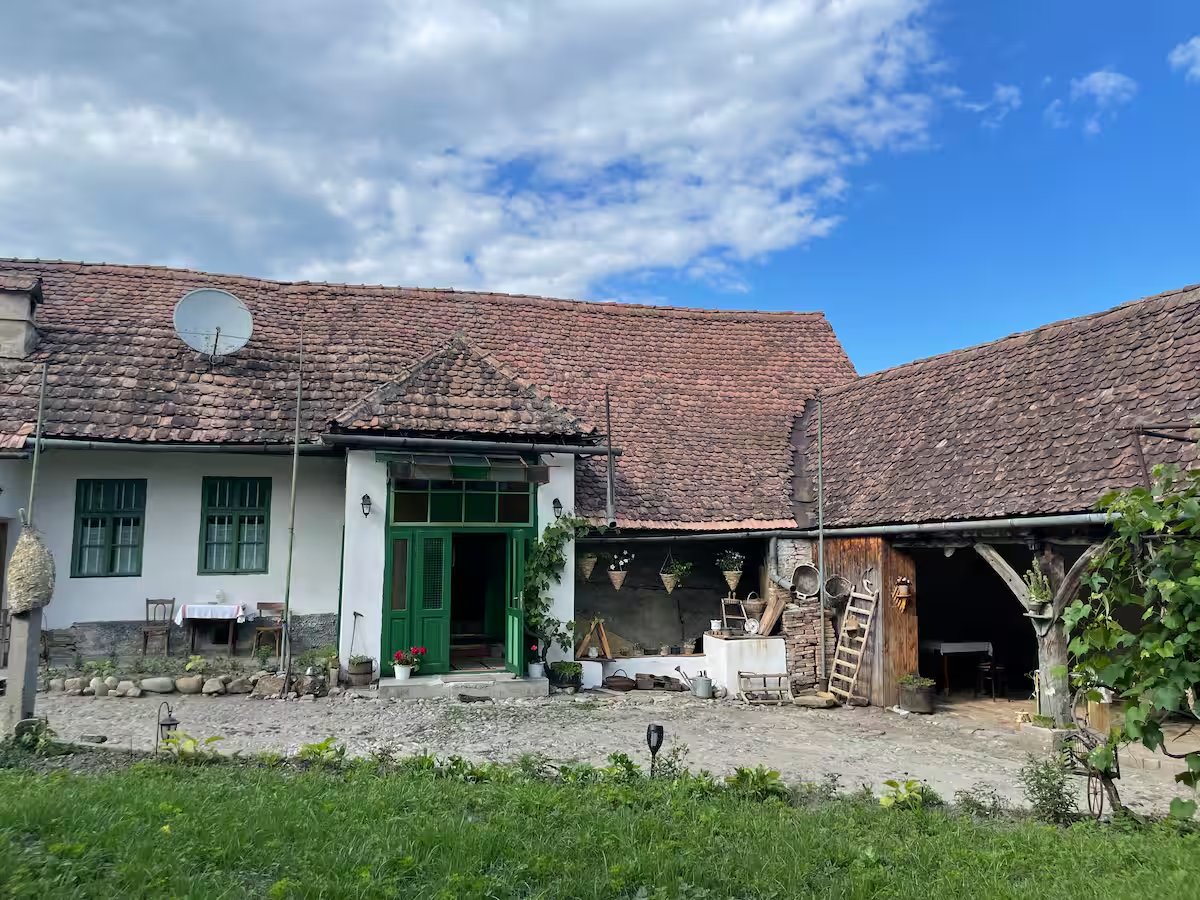
Saxon village homestay Transylvania Romania traditional farmhouse courtyard

The Saxon villages of southern Transylvania are among the most extraordinarily preserved medieval landscapes in Europe — communities founded by German colonists in the 12th and 13th centuries, each built around a fortified church, with characteristic long, narrow plots running back from the main street, farmhouses arranged around internal courtyards, and a way of life that has changed less than almost anywhere else on the continent. Staying with a local family in one of these villages is an experience that has no equivalent in Western Europe.

A traditional Saxon farmhouse stay means sleeping in a centuries-old building, eating food produced within walking distance — cured meats, homemade cheese, garden vegetables, and țuică, the Romanian plum brandy that accompanies everything — and experiencing the rhythms of agricultural life that still shape these communities. Geese and chickens wander the cobbled courtyards. The fortified churches, some of which date to the 13th century, stand at the centre of villages where a few hundred people still live as they always have.

The Best Saxon Villages to Visit

Viscri — where Charles III (when he was Prince of Wales) owns a restored farmhouse and has been an active advocate for conservation — is the most famous but the most visited. Biertan (a UNESCO World Heritage site) has one of the most impressive fortified churches in Transylvania. Saschiz, Câlnic, and Richis are beautiful and far less visited. Each village has its own character and its own fortified church, and the landscape between them — rolling hills, orchards, flower meadows — is as beautiful as the architecture.
Founded
12th–13th century
Best Base
Sighișoara or Sibiu
UNESCO Site
Biertan fortified church
Season
Year-round
Experience
1–3 night stay
Difficulty
Easy
📋 Planning Tips
Book through the Airbnb listing in advance — authentic Saxon farmhouse stays fill quickly, especially in summer. A car is essential for exploring multiple villages. The Fortified Churches of Transylvania are a UNESCO World Heritage cluster — Biertan, Viscri, and Câlnic are all within a day's driving of each other. May and June bring flower meadows at their best; September brings harvest season and the social life of the village at its fullest. Dress respectfully when entering fortified churches.
⭐ Why It's Worth It
There is nowhere in Western Europe where you can still experience genuinely medieval village life in a living, functioning community — the Saxon villages of Transylvania are a window into a world that has been disappearing everywhere else for centuries. Staying in a farmhouse, eating food grown in the courtyard garden, and sitting in a church founded in the 1200s is something that will recalibrate your sense of what Europe actually is. This is the real Transylvania, and it is extraordinary.
Saxon village farmhouse homestay Transylvania Romania Airbnb
Homestay in a Saxon Village — Transylvania
Stay with a local family in a medieval Saxon farmhouse — homemade țuică, geese in the courtyard, and fortified churches founded in the 1200s.
Book on Airbnb →

9

Wine Tasting in the Carpathian Vineyards

🍷 Food & Drink · Easy · Year-Round
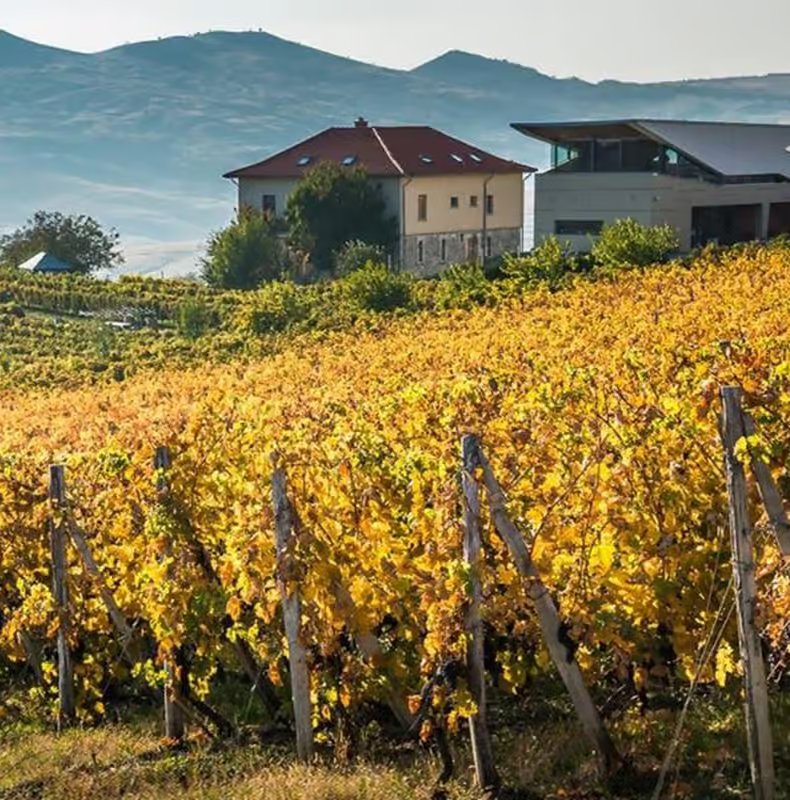
Wine tasting Carpathian vineyards Romania autumn golden vines hills

Romania is one of Europe's oldest and most underrated wine regions — a country that has been producing wine since at least 3000 BC, with indigenous grape varieties found nowhere else in the world and wine regions that stretch from the Carpathian foothills to the Black Sea coast. The tragedy of Romanian wine is that most of it never leaves the country, which means that visitors are essentially discovering a wine culture that the rest of the world doesn't yet know about.

The key varieties to seek out are Fetească Neagră (a rich, dark red with notes of plum and spice, often compared to Pinot Noir but with its own distinct character), Fetească Albă (a crisp, aromatic white), and Tămâioasă Românească (an intensely perfumed semi-sweet white sometimes called Romanian Muscat). The Dealu Mare region north of Bucharest is the most prestigious appellation for reds; Cotnari in Moldova is famous for sweet whites; and the Transylvanian hills around Blaj and Alba Iulia produce elegant, cool-climate whites from hillside vineyards that look out across the Carpathians.

Where to Taste Romanian Wine

The most atmospheric wine tastings happen in the actual cellars of estate wineries in the Dealu Mare and Transylvania regions — stone-vaulted spaces where barrels age in near-silence and the winemaker pours directly from the cask. Guided wine tours from Bucharest visit multiple estates in a single day. In Transylvania, the area around Blaj is particularly accessible from Sibiu or Sighișoara. September and October bring harvest season when the vineyard landscape is at its most beautiful — golden vines against the Carpathian backdrop.

Key Red
Fetească Neagră
Key White
Tămâioasă Românească
Top Region
Dealu Mare / Transylvania
Best Season
Sept–Oct (harvest)
Season
Year-round
Difficulty
Easy
📋 Planning Tips
Book a guided wine tour through Viator for the easiest introduction — a good guide will navigate the estates and translate the local wine culture. If self-driving, the Dealu Mare region is about 90 minutes from Bucharest; Transylvania wine country is easily combined with Sighișoara and the Saxon villages. Look for Cramele Halewood, Serve, and Budureasca as benchmarks for quality. September harvest tastings at the estates are outstanding value and often bookable directly.
⭐ Why It's Worth It
Romanian wine is one of Europe's best-kept secrets — genuinely ancient varieties, estate wines that would command serious prices in France or Italy, sold at Romanian prices, in cellars that have been producing the same wine for centuries. The Carpathian vineyard landscape in autumn, with golden leaves against the hills, is as beautiful as anything in Burgundy or Tuscany and almost completely undiscovered by international visitors. Drink Fetească Neagră. You'll wish you'd found it sooner.
Wine tasting tour Romania Carpathian vineyards Viator
Carpathian Wine Tasting Tour — Romania
Taste indigenous Romanian varieties like Fetească Neagră in cellars tucked into the Carpathian hills — one of Europe's most undiscovered wine regions.
Book on Viator →

🗓 Best Time to Visit Romania

Romania is a year-round destination but the experience varies dramatically by season. The Transfăgărășan road is only fully open July–October; the Saxon villages are beautiful in every season; bear watching runs April–October. Here's how the seasons break down:
🌸 Spring (April–June) Rhododendrons bloom on the Bucegi slopes in June. Bears emerge from winter dens. The Saxon village landscapes are flower-meadow beautiful. The Transfăgărășan begins opening from late June. Fewer crowds than summer.
☀️ Summer (July–August) Peak season. The Transfăgărășan is fully open. Bear watching is at its best with longest daylight. Warm weather for cycling and hiking. Busiest at Bran Castle and Salina Turda — book ahead.
🍂 Autumn (Sept–October) The best overall time. Carpathian forests turn gold and copper. Wine harvest in the vineyards. The Transfăgărășan still open. Hoia Baciu forest is most atmospheric. Crowds thin significantly after mid-September.
❄️ Winter (Nov–March) Transylvania in snow is extraordinary. Bran Castle looks its most gothic. Salina Turda is year-round and uncrowded. Ski resorts in Poiana Brașov. The Transfăgărășan is closed. Fewer tourists everywhere.

Frequently Asked Questions — Romania Travel

When is the best time to visit Romania?
Late spring (May–June) and early autumn (September–October) are the best times overall. May and June bring wildflowers to the Carpathian meadows and the roads are opening. September and October offer dramatic autumn colour in the forests, cooler hiking conditions, and the harvest season in the wine regions. Summer (July–August) is peak season for the Transfăgărășan road, which is only fully open July to October. Winter is beautiful for snow-covered castles and far fewer crowds.
Is the Transfăgărășan Road actually open to cyclists?
Yes — the Transfăgărășan is open to cyclists and is one of the most famous cycling challenges in Europe. The road is typically open from late June to October (the highest section is closed by snow in winter). The full climb from the southern side gains approximately 1,500m elevation over 90km to the Bâlea Lake tunnel at 2,042m. Guided cycling tours operate from Brașov and Sibiu. The descent from the summit is one of the great descents in European cycling.
Is Bran Castle actually Dracula's Castle?
The association between Bran Castle and Bram Stoker's Dracula is primarily a marketing construction — Stoker almost certainly never visited Romania. However, what matters is that Bran Castle is genuinely spectacular — a Gothic fortress on a clifftop above a medieval village, with towers, secret passages, and stunning Carpathian views. It is absolutely worth visiting on its own merits regardless of the mythology.
Are there really wild bears near Brașov?
Yes — Romania has the highest concentration of wild brown bears in Europe, estimated at 6,000–8,000 animals, the majority in the Carpathians around Brașov. Guided bear-watching tours operate from Brașov using purpose-built hides in the forests, with very high success rates at dusk. This is a genuine wildlife experience in genuinely wild forest.
How do you get around Romania?
Renting a car is by far the best way to experience Romania's highlights. The Transfăgărășan, Transylvania's Saxon villages, and the Carpathian forests are all best reached by car. Brașov and Cluj-Napoca are the main gateways for Transylvania with good flight connections. Trains connect major cities but are slow. International budget carriers including Wizz Air and Ryanair serve Bucharest, Cluj, and Timișoara from across Europe.
Is Romania expensive to visit?
Romania is one of the best-value destinations in Europe. Meals typically cost €5–12, a good hotel in Brașov or Cluj runs €50–90 per night, and experiences are significantly cheaper than Western European equivalents. Beer costs €1–2, coffee €1.50. Even guided tours and adventure activities are priced well below what comparable experiences would cost in the Alps or Scandinavia.

🇷🇴 Practical Tips for Romania

Romania uses the Romanian Leu (RON) — not the euro. Exchange rates make Romania excellent value for visitors from Western Europe, the UK, and North America. Bucharest's Henri Coandă airport is the main international hub; Cluj-Napoca and Timișoara also have good connections. Car rental is straightforward and recommended for exploring beyond the cities. Romanian is the main language but English is widely spoken in tourist areas, hotels, and among younger Romanians. Brașov is the best base for Transylvania — well-located for Bran Castle, bear watching, the Bucegi mountains, and day trips to the Saxon villages. Tipping of 10% is customary in restaurants. Tap water is safe to drink in cities. The emergency number is 112. A single SIM card from Digi or Orange covers the entire country well.
More Destinations to Explore
Hungary travel guide TheCantMiss
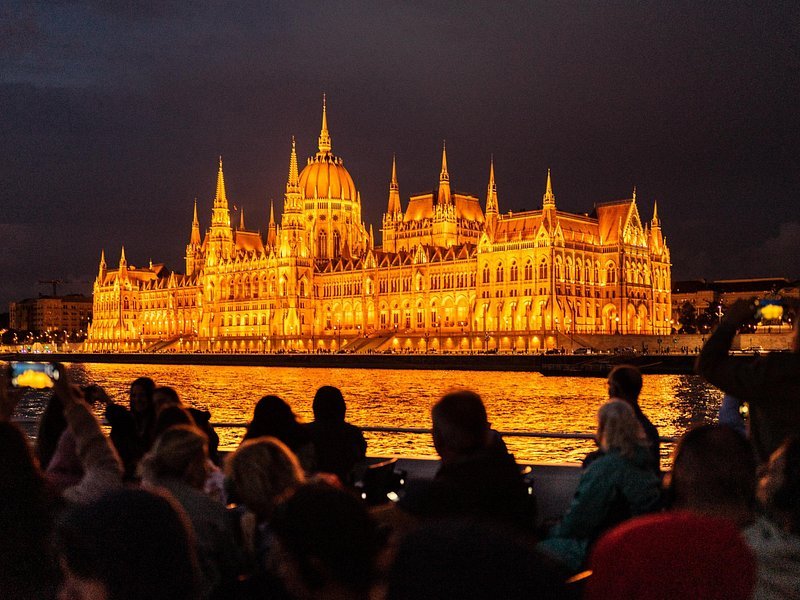
🇭🇺 Things to Do in Hungary
View Guide →
Czech Republic travel guide
🇨🇿 Czech Republic
Poland travel guide
🇵🇱 Poland
Austria travel guide
🇦🇹 Austria
Sweden travel guide
🇸🇪 Sweden
Denmark travel guide
🇩🇰 Denmark
Netherlands travel guide
🇳🇱 Netherlands
Switzerland travel guide
🇨🇭 Switzerland