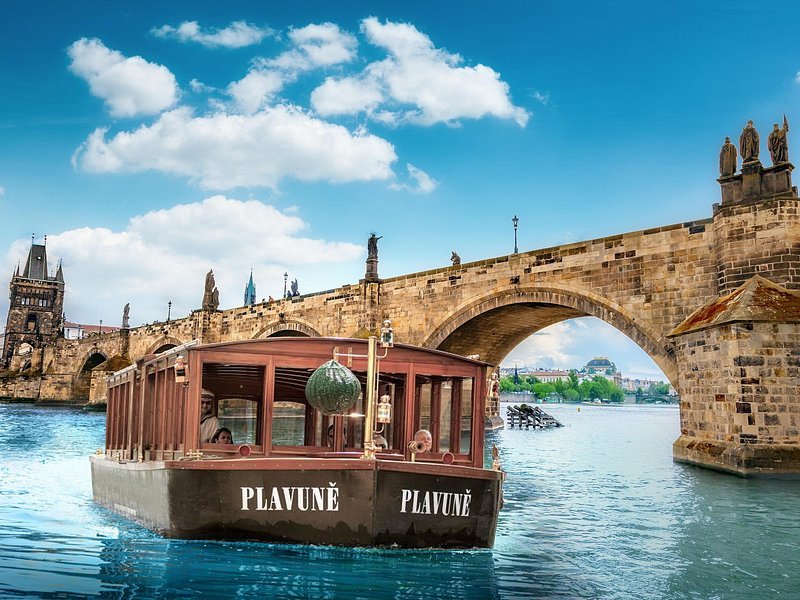
🇨🇿 Czech Republic · Complete Activity Guide
🇨🇿
Things to Do in Czech Republic
Europe's finest beer, sandstone canyons, Gothic Prague, and a nightclub inside a 15th-century bathhouse
Europe's finest beer, sandstone canyons, Gothic Prague, and a nightclub inside a 15th-century bathhouse
The Czech Republic is one of Europe's most rewarding travel destinations — a country that combines a thousand years of architecture, the world's finest beer culture, dramatic natural landscapes, and a Prague that is genuinely one of the most beautiful cities on Earth. The Gothic spires, the baroque bridges, the medieval caves, the sandstone canyons, and the beer: it all works together in a way that makes this small country punch far above its weight for visitors.
This guide covers the eight best things to do in Czech Republic in 2026 — from central Prague to the landscapes of Bohemia and Moravia.
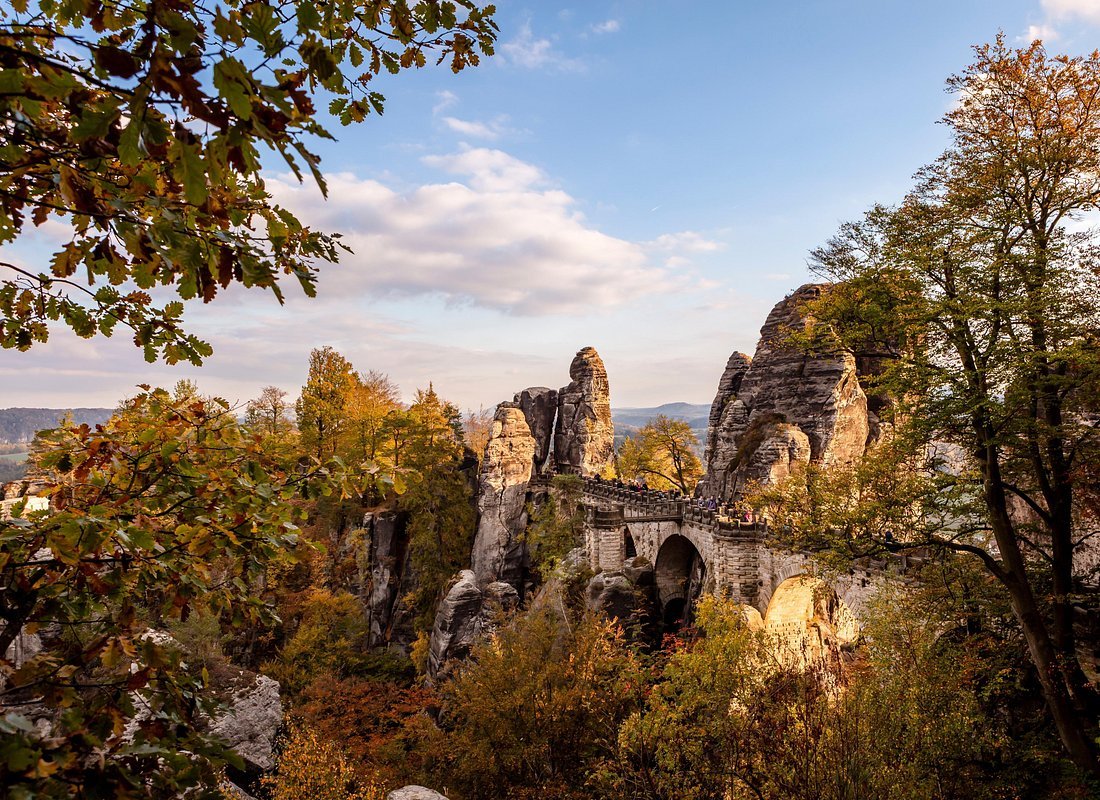
Bohemian Switzerland National Park in northwest Bohemia is one of the most dramatic landscapes in Central Europe — a plateau of ancient sandstone eroded over millions of years into 1,200 separate rock towers, deep gorges, and natural arches. The Pravčická Brána, the largest natural sandstone arch in Europe, anchors the park's visual identity. The sandstone cliffs and towers offer some of the finest sport climbing in Europe, with routes ranging from beginner slabs to serious multi-pitch crack climbing.
The Elbe Sandstone landscape extends across the border into Germany's Saxon Switzerland National Park, where the famous Bastei Bridge connects sandstone pinnacles 194m above the Elbe River. Combining both national parks — Bohemian Switzerland on the Czech side, Saxon Switzerland in Germany — in a 2-day trip gives you one of the great landscape experiences in Central Europe. The gorge boat rides through Edmundova Gorge and Kamenice Gorge are accessible to all visitors regardless of climbing experience.
Trains from Prague to Děčín take approximately 1.5 hours; the park is a short bus or taxi from there. Guided climbing tours depart from Prague with transport included — book through Viator. The park is most beautiful in October (autumn colour) and May (spring green against the red sandstone).
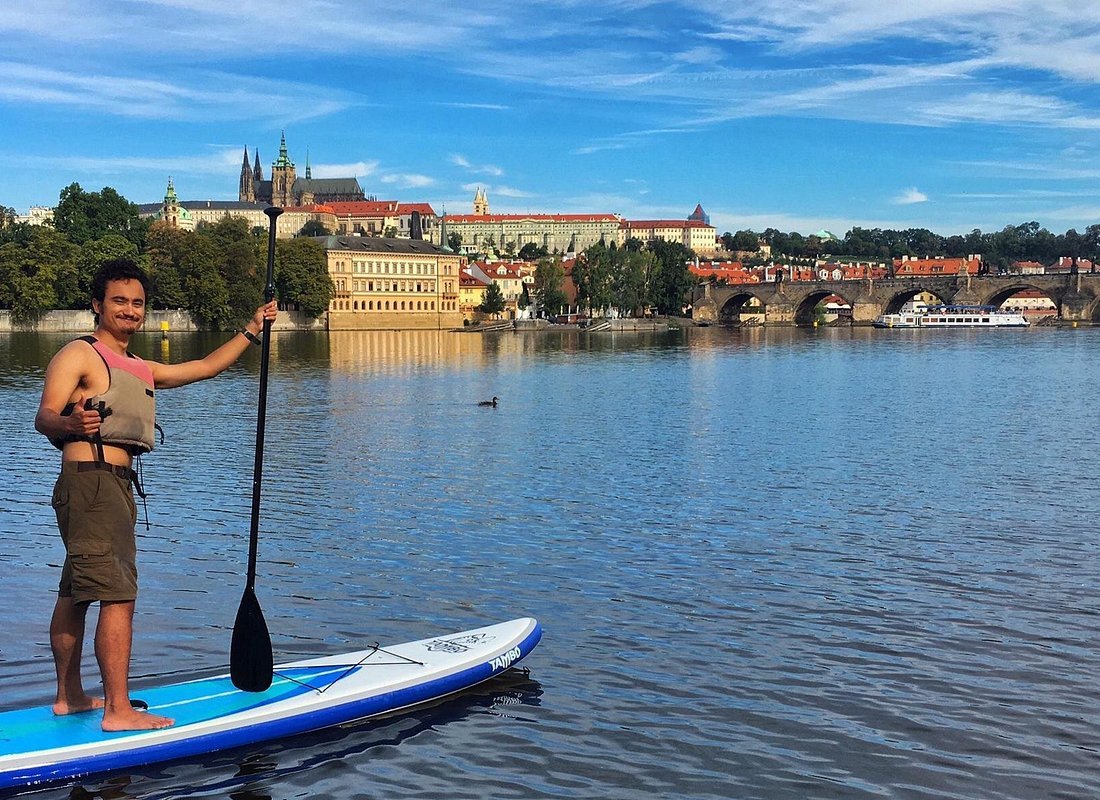
The Vltava River runs through the heart of Prague — beneath Charles Bridge, past the Malá Strana waterfront, and along the base of the hill crowned by Prague Castle. From the water, the entire panorama of the city opens up in a way that is simply not visible from any street or viewpoint: Charles Bridge from the water, the spires of St. Vitus Cathedral above, the baroque palaces of Malá Strana reflected in the river, and the complete absence of cars and crowds that defines the experience of being on the Vltava in a city of a million people.
SUP rental and guided paddleboarding sessions operate from the riverbanks throughout summer (May–September), giving you a completely different perspective on one of Europe's most architecturally magnificent cities. No experience is required — the Vltava through central Prague is calm and manageable for beginners, and the backdrop makes every minute on the water extraordinary.
Multiple SUP rental operators work from the Nusle embankment and the Císařský ostrov (Emperor's Island) nature reserve upstream. Book through Viator for guided tours with safety equipment and instruction included. Sessions typically run 1–2 hours. The best light for photography is early morning or late afternoon when the castle and bridge are golden.
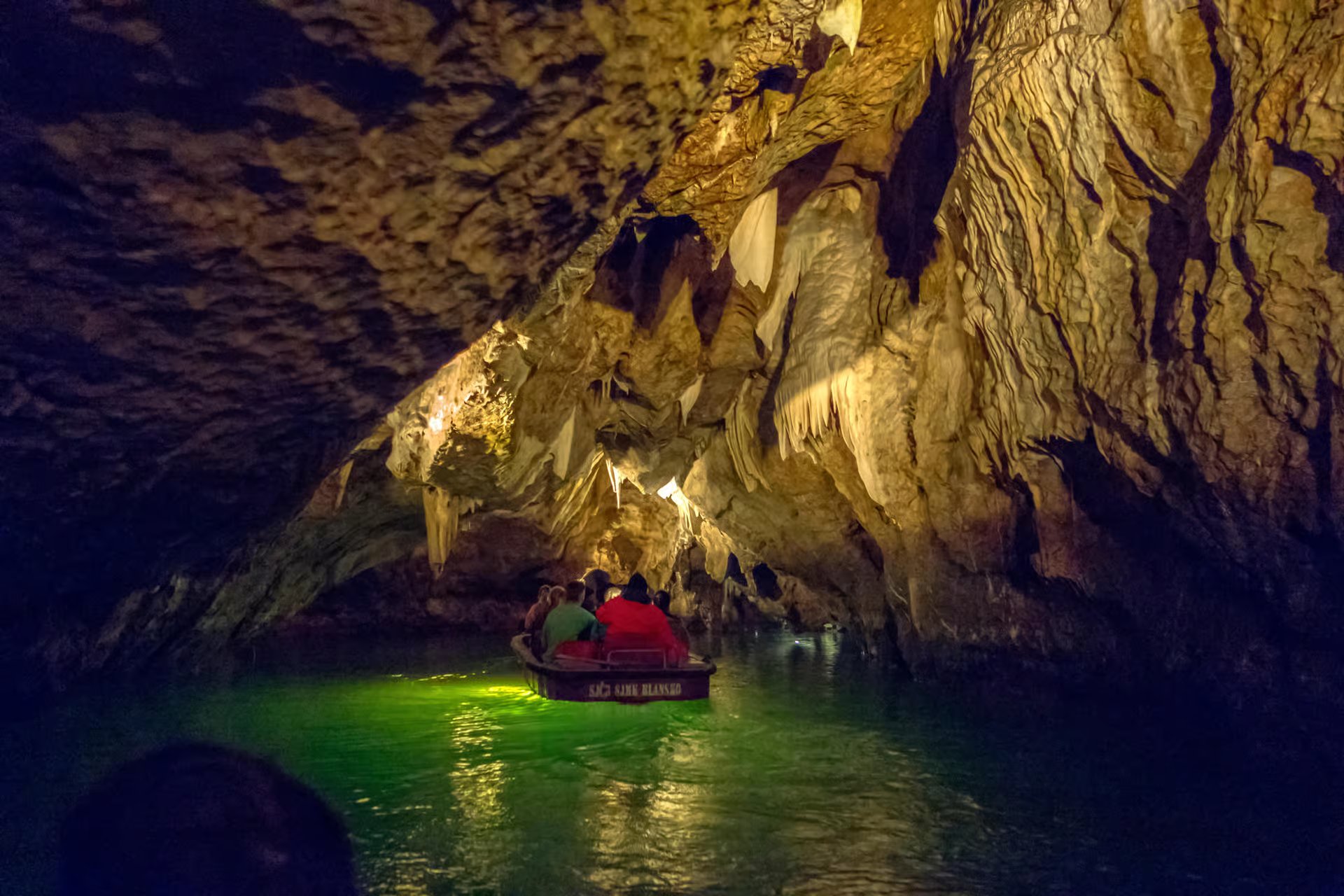
The Macocha Abyss in the Moravian Karst near Brno is the deepest collapsed cave system in Central Europe — a 138m deep gorge formed when the roof of an enormous underground cavern collapsed thousands of years ago. The Punkva Caves at the bottom of the abyss contain an underground river navigable by flat-bottomed boat, passing beneath extraordinary stalactite formations that have been growing for hundreds of thousands of years. Looking up from the cave floor to the narrow ribbon of sky 138m above is a genuinely vertiginous experience.
The cave tour from Brno includes the boat ride through the Punkva underground river, a walk through the stalactite chambers, and views of the abyss from both the upper and lower observation points. For those wanting the full extreme experience, abseiling descents into the abyss can be arranged through specialist operators — 138m of free rappel into the cave floor with the cave walls closing around you is one of the most dramatic vertical experiences in Europe.
Brno is 2 hours from Prague by train — the fastest intercity connection in the country. From Brno, the Macocha Gorge is 30km north (bus or organised tour). The GetYourGuide tour from Brno is the most convenient option and includes transport and an English-speaking guide. Book in advance — the cave tours have limited capacity and sell out in peak season.
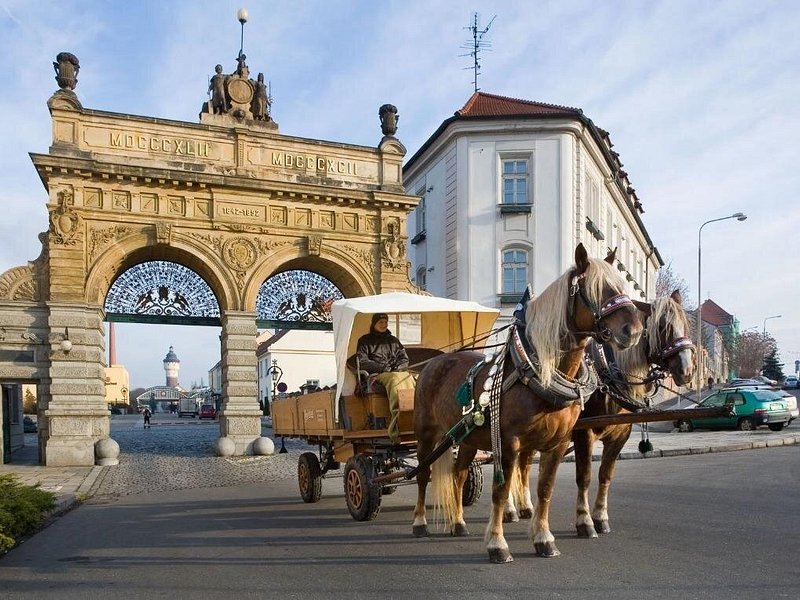
The Pilsner Urquell brewery in Plzeň (Pilsen) is where lager beer was invented in 1842 — the original pale lager that changed the entire course of beer history and spawned the style that now accounts for the majority of beer drunk worldwide. The brewery has been producing continuously since then and offers guided tours of the historic brewing facility, the underground lagering cellars (where the beer ferments at 2°C in vast sandstone chambers), and the original copper brewing equipment.
The highlight of the tour is the tank beer — unpasteurised, unfiltered Pilsner Urquell drawn directly from the lagering tank in the cellar, served cold in the underground tasting room. It is noticeably different from the bottled version: creamier, fresher, with a complexity that pasteurisation removes. Czech beer culture insists that tank beer from the source is the only way to properly experience Pilsner Urquell, and the insistence is entirely justified.
Plzeň is 90km southwest of Prague — approximately 1.5 hours by direct train from Prague Main Station. Trains run frequently throughout the day. The brewery is a 20-minute walk from Plzeň Central Station. Book brewery tours through the official Pilsner Urquell website (prazdrojvisit.cz) or through Viator. Tours run in English daily — book in advance especially on weekends.
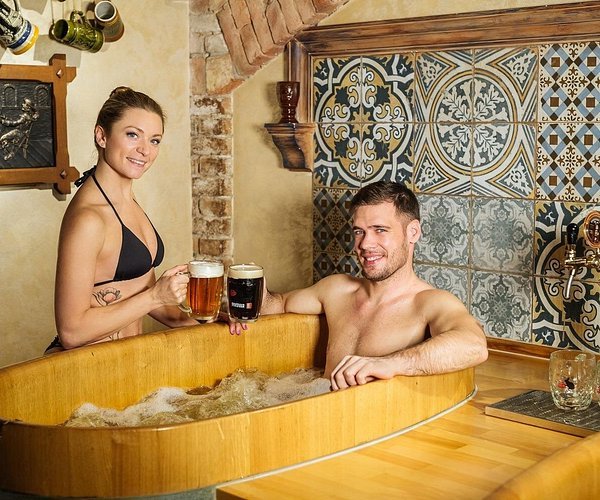
The Czech beer bath (pivní lázeň) is exactly what it sounds like — a warm wooden tub filled with dark beer, hops, and brewer's yeast, with an unlimited beer tap mounted directly beside the tub. It is a uniquely Czech wellness experience that combines the thermal bath culture of Central Europe with the country's total obsession with brewing, and it is both more pleasant and more ridiculous than it sounds.
The hops and yeast in the bath are genuinely beneficial for the skin — rich in B vitamins, minerals, and anti-inflammatory compounds — and the warm dark beer creates a soaking environment that is deeply relaxing. Most Prague beer spas follow the bath with a rest on a straw bed in a cool room, sometimes a massage, and always more beer. The unlimited tap beside the tub means you can drink as much or as little as you want throughout the soak — most people drink considerably more than is strictly advisable.
Multiple Prague spas offer beer bath experiences — Chodovar (the original, near Plzeň), Bernard Beer Spa, and Manufaktura are among the most popular in Prague. Sessions typically last 20–30 minutes in the tub. Book in advance through Viator or directly with the spa — sessions fill up quickly, especially on weekends. Arrive slightly early as the tub takes time to fill.
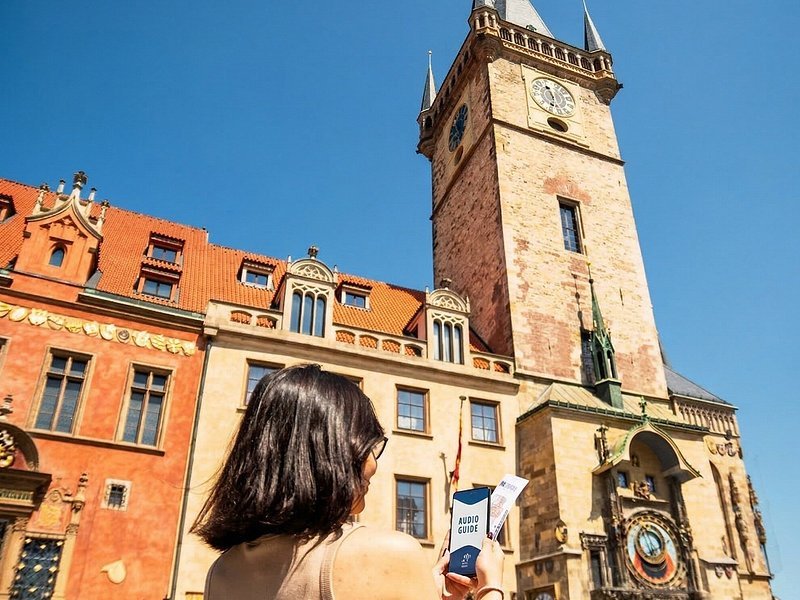
Prague's Old Town Square (Staroměstské náměstí) is one of the finest public spaces in Europe — a medieval square surrounded by Gothic, Baroque, and Renaissance architecture in extraordinary variety and condition, anchored by the Church of Our Lady before Týn (its twin spires rising 80m above the square) and the Old Town Hall Tower, on which the 15th-century Astronomical Clock strikes the hour with a mechanical parade of the Twelve Apostles.
The Astronomical Clock (Orloj) is the oldest working astronomical clock in the world, installed in 1410 — it shows the position of the sun and moon, the zodiac, and the time simultaneously, and has been doing so without interruption for over 600 years. The hour display, when the skeleton pulls the bell rope and the apostles rotate in the windows above, draws a crowd every hour on the hour. Wander the cobbled lanes of Staré Město in any direction from the square — the medieval street plan survives intact and the architecture accumulates detail with every block.
Go early (7–9am) for the quietest streets and best morning light on the stonework. The square gets very crowded from 10am onwards in peak season. The Old Town Hall Tower observation platform offers one of the best views over the city's roofline. The Jewish Quarter (Josefov) is a 5-minute walk from Old Town Square and contains six preserved synagogues and the Old Jewish Cemetery — one of the most moving historical sites in Europe.
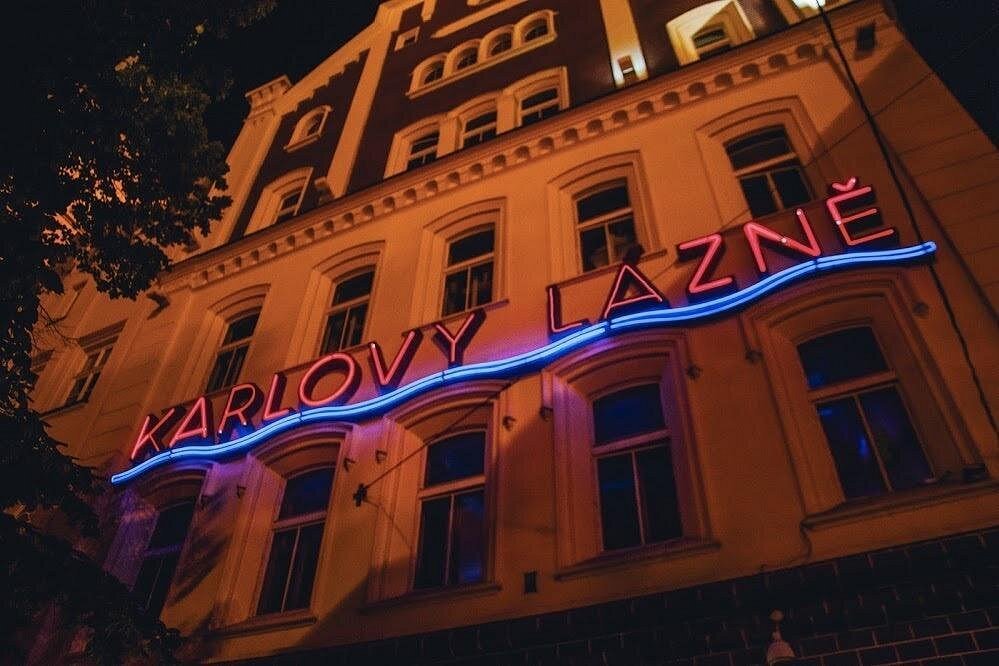
Karlovy Lázně — built into a 15th-century bathhouse complex on the banks of the Vltava, a two-minute walk from Charles Bridge — is the largest nightclub in Central Europe, with five floors of dancing and a capacity of 5,000. Each floor plays a different genre: the ground floor plays R&B and hip-hop, the second plays 80s and 90s hits, the third electronic and trance, the fourth current dance music, and the fifth a chill-out lounge. The building itself — Gothic arches, baroque ceilings, original stonework — makes it unlike any other club in the world.
The combination of the extraordinary building (built before Columbus reached America) and 5,000 people dancing in it simultaneously is genuinely surreal in the best possible way. The crowd is international — Prague draws visitors from across Europe and the club reflects this — and the atmosphere on a Saturday night when all five floors are at capacity is extraordinary. The location on the Vltava, directly across from Malá Strana, means you walk out at 4am into one of Europe's most beautiful midnight cities.
Karlovy Lázně is on Smetanovo nábřeží on the Old Town side of the Vltava, immediately south of Charles Bridge. Unmissable — look for the neon sign. Entry fee is typically €5–10 (varies by night and floor). Open Thursday–Sunday from 9pm; Saturday nights are the peak. No advance booking required — pay at the door. Dress code is casual but no sportswear.
Charles Bridge — Karlův most — was built between 1357 and 1402 on the orders of King Charles IV, connecting the Old Town to Malá Strana across the Vltava. It is 516 metres long, lined with 30 baroque statues of saints installed between 1683 and 1714, and guarded at each end by Gothic bridge towers. For 200 years it was the only crossing of the Vltava in Prague. Today it is one of the most photographed bridges in the world — and during the day, completely overwhelmed by tourists.
The solution is simple: go at 5am. The bridge at dawn — mist rising off the Vltava, the baroque saints emerging from the grey light, Prague Castle glowing above Malá Strana, and not another person in sight — is one of the great early morning experiences in European travel. The walk takes 10 minutes; you will spend much longer standing still, photographing the light, and feeling the weight of 700 years of stone beneath your feet.
The bridge is never closed — walk across at any hour. Sunrise times vary from 4:30am in June to 7:30am in December. The golden hour light lasts about 30 minutes after sunrise. Walk from the Old Town side (Staré Město) to the Malá Strana side — Prague Castle is directly ahead as you cross. The Malá Strana bridge tower (the smaller of the two) has observation platforms with extraordinary views over the bridge and the river.
The Czech Republic rewards visits year-round — each season offers a different Prague.