Taman Negara rainforest Malaysia Rafflesia world's oldest jungle
🌏 Asia · Southeast Asia
🇲🇾

Best Things to Do in Malaysia

The world's oldest rainforest, Borneo's wild orangutans, legendary hawker food in Penang, fireflies on the Selangor River, and one of the greatest dive sites on Earth.

Malaysia is one of Southeast Asia's most diverse and underrated destinations — a country that contains ancient rainforests older than the Amazon, some of the world's finest dive sites, a street food culture that rivals anywhere on Earth, and a Borneo wilderness of orangutans and clouded leopards accessible within a few hours of an international airport. From the colonial hawker lanes of Penang to the firefly-lit mangroves of the Selangor River to the granite summit of Mount Kinabalu, Malaysia rewards the curious traveller with experiences that feel genuinely remote and genuinely extraordinary.

1

Explore Taman Negara — World's Oldest Rainforest

🌿 Wildlife · Moderate · Year-Round
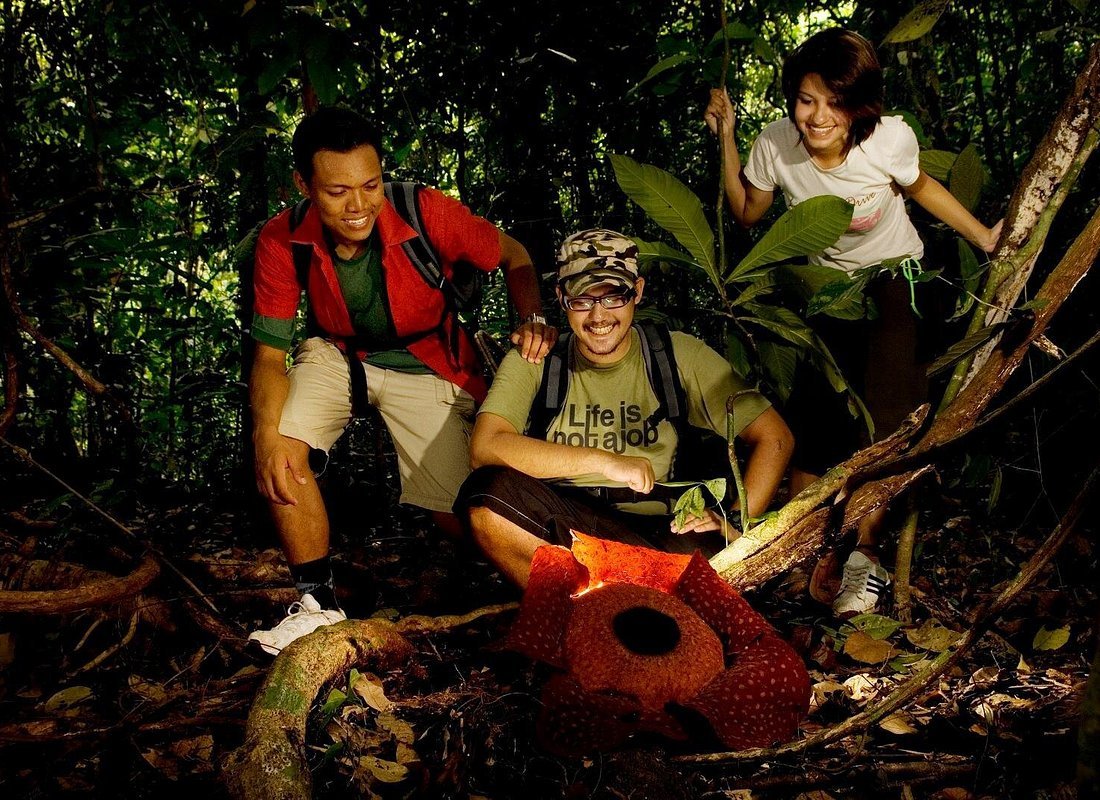
Taman Negara rainforest Malaysia Rafflesia flower jungle trek

Taman Negara is approximately 130 million years old — making it one of the oldest tropical rainforests on Earth, significantly older than the Amazon and the Congo Basin. It survived the ice ages that destroyed forests elsewhere because the Malaysian peninsula was never glaciated, and what remains today is a primary jungle of staggering biological complexity: Malayan tigers, Asian elephants, clouded leopards, tapirs, sun bears, and over 350 bird species inhabit a 4,343 km² park that feels genuinely primeval.

The forest floor is where the most extraordinary things happen. The Rafflesia — the world's largest flower, measuring up to 1 metre in diameter and smelling of rotting flesh — blooms unpredictably in the undergrowth. Giant strangler figs wrap ancient trees in root curtains. Hornbills call from the canopy. Night jungle walks with a guide reveal civets, flying squirrels, pit vipers, and the phosphorescent glow of fungi on fallen logs. This is what a primary rainforest is supposed to feel like — overwhelming, ancient, and alive.

Getting to Taman Negara

The main entry point is Kuala Tahan, reached by a 3-hour bus from Kuala Lumpur followed by a traditional boat journey upriver. Most visitors stay in the park's lodges or at Kuala Tahan village across the river. Guided jungle treks, night safaris, canopy walks, and river cruises are all available through park operators and Viator.
Age
~130 million years
Park Size
4,343 km²
From KL
~4 hrs (bus + boat)
Season
Year-round
Key Wildlife
Tigers, elephants, tapirs
Difficulty
Moderate
📋 Planning Tips
Stay at least 2 nights to experience the forest properly — day trips barely scratch the surface. A night jungle walk is essential: the forest transforms completely after dark. Book guided treks through the park headquarters at Kuala Tahan. Bring waterproof boots, leech socks, and strong insect repellent. The best time to spot wildlife is early morning — join a dawn guided walk before the heat builds.
⭐ Why It's Worth It
Taman Negara is what people imagine when they think of a rainforest but rarely actually experience — primary jungle with no roads, no cleared paths beyond the basic trails, just 130 million years of continuous forest growth pressing in from every side. The night walk alone — with a guide pointing out pit vipers on branches two feet from your face — is one of the most visceral wildlife experiences available anywhere in Asia.
Taman Negara jungle trek tour Malaysia Viator
Taman Negara Rainforest Trek — Guided Tour
Trek the world's oldest rainforest — night jungle walks, canopy bridges, Rafflesia flowers, and wildlife in 130-million-year-old primary jungle.
Book on Viator →

2

Sipadan Island Diving

🤿 Diving · Moderate · April–October
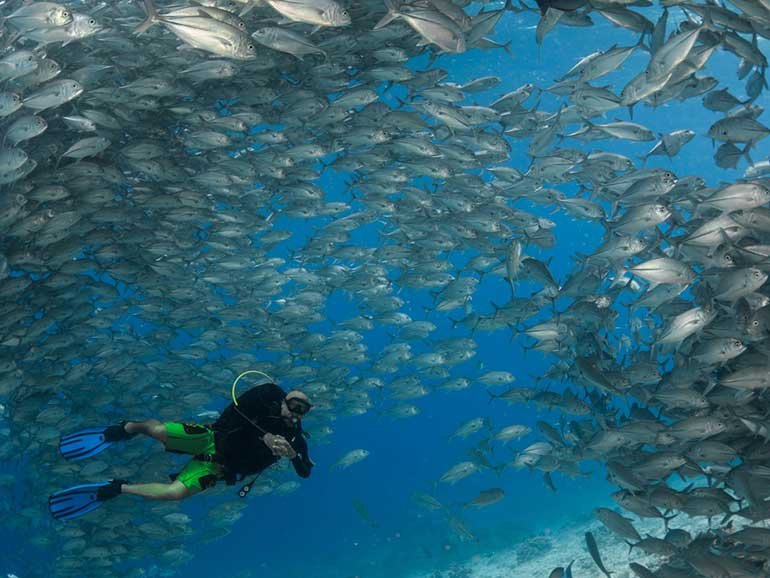
Sipadan Island diving Malaysia barracuda tornado school of fish Borneo

Sipadan Island in Malaysian Borneo is consistently ranked among the top three dive sites on Earth. The island sits atop an underwater pinnacle that rises 600 metres from the seafloor — and the wall diving here, plunging from the reef crest directly into the deep blue of the Celebes Sea, is as dramatic as ocean diving gets. What makes Sipadan extraordinary are the animals: massive schools of chevron barracuda that form swirling tornados around divers, jackfish that spiral in enormous baitballs, and resident green and hawksbill turtles so numerous and so accustomed to divers that they barely notice you.

White-tip reef sharks patrol the sandy channels. Bumphead parrotfish appear in schools of hundreds, their foreheads slamming into coral with audible cracks. Hammerheads patrol the deeper water beyond the wall. The biodiversity is simply staggering — dive after dive produces encounters that would be highlight reels at lesser sites. Jacques Cousteau called it "an untouched piece of art."

How to Dive Sipadan

The Malaysian government limits Sipadan to 120 dive permits per day to protect the reef — accommodation is no longer permitted on the island itself. Divers stay at resorts on nearby Mabul or Kapalai islands and day-trip to Sipadan. Scuba Junkie is one of the most respected operators, offering excellent guides, small groups, and full permit logistics. Book well in advance — permits can sell out months ahead in peak season.
Ranking
Top 3 dive site globally
Daily Permits
120 (strictly enforced)
Base
Mabul or Kapalai Island
Season
April–October
Key Species
Turtles, barracuda, sharks
Difficulty
Moderate
📋 Planning Tips
Book Sipadan permits months in advance — the 120 daily limit means permits are the bottleneck, not accommodation. A minimum Open Water certification is required; advanced divers will get more from the wall dives. Plan for at least 3–4 days diving in the Semporna archipelago — Mabul, Kapalai, and the surrounding macro dive sites around your Sipadan days are exceptional in their own right. Fly into Tawau (TWU) from Kota Kinabalu or Kuala Lumpur.
⭐ Why It's Worth It
The barracuda tornado at Sipadan is one of those underwater moments that you try to describe afterward and realise language isn't adequate — several hundred barracuda spiraling around you in a living vortex while turtles drift past below and reef sharks circle at the edge of visibility. Sipadan earns its global ranking. The permit system means it will never be crowded. Book it as soon as you decide to go.
Sipadan Island diving tour Scuba Junkie Malaysia Borneo
Sipadan Island Diving — Scuba Junkie
One of Earth's top 3 dive sites — barracuda tornados, green turtles, wall diving, and 600m drops into the Celebes Sea.
Book Tour →

3

Danum Valley Jungle Trek, Borneo

🦧 Wildlife · Moderate · Year-Round
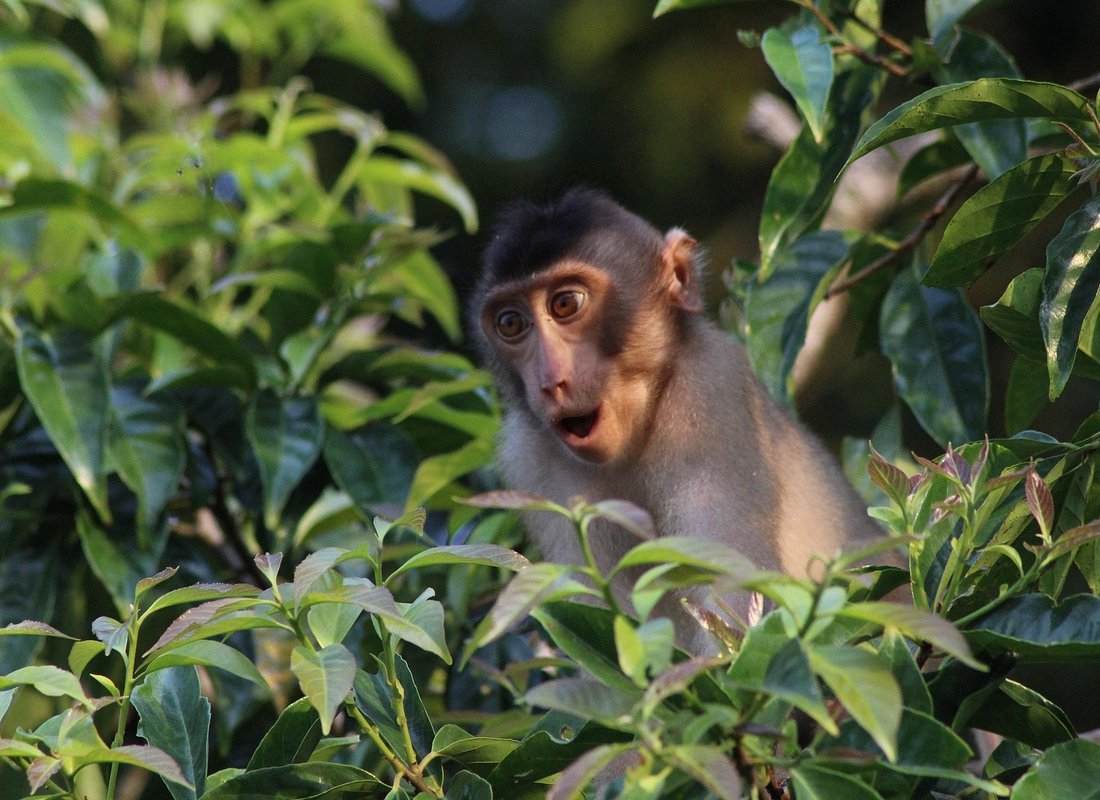
Danum Valley Borneo Malaysia jungle trek monkey primary rainforest

Danum Valley Conservation Area in Sabah, Malaysian Borneo, is 438 km² of completely undisturbed primary rainforest — no logging, no agriculture, no human habitation beyond the research station and the field centre. It is one of the last intact lowland dipterocarp forests in Borneo and one of the most biodiverse places on Earth. Orangutans swing through the canopy. Proboscis monkeys — with their extraordinary pendulous noses — crash through riverine forest along the Danum River. Clouded leopards hunt at night. Pygmy elephants leave tracks on the forest trails.

The forest itself is extraordinary even if you don't see the headline species. The trees here are among the tallest in the tropical world — dipterocarps reaching 80 metres. The understory is a cathedral of buttress roots and strangler figs. The dawn chorus of gibbons carries for kilometres. Night drives reveal slow lorises, civets, and flying squirrels in the headlight beams. This is Borneo's wild heart, and it feels it.

Staying in Danum Valley

Access to Danum Valley is strictly controlled — you must stay at either the Borneo Rainforest Lodge (luxury) or the Danum Valley Field Centre (research-grade accommodation). Both operate guided treks, night drives, and river walks with expert naturalist guides. The closest major town is Lahad Datu, served by flights from Kota Kinabalu and Kuala Lumpur. Minimum 2-night stay is recommended.

Area
438 km² primary forest
Location
Sabah, Borneo
Gateway
Lahad Datu (fly)
Key Wildlife
Orangutans, pygmy elephants
Season
Year-round
Difficulty
Moderate
📋 Planning Tips
Book Borneo Rainforest Lodge or the Field Centre well in advance — capacity is limited by design. A minimum 2-night stay is essential; 3 nights is better. The dawn canopy walk before breakfast is the best wildlife viewing window — guides know where the orangutans sleep and track their movements daily. Combine with a Sipadan diving trip for the ultimate Sabah itinerary — both are in the same region of Borneo.
⭐ Why It's Worth It
Danum Valley is what Borneo looked like before logging took most of it. The trees are so tall and the canopy so dense that it feels like being inside a living cathedral. Waking up to gibbons calling in the dawn mist, then finding fresh orangutan nests with a guide who knows every tree in the forest — this is wildlife travel at its most honest and most rewarding. One of the great natural places left on Earth.
Danum Valley jungle trek Borneo orangutan tour Viator Malaysia
Danum Valley Jungle Trek — Borneo
Primary Borneo rainforest with orangutans, proboscis monkeys, clouded leopards, and pygmy elephants — one of the last intact lowland jungles on Earth.
Book on Viator →

4

Penang Hawker Food Crawl at Night

🍜 Food & Drink · Easy · Year-Round
Penang hawker food crawl night George Town Malaysia friends eating

Penang's George Town is one of the world's greatest food cities — a UNESCO heritage city where centuries of Malay, Chinese (Hokkien, Cantonese, Hakka), Indian (Tamil, Northern), and Thai culinary traditions have merged into a street food culture of extraordinary complexity and quality. A single evening at Gurney Drive hawker centre, Padang Brown, or the Kimberley Street food stalls will produce a meal that costs less than a coffee in London and tastes better than almost anything in a sit-down restaurant.

The must-eat list in Penang is long and non-negotiable: char kway teow (flat rice noodles wok-fried with prawns, cockles, and bean sprouts over maximum heat), asam laksa (a sour, intensely fishy tamarind-based noodle soup unlike any other laksa), cendol (shaved ice with pandan jelly, coconut milk, and palm sugar), Penang rojak (a fruit and vegetable salad with shrimp paste dressing), and nasi kandar (mixed rice with rotating curries). Each has its legendary stall, its decades-long queue, its regulars who eat it three times a week.

The Best Hawker Centres in Penang

Gurney Drive is the most famous and most tourist-friendly. New Lane (Lorong Baru) is where locals eat. Padang Brown is the late-night option. A guided food tour takes you to the best stalls for each dish and provides the historical and cultural context that makes Penang's food even more interesting. George Town's street art and shophouse architecture makes the whole experience even richer.
Best Centre
Gurney Drive / New Lane
Must Eat
Char kway teow, laksa
Price
$1–5 per dish
Best Time
Evening (6–10pm)
Season
Year-round
Difficulty
Easy
📋 Planning Tips
Go hungry and go with an empty agenda — a proper Penang hawker crawl takes 3–4 hours and multiple stops. A guided food tour is the fastest way to find the legendary stalls without queuing at the wrong ones. Avoid the air-conditioned restaurants inside the hawker centres — the open-air stalls with the longest queues are always better. George Town's street art is best explored in the morning before the hawker centres open.
⭐ Why It's Worth It
Penang hawker food is one of travel's great levelling experiences — everyone queues at the same stall, eats at the same plastic table, pays the same $2, and has exactly the same reaction when the char kway teow arrives. The food is genuinely extraordinary — complex, historically layered, and produced by people who have been making the same dish for thirty years. If you eat only one meal in Malaysia, eat it in George Town.
Penang hawker food tour George Town night Malaysia Viator
Penang Hawker Food Tour — George Town
Char kway teow, asam laksa, cendol — guided night food crawl through one of Asia's greatest street food cities.
Book on Viator →

5

Batik Printing Workshop, Kuala Lumpur

🎨 Cultural · Easy · Year-Round
Batik printing workshop Kuala Lumpur Malaysia traditional craft wax resist

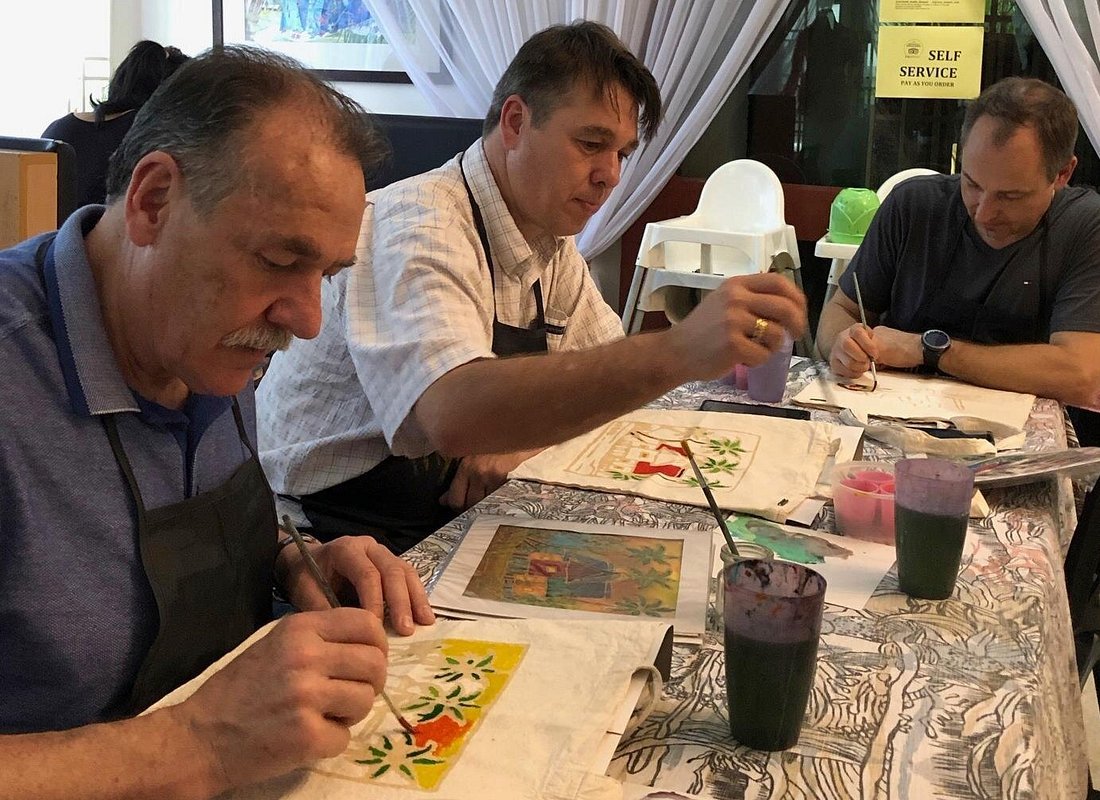
Batik is one of Malaysia's most ancient and beautiful craft traditions — a wax-resist fabric dyeing technique that produces textiles of extraordinary intricacy and colour, using either hand-drawn wax designs (batik tulis) or copper block printing (batik cap). The craft arrived in the Malay Peninsula via Java centuries ago and has developed its own distinct Malaysian character, with floral and geometric patterns that reflect the country's multicultural heritage.

A morning batik workshop in Kuala Lumpur teaches the fundamentals of wax application, colour mixing, and resist dyeing in a hands-on environment — you leave with a piece you've made yourself and a genuine understanding of how these textiles are created. The focus and meditative quality of applying hot wax to fabric, then watching the dye resist it to reveal the pattern, is unexpectedly absorbing.

Where to Learn Batik in KL

Several studios in Kuala Lumpur offer half-day workshops for visitors, typically covering both the traditional hand-drawn method and block printing. The KL craft complex near Jalan Conlay has dedicated workshops, and boutique studios in Bangsar and Chow Kit offer smaller, more intimate sessions. Viator lists multiple options with clear skill-level guidance.
Duration
Half day (3–4 hrs)
Location
Kuala Lumpur
Skill Level
No experience needed
Take Home
Your own batik piece
Season
Year-round
Difficulty
Easy
📋 Planning Tips
Wear clothes you don't mind getting dye on — aprons are provided but wax and dye have a way of travelling. Book in advance for small group sessions which give you more time with the instructor. Combine with a visit to the KL craft complex or the Central Market for a broader look at Malaysian traditional crafts. The batik textiles sold in KL's markets are beautiful — understanding how they're made transforms the shopping experience.
⭐ Why It's Worth It
Batik workshops are the kind of experience that sounds like a tourist activity but turns out to be genuinely absorbing. Applying the hot wax with a canting tool while trying to keep your lines clean, then watching the dye flood around it to reveal the pattern — it takes real concentration and the results are beautiful. You leave with something you made with your hands that is also a 1,000-year-old craft tradition. That's a good morning.
Batik printing workshop Kuala Lumpur Malaysia Viator
Batik Printing Workshop — Kuala Lumpur
Learn traditional Malaysian wax-resist fabric dyeing and take home a batik piece you made yourself — a hands-on morning with a 1,000-year-old craft.
Book on Viator →

6

Relax and Snorkel in the Perhentian Islands

🐠 Water · Easy · May–September
Perhentian Islands snorkeling Malaysia tropical fish coral reef turquoise water

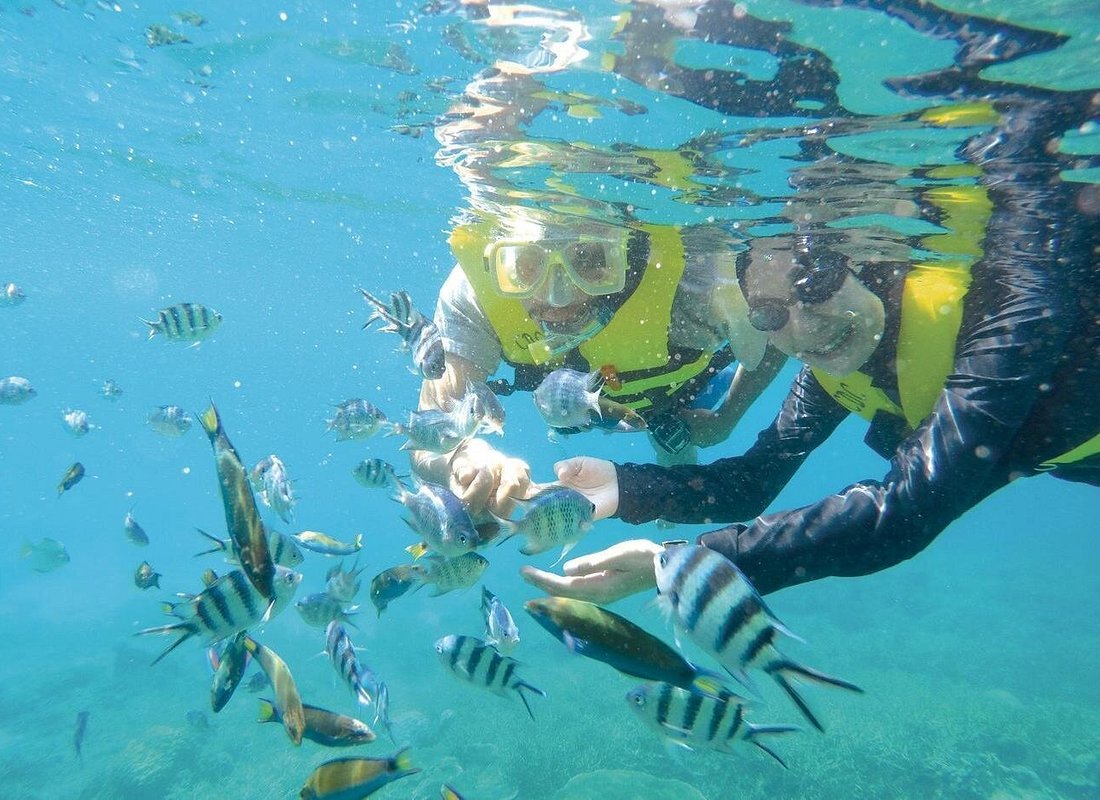
The Perhentian Islands — Perhentian Besar (Big) and Perhentian Kecil (Small) — sit off the northeast coast of Peninsular Malaysia in waters of such clarity and colour that they look digitally enhanced. White sand beaches fringed with jungle. Turquoise water over coral reefs teeming with green turtles, black-tip reef sharks, leopard sharks resting on the sand, lionfish, and every tropical fish imaginable. At backpacker prices that would be unthinkable in Thailand or the Maldives.

Snorkelling in the Perhentians is exceptional even from the beach — the reef starts in just a few metres of water. Turtle Bay on Perhentian Besar is reliably populated with green turtles that feed on the seagrass beds, surfacing every few minutes to breathe. The water visibility regularly exceeds 20 metres. Dive operators on both islands offer PADI courses and guided dives for those who want to go deeper.

Getting to the Perhentians

The jumping-off point is Kuala Besut on the Terengganu coast — about 5 hours from Kuala Lumpur by bus, or 40 minutes from Kota Bharu airport. Speedboats to the islands take 30–45 minutes. The islands have no ATMs — bring cash. The season runs May to September; the northeast monsoon closes the islands November to March.
Season
May–September
Visibility
Up to 20m+
Key Species
Turtles, reef sharks
From KL
~5 hrs by bus + boat
Cash
No ATMs — bring cash
Difficulty
Easy
📋 Planning Tips
Go to Perhentian Kecil for backpacker atmosphere and cheaper accommodation; Perhentian Besar for quieter beaches and better resort options. Book accommodation before arrival in peak season (July–August). Bring reef-safe sunscreen — the coral is in excellent condition and worth protecting. Snorkel gear can be rented cheaply on the islands but bringing your own mask ensures a better fit. The snorkelling boat trips that circle both islands are the best way to hit all the key sites in a day.
⭐ Why It's Worth It
The Perhentians are Southeast Asia's best beach secret — the water is as clear as anything in the Maldives, the snorkelling is genuinely spectacular (turtles at Turtle Bay are essentially guaranteed), and the whole thing costs a fraction of comparable experiences in Thailand or Bali. They close for the monsoon which keeps them pristine. Go in June or July and you'll wonder why everyone else is paying five times as much to sit on a beach somewhere more famous.
Perhentian Islands snorkeling tour Malaysia Viator
Perhentian Islands Snorkelling Tour
Turquoise water, coral reefs, green turtles, and reef sharks off Malaysia's east coast — Southeast Asia's best-value beach experience.
Book on Viator →

7

Visit Tea Plantations in Cameron Highlands

🍵 Cultural · Easy · Year-Round
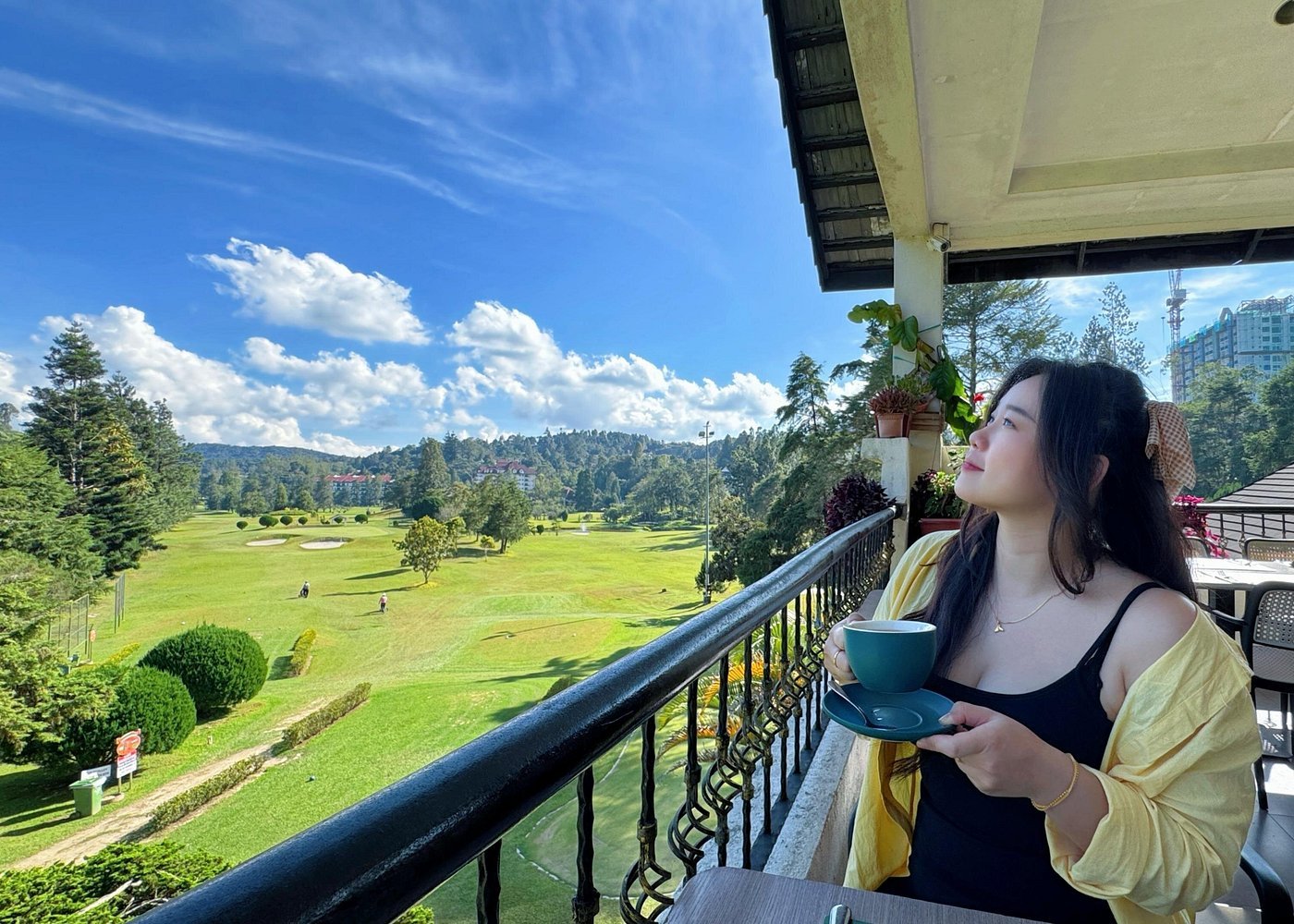
Cameron Highlands tea plantation Malaysia colonial highlands cool morning

Cameron Highlands sits at 1,500 metres above sea level in the central Titiwangsa mountain range — a plateau of cool, misty air, rolling tea-covered hills, and colonial-era bungalows that feels completely unlike the tropical lowlands. The British developed the highlands as a hill station retreat in the 1920s and the tea estates they planted (BOH Plantations being the most famous) still produce some of Southeast Asia's finest black teas, covering the hillsides in geometric rows of emerald green that unfold in every direction.

Walking through a working tea plantation — watching pickers move through the bushes, understanding how altitude and mist and soil produce the particular character of Cameron Highlands tea — is one of those experiences that makes an abstract commodity suddenly vivid and specific. The BOH plantation visitor centre, perched on a ridge with views across the valley, serves fresh estate tea with scones and jam in a setting that makes you understand entirely why the British chose this place to escape the heat.

What Else to Do in Cameron Highlands

Beyond the tea estates, Cameron Highlands has excellent strawberry farms (growing strawberries at altitude is a novelty in tropical Malaysia), hiking trails through mossy cloud forest, and a relaxed colonial town atmosphere in Tanah Rata. The highlands are 3–4 hours from Kuala Lumpur by bus. Guided day tours from KL are an easy option for those with limited time.
Altitude
1,500m
From KL
3–4 hrs by bus
Key Estate
BOH Plantations
Temperature
~18–25°C (cool!)
Season
Year-round
Difficulty
Easy
📋 Planning Tips
Visit the BOH Sungai Palas estate — the ridge-top location and visitor centre are the most spectacular. Go on a weekday to avoid weekend crowds. The highlands are cooler than you expect — bring a light jacket. Strawberry farms along the main road are fun but crowded; the smaller farms off the main routes are better. Stay overnight in Tanah Rata for the most relaxed experience and to see the morning mist roll through the tea fields at dawn.
⭐ Why It's Worth It
Cameron Highlands is Malaysia's secret cool weather escape — the combination of misty hills, colonial architecture, emerald tea fields stretching to the horizon, and genuinely cool temperatures is unlike anything else in the country. Sitting on the BOH estate veranda with a fresh pot of estate tea and those views is one of the most unexpectedly peaceful moments in Malaysian travel. The contrast with the heat of KL below makes it feel like a different country.
Cameron Highlands tea plantation tour Malaysia Viator KL
Cameron Highlands Tea Plantation Tour
Emerald tea fields at 1,500m, colonial hill station atmosphere, and fresh estate tea with views — Malaysia's coolest highland escape.
Book on Viator →

8

Firefly River Cruise, Selangor River

✨ Wildlife · Easy · Year-Round
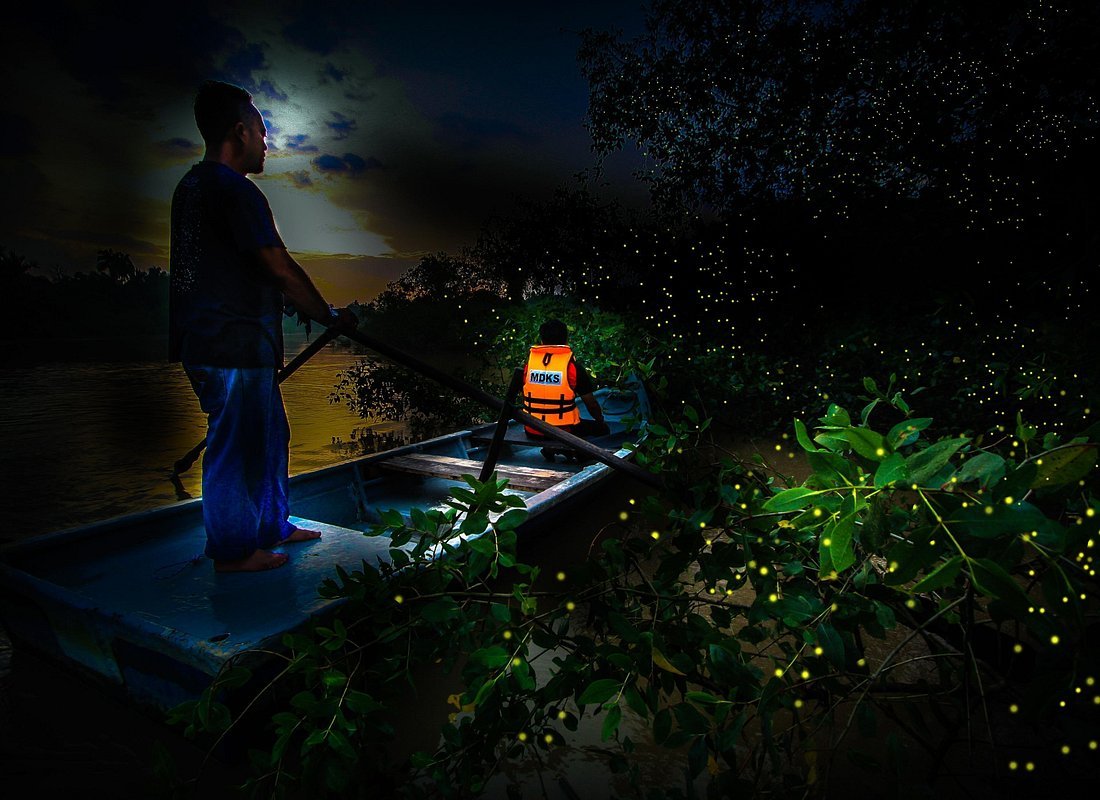
Firefly river cruise Selangor River Malaysia mangrove forest night fireflies glowing

The Selangor River at Kampung Kuantan hosts one of the most magical natural spectacles in Southeast Asia — and possibly the world. Thousands of Pteroptyx tener fireflies synchronise their bioluminescent flashes in the mangrove trees along the river banks, creating a living light display that pulses in unison like a natural string of lights. This synchronisation behaviour is rare globally and reaches its most concentrated and consistent expression here, where the mangroves have provided undisturbed habitat for centuries.

Drifting silently downriver in a small wooden sampan as both banks erupt in synchronised pulses of cold green light — the trees outlined, then dark, then outlined again — is one of those travel experiences that resists description. There is no soundtrack other than the river. No light pollution. No engine noise. Just the water and the trees and the light that isn't there and then suddenly is.

How to See the Fireflies

Tours depart nightly from Kampung Kuantan, about 60km from Kuala Lumpur — an easy day or evening trip from the capital. Small sampan boats take groups of 4–6 along the river for approximately 30 minutes. The fireflies are present year-round but are brightest on darker nights around the new moon. Guided tours from KL handle transport and timing. No flash photography — it disrupts the synchronisation.
Location
Kampung Kuantan, Selangor
From KL
~60km / 1 hr
Best Night
Around new moon
Season
Year-round
Duration
~30 min on river
Difficulty
Easy
📋 Planning Tips
Book a guided tour from KL that includes transport — the logistics of getting to Kampung Kuantan independently are awkward. Check the lunar calendar and aim for nights within a week of the new moon for the darkest skies and brightest fireflies. No flash photography whatsoever — it disrupts the synchronisation and ruins the experience for others. Bring insect repellent. The tour is often combined with a daytime visit to the Kuala Selangor Nature Park for birdwatching.
⭐ Why It's Worth It
The Selangor firefly cruise is one of those experiences where no photo does justice to the reality. The synchronised pulsing of thousands of fireflies in complete darkness — the mangrove trees appearing and disappearing in waves of cold green light — has a quality of the genuinely magical that very few natural experiences deliver. It's an hour from KL, it costs almost nothing, and it will stay with you for years. One of Malaysia's most extraordinary things.
Firefly river cruise Selangor Malaysia night tour Viator KL
Firefly River Cruise — Selangor River
Watch thousands of synchronised fireflies light up the mangroves in silent pulses — one of Southeast Asia's most magical natural spectacles, 1 hour from KL.
Book on Viator →

9

Visit the Petronas Twin Towers at Night

🏙 Cultural · Easy · Year-Round
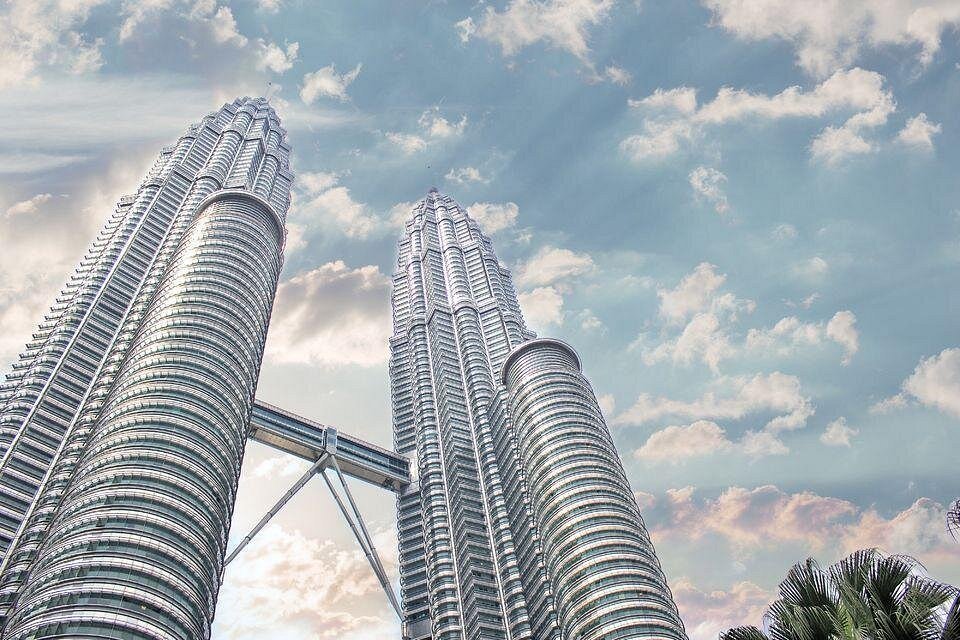
Petronas Twin Towers Kuala Lumpur Malaysia night skyline sky bridge

The Petronas Twin Towers dominated the Kuala Lumpur skyline from their completion in 1998 until 2004, when they were surpassed in height — but they remain among the most architecturally striking buildings ever constructed. Rising 452 metres above the city in a tapering series of Islamic geometric patterns executed in stainless steel and glass, they are at once modernist and culturally specific, and the image of them illuminated against the KL night sky is one of the defining photographs of modern Southeast Asia.

The sky bridge connecting the two towers at the 41st floor (170 metres) offers a vertigo-inducing view of the city stretching in every direction and the peculiar experience of standing between two skyscrapers while the wind moves the structure gently beneath you. The observation deck at Level 86 (357 metres) provides the highest public viewpoint in the city. KLCC Park below is the best place to see the towers from ground level, particularly when the fountains are running at night.

Planning Your Visit

Sky bridge and observation deck tickets sell out — book online in advance at petronastwintowers.com.my. The most atmospheric time is at dusk, arriving before sunset to watch the city transition from day to night from above. KLCC Park and the Suria KLCC mall at the base are free to visit and worth your time. The surrounding Golden Triangle neighbourhood has some of KL's best restaurants and rooftop bars for post-visit drinks.
Height
452m (88 floors)
Sky Bridge
Level 41 (170m)
Obs Deck
Level 86 (357m)
Best Time
Dusk / Night
Season
Year-round
Difficulty
Easy
📋 Planning Tips
Book tickets online in advance — same-day tickets frequently sell out. Arrive at KLCC Park 30 minutes before your tower entry time to get the best ground-level photographs while the light is good. The fountains in KLCC Park run on a schedule in the evenings — check the times. The Suria KLCC mall has excellent food options for before or after. The KL Tower (Menara KL) offers a different and arguably better view of the Petronas Towers from outside — both visits complement each other.
⭐ Why It's Worth It
The Petronas Towers are one of those rare pieces of architecture that actually exceeds expectations in person — the combination of scale, the Islamic geometric pattern work applied at 452-metre height, and the way they glow against the KL night sky is genuinely spectacular. Standing on the sky bridge between them with the city 170 metres below and the upper floors still rising above you is one of those urban vertigo moments that you feel in your stomach. Don't skip it.
Petronas Twin Towers night tour Kuala Lumpur Malaysia Viator
Petronas Twin Towers — Sky Bridge & Observation Deck
Stand on the sky bridge between Malaysia's iconic towers at 170m — one of Asia's most dramatic urban viewpoints, best visited at dusk.
Book on Viator →

10

Mount Kinabalu Summit, Borneo

🥾 Hiking · Hard · March–September
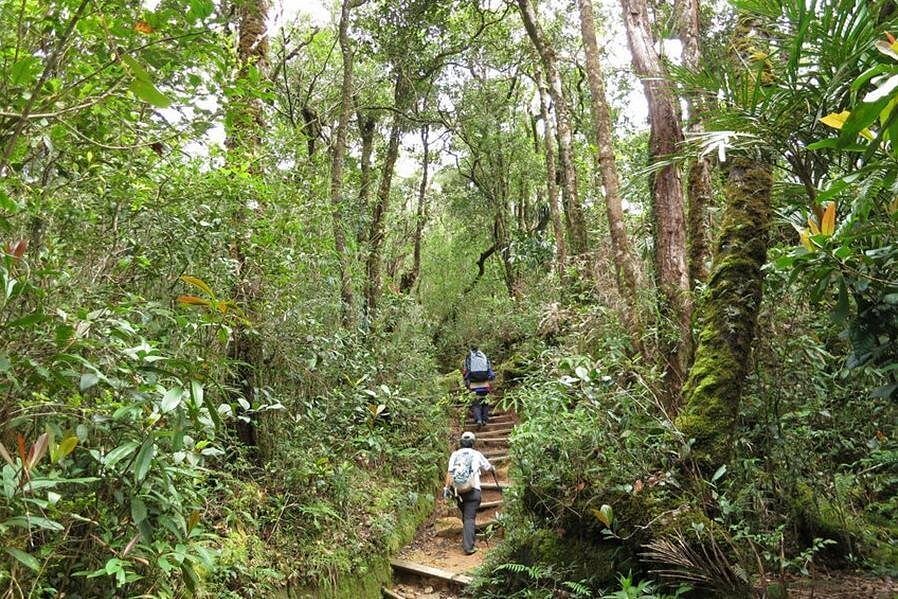
Mount Kinabalu summit trek Borneo Malaysia cloud forest jungle steps

Mount Kinabalu rises 4,095 metres above the Sabah jungle in Malaysian Borneo — the highest peak in Southeast Asia and one of the most accessible high-altitude summits in the world. The mountain is a geological anomaly: a granite pluton that pushed up through the Borneo rainforest relatively recently (in geological terms), creating a mountain that transitions from lowland dipterocarp forest through oak and rhododendron zones to a stark, other-worldly summit of bare granite spires that looks like the surface of the moon.

The two-day guided summit climb is a genuine physical challenge — approximately 8.7km of steep trail with 2,200m of elevation gain on the first day, followed by a 2am predawn start for the summit push to arrive at Laban Rata (3,272m) and then the exposed granite Low's Peak (4,095m) for sunrise. The sunrise from the summit, with cloud below you and Borneo's jungle canopy stretching to every horizon, is one of the great mountain moments in Asia.

Planning the Kinabalu Climb

All climbers require a permit and a mandatory guide — book through Sutera Sanctuary Lodges, which manages the mountain, well in advance. Accommodation at Laban Rata on the mountain must be booked simultaneously with the permit. The climb is open year-round but the dry season (March–September) offers the best summit visibility. Fly into Kota Kinabalu, the Sabah capital, which has direct connections from Kuala Lumpur and Singapore.

Summit
4,095m (Low's Peak)
Duration
2 days / 1 night
Gateway
Kota Kinabalu
Season
March–September
Permit
Required + guide
Difficulty
Hard
📋 Planning Tips
Book permits and Laban Rata accommodation months in advance — the mountain's daily quota fills up far ahead. Trekking poles are strongly recommended. The summit push starts at 2am in the dark and cold — headlamp, warm layers, and waterproofs are essential. Train with elevation gain in the weeks before. The descent is harder on the knees than the ascent — take it slowly. Combine with Danum Valley and/or Sipadan for the ultimate Sabah wildlife-adventure itinerary.
⭐ Why It's Worth It
Mount Kinabalu is one of the world's great accessible summit climbs — genuinely hard, genuinely rewarding, and producing a summit experience that feels earned. The granite spires at the top look like nothing else in Southeast Asia. The sunrise from Low's Peak with cloud below you and the South China Sea somewhere in the distance is one of those moments that resets your sense of scale. Book it far enough in advance and train for it. You won't regret either.
Mount Kinabalu summit trek Sabah Borneo Malaysia Viator
Mount Kinabalu Summit Trek — Sabah, Borneo
Southeast Asia's highest peak at 4,095m — two-day guided summit climb with predawn start for sunrise above the Borneo jungle.
Book on Viator →

🗓 Best Time to Visit Malaysia

Malaysia's weather varies by region — the west and east coasts have opposite monsoon seasons, while Borneo and the highlands are largely year-round.
🌸 Mar–May (Dry Season Starts) Best time for Mount Kinabalu and Borneo. Perhentian Islands open from May. West coast (KL, Penang) drying out. Good visibility for Sipadan diving. Cameron Highlands beautiful year-round.
☀️ Jun–Aug (Peak Season) Best overall months. Perhentian Islands at their clearest. Sipadan diving excellent. Borneo accessible. KL and Penang warm and manageable. Book accommodation ahead for island resorts.
🍂 Sep–Oct (Shoulder Season) Still good for Borneo and west coast. Perhentians winding down (closing Nov). Transitional weather in KL and Penang. Firefly cruise year-round. Good value before peak season ends.
❄️ Nov–Feb (Northeast Monsoon) East coast (Perhentians, Tioman) closed. West coast and KL still excellent. Penang food year-round. Cameron Highlands misty and atmospheric. Borneo and Sipadan accessible. Firefly cruise continues.

Frequently Asked Questions — Malaysia Travel

When is the best time to visit Malaysia?
It depends on the region. The west coast (KL, Penang) is best November to April. The east coast (Perhentians) is open May to September — closed during the northeast monsoon November to March. Borneo is best April to October. Cameron Highlands and Taman Negara are year-round. The firefly cruise on the Selangor River operates year-round.
Is Sipadan really one of the world's best dive sites?
Yes — Sipadan is consistently ranked in the global top three. It sits atop a 600m underwater pinnacle and is famous for its wall diving, barracuda tornados, resident green and hawksbill turtles, and white-tip reef sharks. The Malaysian government limits permits to 120 per day — book months in advance through a recognised operator like Scuba Junkie.
How old is Taman Negara?
Taman Negara is approximately 130 million years old — one of the world's oldest tropical rainforests, significantly older than the Amazon. It survived the ice ages because Malaysia was never glaciated. The park covers 4,343 km² and is home to Malayan tigers, Asian elephants, clouded leopards, tapirs, and over 350 bird species.
Is Penang really the best street food city in Asia?
Many food experts argue yes. Penang's George Town has merged Malay, Chinese, Indian, and Thai culinary traditions over centuries into a unique street food culture. Char kway teow, asam laksa, cendol, and nasi kandar here are at extraordinary quality levels and cost $1–5 per dish. A guided food tour is the best way to find the legendary stalls.
Do I need a visa for Malaysia?
Citizens of the US, UK, EU, Australia, Canada, and most Western countries can enter Malaysia visa-free for up to 90 days — stamp on arrival, no advance application. Note that Sabah and Sarawak in Borneo have separate immigration from Peninsular Malaysia, so your passport is checked again when flying between them.
Is Malaysia expensive?
Malaysia is excellent value. A full hawker meal in Penang costs $2–5. A comfortable KL hotel runs $40–80 per night. The main premium experiences are Sipadan diving (limited permits drive costs up) and Danum Valley lodges. Even these are significantly cheaper than equivalent experiences in Africa or South America.

🇲🇾 Practical Tips for Malaysia

Malaysia uses the Malaysian Ringgit (MYR). Credit cards are widely accepted in KL and major tourist areas; carry cash for hawker centres, markets, and island resorts (Perhentians have no ATMs). Kuala Lumpur International Airport (KLIA) is the main hub with direct connections to Europe, Australia, and across Asia. AirAsia and Malaysia Airlines connect KL to domestic destinations including Kota Kinabalu, Penang, Langkawi, and Johor Bahru cheaply and frequently. The KL metro (MRT, LRT, Monorail) covers the city efficiently. Grab is the dominant ride-hailing app. Tipping is appreciated but not mandatory — 10% in sit-down restaurants is the norm. Malaysia is a Muslim-majority country — dress modestly at mosques and in rural areas. Tap water is generally not safe to drink outside KL — use bottled. Emergency number is 999.
More Destinations to Explore
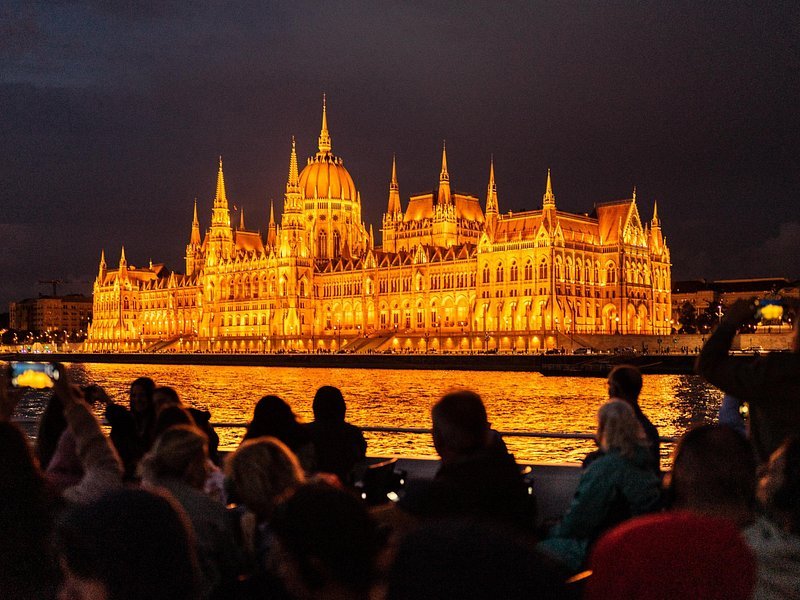
Hungary travel guide TheCantMiss
🇭🇺 Things to Do in Hungary
View Guide →
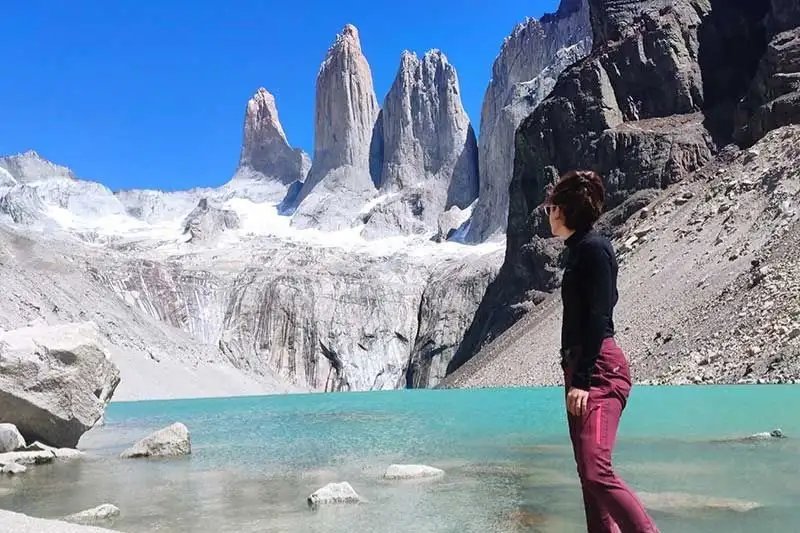
Chile travel guide
🇨🇱 Chile
Romania travel guide
🇷🇴 Romania
South Korea travel guide
🇰🇷 South Korea
Nepal travel guide
🇳🇵 Nepal
Jordan travel guide
🇯🇴 Jordan
Czech Republic travel guide
🇨🇿 Czech Republic
Ecuador travel guide
🇪🇨 Ecuador