Victoria Harbour Symphony of Lights yacht cruise Hong Kong skyline lasers
🌏 Asia · East Asia
🇭🇰

Best Things to Do in Hong Kong

The world's most dramatic harbour skyline, volcanic sea kayaking, a mountain Buddha above the clouds, Michelin street food, and dim sum in a room that hasn't changed since 1933.

Hong Kong is one of the world's most concentrated experiences — a city of 7 million people compressed onto a rocky harbour between steep green mountains and the South China Sea, with more Michelin-starred restaurants per capita than almost anywhere on Earth, an outdoor wilderness that most visitors never discover, and a skyline that is genuinely the most dramatic ever assembled. These six experiences show you both the city and the nature — the spectacular and the intimate — in one of Asia's most rewarding destinations.

1

Victoria Harbour Symphony of Lights — from a Yacht

🌆 Cultural · Easy · Year-Round
Victoria Harbour Symphony of Lights yacht cruise Hong Kong night lasers skyline

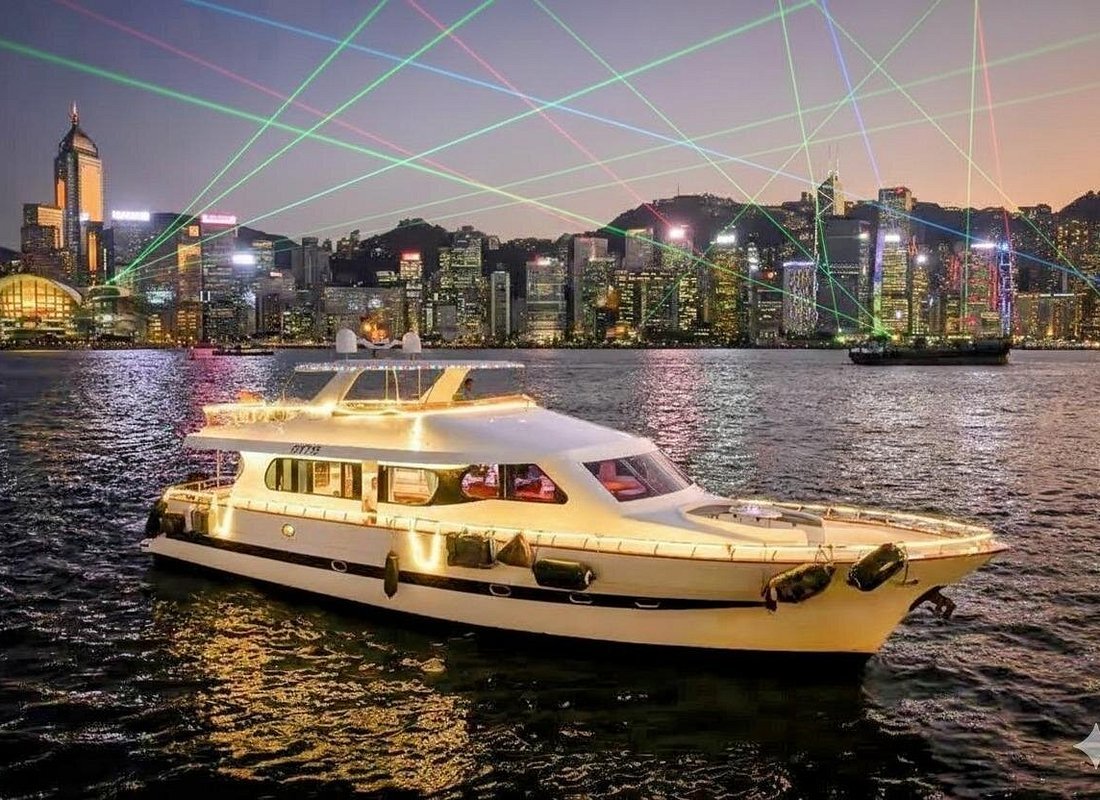
The Symphony of Lights is the world's largest permanent light and sound show — 44 buildings on both sides of Victoria Harbour synchronising LED displays, searchlights, and laser beams every night at 8pm in a 13-minute performance that transforms the already extraordinary Hong Kong skyline into something that feels genuinely impossible. From the Tsim Sha Tsui promenade it is spectacular. From the deck of a private yacht on the harbour itself, surrounded on all sides by the illuminated towers with lasers firing overhead, it is one of the great urban spectacles on Earth.

A harbour yacht cruise positions you directly in the centre of the show — the skyscrapers of Central, Admiralty, and Wan Chai on the Hong Kong Island side and the Kowloon skyline behind you, with the Peak glowing above the ridge in the background. The combination of the still dark water, the city's reflections, the laser beams cutting through the humid evening air, and the scale of the buildings surrounding you produces an atmosphere that no other city in the world can replicate. It is the definitive Hong Kong experience.

Free Alternative

The Symphony of Lights is completely free to watch from the Tsim Sha Tsui waterfront promenade in Kowloon — arrive by 7:30pm for a good spot along the railing. The Tsim Sha Tsui Clock Tower area and the Avenue of Stars give the best unobstructed views. But if you can book a yacht cruise, the experience from the water is incomparably better.
Show Time
8pm nightly
Duration
13 minutes (show) + cruise
Buildings
44 participating
Free View
Tsim Sha Tsui promenade
Season
Year-round
Difficulty
Easy
📋 Planning Tips
Book the yacht cruise in advance — popular operators sell out weeks ahead, particularly for weekend departures. Most cruises depart from Tsim Sha Tsui or Central Pier and include drinks. Arrive at the pier 15 minutes early. If you're watching from the promenade (free), the best spots fill up by 7:45pm. The show runs in clear weather and is sometimes cancelled during typhoons.
⭐ Why It's Worth It
Being on a boat in the middle of Victoria Harbour as the Symphony of Lights fires up around you — lasers crossing overhead, every skyscraper illuminated in coordinated colour, the water reflecting the whole scene below you — is one of those experiences that makes you feel genuinely small in the best possible way. Hong Kong is already the world's most dramatic skyline. Seeing it perform from the water at night is the version of this city you carry with you forever.
Victoria Harbour Symphony of Lights yacht cruise Viator Hong Kong
Symphony of Lights Yacht Cruise — Victoria Harbour
Watch the world's largest light show from a private yacht on Victoria Harbour — surrounded by Hong Kong's illuminated skyline on all sides.
Book on Viator →

2

Ngong Ping 360 Cable Car & Big Buddha

🚡 Cultural · Easy · Year-Round
Ngong Ping 360 cable car Big Buddha Lantau Island Hong Kong

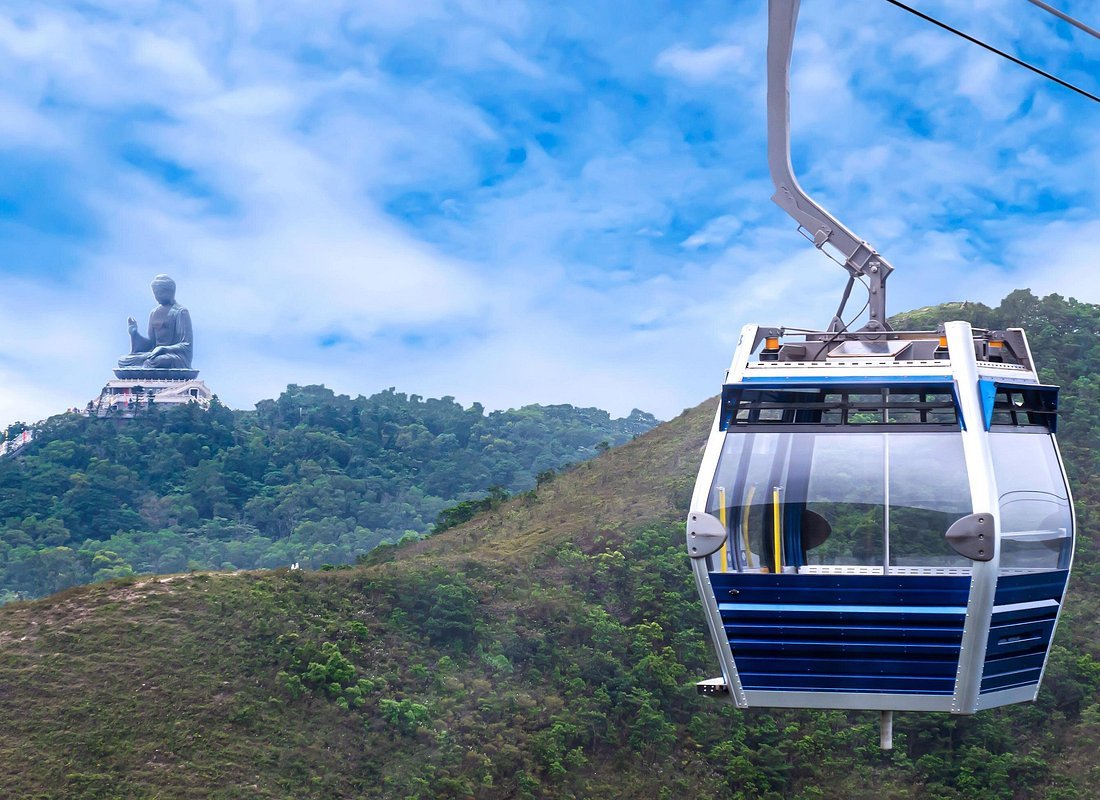
The Ngong Ping 360 cable car carries you 5.7 kilometres over the mountains and coastline of Lantau Island in gondolas that offer unobstructed views across the South China Sea and Hong Kong's outer islands — a 25-minute journey that ends at the Ngong Ping plateau, 500 metres above sea level, home to the Tian Tan Big Buddha. At 34 metres tall, seated on a lotus throne at the summit of Ngong Po Peak, the Big Buddha is the world's largest seated outdoor bronze Buddha and one of the most impressive religious monuments in Asia.

The Crystal Cabin option (glass floor panels in the gondola floor) is highly recommended — looking down through the glass at the mountains and sea far below provides one of the most unusual aerial perspectives in Hong Kong. The Ngong Ping village at the top has the Po Lin Monastery (free to visit, with a remarkable main hall and the famous vegetarian lunch at very reasonable prices) and walking trails into the surrounding mountains. The 268 steps to the Buddha's base platform reveal the full scale of the statue gradually as you climb.

Getting There

The Ngong Ping cable car departs from Tung Chung — easily reached by MTR from Central (Tung Chung Line, about 25 minutes). Book tickets in advance online, particularly for weekends and public holidays when queues for walk-up tickets can be extremely long. The round trip cable car journey with Crystal Cabin costs around HK$310 per adult.
Cable Car Length
5.7km
Buddha Height
34m (bronze, seated)
Altitude
500m above sea level
From Central MTR
~25 min to Tung Chung
Round Trip Cost
~HK$310 (Crystal Cabin)
Difficulty
Easy
📋 Planning Tips
Book tickets in advance through Viator or the official Ngong Ping website — walk-up queues on weekends can be 2+ hours. The Crystal Cabin (glass floor) is worth the premium. Visit on a weekday morning for the least crowds. The Po Lin Monastery vegetarian lunch (served 11:30am–4:30pm) is an excellent and very affordable meal. Allow a full day — the plateau and surrounding hiking trails reward time spent exploring.
⭐ Why It's Worth It
The Ngong Ping cable car with the glass floor is one of those experiences where you spend the first few minutes trying not to look down and the next twenty minutes unable to look anywhere else. Gliding over Lantau's green mountains and then emerging above the clouds to see the Big Buddha appear on the hillside ahead of you is genuinely spectacular — and the statue up close, with the South China Sea visible on the horizon, is one of the most impressive sights in Hong Kong.
Ngong Ping 360 cable car Big Buddha Viator Hong Kong
Ngong Ping 360 Cable Car — Big Buddha, Lantau Island
Glide over Lantau's mountains on a glass-floor cable car to the world's largest seated outdoor bronze Buddha — 34 metres above the Ngong Ping plateau.
Book on Viator →

3

Sai Kung Sea Kayaking

🚣 Water · Easy · Year-Round
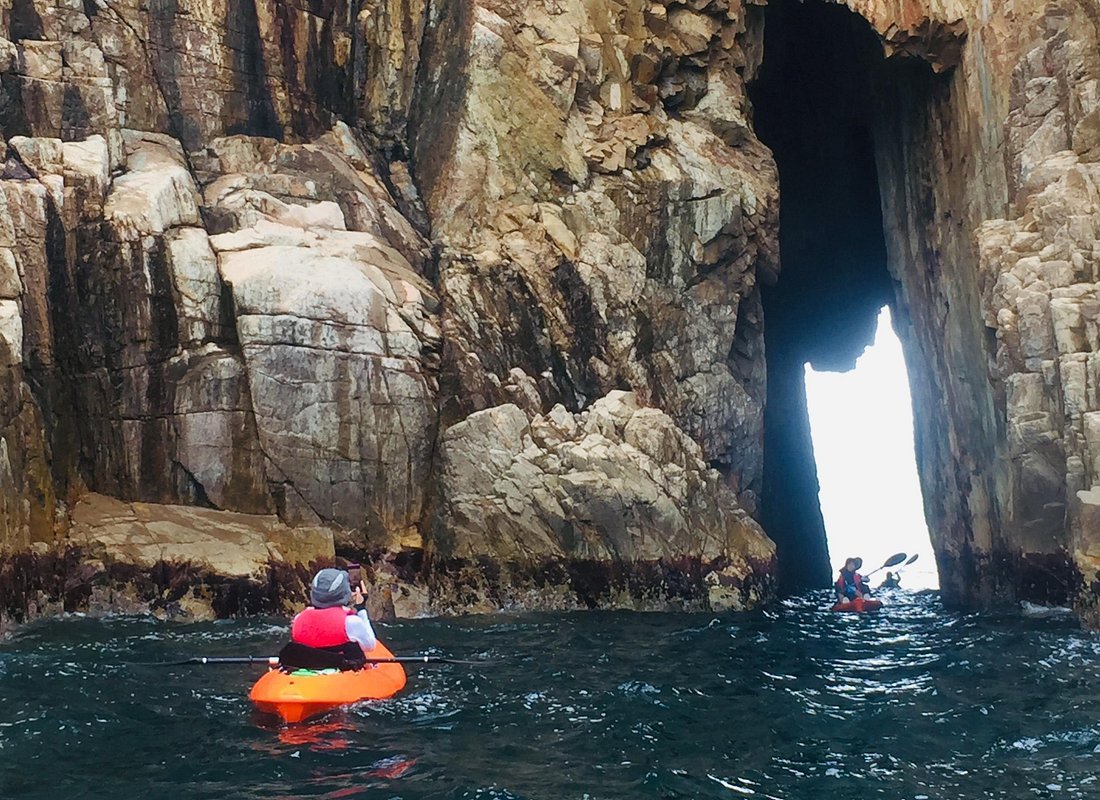
Sea kayaking Sai Kung Archipelago Hong Kong sea arch volcanic rock

The Sai Kung Archipelago in the eastern New Territories is Hong Kong's best-kept secret — a chain of volcanic islands, hidden coves, deserted beaches, and dramatic rock formations that most visitors (and many residents) never discover. From the water by kayak, the geology becomes extraordinary: the hexagonal volcanic columns of the High Island Reservoir, formed 140 million years ago when lava cooled in regular patterns, create cliff faces of perfect geometric stone. Sea arches, collapsed caverns, and narrow passages between island rock faces open up as you paddle deeper into the archipelago.

The waters of Sai Kung are clean and calm — protected from the open South China Sea by the outer islands, they make for relaxed paddling even for beginners. The coastline is part of the Hong Kong UNESCO Global Geopark, with rock formations that rival anything in Iceland or the Scottish coast for dramatic interest. A guided kayak tour from Sai Kung town covers the best geological features and the most scenic passages between islands in half a day.

Getting to Sai Kung

Sai Kung town is about 45 minutes from Kowloon by bus or taxi. The MTR to Diamond Hill followed by the 92 bus is the most convenient public transport option. Most kayak tour operators pick up from Sai Kung town pier. The town itself has excellent seafood restaurants — lunch at a waterfront seafood restaurant before or after kayaking is highly recommended.
Geology
140M yr old volcanic columns
UNESCO Status
Global Geopark
From Kowloon
~45 min by bus
Season
Year-round (Oct–Apr best)
Experience
None required
Difficulty
Easy
📋 Planning Tips
Book a guided tour rather than renting independently — the guides know the geological highlights, the best sea arches and passages, and the safe routes through the archipelago. Morning tours have calmer water and better light for photography. Bring reef-safe sunscreen, a hat, and a dry bag for your phone. October to April is the most comfortable season; June to September is hot and humid but the water is warm and typhoon days are easily checked in advance.
⭐ Why It's Worth It
Sai Kung is the Hong Kong that most visitors never find — and it is extraordinary. Paddling through a sea arch in the Geopark with 140-million-year-old hexagonal columns rising above you, completely alone except for your guide, while Hong Kong's 7 million people go about their business 45 minutes away — this is the version of the city that surprises people most deeply. It is one of the finest sea kayaking landscapes in Asia.
Sai Kung sea kayaking Archipelago Viator Hong Kong
Sai Kung Sea Kayaking — UNESCO Geopark
Paddle through sea arches and volcanic hexagonal columns in Hong Kong's hidden archipelago — the city's most surprising outdoor experience.
Book on Viator →

4

Dragon's Back Ridge Hike

🥾 Hiking · Easy · Year-Round
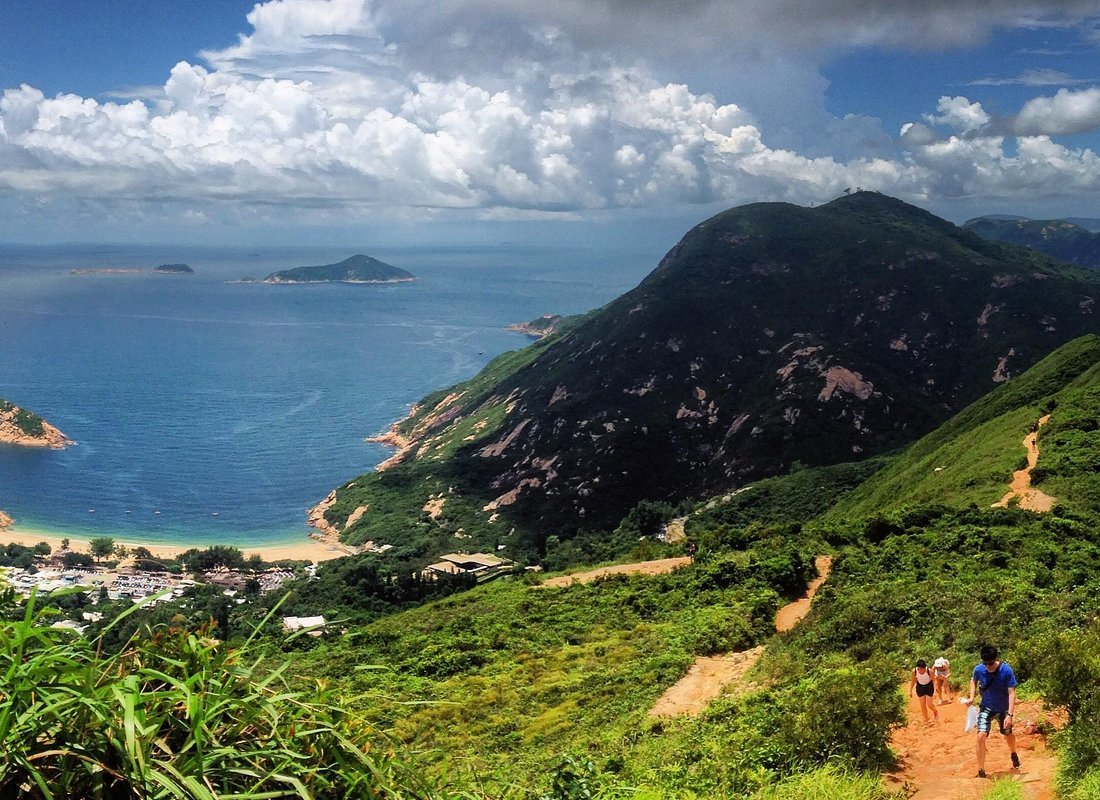
Dragon's Back ridge hike Hong Kong South China Sea views islands bay

Dragon's Back is consistently rated Hong Kong's best urban hike — a 8.5km trail along the spine of a ridge on Hong Kong Island's southeastern edge that delivers 360-degree views of the South China Sea, the Sai Kung islands, the beaches of Big Wave Bay and Shek O, and (on clear days) the distant mountains of the New Territories. The ridge itself earns its name: seen from the bay below, its profile resembles a dragon's spine, undulating between two peaks above the coastline.

What makes Dragon's Back exceptional is the combination of accessibility and wildness. The trailhead is reachable by bus from Shau Kei Wan MTR in 20 minutes — and yet within 45 minutes of leaving the bus stop you are on a high ridgeline with nothing but ocean and sky visible in three directions. The trail descends to Shek O beach, one of Hong Kong's finest, where you can swim in the South China Sea and take the bus back to the city. The whole circuit takes 3–4 hours and rewards everyone who does it.

Trail Details

The standard route starts at To Tei Wan (bus stop: To Tei Wan, Route 9 from Shau Kei Wan MTR). Follow the signs for Dragon's Back Trail (Section 8 of the Hong Kong Trail). The ridge section is mostly open with minimal shade — bring sun protection and water. Descend to Shek O and take the 9 bus back to Shau Kei Wan. The trail is well-marked throughout.
Distance
8.5km
Duration
3–4 hours
From MTR
20 min by bus from Shau Kei Wan
Best Time
Oct–Apr (cooler, clearer)
Ends At
Shek O beach
Difficulty
Easy–Moderate
📋 Planning Tips
Start early — the ridge is exposed and gets very hot in summer from mid-morning. Bring at least 1.5 litres of water per person. Wear proper walking shoes. The trail is free and no booking is required. October to April offers the best visibility and most comfortable temperatures. After descending to Shek O beach, the beach itself is excellent for swimming and there are good seafood restaurants in Shek O village just above the beach.
⭐ Why It's Worth It
Dragon's Back earns its reputation completely. Standing on the ridgeline with the South China Sea spreading below you in every direction, islands visible to the horizon, and the bay at Shek O 400 metres below — 20 minutes by bus from the MTR — is one of those experiences that makes Hong Kong feel completely different from the dense urban city you arrived in. It is genuinely world-class hiking and it is completely free.
Dragon's Back ridge hike Viator Hong Kong guided tour
Dragon's Back Ridge Hike
Hong Kong's finest urban hike — a ridgeline trail with 360° South China Sea views, descending to Shek O beach. Free, spectacular, 20 minutes from the MTR.
Book Guided Tour →

5

Michelin Street Food Tour

🍜 Food & Drink · Easy · Year-Round
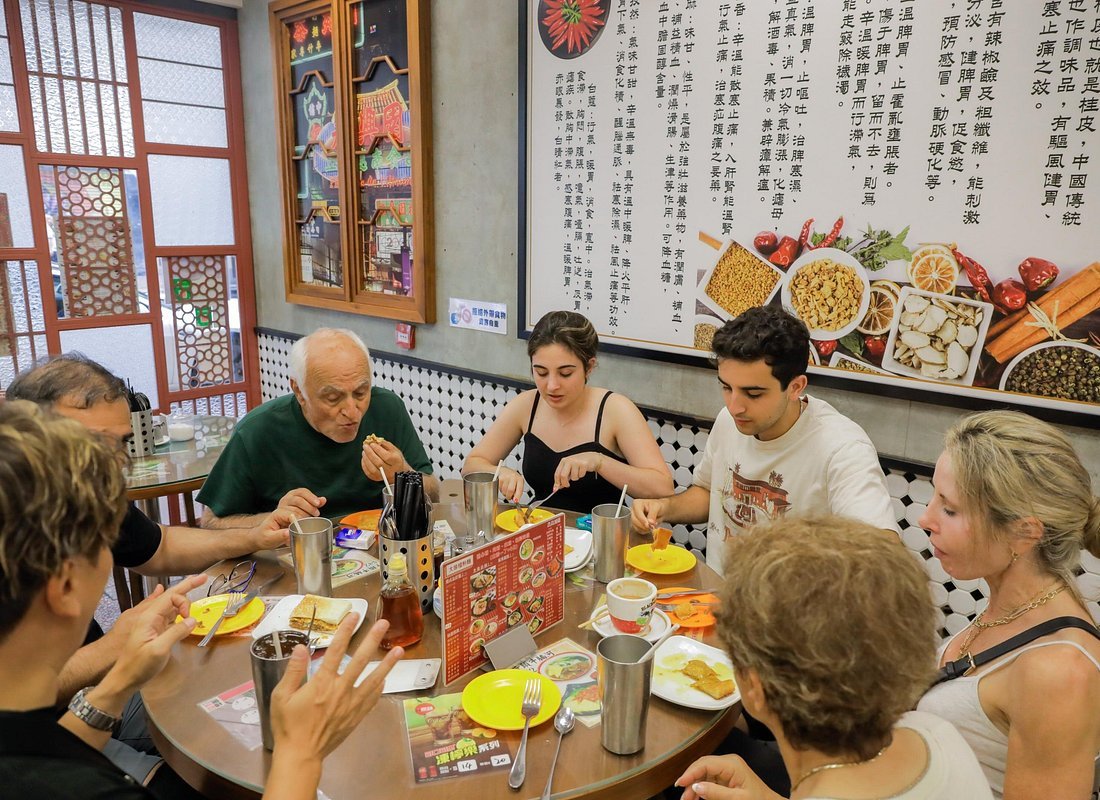
Michelin street food tour Hong Kong family group dining

Hong Kong has more Michelin-starred restaurants per capita than almost any city on Earth — but the most interesting food is not in the starred restaurants. The dai pai dong (open-air cooked food stalls) and cha chaan tengs (Hong Kong-style cafés) serve food that is extraordinary by any measure at prices that seem impossible for a city of this wealth. A bowl of wonton noodles from a Temple Street stall, a plate of beef brisket from a Sham Shui Po dai pai dong, a roast goose from a Sai Ying Pun roast shop — these are the Michelin experiences that don't have stars but should.

A guided street food tour connects you with the vendors and the history behind each dish. Hong Kong's food culture is a product of Cantonese tradition, colonial history, Shanghainese immigration, and Southeast Asian influence — layers that are visible in the food if you know what to look for. The tour covers the wet markets, the temple street night market stalls, the legendary roast meat shops, and the dessert halls serving mango pudding, egg tarts, and tofu pudding that have made Hong Kong a food city of global significance.

The Must-Try Dishes

Wonton noodle soup, roast goose (particularly from Yat Lok or Kam's Roast Goose), egg tarts (both the Portuguese and Hong Kong styles), pineapple bun with butter (bo luo bao), milk tea (Hong Kong-style with evaporated milk), and char siu (BBQ pork) — all available from street stalls and cha chaan tengs for under HK$50 each.
Must Try
Wonton noodles, roast goose
Best Areas
Sham Shui Po, Temple Street
Tour Duration
3–4 hours
Season
Year-round
Avg Dish Cost
HK$20–60
Difficulty
Easy
📋 Planning Tips
Go hungry — a proper tour visits 8–10 stops. Evening tours are most atmospheric when the dai pai dongs and Temple Street night market are at full activity. Sham Shui Po is the best neighbourhood for authentic, non-touristy food — the local knowledge of a good guide is invaluable here. Bring cash; most small stalls don't accept cards.
⭐ Why It's Worth It
Hong Kong street food is the version of Cantonese cuisine that restaurants abroad have never quite replicated — the wonton noodles with their thin translucent skins and bouncy shrimp filling, the roast goose with its lacquered skin crackling at the bone, the egg tarts still warm from the oven. A good food tour guide takes you to the stalls that locals queue at and explains why each one is different. It is one of the best ways to understand a city that can otherwise feel impenetrable.
Michelin street food tour Hong Kong Viator
Michelin Street Food Tour — Hong Kong
Wonton noodles, roast goose, egg tarts, and milk tea through Hong Kong's dai pai dongs, wet markets, and cha chaan tengs with a local guide.
Book on Viator →

6

Dim Sum at Luk Yu Tea House

🫖 Cultural · Easy · Year-Round
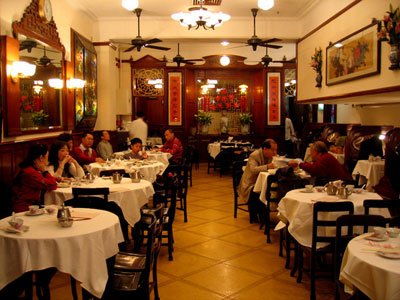
Luk Yu Tea House dim sum Hong Kong 1933 interior dark wood ceiling fans

Luk Yu Tea House in Central has been serving dim sum since 1933 — and the interior, with its dark wood booths, stained glass panels, marble tabletops, ceiling fans, and framed calligraphy, looks almost exactly as it did when it opened. Hong Kong has modernised more rapidly than almost any city on Earth, and places like Luk Yu have become extraordinarily rare — genuine survivors of pre-war Cantonese teahouse culture in a city that tears down and rebuilds its history with startling frequency.

Dim sum here is yum cha in its proper form: a social ritual built around tea, conversation, and a procession of bamboo steamer baskets. The har gow (shrimp dumplings) arrive translucent and tightly pleated; the siu mai (pork and prawn dumplings) are perfectly formed; the char siu bao (BBQ pork buns) emerge steaming. The service is characteristically brusque in the Cantonese tradition — curt, efficient, and completely authentic. The experience is a window into a Hong Kong that is genuinely disappearing.

Visiting Luk Yu

Luk Yu Tea House is at 24-26 Stanley Street, Central — a short walk from Central MTR. It opens at 7am and is busiest from 7:30–10am when the teahouse fills with Hong Kong's older generation reading newspapers over clay teapots. Weekend mornings require reservations in advance; weekday mornings are easier to walk in. Dress neatly — the teahouse maintains standards. Budget around HK$150–200 per person for a full breakfast dim sum.

Founded
1933
Opens
7am daily
Location
24-26 Stanley St, Central
From MTR
5 min walk from Central
Budget
~HK$150–200/person
Difficulty
Easy
📋 Planning Tips
Arrive before 8am on weekdays to walk in without a reservation — by 8:30am the teahouse is full. For weekends, call ahead or book through the restaurant directly. Order the house teas (pu-erh or chrysanthemum) and take your time — dim sum is not fast food. The staff will not rush you. Point at other tables if you see something you want; the menu has limited English but the staff are used to tourists. No mobile phones at the table is the unwritten rule.
⭐ Why It's Worth It
Sitting in a Luk Yu booth at 7:30am with a pot of pu-erh tea and bamboo steamers arriving one after another, surrounded by Hong Kong people who have been eating breakfast here since before the city was returned to China — is one of those rare travel experiences where you feel genuinely inside a culture rather than observing it from the outside. The dim sum is excellent. The room is extraordinary. The sense of time suspended is irreplaceable.
Luk Yu Tea House dim sum Hong Kong 1933
Dim Sum at Luk Yu Tea House — Central, Hong Kong
A 1933 teahouse that hasn't changed — dark wood booths, ceiling fans, bamboo steamers of har gow and siu mai, and the real Hong Kong morning ritual.
Visit Website →

🗓 Best Time to Visit Hong Kong

Hong Kong has four distinct seasons with a wide range of travel conditions across the year.
🍂 Autumn (Oct–Dec) — Best Season Clear skies, low humidity, pleasant temperatures 18–25°C. The best time for hiking (Dragon's Back, Sai Kung) and outdoor activities. October and November are the most reliably beautiful months. The harbour light show is at its most atmospheric on clear cool evenings.
❄️ Winter (Jan–Mar) — Excellent Cool and mostly dry, occasionally foggy. Temperatures can drop to 10°C in January. Excellent for outdoor activities without the heat. Chinese New Year (Jan or Feb) fills the city with energy, fireworks over Victoria Harbour, and festival atmosphere throughout.
🌸 Spring (Apr–May) — Good Warming up, increasingly humid and hazy. Cherry blossoms in the parks. Still good for hiking in April before the heat builds. May can be very humid. The harbour and city experiences are year-round and unaffected by season.
☀️ Summer (Jun–Sep) — Challenging Hot (32°C+), very humid, and typhoon season. Outdoor hiking is uncomfortable from June to September. Typhoons (May–November peak) can disrupt activities. The harbour cruise and indoor food experiences are fine year-round. Check the Hong Kong Observatory typhoon signals before outdoor activities.

Frequently Asked Questions — Hong Kong Travel

What is the best way to see the Victoria Harbour light show?
The Symphony of Lights runs every night at 8pm and is free from the Tsim Sha Tsui promenade. The best experience is from a private yacht cruise on the harbour — you are surrounded by the illuminated skyline as the lasers fire overhead. Yacht cruises depart from Tsim Sha Tsui or Central Pier and typically run 1–2 hours including the show.
Is the Ngong Ping cable car worth it?
Yes — the 5.7km cable car over Lantau Island's mountains and sea is genuinely spectacular, and the Big Buddha at the top is one of the most impressive monuments in Asia. Book the Crystal Cabin (glass floor) option. Book tickets in advance to avoid long queues, particularly on weekends.
Is Dragon's Back a difficult hike?
Easy to moderate — the 8.5km trail is well-maintained and clearly marked. Most fit adults complete it in 3–4 hours. Start early to avoid heat (especially May–September). Bring water and sun protection. The trail ends at Shek O beach where you can swim before the bus back.
When is the best time to visit Hong Kong?
October to December is the best time — clear skies, low humidity, and pleasant temperatures. January to March is cooler but excellent. June to September is typhoon season with high heat and humidity; outdoor activities are less comfortable but the city experiences (harbour cruise, food, dim sum) are fine year-round.
Where is the best dim sum in Hong Kong?
Luk Yu Tea House in Central (open since 1933) is the most historically significant — dark wood, stained glass, and Cantonese service unchanged in 90 years. Opens at 7am. For a more chaotic and local experience, Lin Heung Tea House in Sheung Wan is the last trolley-service dim sum restaurant in Hong Kong. Both are genuine Hong Kong institutions.
Do I need a visa for Hong Kong?
Citizens of most Western countries (US, UK, EU, Australia, Canada and many others) can enter Hong Kong visa-free for 90 days. Hong Kong operates a separate immigration system from mainland China — a Chinese visa does not cover Hong Kong. Check current requirements before travelling.

🇭🇰 Practical Tips for Hong Kong

Hong Kong uses the Hong Kong Dollar (HKD). The MTR is one of the world's best metro systems — efficient, air-conditioned, and covers the whole city. Get an Octopus Card (rechargeable transit card) for seamless travel on MTR, buses, and trams. English is widely spoken. The city is extremely safe. Cantonese is the dominant language; Mandarin is also spoken but Cantonese is the local tongue. Tipping is not required but appreciated (10% in restaurants). Tap water is safe to drink. The electrical system is 220V with UK-style three-pin plugs. Hong Kong is incredibly compact — Central, Kowloon, and most major attractions are within 20–40 minutes of each other by MTR. The Peak Tram and the Star Ferry across Victoria Harbour are both classic Hong Kong experiences worth doing regardless of whether they're on your activity list.
More Destinations to Explore
Singapore travel guide TheCantMiss
🇸🇬 Things to Do in Singapore
View Guide →
China travel guide
🇨🇳 China
South Korea travel guide
🇰🇷 South Korea
Malaysia travel guide
🇲🇾 Malaysia
Philippines travel guide
🇵🇭 Philippines
Japan travel guide
🇯🇵 Japan
Nepal travel guide
🇳🇵 Nepal
Vietnam travel guide
🇻🇳 Vietnam