Early morning alms-giving ceremony Luang Prabang saffron monks Laos
🌏 Asia · Southeast Asia
🇱🇦

Best Things to Do in Laos

Saffron monks at dawn, turquoise waterfalls, karst kayaking, Mekong sunsets, and hill tribe cooking over an open fire — the most serene country in Southeast Asia.

Laos is the country Southeast Asia travellers go to when they want the region to slow down. Landlocked and largely forested, it moves at its own pace — monks in saffron filing through pre-dawn streets, rivers winding between limestone cliffs, villages where the loudest sound at night is the river. Luang Prabang, the ancient royal capital, was declared a UNESCO World Heritage city in 1995 and remains one of the best-preserved historic towns in Asia: a peninsula of French colonial shophouses and gilded temple rooftops where the Mekong and Nam Khan rivers meet. Beyond the city, northern Laos offers some of the most dramatic karst landscapes on the continent, and a food and cultural scene that rewards those who look beyond the obvious.

1

Early Morning Alms-Giving, Luang Prabang

🙏 Cultural · Easy · Year-round
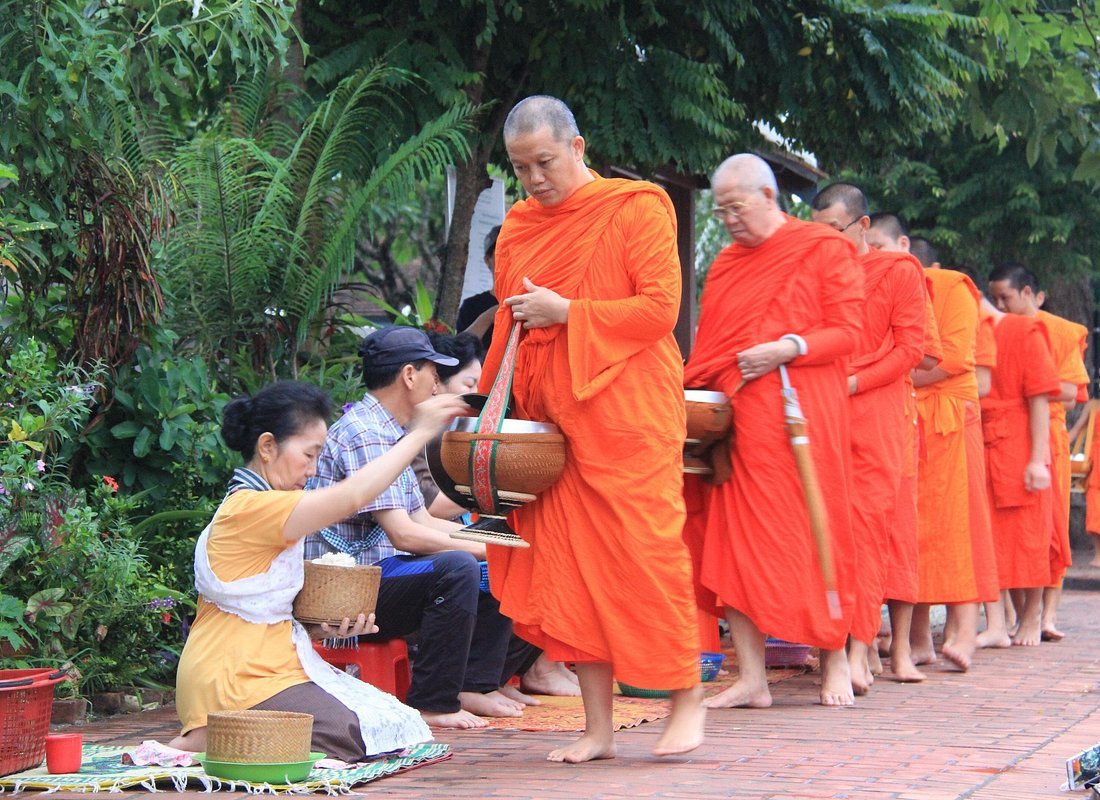
Early morning alms-giving ceremony saffron monks Luang Prabang Laos

Every morning at first light, before the rest of the world has woken up, hundreds of saffron-robed monks walk in silence through the streets of Luang Prabang. They move in single file, barefoot, lacquered bowls cradled in their arms, while local residents and villagers kneel at the roadside to place sticky rice and small offerings inside. The ceremony — known as tak bat — has taken place every day for centuries without interruption. It is one of the most quietly powerful things you can witness anywhere in Asia.

What makes tak bat exceptional is that it is not a performance. These are working monks collecting their daily sustenance from the community, fulfilling a reciprocal spiritual contract that has structured life in this part of the world since Theravada Buddhism arrived here in the 14th century. The monks range in age from elderly abbots to children as young as eight, novices sent to the monastery by village families who cannot afford schooling elsewhere. The procession stretches for hundreds of metres through the old town, each temple sending its own column of monks in sequence.

Watching Respectfully

Dress modestly — covered shoulders and knees. Arrive before 6am and position yourself quietly along Sakkaline Road near the Royal Palace Museum, where the procession is densest and most photographic. Remain seated or crouching, always lower than the monks. Avoid flash photography and loud conversation. If you wish to give alms, buy sticky rice from a local vendor rather than the tourist touts who sell inferior rice in plastic bags — the monks and their communities can tell the difference.
Time
~5:30–6:30am daily
Best Location
Sakkaline Road, Luang Prabang
Season
Year-round
Cost
Free to observe
Duration
~1 hour + wet market
Difficulty
Easy
📋 Planning Tips
The guided tour combines the alms-giving ceremony with a visit to Luang Prabang's morning wet market immediately after — the market visit adds enormous context, showing where the monks' non-rice offerings come from and how the local food economy works. Go on a weekday if possible; weekends attract more tour groups. The coolest and clearest mornings are November through February.
⭐ Emily's Take
I've seen a lot of religious ceremonies around the world, and tak bat is one of the few that genuinely stops you in your tracks. There's something about the silence — no drums, no chanting, just the sound of bare feet on stone and the clinking of lacquer bowls — that makes it feel more intimate than any spectacle. Set your alarm. You won't regret it.
Early morning alms-giving and wet market tour Luang Prabang Viator
Early Morning Alms-Giving & Wet Market Tour
Witness the dawn tak bat procession and explore the morning wet market with a local guide — the most atmospheric start to any day in Luang Prabang.
Book on Viator →

2

Nam Ou River Kayaking

🛶 Water · Moderate · Nov–Apr
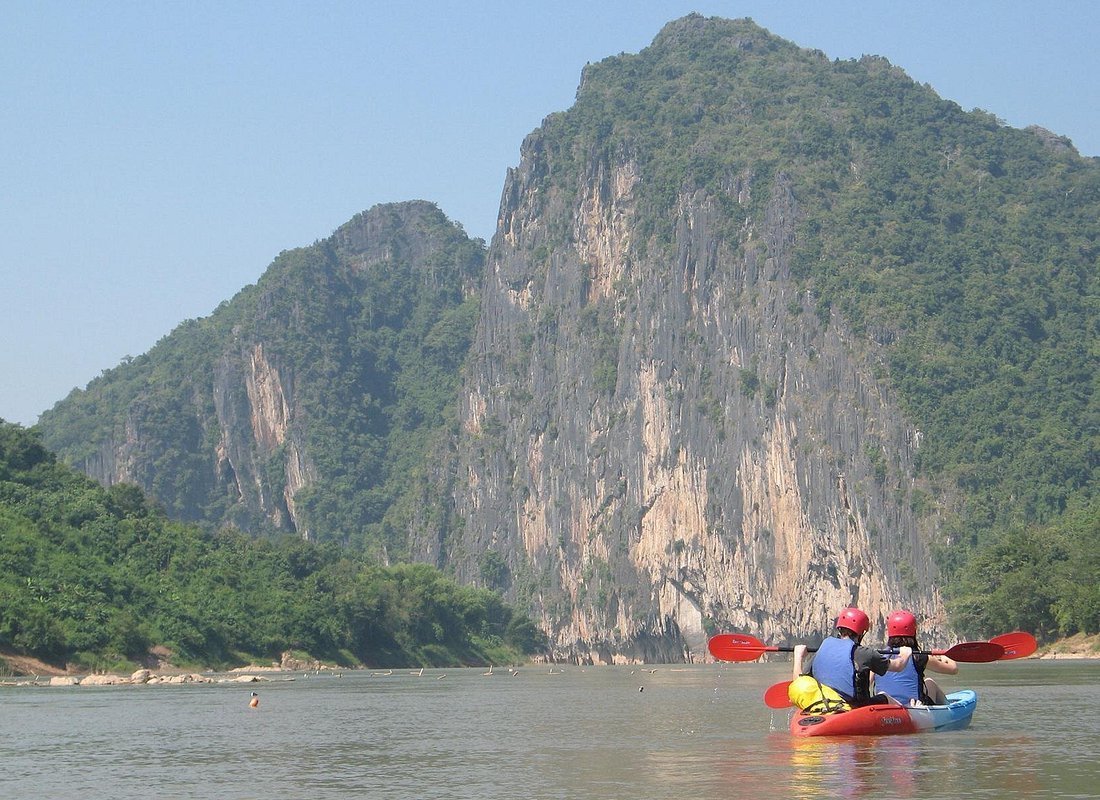
Nam Ou River kayaking karst cliffs northern Laos

The Nam Ou River cuts through the karst heartland of northern Laos for over 400km, winding between limestone cliffs that rise vertically from the water's edge, past villages that have no road access, through gorges where the rock face glows orange in the late afternoon light. A multi-day kayaking expedition on the Nam Ou is one of the finest river journeys in Southeast Asia — a combination of physical adventure, extraordinary scenery, and genuine cultural immersion that is almost impossible to replicate on more-visited waterways.

Most expeditions start from Nong Khiaw or Hat Sa and paddle south toward Luang Prabang over two to four days, staying each night in riverside guesthouses or village homestays. The river is generally calm — Grade I to II — and suitable for paddlers with no prior kayaking experience. The real reward is being on the water at the pace of the current, watching the limestone walls slide past, hearing nothing but the paddles and the birds, and arriving at small settlements where children run to the bank to wave at the boats.

Nong Khiaw as a Base

Nong Khiaw, a small town straddling the Nam Ou about 150km north of Luang Prabang, has developed a low-key tourism infrastructure that makes it an excellent base for kayaking, trekking, and climbing. The view from the Pha Tok caves above the town — the valley floor 300m below, the river a silver ribbon between the cliffs — is one of the best vantage points in Laos. Buses connect Nong Khiaw to Luang Prabang in about 4 hours.
Start Point
Nong Khiaw or Hat Sa
Duration
2–4 days
Best Season
November–April
River Grade
I–II (beginner friendly)
From Luang Prabang
~4 hours by bus
Difficulty
Moderate
📋 Planning Tips
Book through a Luang Prabang-based operator rather than trying to arrange independently — they handle transport, accommodation, and guides, and the logistics between villages are genuinely complex. The dry season (November–April) offers the clearest water and most stable paddling conditions. Bring reef shoes for rocky river banks, sun protection, and a dry bag for camera gear. The river is too high and fast during peak monsoon (July–September) for safe kayaking.
⭐ Emily's Take
The Nam Ou is the kind of trip where you stop taking photos because you just want to look. The cliffs are genuinely enormous — you paddle past them feeling very small in a way that's completely addictive. The overnight stays in riverside villages add a dimension that a day trip simply can't replicate. If you're in northern Laos and physically able, do the multi-day version.
Nam Ou River kayaking northern Laos tour Viator
Nam Ou River Kayaking — Northern Laos
Multi-day kayak expedition through the karst gorges of northern Laos — towering limestone cliffs, remote villages, and one of Southeast Asia's finest river journeys.
Book on Viator →

3

Mekong Sunset Cruise

🛥 Water · Easy · Year-round
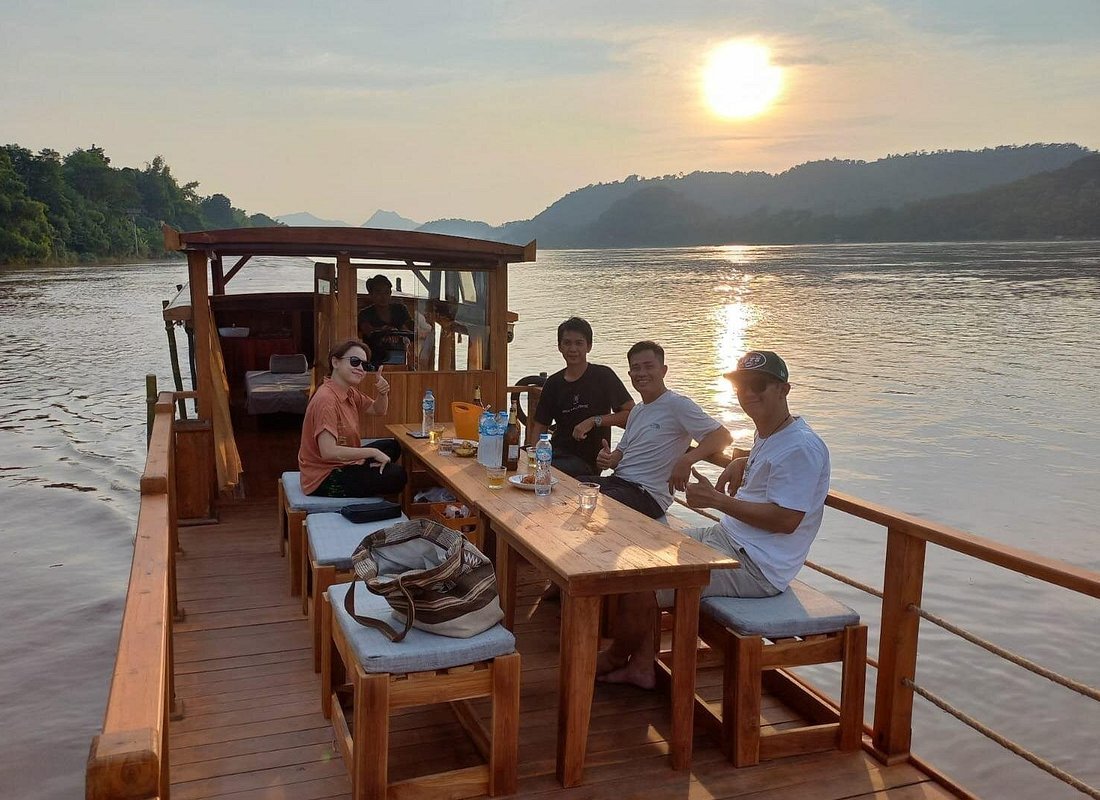
Mekong River sunset cruise wooden boat Luang Prabang Laos hot pot dinner

The Mekong River defines Luang Prabang in a way that few rivers define their cities. It forms the northern boundary of the UNESCO heritage zone, its wide brown current separating the old town from the forested hills of the opposite bank. Every evening, as the sun drops behind those hills, the river turns the colour of burnished copper — and the best place to watch it is from the deck of a traditional wooden boat drifting downstream with a cold Beerlao in hand.

The sunset cruise from Luang Prabang combines the spectacle of the Mekong at golden hour with a hot pot dinner eaten on board as the boat glides past the riverbank temples and colonial-era shophouses of the old town. It's a deceptively simple experience — an hour or two on the water, good food, good company — but it captures something essential about why Luang Prabang works as a place: the scale is human, the pace is unhurried, and the scenery does the rest.

The Mekong at Luang Prabang

At Luang Prabang the Mekong is wide, calm, and navigable year-round, fed by the Nam Khan tributary that enters just east of the old town peninsula. The river is at its most photogenic from October through February when the water level drops and sandy banks appear on the far shore. The Pak Ou Caves — two sacred cave temples crammed with thousands of Buddha images — sit about 25km upstream and are easily combined with a morning boat trip before the sunset cruise in the afternoon.
Departure
Late afternoon daily
Duration
~2 hours
Season
Year-round
Includes
Hot pot dinner on board
Best Light
Oct–Feb (lower water)
Difficulty
Easy
📋 Planning Tips
Book a day ahead during peak season (December–January) as the boats have limited capacity and fill quickly. Bring a light layer for the return journey after sunset — the river gets cool once the sun drops. The hot pot dinner is included in the tour price. Sit on the upper deck if available for the best views and photography angles.
⭐ Emily's Take
This is the kind of evening that makes you understand why people come to Luang Prabang and stay for weeks longer than they planned. The Mekong at sunset is genuinely beautiful — the light, the pace, the sound of the water against the hull. The hot pot on board is a bonus. Book it for your first or second night so it sets the tone for the rest of your time in Laos.
Luang Prabang Mekong sunset cruise hot pot dinner Viator
Mekong Sunset Cruise & Hot Pot Dinner, Luang Prabang
Drift down the Mekong on a traditional wooden boat as the sun sets over the hills — cold Beerlao on deck and a hot pot dinner on board.
Book on Viator →

4

Kuang Si Waterfalls

💧 Water · Easy · Year-round
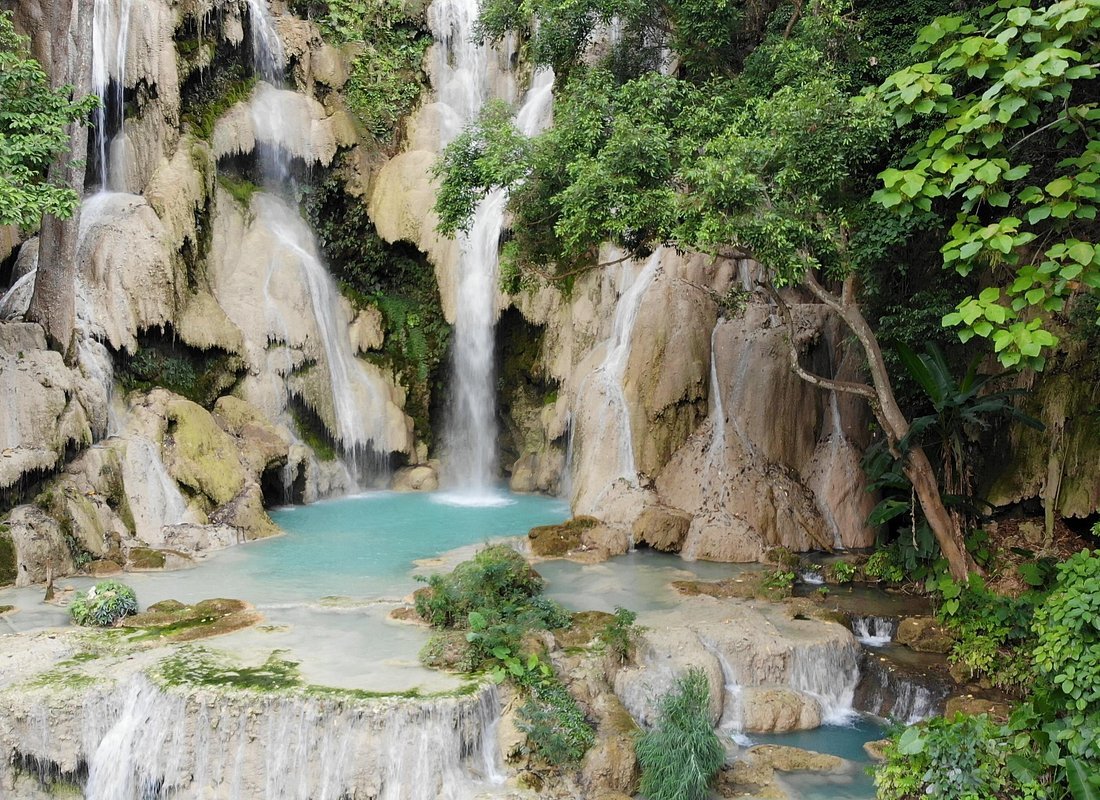
Kuang Si Falls turquoise tiered pools Luang Prabang Laos

Kuang Si Falls, 29km southwest of Luang Prabang, is the most beautiful waterfall in Southeast Asia. The water descends in three main tiers through dense jungle, pooling in a series of broad, shallow basins whose colour — a luminous, impossible turquoise — is caused by calcium carbonate dissolved from the limestone bedrock upstream. The effect is unlike any other waterfall in the region: the pools glow from within, catching the light differently at every hour of the day.

The lowest and most accessible pools are wide enough for swimming and shallow enough to wade — there are changing facilities and the water is cool and clear. A forest trail winds up through the jungle to the upper tiers, where the falls become more dramatic and the crowds thin out. At the very top, a smaller pool sits in almost complete silence under the forest canopy. The site also includes a moon bear rescue centre at the entrance, where bears confiscated from illegal traders are rehabilitated — worth spending twenty minutes there before heading to the falls.

Pak Ou Caves Combination

The most popular full-day tour from Luang Prabang combines Kuang Si with the Pak Ou Caves — two sacred cave temples set into a limestone cliff above the Mekong about 25km upstream from the city. The lower cave (Tham Ting) is accessible without a torch and contains thousands of Buddha images left by pilgrims over centuries; the upper cave (Tham Phum) requires a torch and a short climb. The combination of the caves in the morning and the falls in the afternoon makes for one of the best day trips in all of Laos.
Distance from LP
~29km southwest
Travel Time
45–60 min by tuk-tuk
Opening Hours
8am–5:30pm daily
Entry Fee
20,000 kip (~$1)
Best For Swimming
Nov–May (dry season)
Difficulty
Easy
📋 Planning Tips
Arrive before 9am or after 2pm to avoid the peak tour group hours. Bring a swimsuit and a towel — the pools are too good not to swim in. The full-day tour that combines Pak Ou Caves, a traditional village visit, and Kuang Si Falls is excellent value and handles all logistics. Wear shoes with grip for the trail to the upper tiers, which can be slippery after rain.
⭐ Emily's Take
Photos genuinely do not capture how blue these pools are — there's a saturation to the colour that looks almost digital in real life. The upper tiers with no one around, just the sound of the water and the forest, are the real prize. Go early, bring a swimsuit, and allow a full half-day minimum. This is one of those places that makes you glad you came to Laos.
Kuang Si Waterfalls Pak Ou Caves full-day tour Luang Prabang Viator
Full-Day Pak Ou Caves & Kuang Si Waterfalls Tour
Combine the sacred Pak Ou cave temples with a swim in Kuang Si's turquoise tiered pools — Luang Prabang's essential full-day excursion.
Book on Viator →

5

Rice Farming Experience, Living Land

🌾 Cultural · Easy · Jun–Nov
Rice farming experience Living Land Luang Prabang Laos paddy field

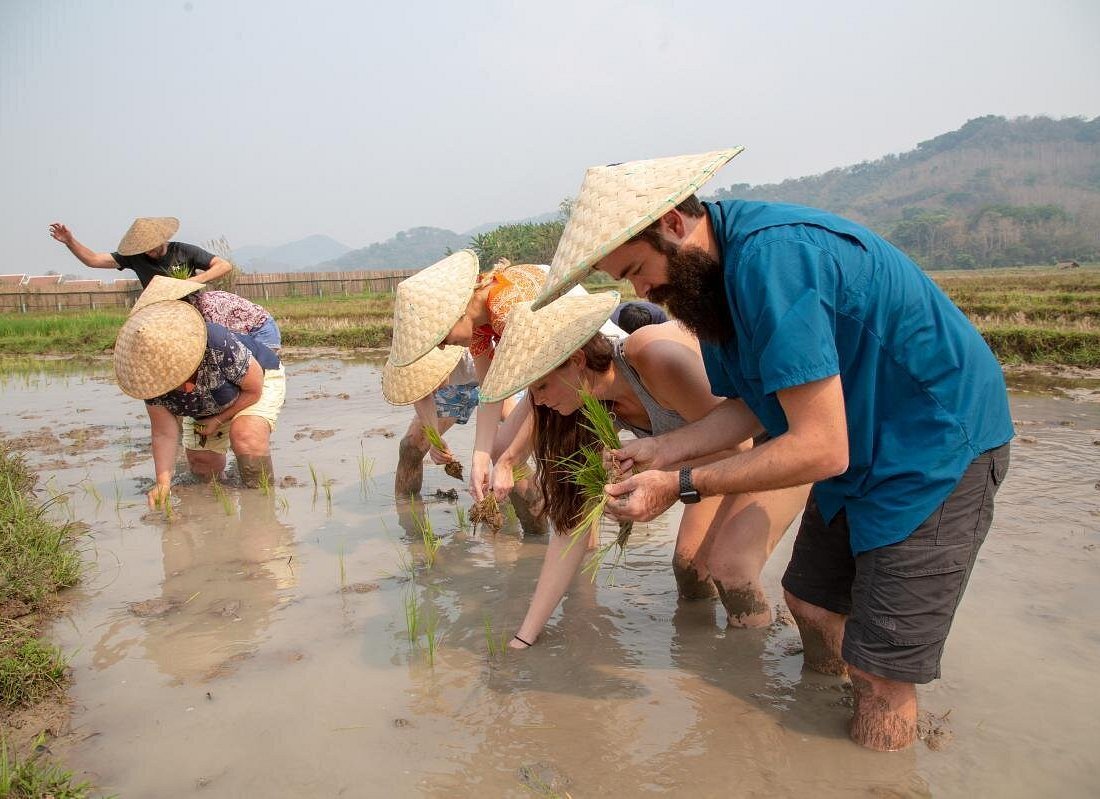
Rice is not just a staple in Laos — it is the centre of the culture, the calendar, and the spiritual life of the country. The Lao word for rice (khao) also means food. Sticky rice (khao niao) is eaten at every meal, rolled into balls by hand and used to scoop up sauces and vegetables. The Living Land Farm, a working rice farm about 3km from central Luang Prabang, offers a half-day experience that takes visitors through the entire cycle of Lao rice cultivation from seed to plate.

The experience begins with ploughing the paddy field — traditionally done with a water buffalo, still used here — before guests wade knee-deep into the mud to transplant rice seedlings by hand in the traditional method, working alongside local farmers. The programme continues through threshing, winnowing, husking, and milling, ending with a tasting of freshly milled sticky rice prepared in the traditional way. It is hands-on, genuinely educational, and completely unsentimental — this is a working farm, and the farmers' livelihoods depend on the harvest.

When to Go

The rice transplanting season in northern Laos runs from June through August, which is also the early monsoon — the fields are bright green and the landscape is at its most lush. The harvest season (October–November) is equally beautiful, with golden paddies stretching to the treeline. The Living Land Farm runs sessions year-round, adapting the programme to whichever stage of the agricultural cycle is active during your visit.
Duration
Half day (~3 hours)
Location
~3km from Luang Prabang
Best Season
Jun–Nov (planting/harvest)
Includes
Rice tasting at end
What to Wear
Old clothes you can mud
Difficulty
Easy
📋 Planning Tips
Wear clothes you don't mind getting muddy — you will be wading into a paddy field. Flip-flops or old shoes are fine; bare feet are the authentic option. The farm is a short tuk-tuk ride from Luang Prabang and can easily be combined with a morning visit to the nearby village weaving cooperatives. Book through Viator or directly with Living Land to confirm session times for your visit date.
⭐ Emily's Take
I've done a lot of cultural experiences that feel curated for tourists, and this is not one of them. The farmers are doing what they actually do, and they let you do it alongside them — badly, at first, then with a rhythm that starts to make sense. Getting mud up to your knees in a paddy field while someone who has been doing this since childhood patiently shows you the correct grip is one of those travel experiences that recalibrates your sense of what work actually is.
Living Land rice farming experience Luang Prabang half-day tour Viator
Half-Day Living Land Rice Farming Experience
Wade into a paddy field and plant rice by hand alongside local farmers — a full cycle from ploughing to tasting at a working Luang Prabang farm.
Book on Viator →

6

Tribal Forest Cooking Class

🍳 Food · Easy · Year-round
Tribal forest cooking class bamboo fire Ban Xiang Noua Luang Prabang Laos

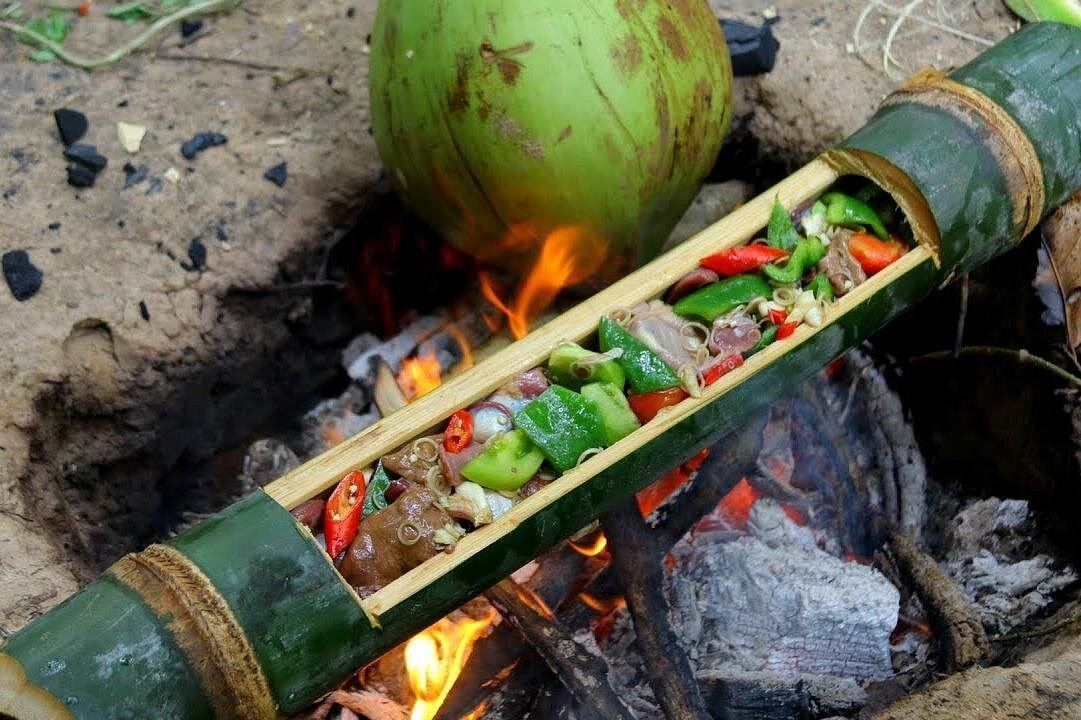
In the village of Ban Xiang Noua, a short drive from Luang Prabang, a hill tribe family takes small groups into the forest to cook the way their community has cooked for generations — meat and vegetables packed into split green bamboo tubes with chilies, lemongrass, and herbs gathered on the way, then laid directly over an open fire in a pit dug in the forest floor. The bamboo seals in the steam and infuses the food with a clean, faintly smoky flavour that no pan or oven can replicate. Coconuts are cracked open for the cooking liquid. Everything is eaten in the jungle, where you cooked it.

The experience is genuinely private and genuinely wild — this is not a cooking school classroom with chopping boards and matching aprons. It is a family sharing a technique that belongs to their culture, in the environment where that culture developed. The forest itself is part of the dish: the particular bamboo species, the specific herbs found at this altitude, the method of fire management that determines whether the food is ready. It is one of the most immersive food experiences available anywhere in Laos.

Lao Hill Tribe Food Culture

The hill tribe communities of northern Laos — including the Hmong, Khmu, and Akha peoples who live in the mountains above the Mekong valley — have food traditions that are almost entirely separate from the lowland Lao cuisine visitors encounter in Luang Prabang restaurants. Forest ingredients, bamboo cooking vessels, and fire-based techniques are central to their cooking. The bamboo tube method (mok) is used across multiple ethnic groups for fish, pork, and mixed vegetables, each group adding its own particular combination of aromatics.

Location
Ban Xiang Noua village
Duration
Half day (~3–4 hours)
Format
Private, small group
Setting
Forest fire pit
Season
Year-round
Difficulty
Easy
📋 Planning Tips
This is a private tour — book in advance to confirm availability and your group size. Wear clothes suitable for sitting on the forest floor and being around a fire. Bring insect repellent. The experience includes a forest walk to gather herbs before the cooking begins, so flat shoes or trainers are better than sandals. The tour is bookable through Viator and runs year-round, though the dry season (November–April) offers the most comfortable forest conditions.
⭐ Emily's Take
This is the kind of thing that stays with you long after the food is eaten. There's something about cooking over a real fire in a real forest with people for whom this is not a demonstration but an inheritance — it changes the way you think about what a recipe actually is. The bamboo-cooked meat tastes extraordinary. The coconut cracked open on a forest root and drunk warm while the fire burns down is one of those travel moments that's impossible to fully explain to anyone who wasn't there.
Private tribal forest cooking class Ban Xiang Noua Luang Prabang Viator
Private Tribal Forest Cooking Class — Ban Xiang Noua
Cook over an open fire with a hill tribe family in the forests above Luang Prabang — bamboo-tube cooking, forest herbs, and the most immersive food experience in Laos.
Book on Viator →

🗓 Best Time to Visit Laos

Laos has two main seasons — dry and wet — and the difference between them is significant for travel comfort and accessibility.
❄️ Nov–Feb — Peak Season (Best) Cool, dry, and clear. Temperatures in Luang Prabang reach 25–28°C by day and drop to 15°C at night. The best light for photography, the most comfortable conditions for outdoor activities, and the busiest tourist period. Book accommodation well ahead in December–January.
🌸 Mar–May — Hot & Dry Temperatures climb to 35–38°C by April, with smoke haze from agricultural burning in March–April reducing visibility in the mountains. The Lao New Year (Pi Mai) in mid-April is a spectacular celebration but brings enormous crowds. Not ideal for outdoor activity but manageable.
☀️ Jun–Aug — Early Monsoon Rain arrives from June, bringing lush green landscapes and full waterfalls. Kuang Si is at its most spectacular. Rice planting season begins — the best time for the Living Land experience. Roads to remote areas become difficult. Temperatures moderate to 28–32°C.
🍂 Sept–Oct — Late Monsoon The wettest months, but also some of the most beautiful — the Mekong is high and powerful, the countryside is intensely green, and the rice harvest begins in October. The Boun Awk Phansa boat racing festival in October is one of Laos's most atmospheric events.

Frequently Asked Questions — Laos Travel

What is the alms-giving ceremony in Luang Prabang?
The tak bat is a daily dawn procession in which hundreds of monks walk in silence through Luang Prabang's streets while residents offer sticky rice. It has taken place every day for centuries and is a living spiritual practice, not a tourist event. Arrive by 5:30am, dress modestly, stay quiet and seated lower than the monks, and avoid flash photography.
How far are Kuang Si Falls from Luang Prabang?
About 29km southwest — 45–60 minutes by tuk-tuk or minibus. Entry is 20,000 kip (~$1). Open 8am–5:30pm daily. Most visitors combine it with the Pak Ou Caves on a full-day tour. Arrive before 9am to beat the tour groups.
What is the best time to visit Laos?
November to February is the sweet spot — cool, dry, and clear. March to May is hot and smoky but manageable. The monsoon (June–October) brings lush scenery and full waterfalls but makes some rural areas difficult to access. The Lao New Year (Pi Mai) in mid-April is worth experiencing if you can handle the heat and crowds.
Is Laos safe to travel?
Yes — Laos is one of Southeast Asia's safest destinations for tourists. Violent crime against visitors is extremely rare. The main cautions are road safety (take care on motorbikes), UXO in rural areas away from marked paths (particularly in Xieng Khouang Province), and food and water safety. Drink bottled water throughout.
Do you need a visa for Laos?
Most nationalities can get a 30-day visa on arrival at Vientiane and Luang Prabang airports for approximately $35–40 USD. Bring a passport photo and the fee in USD or Thai baht. An e-visa is also available online in advance. ASEAN citizens and a handful of other nationalities can enter visa-free.
What is Nam Ou River kayaking like?
The Nam Ou flows through sheer karst gorges in northern Laos — one of the most dramatic river landscapes in Southeast Asia. Multi-day expeditions (2–4 days) run from Nong Khiaw south toward Luang Prabang. The river is Grade I–II and suitable for beginners. Nights are spent in riverside guesthouses or village homestays. Best in the dry season, November–April.

🇱🇦 Practical Tips for Laos

Laos uses the Lao kip (LAK); USD and Thai baht are widely accepted in Luang Prabang. ATMs are available in the city but rare in rural areas — carry cash when heading north. English is spoken at hotels and tour operators in Luang Prabang but less reliably elsewhere. Tuk-tuks are the standard local transport; negotiate the fare before getting in. The Lao–China high-speed railway, opened in 2021, runs from Vientiane to Boten on the Chinese border in under 4 hours — a remarkable journey through tunnel after tunnel of karst mountain. The slow boat from the Thai border at Huay Xai to Luang Prabang (2 days on the Mekong) is one of Southeast Asia's classic overland journeys. Electricity is 220V with European-style two-pin plugs. Tap water is not safe to drink anywhere in Laos. Buddhist temples are everywhere and always require covered shoulders and knees to enter — carry a scarf. Lao people are extraordinarily hospitable; a smile and a nop (hands pressed together in greeting) goes a long way in every situation.
More Destinations to Explore
Vietnam travel guide TheCantMiss
🇻🇳 Things to Do in Vietnam
View Guide →
Thailand travel guide
🇹🇭 Thailand
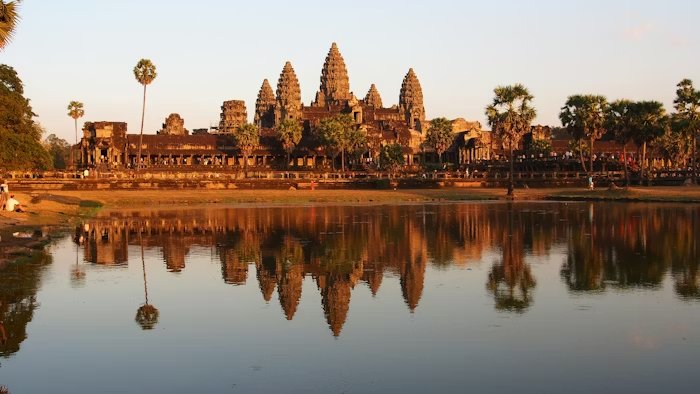
Cambodia travel guide
🇰🇭 Cambodia
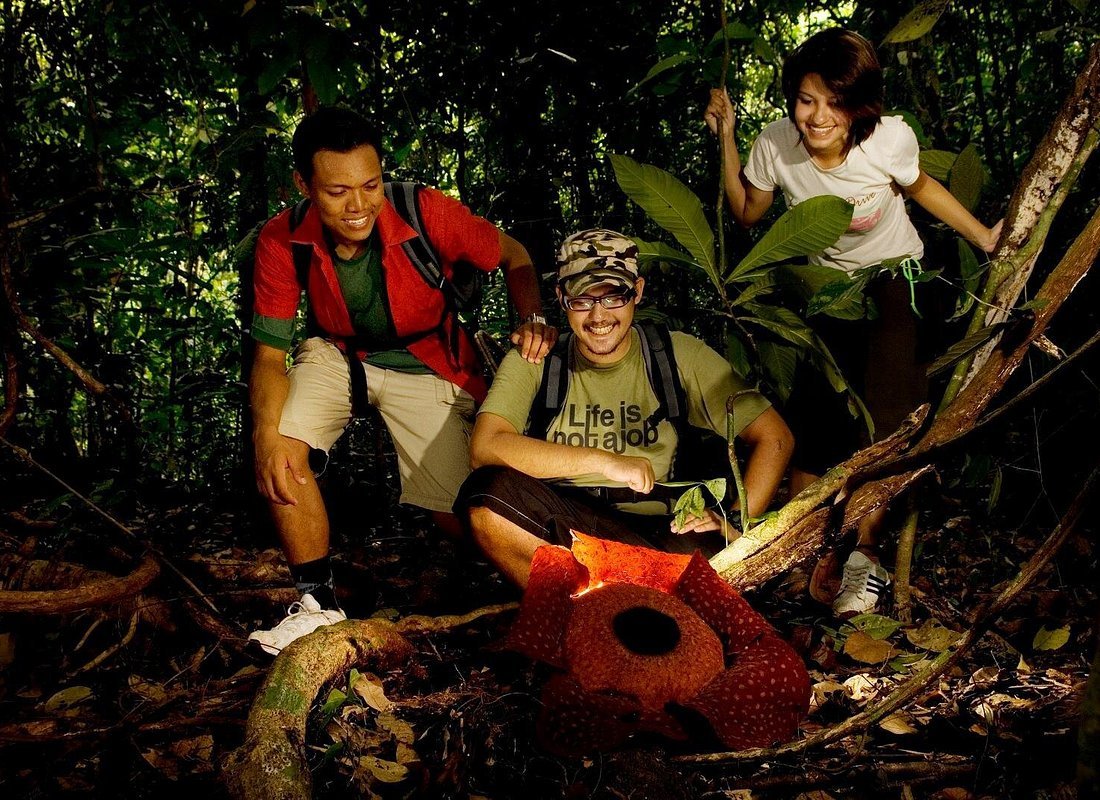
Malaysia travel guide
🇲🇾 Malaysia
Indonesia travel guide
🇮🇩 Indonesia
Philippines travel guide
🇵🇭 Philippines
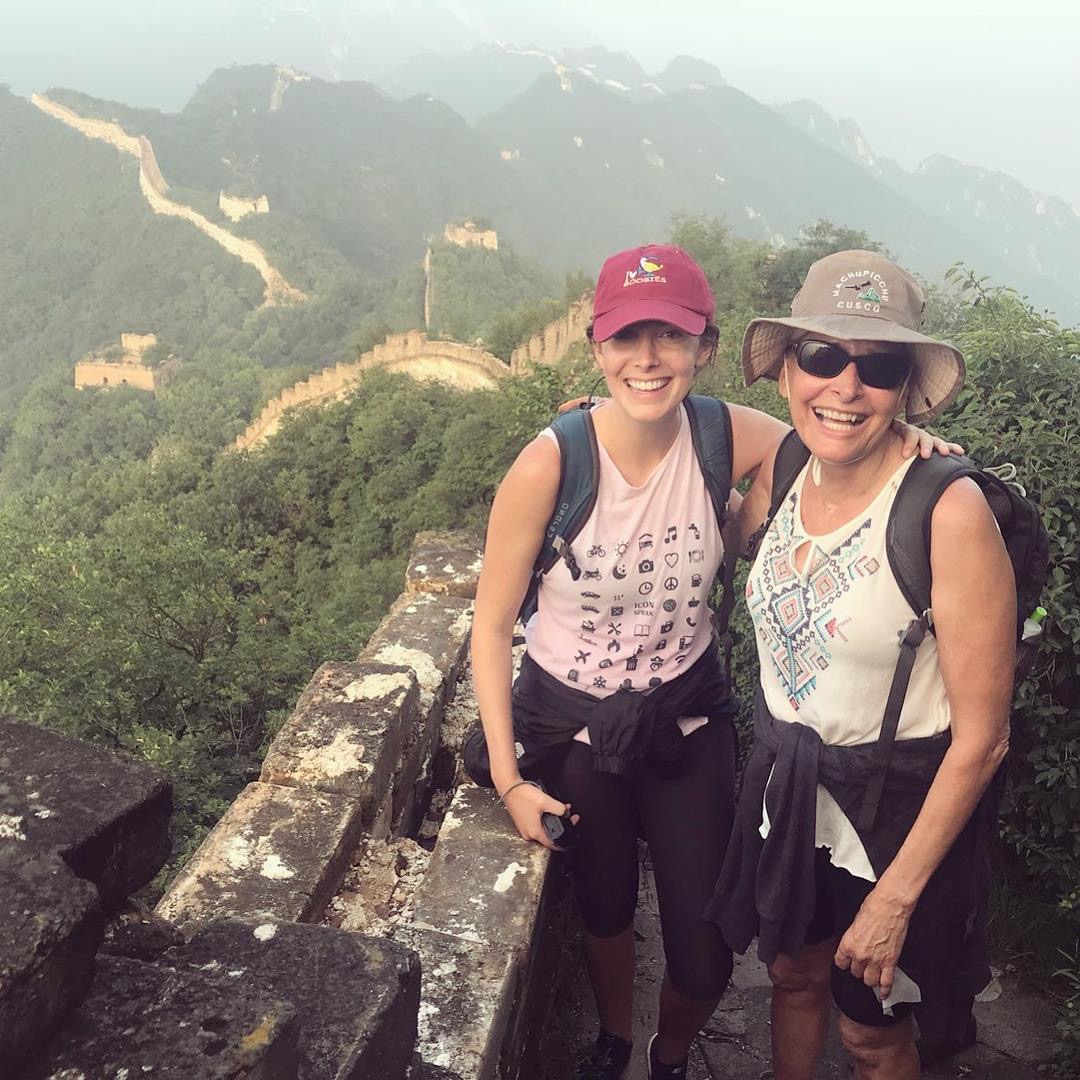
China travel guide
🇨🇳 China
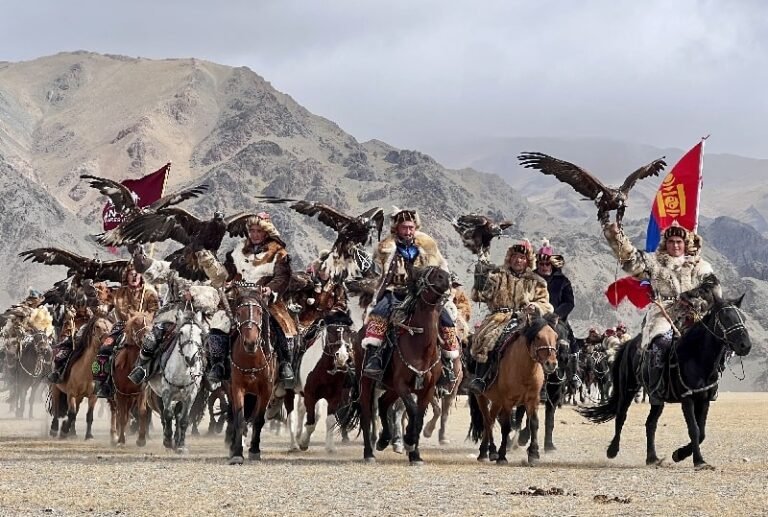
Mongolia travel guide
🇲🇳 Mongolia