🇮🇩 Indonesia · Complete Activity Guide
🇮🇩
Things to Do in Indonesia
Volcanoes, ancient temples, the world's most biodiverse reef, and wild orangutans in the last great rainforest
Indonesia is the world's largest archipelago — 17,000 islands spanning three time zones, containing the planet's most biodiverse marine ecosystem and some of its most extraordinary wildlife encounters. The best things to do in Indonesia range from tracking wild orangutans in Borneo's ancient rainforest to diving in Raja Ampat, where more marine species exist in a single reef system than anywhere else on Earth.
This guide covers the coolest and most unique things to do in Indonesia in 2026 — experiences that span Bali, Borneo, Lombok, Komodo, and Java, covering wildlife, volcanoes, ancient temples, and the finest diving in the world.
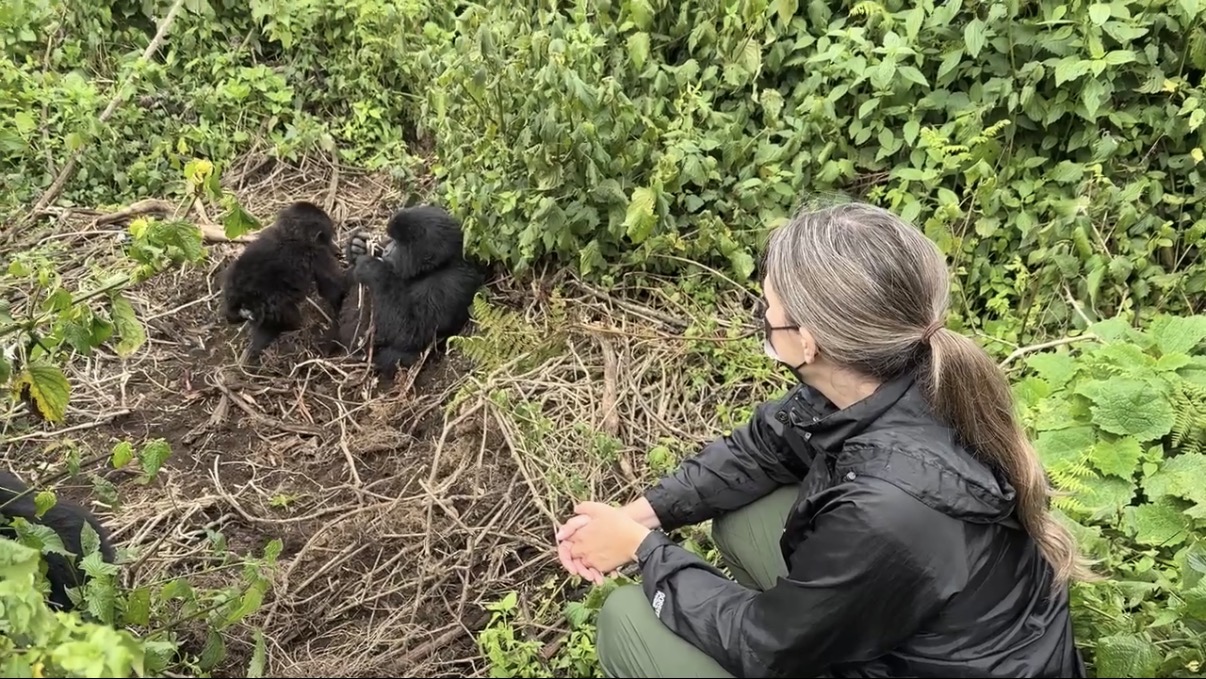
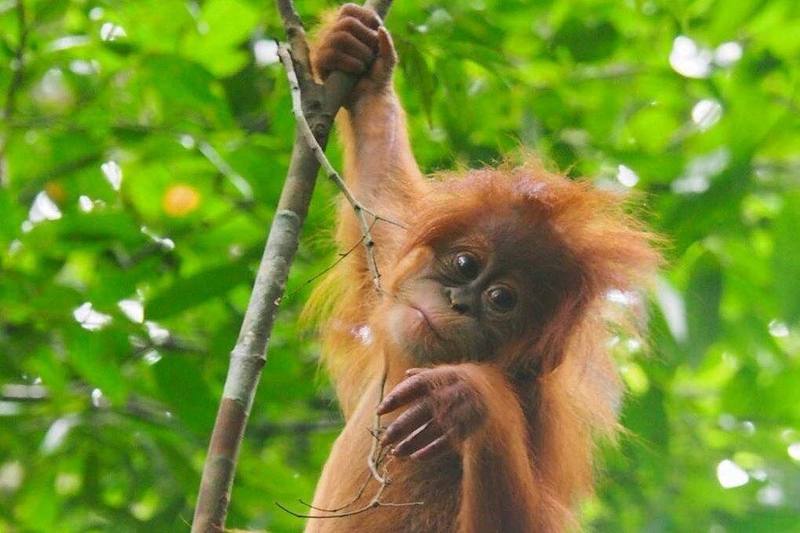
Borneo is one of the last places on Earth where you can encounter wild orangutans in their natural habitat — our closest primate relatives, sharing 97% of human DNA, living in a rainforest that is 130 million years old. The experience of watching a wild orangutan move through the canopy — the effortless arm-over-arm swing through the trees, the intelligence in the eyes when they pause to regard you, the mothers nursing infants in the high branches — is one of the most profoundly moving wildlife encounters available anywhere.
Bukit Lawang in North Sumatra's Gunung Leuser National Park is the most accessible entry point. A 2-3 day guided jungle trek takes you deep into the forest where semi-wild and fully wild orangutans range, along with Thomas's leaf monkeys, gibbons, and hornbills. The guides are former poachers turned conservation advocates who know the forest and its inhabitants intimately. Sleeping in the jungle overnight — listening to the gibbons call at dawn — is an experience that defines the trip.
The orangutan's survival is not guaranteed. Palm oil expansion has destroyed 80% of their historic range in the past 20 years. The income from responsible ecotourism is one of the primary financial incentives for rainforest conservation in the region. Choosing a licensed, conservation-positive operator is both an ethical and practical imperative.

Raja Ampat in West Papua is not the best diving in Indonesia — it is the best diving in the world. The Coral Triangle that encompasses Raja Ampat contains more species of marine life than anywhere else on the planet: over 1,500 fish species, 600 coral species, and marine megafauna ranging from whale sharks to pygmy seahorses in a single interconnected reef system covering 40,000 square kilometres. Scientists studying Raja Ampat regularly discover new species.
The diving is extraordinary at every level — Manta Sandy and Manta Ridge offer manta ray encounters on virtually every dive, the current-swept passages at Cape Kri deliver fish life in numbers that overwhelm the senses, and the macro diving in the muck around the islands produces species found nowhere else. The water temperature is 27-29°C year-round and visibility commonly exceeds 20 metres.
Raja Ampat is remote — fly via Sorong from Jakarta or Makassar, then take a speedboat to your resort. The remoteness keeps crowds low and the reef in extraordinary condition. Stay a minimum of 5 nights; most serious divers stay 10-14 days.

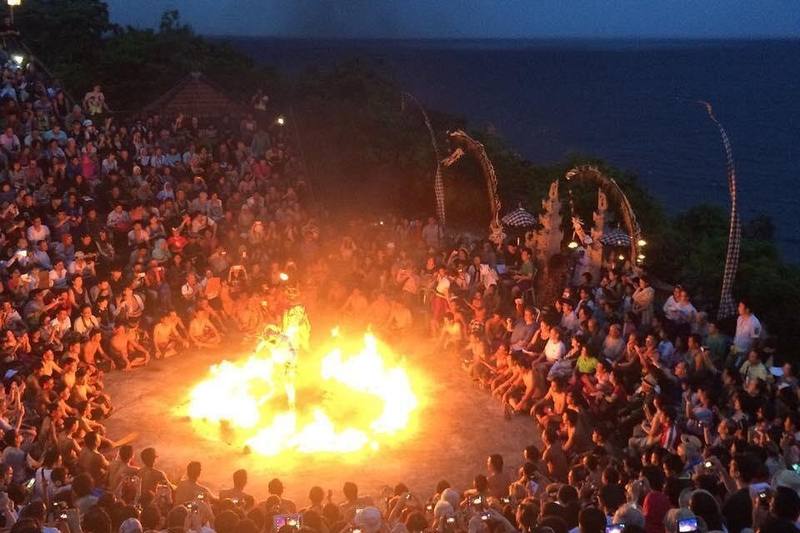
The Kecak fire dance at Uluwatu temple is one of the most spectacular cultural performances in Southeast Asia — and the setting elevates it into something genuinely extraordinary. Uluwatu temple sits on a cliff 70 metres above the Indian Ocean on Bali's Bukit Peninsula. Each evening at sunset, around 100 Balinese men gather in concentric circles on the clifftop and begin the hypnotic cak-cak-cak chant that gives the dance its name — a sound like a vast insect chorus that builds and ebbs as the performance progresses.
The performance enacts scenes from the Ramayana — the Hindu epic — with elaborate costumed characters and the chanting men providing both percussion and a kind of living orchestra. As the sun sets behind the temple and the Indian Ocean turns orange below, fire torches are lit and the final act plays out against a sky that shifts through every shade of gold and crimson. It is one of the most cinematically beautiful things I have seen anywhere.
Arrive 30 minutes before the performance starts (usually 6pm) to get a good seat on the clifftop terraces. Watch out for the temple monkeys — they will steal sunglasses, phones, and anything else not secured. The cliff walk around Uluwatu before the performance is beautiful and worth doing while the light is still good.
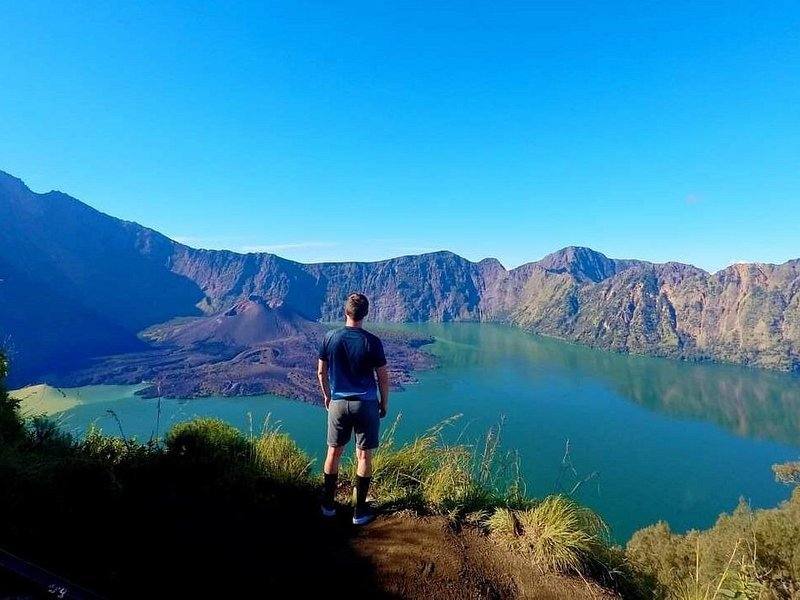
Mount Rinjani is Lombok's active volcano — at 3,726 metres, Indonesia's second-highest peak — and the 3-day summit trek is one of the most rewarding mountain experiences in Southeast Asia. The standard route from Sembalun on the east side climbs through grassland and savanna on day one to reach the crater rim at sunset, then descends 1,600 metres into the caldera to the turquoise crater lake and natural hot springs on day two, before the pre-dawn summit push on day three for one of the most spectacular sunrises in Asia.
The summit push on day three is the hardest section — starting at 2am to reach the top for sunrise, climbing steep loose volcanic scree in the dark with headlamps, the wind increasing as you gain altitude. The summit view at dawn — Lombok's coast below, Bali's volcanic peaks visible across the Lombok Strait, the caldera and crater lake 2,000 metres below — is worth every step of the previous three days.
The hot springs in the caldera are a highlight that most descriptions understate — natural geothermal pools of perfectly warm water beside the crater lake, completely surrounded by volcanic rock and jungle, after a day of hard hiking. There are few better moments in Indonesian travel.

Komodo dragons are the world's largest lizard — up to 3 metres long and 70kg, with serrated teeth, powerful claws, and a bite that delivers a cocktail of venom and bacteria that makes wounds invariably fatal if untreated. They have existed largely unchanged for millions of years and they are only found in Komodo National Park: on the islands of Komodo, Rinca, and Padar in the Indonesian archipelago between Lombok and Flores.
A guided trek on Komodo or Rinca island puts you within metres of wild Komodo dragons in their natural habitat — walking through the dry savanna scrub with a ranger guide carrying a forked stick (the traditional dragon deflector), watching the animals move with their distinctive slow swagger or lie motionless in the shade waiting for prey. Seeing an animal this large, this prehistoric, and this unhurried from 10 metres away in the open is genuinely thrilling.
Komodo National Park is best reached from Labuan Bajo on Flores, a 45-minute flight from Bali. The park also has exceptional snorkelling and diving — manta rays are commonly encountered at Manta Point, and the reefs around the islands are world-class. A 2-day liveaboard combining dragons and diving is the optimum format.