🇷🇼 Rwanda · Complete Activity Guide
🇷🇼
Things to Do in Rwanda
Gorillas, volcanoes, chimpanzees, and one of Africa's most extraordinary capitals
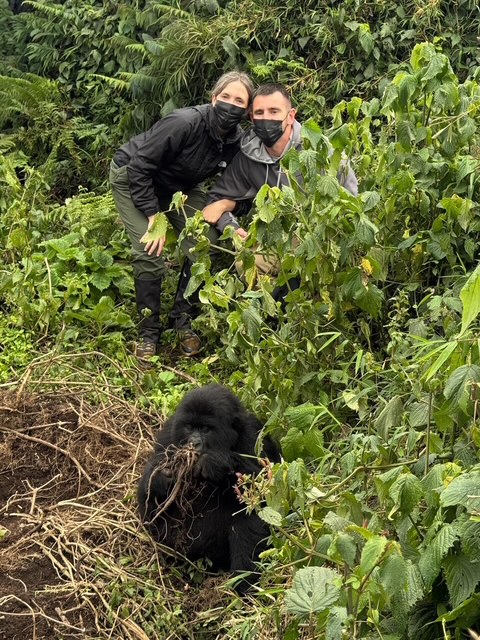
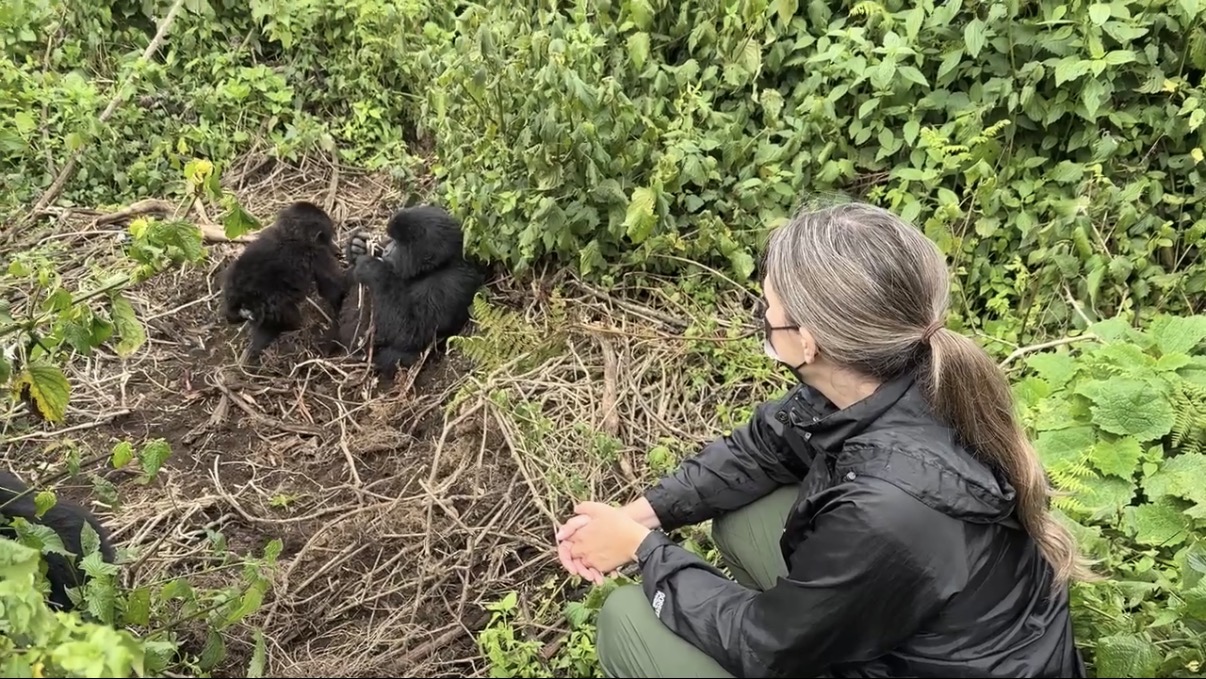
There are experiences that change how you see the world, and gorilla trekking in Rwanda's Volcanoes National Park is one of them. You spend the morning hiking through bamboo forest and thick volcanic undergrowth with a team of RDB trackers who have been monitoring the gorilla families since before dawn. Then, without warning, the vegetation parts — and there they are. A silverback, perhaps 200kg, sitting ten feet away regarding you with complete indifference while his family moves around him. A baby tumbles off its mother's back. A juvenile charges, veers off, and disappears back into the leaves. You have one hour. It goes very fast.
Rwanda has 12 habituated gorilla families available for trekking, each assigned a daily group of maximum 8 visitors. The trek difficulty varies hugely — some families range lower and are reached in 30 minutes; others move higher up the volcano slopes and take 4-5 hours of steep, muddy hiking. You don't get to choose your family in advance, though the park headquarters will consider fitness levels when assigning groups on the morning of your trek.
The permit costs $1,500 USD per person — a significant investment, but one that funds conservation that has helped mountain gorilla numbers grow from under 300 in the 1980s to over 1,000 today. Every dollar goes directly to gorilla protection and community development in the Virunga region. This is one of the most ethically sound wildlife experiences in the world.
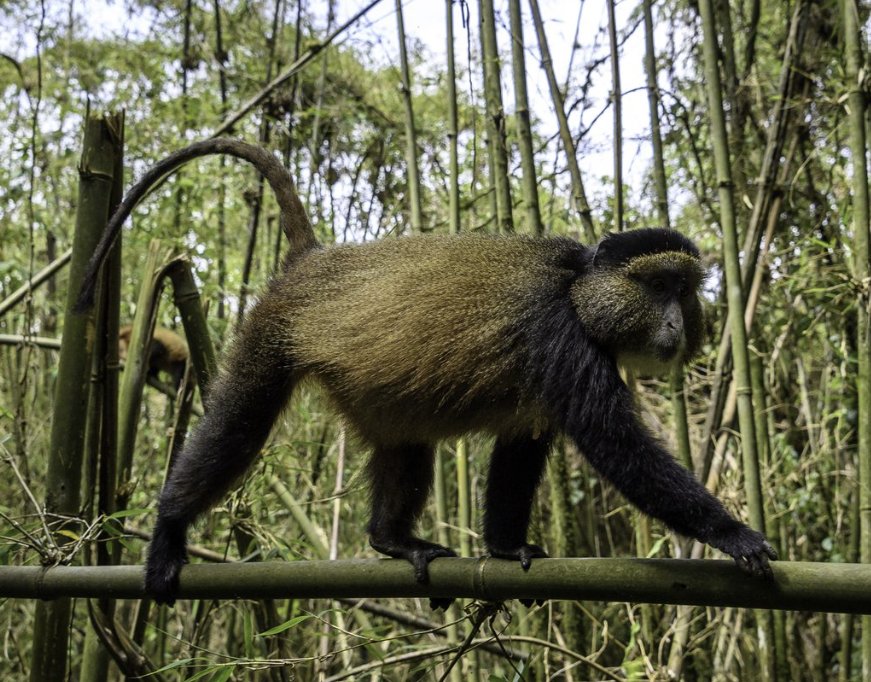
Golden monkeys are one of the most visually spectacular primates in Africa — vivid patches of orange-gold against jet black, with bright, expressive faces — and they're found only in the Virunga volcano range shared by Rwanda, Uganda, and the DRC. Most visitors to Volcanoes National Park come for the gorillas and don't realise the golden monkeys are here too, often overlooked entirely. That's your advantage.
The trek takes place in the bamboo zone lower on the volcano slopes — generally shorter and less strenuous than gorilla trekking, with the monkeys found within 30-90 minutes of the trailhead. Unlike gorillas, which tend to move slowly and deliberately, golden monkeys are extraordinarily active — they move fast through the bamboo, leap between stalks, chase each other, and generally put on a show. Groups can be 50-80 individuals. The bamboo forest fills with noise and movement in every direction.
At $100 USD per person, it's a fraction of the gorilla permit cost and genuinely deserves its own day rather than being treated as an afterthought. If you have 3 nights in Kinigi — one day gorillas, one day golden monkeys, one day for the lake or a hike — you've done Rwanda's Volcanoes region properly.
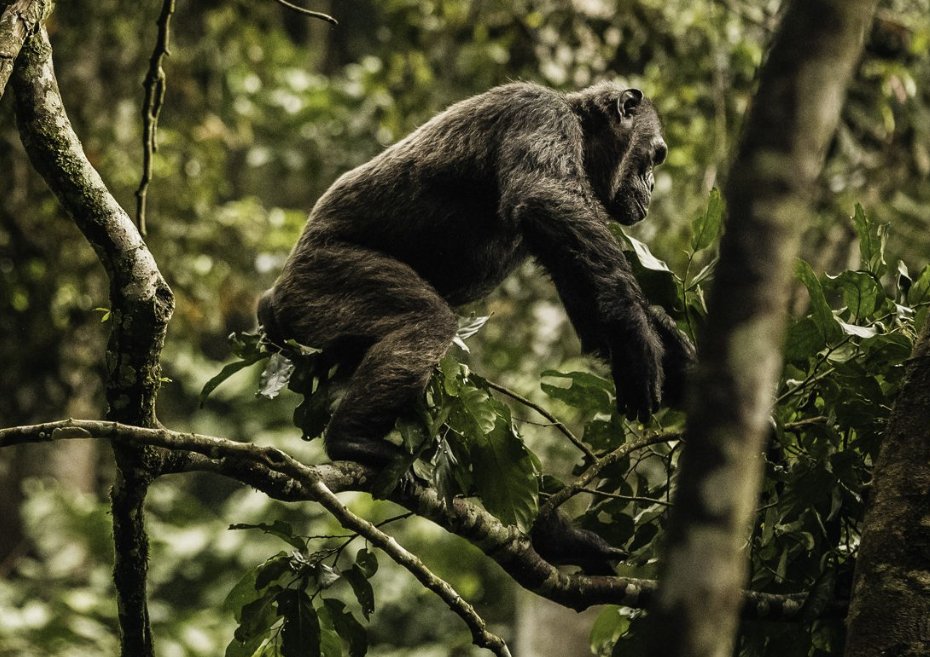
Nyungwe Forest National Park in southwest Rwanda is one of Africa's oldest and most biodiverse rainforests — 1,000 square kilometres of montane forest that has remained largely intact for millions of years. It's home to 13 primate species, including one of Africa's largest populations of chimpanzees. Chimps are significantly harder to track than gorillas — they cover large territories, move fast, and are much noisier. When you find them, the experience is electric.
Nyungwe also has the canopy walk — a 200-metre suspension bridge through the forest at treetop level, roughly 50 metres above the ground. It's the only canopy walkway in East Africa and the views across the forest canopy are extraordinary. It's worth doing regardless of whether you see chimps that day.
Getting to Nyungwe from Kigali takes around 5 hours by road — the drive along the Congo Nile ridge with views of Lake Kivu is spectacular and worth the journey itself. Most visitors combine Nyungwe with a night or two at Lake Kivu before returning to Kigali or continuing to Kinigi for gorillas.
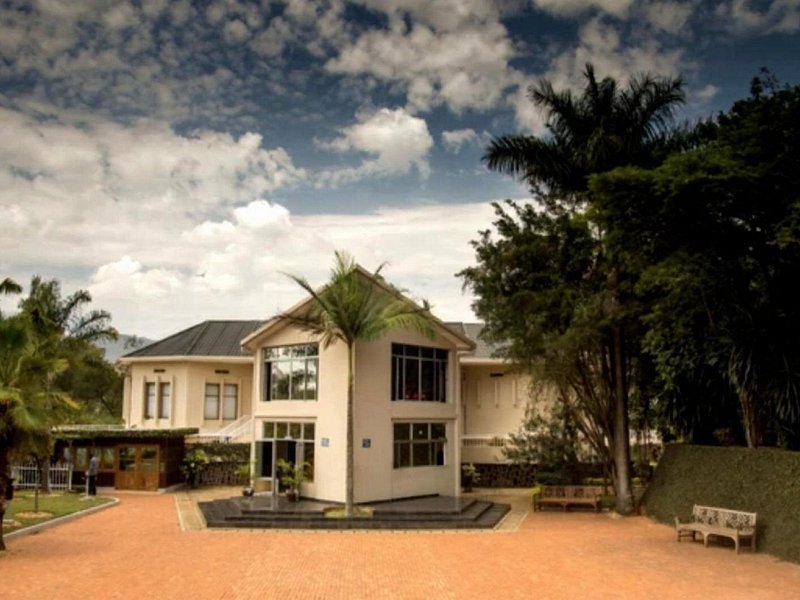
The Kigali Genocide Memorial is one of the most important and moving sites on the African continent. Built on a hillside above Kigali where 250,000 genocide victims are buried, it documents the 1994 genocide against the Tutsi in which approximately 800,000 people were killed in 100 days. The memorial is not easy to visit. It is also not optional if you're coming to Rwanda.
The permanent exhibition walks you through the history of Rwanda from precolonial times through Belgian colonial rule, the social engineering of ethnic identity, the systematic buildup to the genocide, the 100 days themselves, and the aftermath. The documentation is meticulous. The individual testimonies — voices, photographs, names — are what stay with you. The children's room, which memorialises some of the youngest victims with photos and brief biographical notes, is devastating.
What makes the memorial ultimately not just devastating but meaningful is the final section, which covers Rwanda's recovery and reconciliation — the gacaca community justice process, the rebuilding of institutions, and the country's extraordinary transformation since 1994. Kigali today, immaculate and forward-looking, is in many ways the most powerful part of the memorial. The city itself is the testimony.
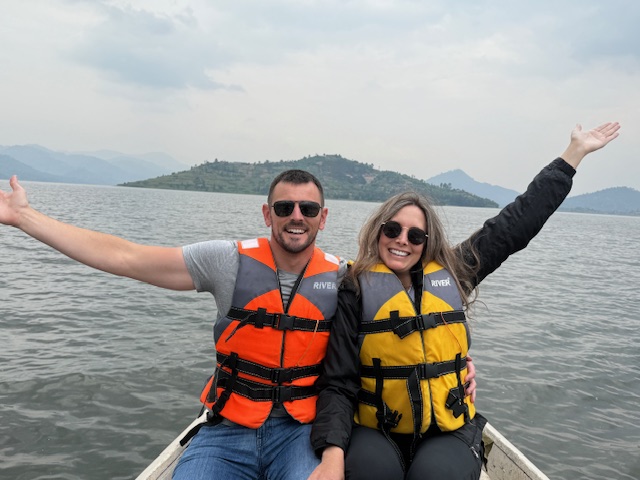
Just 30 minutes from Kinigi and 15 minutes from Musanze, the twin volcanic lakes of Burera and Ruhondo are among Rwanda's most beautiful and least-visited landscapes. The lakes sit in a deep valley surrounded by terraced hillsides and small islands — a quiet, unhurried world that feels completely removed from the wildlife tourism circuit happening nearby.
The boat trip involves hiring a wooden pirogue (dugout canoe) at the lakeside and paddling across to the inhabited islands, where small farming and fishing communities live much as they have for generations. There are no tourist facilities on the islands — you simply arrive, walk around, talk to people (guides are essential for translation), watch daily life unfold, and paddle back. It's one of the most genuinely authentic rural experiences in Rwanda.
The scenery is extraordinary — volcanic hills rising steeply from the water, papyrus swamps at the shoreline, and on clear days the peaks of the Virunga volcanoes visible to the north. It works beautifully as a half-day activity on the same day as checking into Kinigi before or after a gorilla trek.
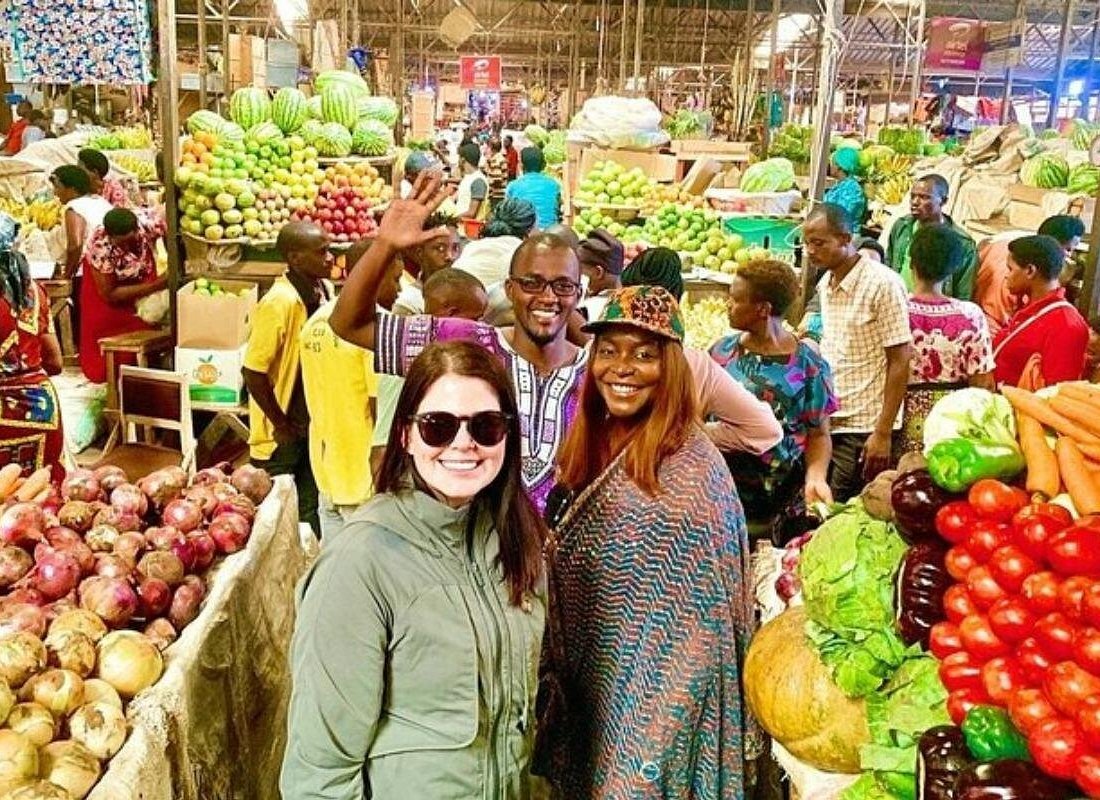
Kigali is one of Africa's most genuinely liveable and surprising capitals — clean, hilly, extraordinarily safe, and full of excellent food and rooftop bars with city views that most visitors completely miss because they're en route to the gorillas. A half-day walking food and culture tour changes that.
A good Kigali tour covers the Kimironko market — enormous, colourful, and completely unorientated toward tourists — where you'll find fresh produce, tailors, spice merchants, and the general organised chaos of a functioning urban market. Street food stops include brochettes (grilled meat skewers over charcoal, Rwanda's unofficial national snack), fried plantain, fresh passion fruit juice, and rolex (a rolled chapati with egg and vegetables that has nothing to do with the watch). The city's rooftop bar scene — views over the thousand hills at sunset with a Primus beer — is genuinely excellent.
Kigali also has a small but excellent craft scene. The Caplaki Craft Village near the convention centre has a wide range of Rwandan crafts including the famous imigongo geometric cow-dung paintings, woven baskets, and wooden carvings. Bargaining is expected and good-natured.

The Congo Nile Trail is a 227-kilometre cycling and trekking route that follows the ridge above Lake Kivu from Rubavu (Gisenyi) in the north to Rusizi in the south. It is widely considered one of the most dramatic cycling routes in Africa — the lake stretches out to the west, Congo's volcanic mountains are visible across the water, and the Rwandan hillsides drop steeply away in every direction in a landscape of tea plantations, fishing villages, and banana groves.
The full trail takes 5-8 days depending on fitness and pace. Most cyclists do sections rather than the full route — the northern section between Rubavu and Kibuye (now Karongi) is the most dramatic and can be done in 2-3 days. The trail is well-maintained and passes through multiple small towns where accommodation and food are available, though quality varies.
This is genuinely hard cycling — the route is hilly, the altitude adds to the exertion, and sections are technically challenging. But the scenery is extraordinary and the route passes through rural Rwanda in a way that no other activity provides. It's the country from the ground level, at the pace you can actually absorb it.