🇳🇱 Netherlands · Complete Activity Guide
🇳🇱
Things to Do in Amsterdam & the Netherlands
Tulip fields, world-class art, and Amsterdam experiences you genuinely can't get anywhere else
Tulip fields, world-class art, and Amsterdam experiences you genuinely can't get anywhere else
The Netherlands punches far above its weight for travel experiences. In a country smaller than West Virginia, you get one of the world's great art collections, the most distinctive urban canal landscape on Earth, a seasonal flower spectacle that has no equal, and a coastal ecosystem unlike anything else in Europe. Amsterdam alone offers more genuinely unique things to do per square kilometre than almost any city on the planet.
This guide covers the best things to do in Amsterdam and the Netherlands in 2026 — experiences that make travellers say they'd come back just to do them again. These are the ones that make the Netherlands unforgettable.
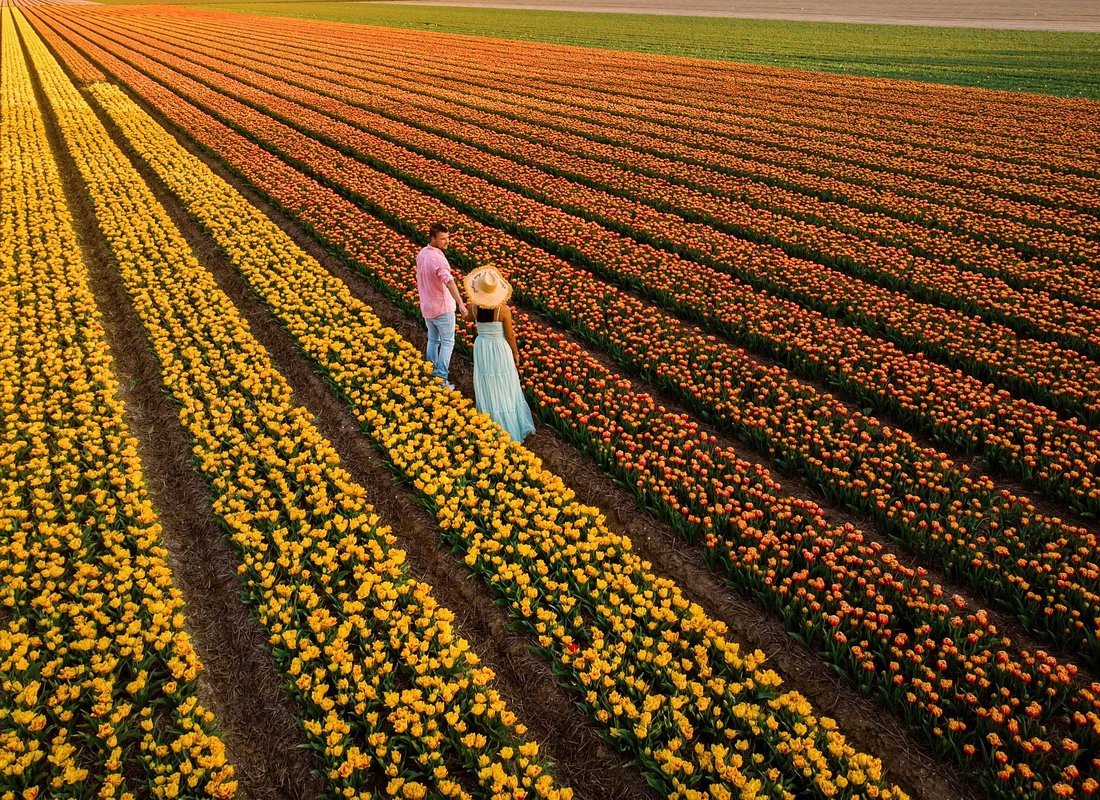
For a few weeks every April, the Bollenstreek — the bulb-growing region between Haarlem and Leiden — becomes one of the most visually extraordinary landscapes in the world. Fields are planted in solid rows of a single colour: pure yellow, then orange-red, then deep burgundy, stretching to the horizon in geometric bands that look more like a colour-field painting than a natural landscape.
The Keukenhof gardens near Lisse are the most famous single site — 32 hectares with over 7 million bulbs planted annually, open for a seven-week spring window. But the real spectacle is the surrounding Bollenstreek itself: driving or cycling the back roads between Hillegom, Lisse, and Noordwijkerhout in the second week of April when every field is simultaneously at peak colour.
The Bollenstreek is about 45 minutes from Amsterdam by car, or reachable by train to Leiden Centraal then local bus. Bus route 858 runs direct from Amsterdam Sloterdijk to Keukenhof during the season. Rent a bike in Lisse for the most rewarding way to explore. Keukenhof opens late March through mid-May — check keukenhof.nl each year for exact dates as they shift slightly.
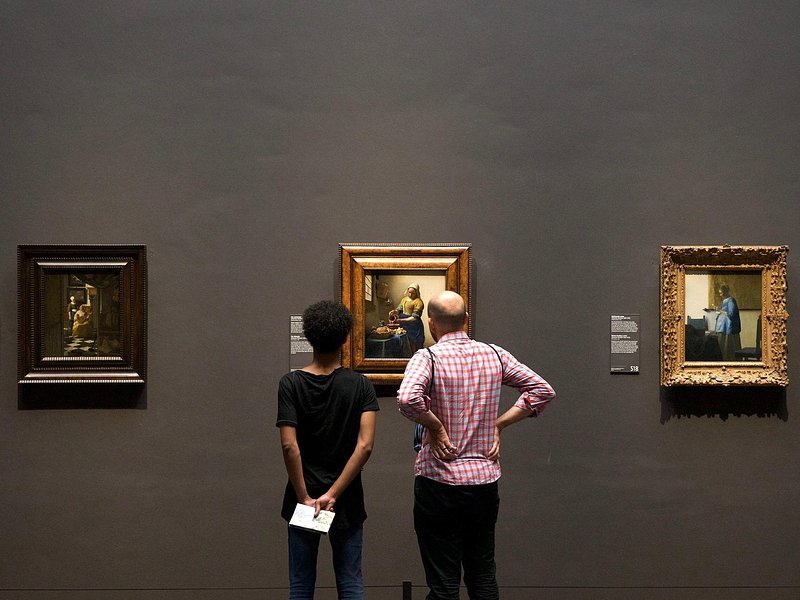
The Rijksmuseum is one of the great art museums of the world. The collection covers Dutch and Flemish Golden Age painting from 1200 to the present, with Rembrandt and Vermeer as its twin peaks. The Night Watch alone — Rembrandt's 1642 masterpiece measuring 3.6 by 4.4 metres — is worth the visit. Walking into the room built specifically to house it, essentially to yourself at opening time, is one of the great museum experiences anywhere.
The Vermeer rooms contain some of the most intimate paintings ever made: The Milkmaid, The Love Letter, Woman Reading a Letter. Vermeer painted slowly and produced few works, which makes the concentration here extraordinary. The quality of light in these paintings — the way it falls through a window onto a wall — is immediately different from any reproduction.
Book a 9am timed-entry ticket and go directly to the Rembrandt and Vermeer galleries before the tour groups arrive. You'll have roughly 45 minutes in which the most famous rooms are relatively quiet. After 10:30am the museum fills rapidly. The Rijksmuseum is at Museumplein — tram lines 2 and 5 stop directly outside.
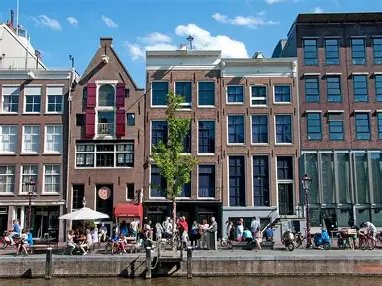
The Anne Frank House on Prinsengracht 263 is one of the most important sites in Europe. Between July 1942 and August 1944, Anne Frank, her family, and four others hid in concealed rooms behind Otto Frank's business premises — 25 months in which Anne wrote the diary that became one of the defining documents of the 20th century. The Secret Annex, preserved largely as it was, carries extraordinary emotional weight.
The visit moves through the front house before passing through the hinged bookcase concealing the Annex entrance. The rooms are bare — the Franks stripped them before their arrest to prevent reprisals. The emptiness makes the spaces more powerful. The steepness of the original stairs, the view from the window Anne wrote about, the dimensions of the hiding space — these things cannot be fully understood from a book.
Tickets are available exclusively through annefrank.org and sell out weeks to months in advance — there is no door sales. Book as early as possible. If sold out, a small number of same-day tickets are occasionally released online at 9am Amsterdam time. The museum is at Prinsengracht 263 in the Jordaan — 15 minutes' walk from Amsterdam Centraal.
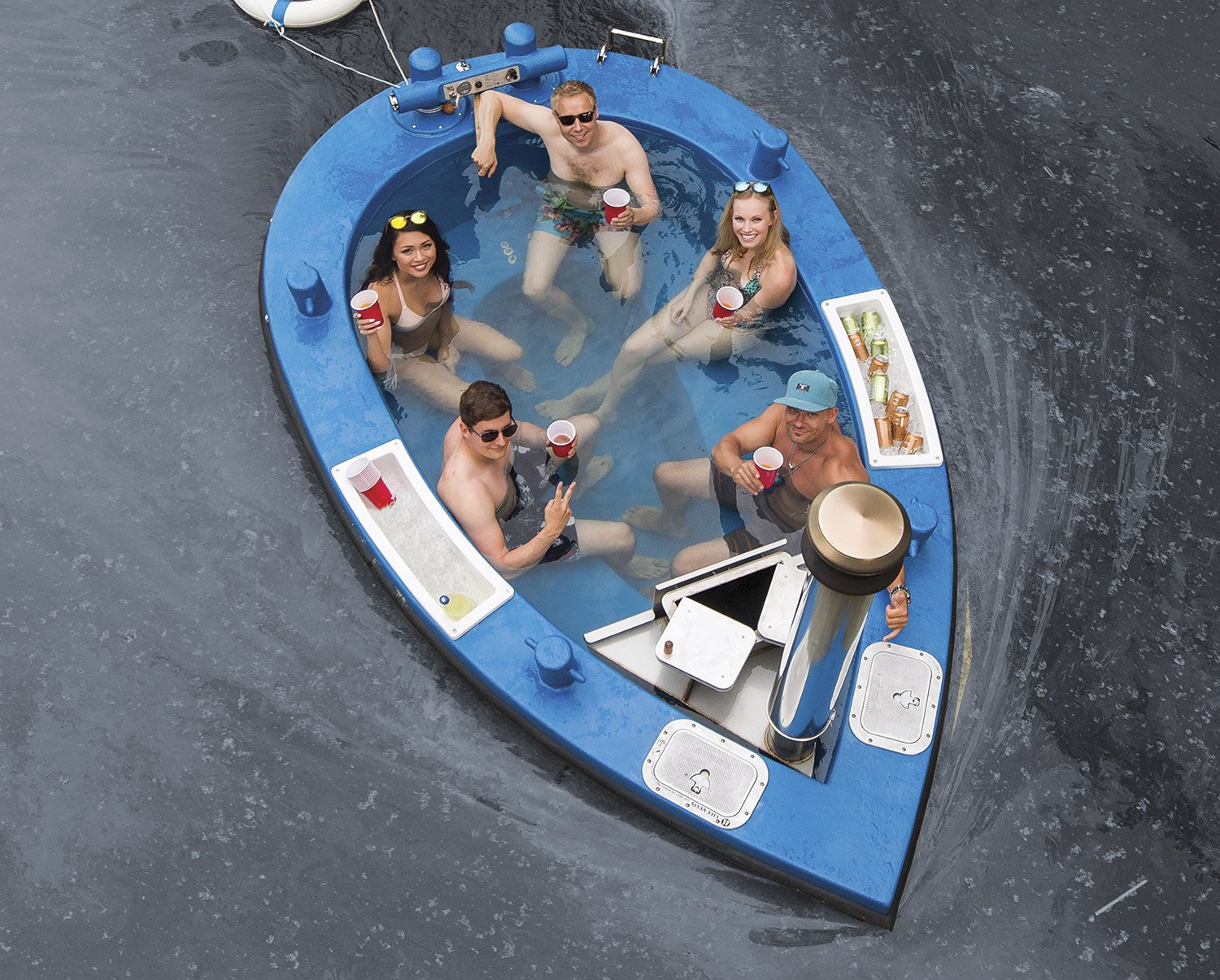
The HotTug is exactly what it sounds like: a wood-fired hot tub built into a small self-drive boat, seating up to eight people, that you pilot yourself through Amsterdam's UNESCO-listed canal ring. You control speed and direction from inside the tub. Water temperature stays at around 38°C. You bring your own drinks. The city drifts past while you soak.
Amsterdam's canal ring is one of the great urban waterscapes — 165 canals, 1,500 bridges, and canal houses from the Dutch Golden Age lining both sides. Seeing it from the water is already the best way to experience it. Seeing it from inside a heated tub with cold drinks in hand is something else entirely. The HotTug was invented in Amsterdam — this is the original.
No boat licence is required — a short briefing is provided before you set off. Boats hold up to 8 people, making it perfect for groups. The experience runs approximately 1.5 hours. Bring swimwear, a towel, and whatever you want to drink — the boat has a built-in cooler. Book at hottug.nl; weekend slots April through September fill weeks in advance.
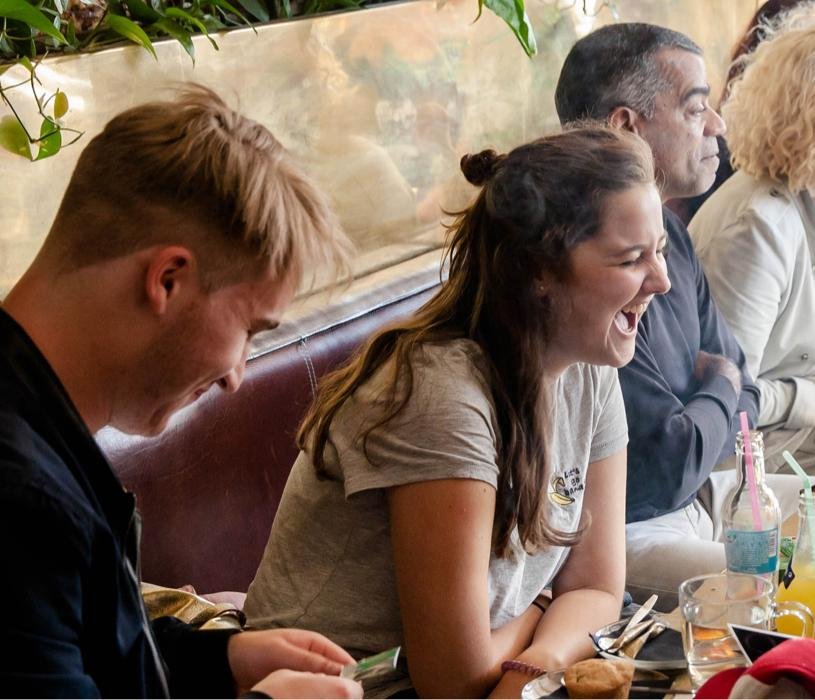
Amsterdam's licensed cannabis coffee shops are a legal and entirely unique cultural institution — the result of a Dutch tolerance policy (gedoogbeleid) in place since the 1970s. Around 160 licensed coffee shops operate in Amsterdam under a strict regime: no alcohol, no hard drugs, no advertising, no sales to minors, and a maximum personal purchase of 5 grams.
The experience is simple: order at the bar from a clearly labelled menu showing products, prices, and potency, find a seat, and spend time in one of the most genuinely eclectic social environments in any city. The clientele ranges from curious tourists to locals who've been coming in for decades. The atmosphere is almost universally relaxed — these are social spaces, not dens.
Coffee Shop Amsterdam on Haarlemmerstraat is one of the best — a welcoming, well-run establishment in the quieter Jordaan area with knowledgeable staff who help first-timers without pressure. Paradox, also in the Jordaan, is another excellent low-key choice. Avoid the large tourist-facing shops around Leidseplein and the Red Light District — crowded and impersonal. Start with something mild, drink water not alcohol, and don't rush.

The IJ-Hallen is Europe's largest indoor flea market — around 750 stalls spread across a vast former NDSM shipyard warehouse in Amsterdam Noord, running one weekend per month. The warehouse itself is extraordinary: an industrial cathedral of steel cranes and concrete floors repurposed into one of the most atmospheric market spaces in Europe.
The selection covers everything: vintage clothing from every decade, antiques, vinyl records, furniture, books, ceramics, jewellery, art, tools, bicycles, and a large quantity of Dutch oddities. Serious vintage buyers arrive at 9am opening; casual browsers can spend three to four hours without covering everything. Entry costs approximately €5.
The market runs one weekend per month — check the full schedule at ijhallen.nl before planning, as dates are not fixed to a specific weekend. Take the free GVB ferry from Amsterdam Centraal platform to NDSM Werf — it runs every 15–30 minutes and takes about 15 minutes, with views back to the Amsterdam skyline. The wider NDSM complex has outdoor street art, studios, and waterfront cafés worth exploring beyond the market.
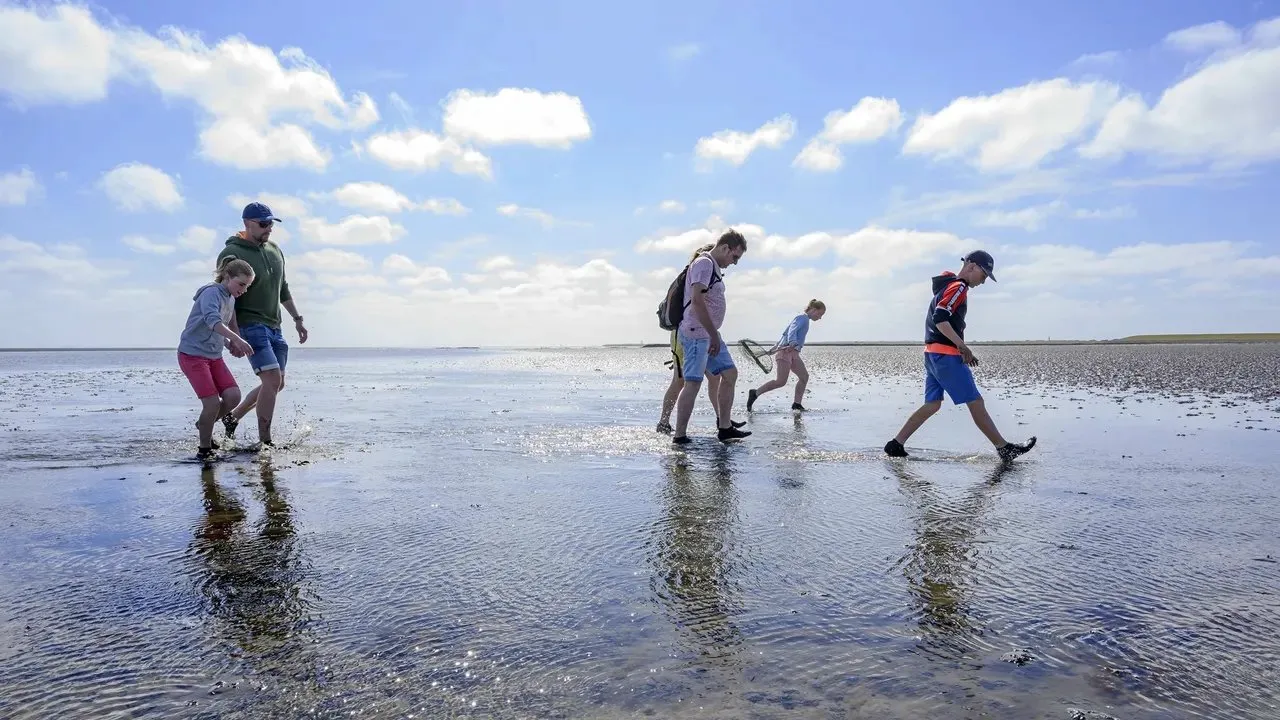
Wadlopen — mudflat walking — involves crossing the exposed tidal flats of the Wadden Sea on foot at low tide to reach the Frisian Islands. The Wadden Sea is the world's largest unbroken system of intertidal sand and mudflats, designated a UNESCO World Heritage Site in 2009. At low tide, the sea retreats several kilometres, exposing a vast flat landscape of sand, mud, and shallow channels unlike any other terrain in Europe.
A guided crossing typically starts near Groningen or Friesland and takes three to five hours to cover ten to fifteen kilometres to Schiermonnikoog or one of the other outer islands. The terrain changes constantly — firm sand, deep mud, shallow channels requiring waist-deep wading — and the ecology is extraordinary: one of the most productive ecosystems in Europe, feeding millions of migratory birds between Africa and the Arctic.
The season runs May through October. Crossings must be done with a certified guide — going alone is extremely dangerous due to rapid tidal changes and disorienting flat terrain. Book through wadlopen.com. Wear clothes you're happy to completely cover in mud. Fitness should be reasonable — three to five hours of walking in difficult terrain. Take the train from Amsterdam to Groningen or Leeuwarden (2–2.5 hours), then follow joining instructions from your guide.
The Netherlands rewards visits in almost every season — but the experience varies significantly depending on when you go.