🇨🇭 Switzerland · 8 Can't-Miss Experiences
🇨🇭
Best Things to Do in Switzerland (2026)
The Matterhorn, epic Alpine hikes & the world's most scenic train
The Matterhorn, epic Alpine hikes & the world's most scenic train
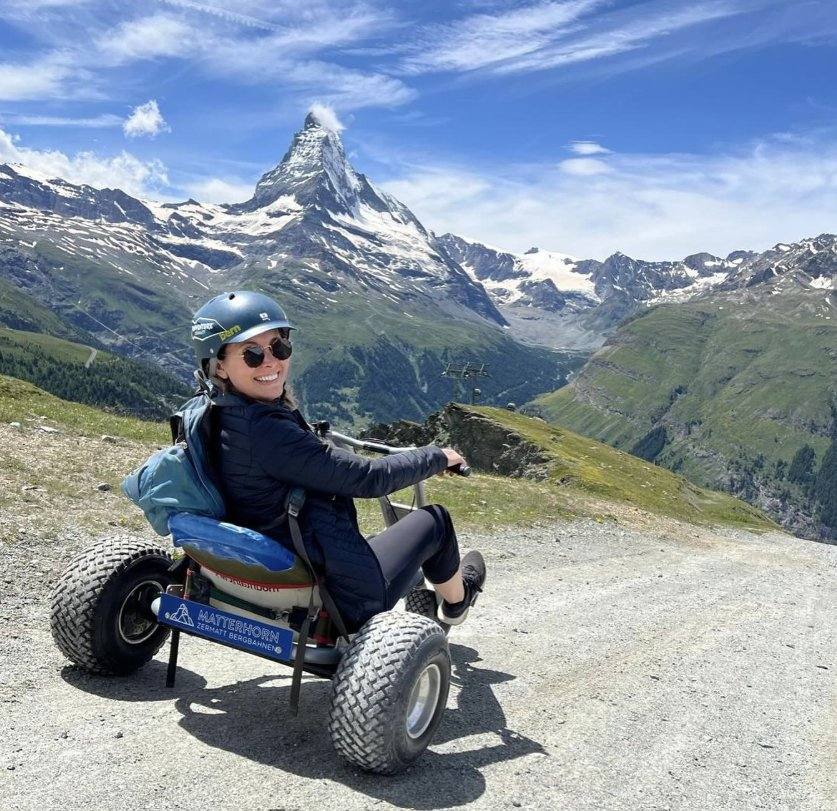
Mountain carting — descending Alpine trails on a purpose-built three-wheeled cart with disc brakes — is one of the most uniquely Swiss and underrated adventure experiences available in the Alps. In Zermatt, the mountain cart run descends from Riffelberg (2,582m) back to Zermatt, with the Matterhorn towering in the background the entire way. The trail winds through Alpine meadows and pine forest, with enough elevation change to make the brakes work, but at a pace entirely in your control.
The Zermatt mountain cart circuit is one of the best in Switzerland — the combination of the Matterhorn backdrop, the quality of the trail, and the sheer fun of the descent makes it the highlight of many visitors' Swiss Alps experience. Take the Gornergrat train up and cart back down. Available May through October depending on snow conditions. Book directly through Zermatt's official activity provider for the most up-to-date availability.
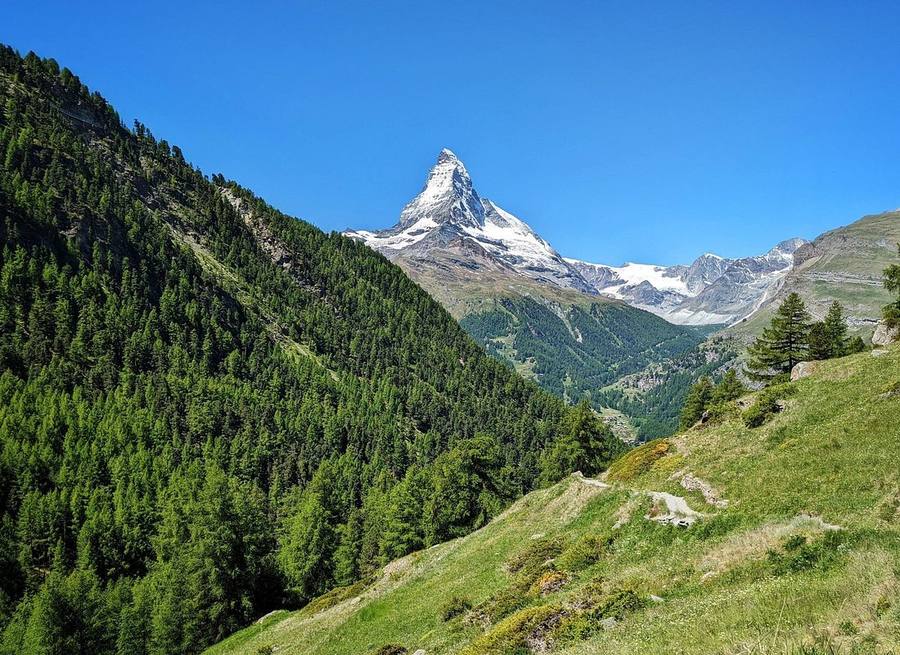
The Five Lakes Trail is one of the finest day hikes in the Swiss Alps — a 9km circular route above Zermatt that passes five mountain lakes, each one perfectly positioned to reflect the Matterhorn in its surface. The views are extraordinary at every turn: the iconic pyramid peak appears and reappears above the ridgeline as the trail contours around the hillside, and at each lake the reflection photograph that fills Swiss tourism campaigns presents itself naturally.
The trail starts at Blauherd (reached by cable car from Zermatt) and is classified easy to moderate — well-marked, with a total elevation change of around 300m. It takes 3–4 hours at a comfortable walking pace with stops. The Stellisee lake is the most famous — the near-perfect Matterhorn reflection in calm conditions is one of the most photographed images in Switzerland. Go early morning for the calmest reflections and best light.
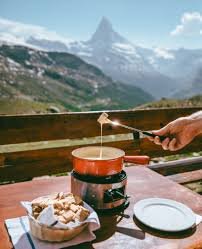
Eating cheese fondue — bubbling gruyère and raclette in a ceramic pot, with crusty bread for dipping — at a traditional Swiss mountain hut at 2,606 metres, with the Matterhorn visible through the window, is one of the most authentically Swiss experiences available anywhere in the country. The Fluhalp restaurant on the Five Lakes Trail above Zermatt does this better than almost anywhere in Switzerland: a traditional alpine hut at the exact altitude where Swiss shepherds historically made cheese, with fondue and raclette served exactly as they were eaten here for centuries.
The combination of the mountain setting, the cold air outside, the warmth of the hut, and the communal nature of fondue (everyone dipping from the same pot) produces a specific quality of contentment that is completely particular to the Swiss Alps. The Fluhalp sits perfectly on the Five Lakes Trail — hike the morning section, stop for a long fondue lunch, continue in the afternoon. In summer, the terrace tables with Matterhorn views are extraordinary.
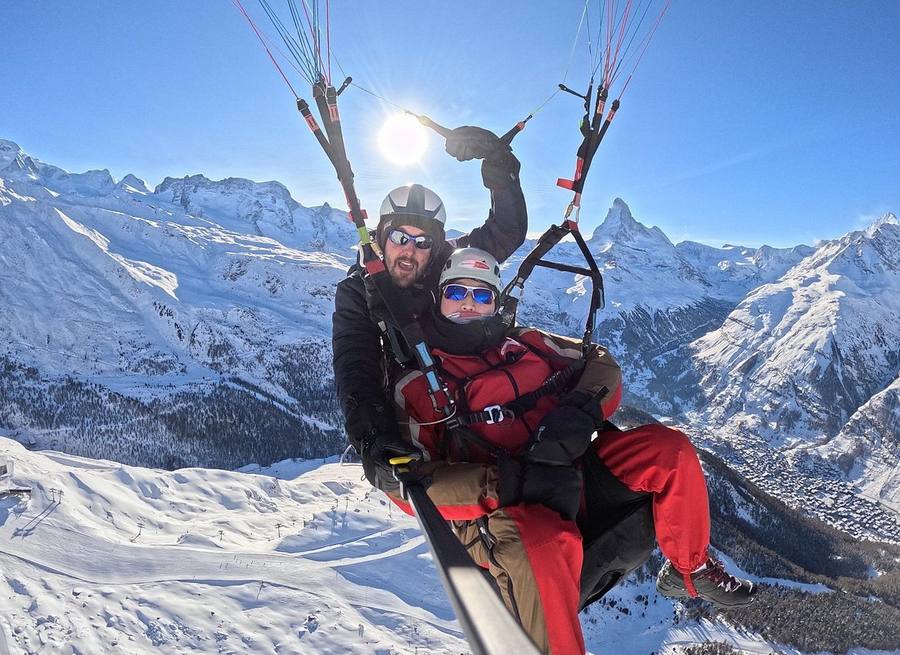
Launching from above Zermatt and soaring on a tandem paraglider with the Matterhorn filling your entire field of view is one of the most dramatic aerial experiences available anywhere in the Alps. The 4,478-metre pyramid rises directly ahead as you launch from the take-off zone above the village — a perspective of the mountain that is completely impossible to replicate from any ground-level viewpoint. You fly over Zermatt's rooftops and the Zmuttbach valley, with the Monte Rosa massif and the glacier fields visible behind the Matterhorn's south face.
Tandem paragliding requires no experience — the professional pilot handles all the flying while you sit in a harness in front of them and experience the view. Flights typically last 15–25 minutes and land back in Zermatt village. The experience is significantly less alarming than it looks from the ground — the launch is the most dramatic moment, and once airborne the sensation is smooth and relatively calm. Book in advance — Zermatt's paragliding slots are limited and fill quickly in July and August.
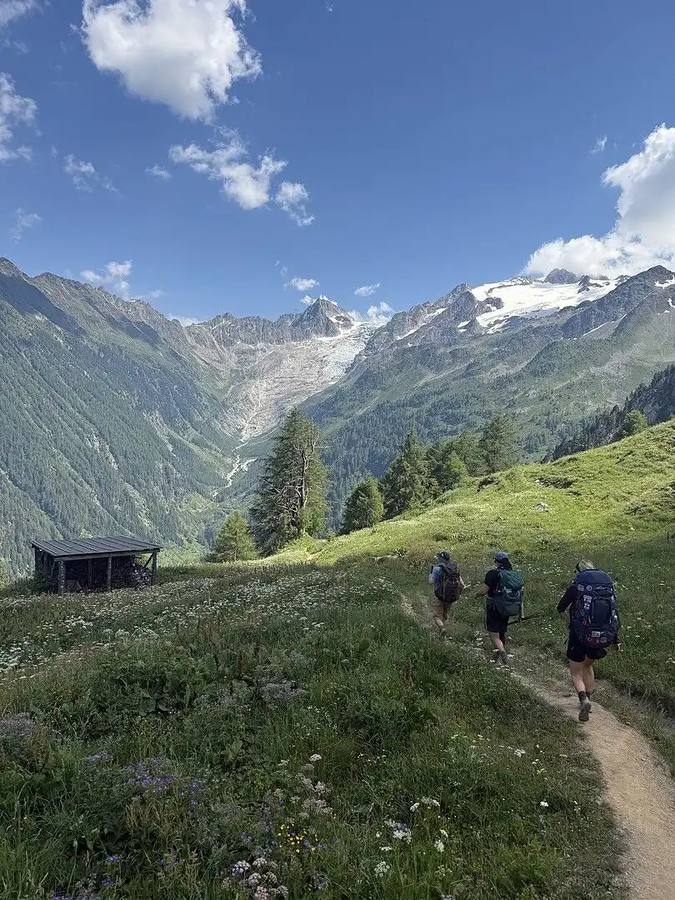
The Haute Route is the greatest Alpine trek — an 11-day hut-to-hut journey from Chamonix, France (at the foot of Mont Blanc) to Zermatt, Switzerland (beneath the Matterhorn), crossing the full breadth of the Western Alps through some of the most spectacular high mountain scenery in Europe. The route traverses 14 mountain passes, crosses into Switzerland via the Grand Col Ferret, and ends with the Matterhorn appearing on the horizon two days before you reach it.
The walker's Haute Route (as opposed to the ski touring version) covers approximately 180km with 12,000m of total elevation gain — serious mountain hiking requiring good fitness, proper equipment, and competence with navigation in Alpine terrain. The mountain huts (refuges and SAC huts) provide food and dormitory or private room accommodation, making this an accessible multi-day trek without carrying camping equipment. Book huts months ahead in July and August — the Haute Route is one of the most popular long-distance hikes in Europe and fills completely in peak season.
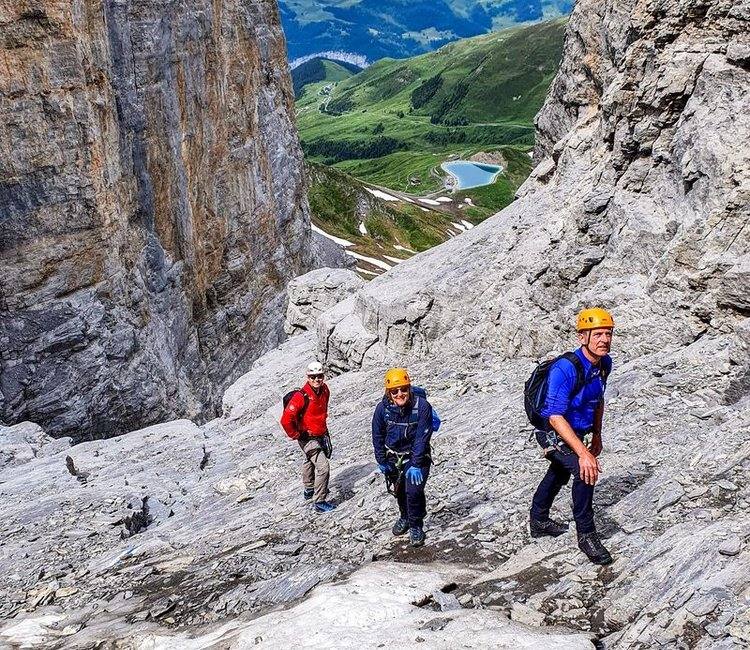
The Eiger — the notorious north face, 1,800m of sheer limestone and ice that defeated climbers for decades before its first ascent in 1938 — dominates the skyline above Grindelwald in the Bernese Oberland. The Eiger Trail's via ferrata section puts you on fixed iron cables on the lower sections of this legendary mountain, traversing exposed rock faces above the valley floor with the full scale of the Eiger above you and the Grindelwald valley 600m below.
A via ferrata uses a series of iron rungs, cables, and stemples fixed into the rock face — connected to by a safety harness and Y-lanyard that keep you attached to the mountain at all times. Technical climbing skill is not required, but a head for heights, good physical fitness, and proper equipment are essential. A guided introduction course is the right option for first-timers — outdoor.ch in Grindelwald runs taster courses specifically for the Eiger via ferrata section that provide all equipment and instruction.
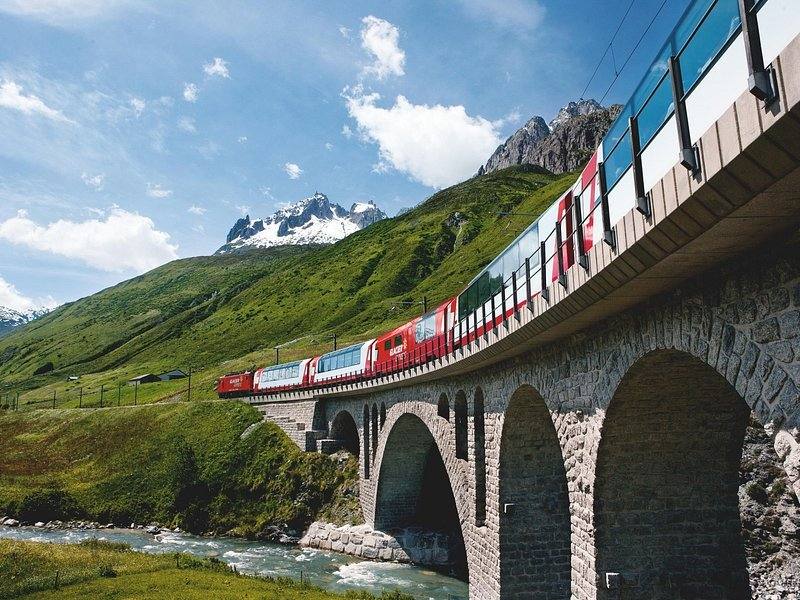
The Glacier Express is the world's most scenic slow train — 8 hours from Zermatt to St. Moritz (or vice versa) through the heart of the Swiss Alps, crossing 291 bridges, passing through 91 tunnels, and climbing to 2,033m at the Oberalp Pass. The route traverses the Rhône Glacier valley, the Goms high valley, and the Rhine Gorge — landscapes that the train was specifically routed through for maximum scenic impact when it opened in 1930.
The panoramic glass-roof carriages give unobstructed views in every direction. A dining car serves three-course Swiss meals as the mountains roll past. The train is called a "slow train" not because it moves slowly — it reaches normal train speeds — but because the journey is the destination. Sit on the left side Zermatt to St. Moritz for the best views of the Matterhorn at the start and the Engadin valley at the end. Book seats and dining car months ahead in summer — it sells out completely.
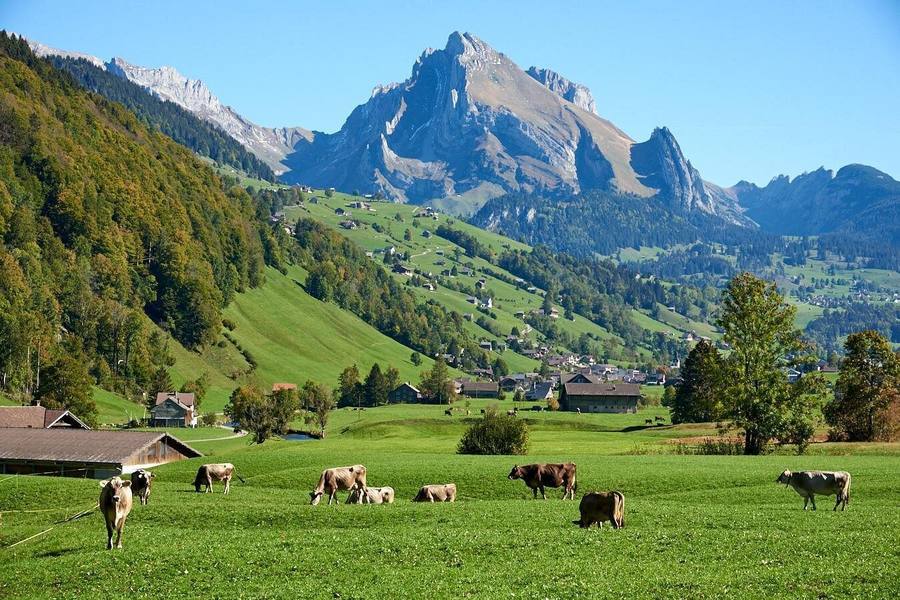
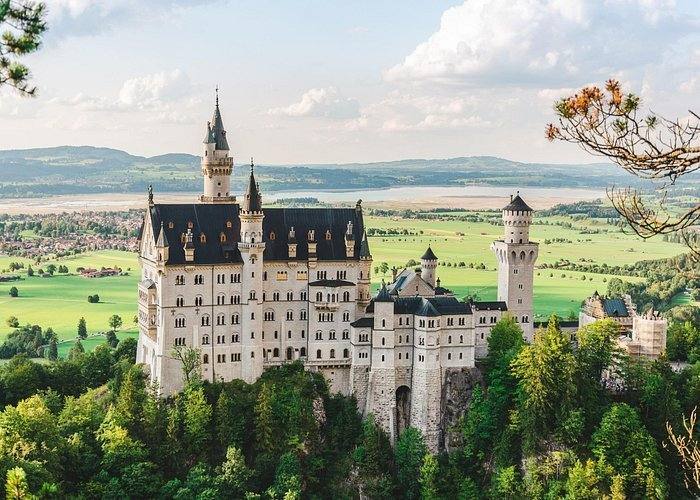
Liechtenstein — the world's sixth smallest country, sandwiched between Switzerland and Austria along the Rhine — is 90 minutes by train from Zurich and makes one of Europe's more unusual and satisfying day trips. The principality is still ruled by the Liechtenstein family, who have lived in Vaduz Castle above the capital since the 17th century. The castle is not open to the public, but its position on a forested hill above the compact old town provides a backdrop to the town that makes it look exactly like a storybook principality.
Vaduz's main street takes about 20 minutes to walk end to end, but the surrounding area rewards more time: the hiking trails up to Vaduz Castle give views over the Rhine valley into Switzerland and Austria simultaneously. The Liechtenstein National Museum covers the principality's surprisingly interesting history. Most visitors get their passport stamped at the tourist office (a Liechtenstein tradition and genuinely excellent souvenir), browse the philatelic museum (Liechtenstein's most famous export besides false teeth is its postage stamps), and eat a leisurely lunch before returning to Zurich.